306 Best Succulents for New South Wales | 2026 Guide
The 306 best succulents to grow in New South Wales. Ideal climate: 19.3°C, 46.3% humidity.
306 Succulents for New South Wales
Showing 1-36 of 306
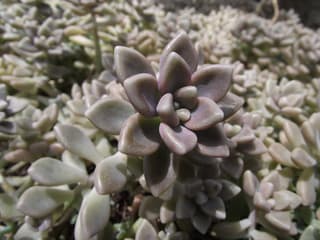
Marbled Succulent
Sedum mendozae

Chalk Dudleya
Dudleya pulverulenta
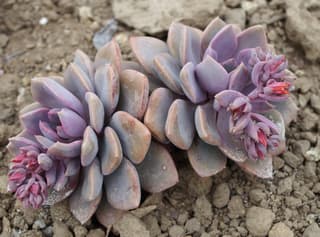
Graptoveria
× Graptoveria
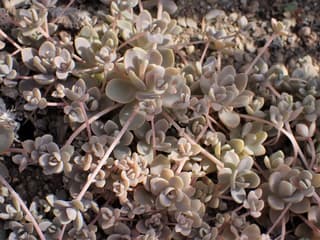
Green Dunce Cap
Orostachys malacophylla
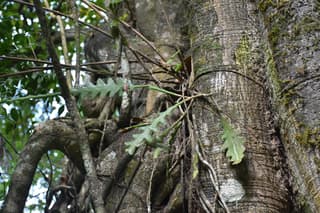
Fishbone Cactus
Disocactus anguliger
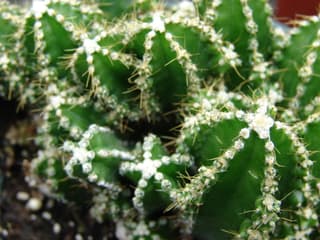
Giant Peruvian Cereus
Cereus peruvianus
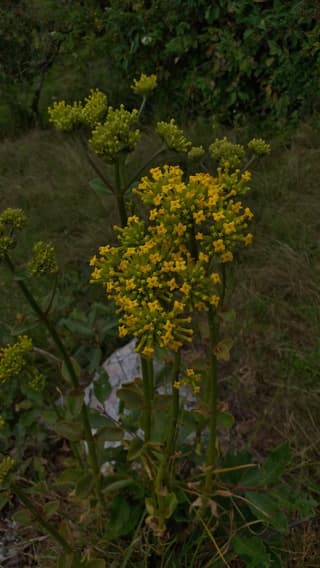
Dense-flowered Kalanchoe
Kalanchoe densiflora
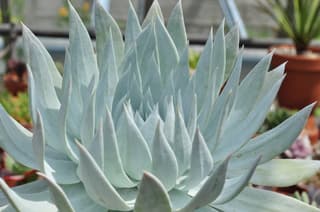
Liveforever
Dudleya
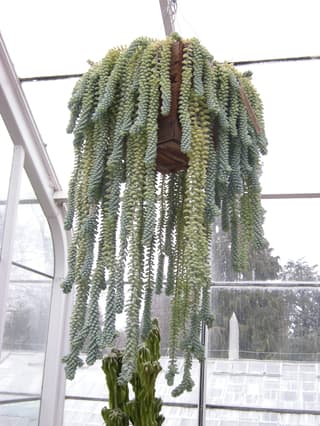
Baby Donkey Tail
Sedum burrito
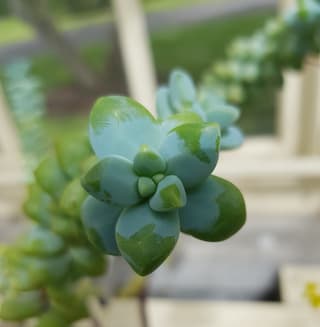
Silver Sedum
Sedum treleasei
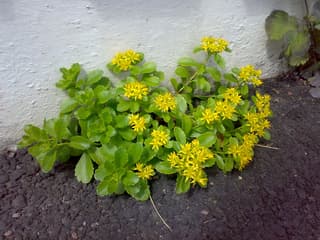
Siberian Stonecrop
Phedimus hybridus
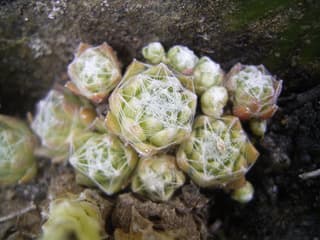
Cobweb Houseleek
Sempervivum arachnoideum
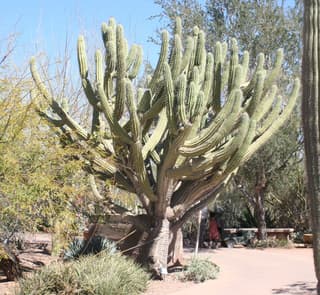
Argentine Toothpick Cactus
Stetsonia coryne
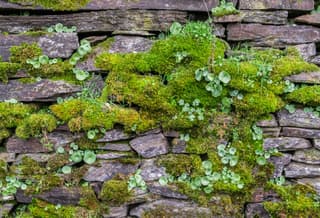
Navelwort
Umbilicus rupestris
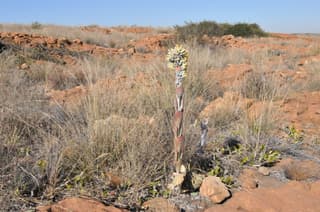
Paddle Plant
Kalanchoe thyrsiflora
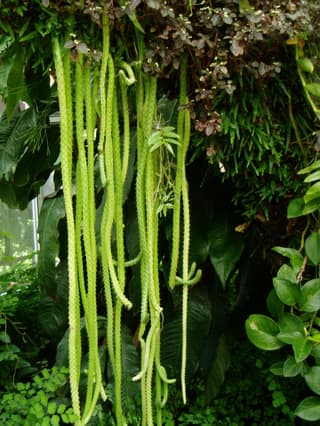
Rat Tail Cactus
Disocactus flagelliformis
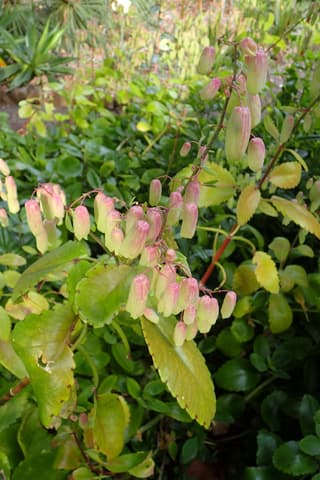
Cathedral Bells
Kalanchoe pinnata
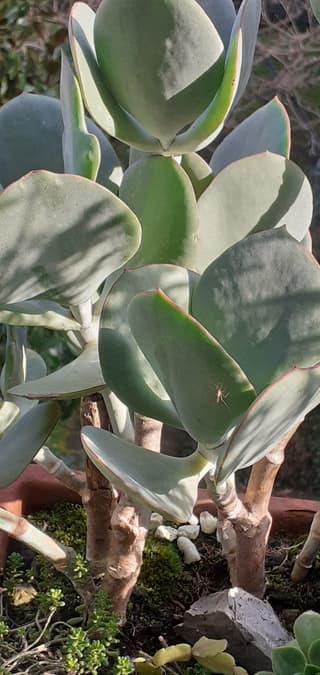
Pig's Ear
Cotyledon orbiculata

Black Echeveria
Echeveria affinis
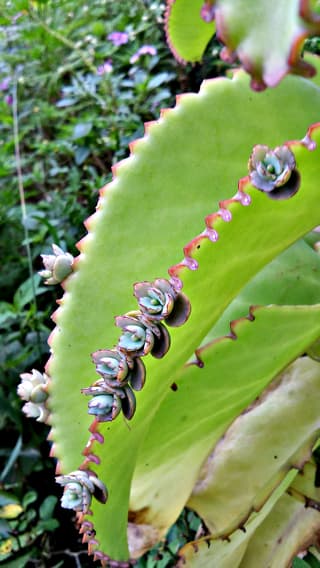
Big Mama Kalanchoe
Kalanchoe laetivirens
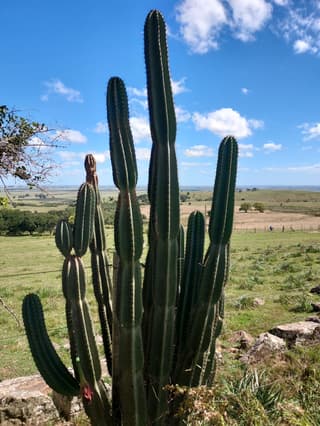
Cereus / Hedge Cactus (genus)
Cereus
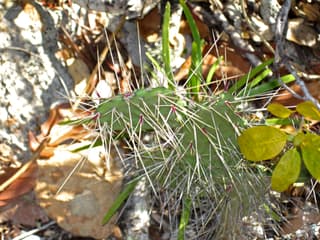
Sweet Prickly Pear
Opuntia dillenii
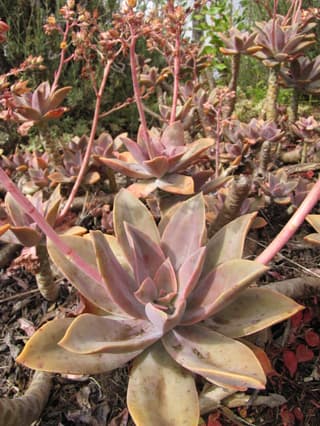
Graptoveria Ellen
Graptoveria 'Ellen'
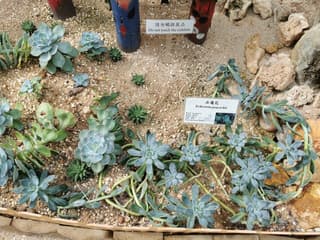
Peacock Echeveria
Echeveria peacockii
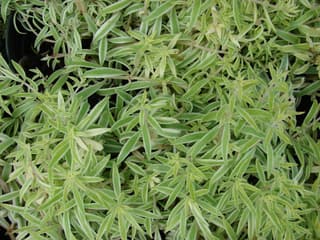
Needle Stonecrop
Sedum lineare
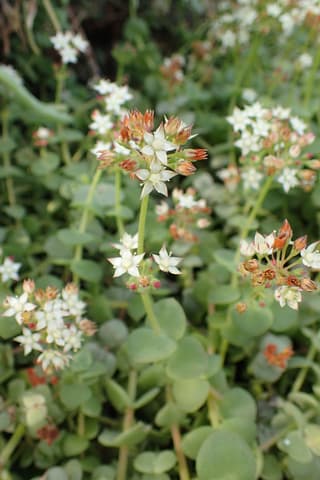
Calico Kitten
Crassula pellucida
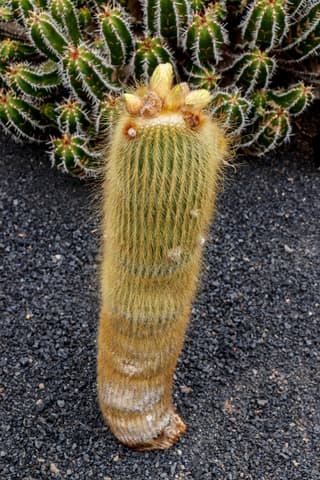
Golden Ball Cactus
Parodia leninghausii
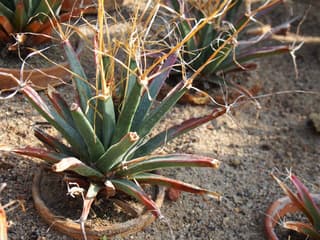
Agave Cactus
Leuchtenbergia principis

Chilean Cactus
Leucostele chiloensis
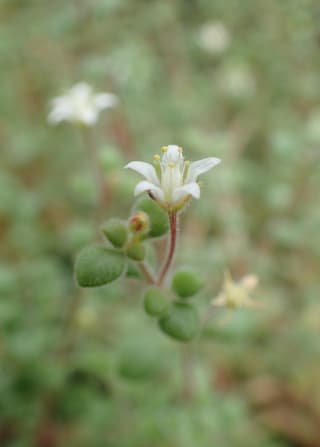
Fragile Crassula
Crassula expansa subsp. fragilis
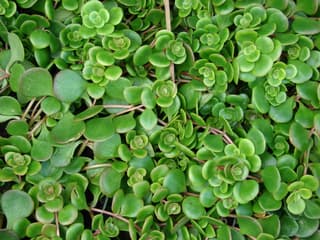
Chinese Stonecrop
Sedum tetractinum

Twistspine Pricklypear
Opuntia macrorhiza

Fairy Crassula
Crassula multicava

Giant Velvet Rose
Aeonium canariense

Chilean Corkscrew Cactus
Eulychnia castanea
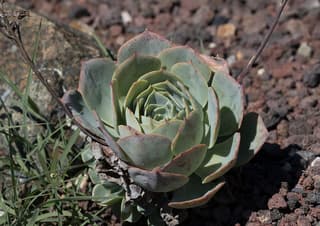
Echeveria Dionysos
Echeveria 'Dionysos'
Ideal Succulents for New South Wales's Climate
New South Wales has an average temperature of 19.3°C and humidity of 46.3%, conditions that directly influence which succulents best adapt to the local environment.
How to Grow Succulents in New South Wales
To successfully grow succulents in New South Wales, consider that the average temperature of 19.3°C and humidity of 46.3% create a specific microclimate. Lower humidity requires more frequent watering and use of drip trays.
Advantages of Choosing Adapted Succulents
Succulents adapted to New South Wales's climate show greater resistance, healthy growth, and less need for interventions.