307 Best Succulents for Southern Asia | 2026 Guide - Page 2
The 307 best succulents to grow in Southern Asia. Ideal climate: 26.3°C, 58.3% humidity.
307 Succulents for Southern Asia
Showing 37-72 of 307
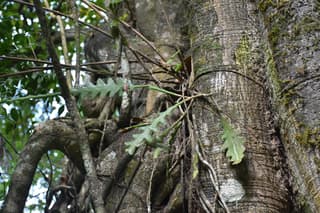
Fishbone Cactus
Disocactus anguliger
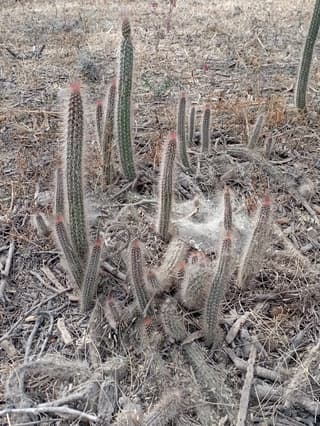
Snake Cactus, Junco, Queen of the Night
Nyctocereus serpentinus
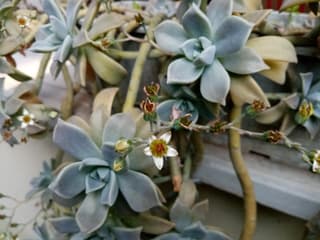
Ghost Plant
Graptopetalum
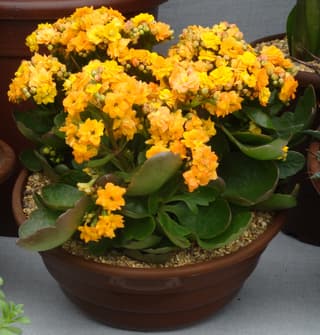
Calandiva
Kalanchoe calandiva
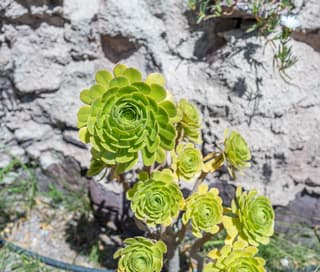
Stalked Aeonium
Aeonium undulatum
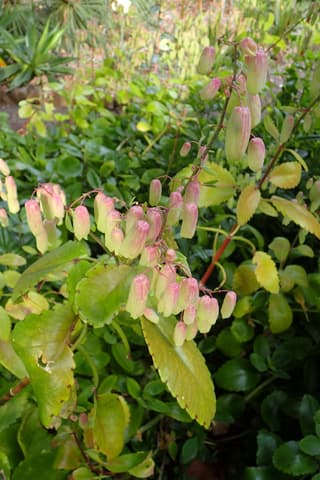
Cathedral Bells
Kalanchoe pinnata
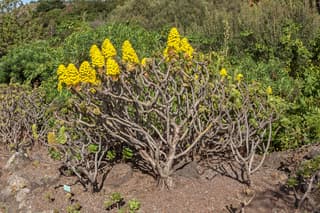
Tree Aeonium
Aeonium arboreum
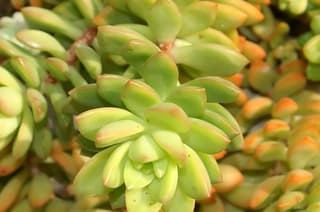
Golden Sedum
Sedum adolphi
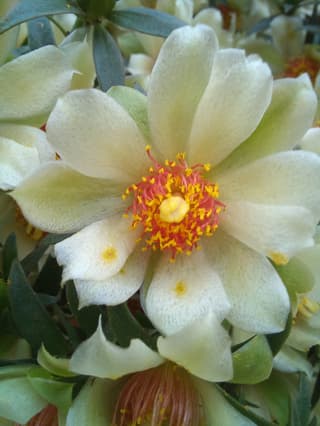
Ora-pro-nobis
Pereskia aculeata
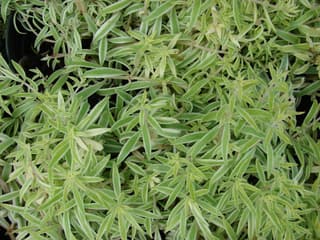
Needle Stonecrop
Sedum lineare
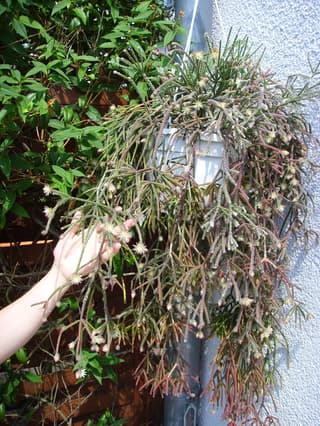
Hairy-stemmed Rhipsalis
Rhipsalis pilocarpa
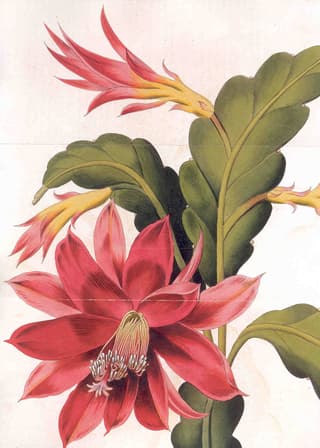
Red Orchid Cactus
Disocactus ackermannii
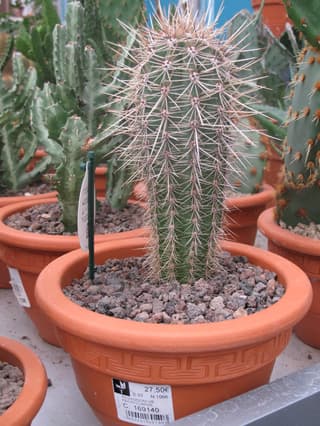
Brazilian Blue Cactus
Pilosocereus azureus

Night-blooming Cereus
Selenicereus
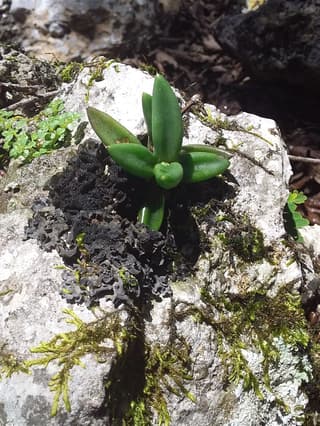
Lenophyllum acutifolium
Lenophyllum acutifolium
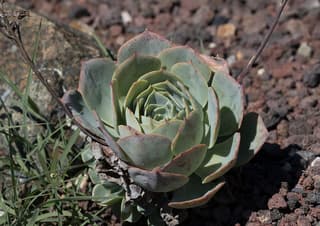
Echeveria Dionysos
Echeveria 'Dionysos'
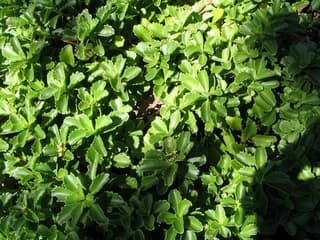
Kamchatka Stonecrop
Phedimus kamtschaticus
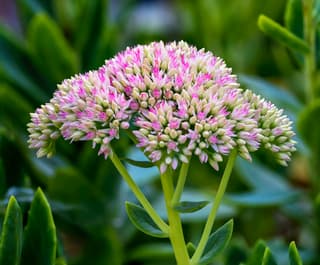
Autumn Joy Sedum
Hylotelephium
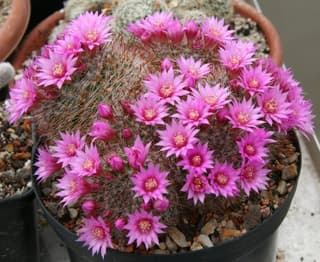
Rose Pincushion Cactus
Mammillaria zeilmanniana
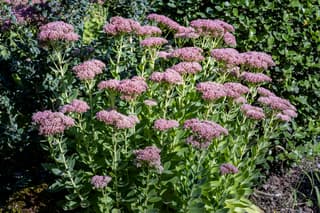
Orpine
Hylotelephium telephium
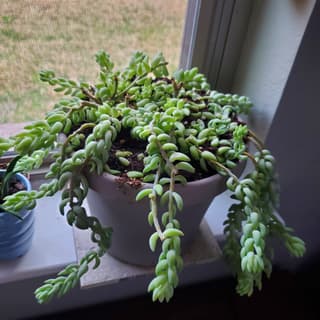
Stonecrop (genus)
Sedum
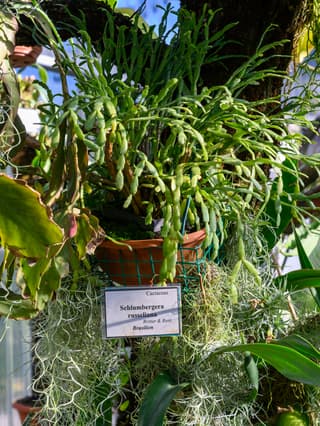
Christmas Cactus
Schlumbergera russelliana
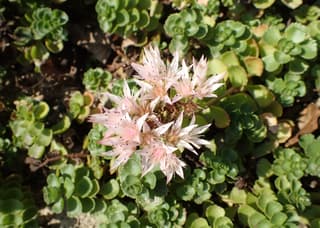
Two-row Stonecrop
Phedimus spurius
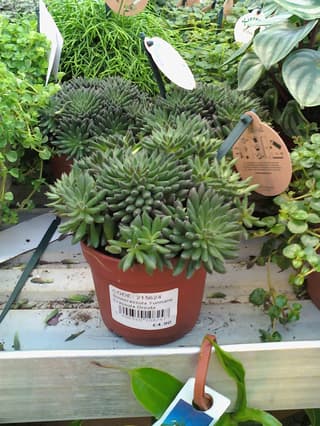
Chinese jade
Sinocrassula yunnanensis

Two-row Stonecrop
Sedum spurium
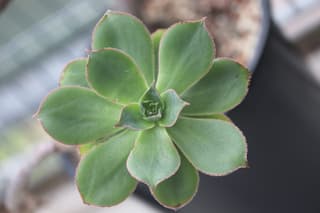
Green Pinwheel
Aeonium decorum
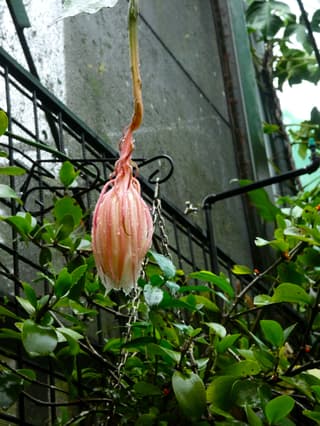
Orchid Cactus
Epiphyllum
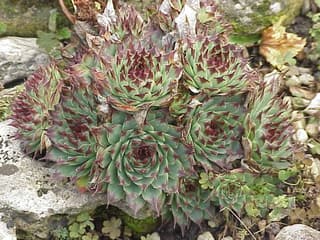
Limestone Houseleek
Sempervivum calcareum
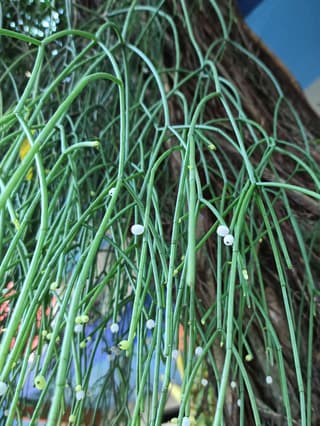
Mistletoe Cactus
Rhipsalis
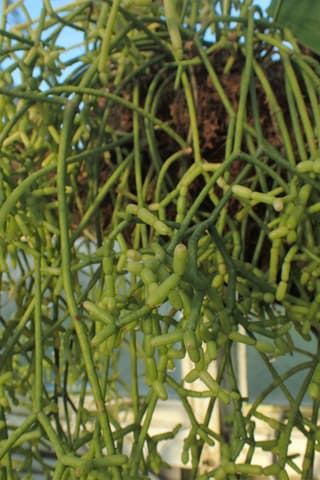
Rice Cactus
Rhipsalis cereuscula
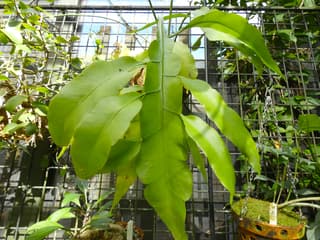
Queen of the Night
Epiphyllum oxypetalum
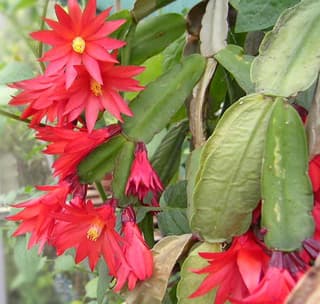
Easter Cactus
Hatiora gaertneri
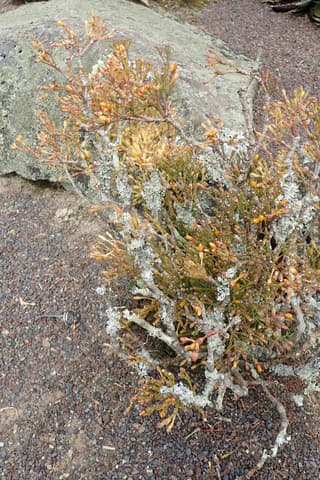
Dancing bones cactus
Hatiora salicornioides
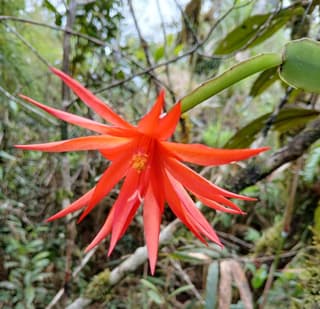
Easter Cactus
Rhipsalidopsis gaertneri
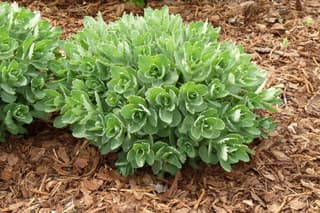
Showy Stonecrop
Hylotelephium spectabile
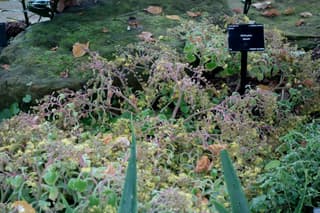
Tree of Love
Aichryson laxum
Ideal Succulents for Southern Asia's Climate
Southern Asia has an average temperature of 26.3°C and humidity of 58.3%, conditions that directly influence which succulents best adapt to the local environment.
How to Grow Succulents in Southern Asia
To successfully grow succulents in Southern Asia, consider that the average temperature of 26.3°C and humidity of 58.3% create a specific microclimate. Moderate humidity is favorable for most species in this category.
Advantages of Choosing Adapted Succulents
Succulents adapted to Southern Asia's climate show greater resistance, healthy growth, and less need for interventions.