Bloom
🌿

500 Best Pet Safe for Orimattila | 2026 Guide - Page 7

The 500 best pet safe to grow in Orimattila. Ideal climate: 5.8°C, 79.6% humidity.

🌡️ 5.8°C
💧 79.6%

500 Pet Safe for Orimattila

Showing 217-252 of 500
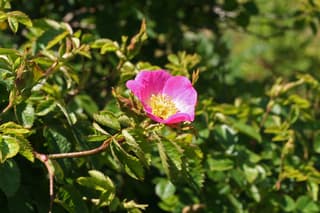
Sweet Briar
217
★ 80%

Sweet Briar

Rosa rubiginosa

Easy 💧 7 days 🌡️ -29°C - 38°C
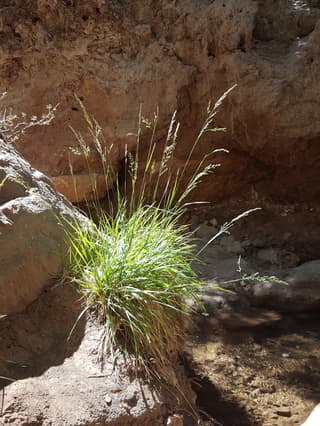
Tall Fescue
218
★ 80%

Tall Fescue

Lolium arundinaceum

Easy 💧 7 days 🌡️ -20°C - 35°C
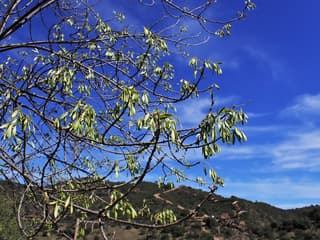
Narrow-leaved Ash
219
★ 80%

Narrow-leaved Ash

Fraxinus angustifolia
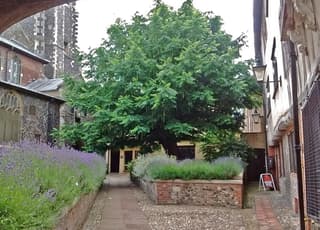
Medium 💧 10 days 🌡️ -20°C - 35°C
Caucasian Wingnut
220
★ 80%

Caucasian Wingnut

Pterocarya fraxinifolia
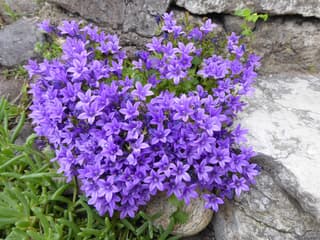
Medium 💧 7 days 🌡️ -20°C - 35°C
Dalmatian Bellflower
221
★ 80%

Dalmatian Bellflower

Campanula portenschlagiana

Easy 💧 3 days 🌡️ -15°C - 30°C
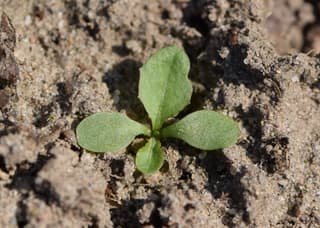
🌿
222
★ 80%

Speedwell

Veronica

Easy 💧 7 days 🌡️ -20°C - 35°C
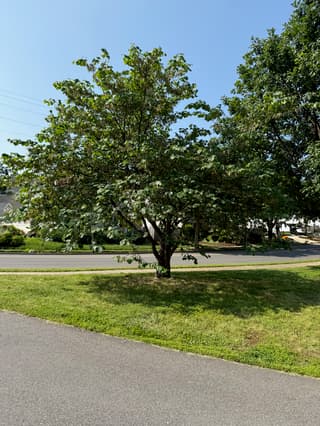
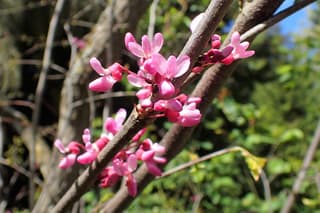
Eastern Redbud
223
★ 80%

Eastern Redbud

Cercis canadensis

Easy 💧 10 days 🌡️ -23°C - 35°C
Soapwort
224
★ 80%

Soapwort

Saponaria officinalis

Easy 💧 7 days 🌡️ -20°C - 35°C
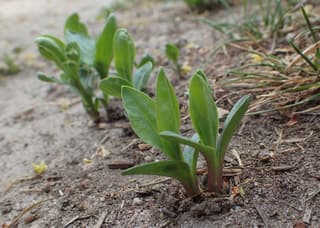
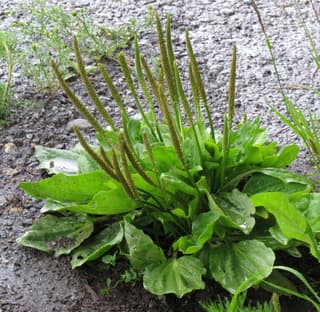
Broadleaf Plantain
225
★ 80%

Broadleaf Plantain

Plantago major

Easy 💧 7 days 🌡️ -28°C - 35°C
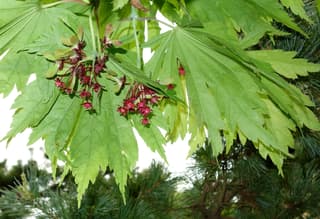
Fullmoon Maple
226
★ 80%

Fullmoon Maple

Acer japonicum

Medium 💧 7 days 🌡️ -20°C - 30°C
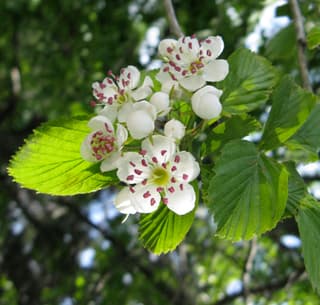
Dotted Hawthorn
227
★ 80%

Dotted Hawthorn

Crataegus punctata

Easy 💧 10 days 🌡️ -29°C - 35°C
Autumn Hawkbit
228
★ 80%

Autumn Hawkbit

Scorzoneroides autumnalis
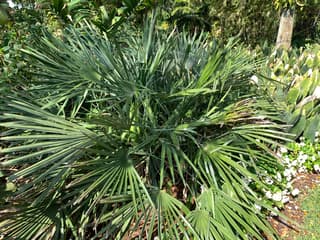
Easy 💧 9 days 🌡️ -20°C - 30°C
Needle Palm
229
★ 80%

Needle Palm

Rhapidophyllum hystrix

Medium 💧 10 days 🌡️ -20°C - 38°C
Japanese Spiraea
230
★ 80%

Japanese Spiraea

Spiraea japonica

Easy 💧 7 days 🌡️ -25°C - 35°C
Japanese Flowering Crabapple
231
★ 80%

Japanese Flowering Crabapple

Malus × floribunda
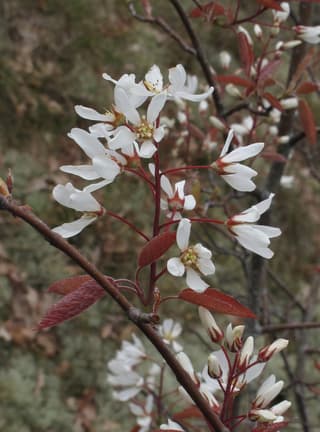
Medium 💧 7 days 🌡️ -30°C - 35°C
Serviceberry
232
★ 80%

Serviceberry

Amelanchier

Easy 💧 7 days 🌡️ -30°C - 35°C
Sycamore Maple
233
★ 80%

Sycamore Maple

Acer pseudoplatanus

Easy 💧 14 days 🌡️ -30°C - 35°C
Giant Sequoia
234
★ 80%

Giant Sequoia

Sequoiadendron giganteum
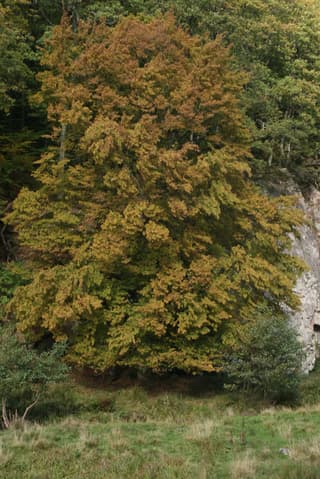
Medium 💧 30 days 🌡️ -20°C - 35°C
European Hornbeam
235
★ 80%

European Hornbeam

Carpinus betulus

Easy 💧 7 days 🌡️ -25°C - 35°C
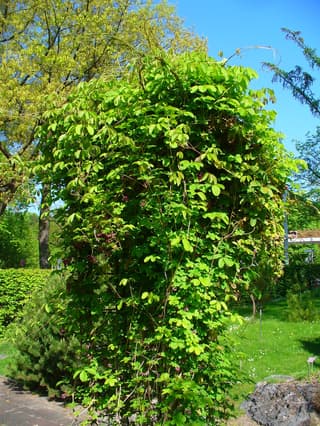
Chocolate Vine
236
★ 80%

Chocolate Vine

Akebia quinata

Easy 💧 7 days 🌡️ -29°C - 35°C
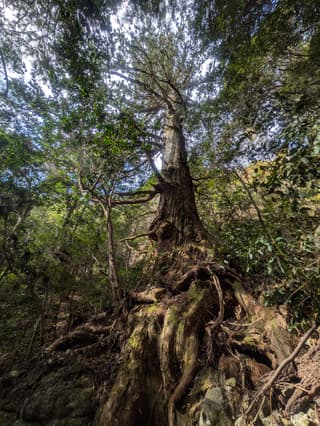
Japanese Cedar
237
★ 80%

Japanese Cedar

Cryptomeria japonica

Medium 💧 7 days 🌡️ -20°C - 35°C
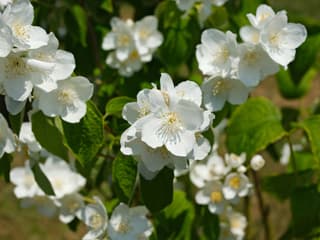
Scentless Mock Orange
238
★ 80%

Scentless Mock Orange

Philadelphus inodorus
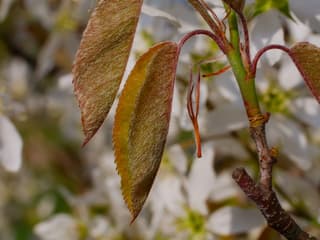
Easy 💧 7 days 🌡️ -30°C - 35°C
Juneberry
239
★ 80%

Juneberry

Amelanchier × lamarckii

Easy 💧 7 days 🌡️ -30°C - 35°C
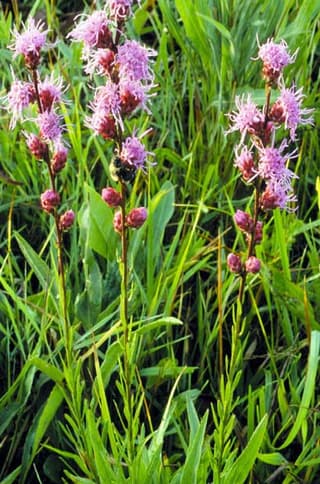
Rough Blazing Star
240
★ 80%

Rough Blazing Star

Liatris aspera

Easy 💧 10 days 🌡️ -35°C - 38°C
Chinese Redbud
241
★ 80%

Chinese Redbud

Cercis chinensis

Medium 💧 7 days 🌡️ -20°C - 35°C
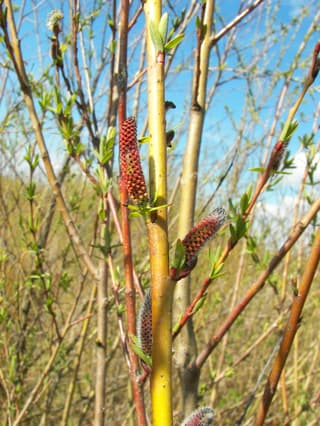
Purple Willow
242
★ 80%

Purple Willow

Salix purpurea

Easy 💧 3 days 🌡️ -30°C - 35°C
European Ash
243
★ 80%

European Ash

Fraxinus excelsior

Medium 💧 12 days 🌡️ -25°C - 35°C
Siberian Elm
244
★ 80%

Siberian Elm

Ulmus pumila

Easy 💧 10 days 🌡️ -34°C - 40°C
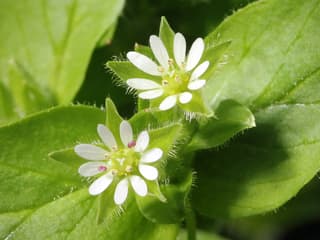
Chickweed
245
★ 80%

Chickweed

Stellaria media

Easy 💧 3 days 🌡️ -10°C - 25°C
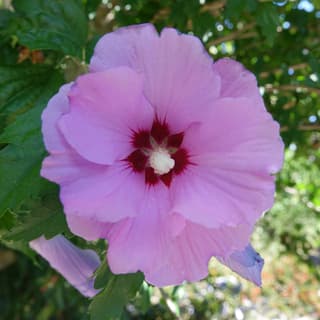
Rose of Sharon
246
★ 80%

Rose of Sharon

Hibiscus syriacus

Easy 💧 7 days 🌡️ -29°C - 38°C
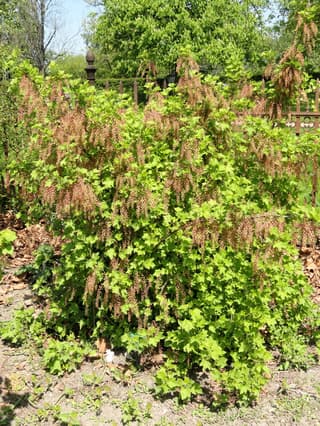
Downy Currant
247
★ 80%

Downy Currant

Ribes spicatum

Easy 💧 7 days 🌡️ -20°C - 30°C
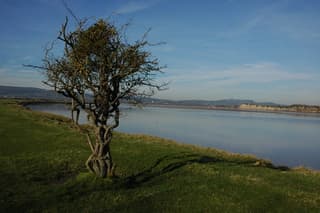
Hawthorn
248
★ 80%

Hawthorn

Crataegus

Easy 💧 7 days 🌡️ -30°C - 35°C
Cornelian Cherry
249
★ 80%

Cornelian Cherry

Cornus mas

Easy 💧 10 days 🌡️ -25°C - 35°C
Creeping Thistle
250
★ 80%

Creeping Thistle

Cirsium arvense

Easy 💧 14 days 🌡️ -30°C - 35°C
Southern Catalpa
251
★ 80%

Southern Catalpa

Catalpa bignonioides
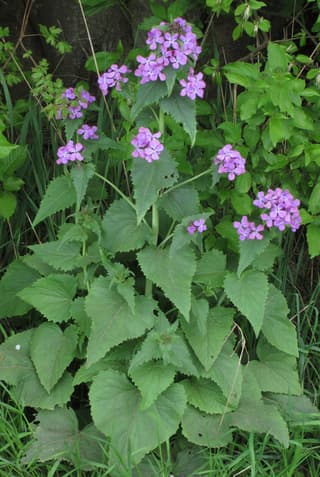
Easy 💧 7 days 🌡️ -20°C - 38°C
Honesty
252
★ 80%

Honesty

Lunaria annua

Easy 💧 7 days 🌡️ -25°C - 30°C

Ideal Pet Safe for Orimattila's Climate

Orimattila has an average temperature of 5.8°C and humidity of 79.6%, conditions that directly influence which pet safe best adapt to the local environment.

How to Grow Pet Safe in Orimattila

To successfully grow pet safe in Orimattila, consider that the average temperature of 5.8°C and humidity of 79.6% create a specific microclimate. High humidity favors tropical species, but requires attention to ventilation to prevent fungal issues.

Advantages of Choosing Adapted Pet Safe

Pet Safe adapted to Orimattila's climate show greater resistance, healthy growth, and less need for interventions.