500 Best Pet Safe for Park County | 2026 Guide - Page 14
The 500 best pet safe to grow in Park County. Ideal climate: 5.9°C, 60.4% humidity.
500 Pet Safe for Park County
Showing 469-500 of 500
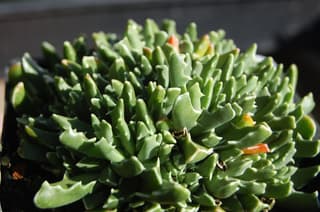
Tiger's Jaws
Faucaria bosscheana
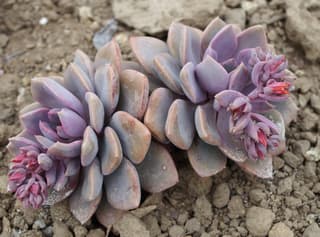
Graptoveria
× Graptoveria
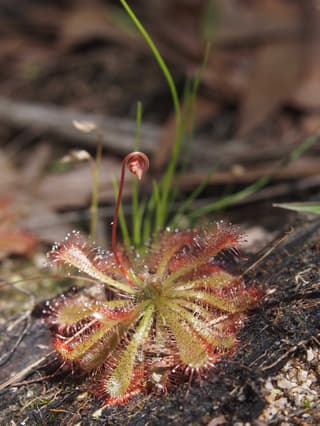
Spoon-leaved sundew
Drosera spatulata
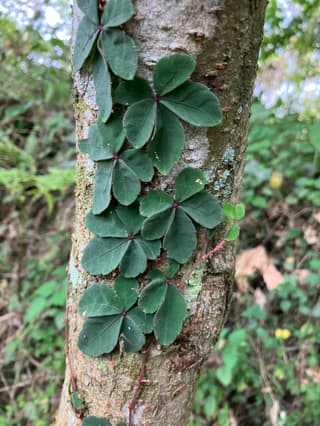
Lizard Vine
Tetrastigma obtectum
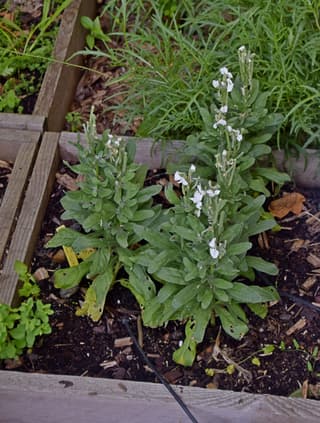
Stock
Matthiola
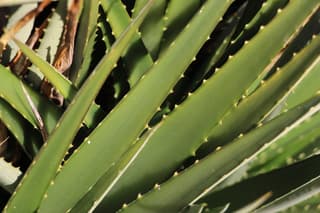
Sawblade Dyckia
Dyckia brevifolia
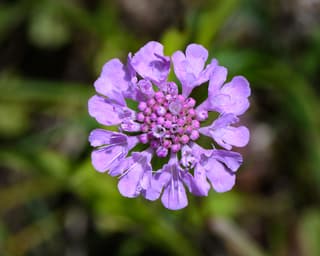
Pigeon Scabious
Scabiosa columbaria
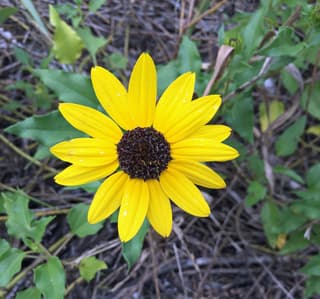
Beach Sunflower
Helianthus debilis

Moroccan Daisy
Rhodanthemum hosmariense
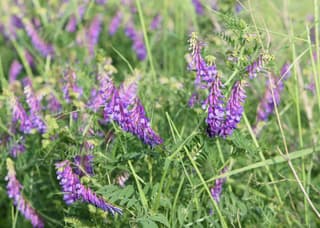
Vetch
Vicia
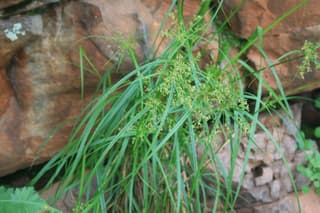
Tiger Nut
Cyperus esculentus
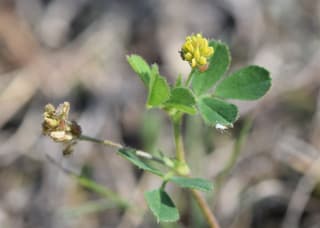
Black Medick
Medicago lupulina

Maple
Acer
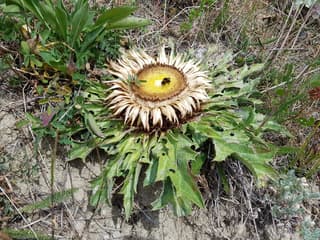
Acanthus-leaved carline thistle
Carlina acanthifolia
Cedar Cup
Geopora sumneriana
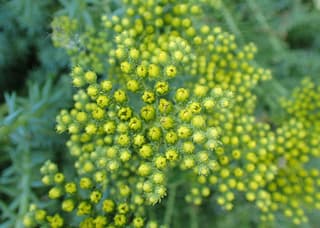
Stonecrop
Petrosedum
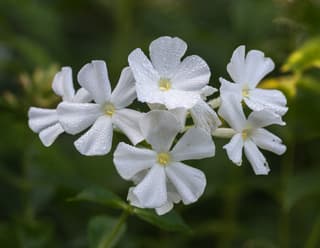
Garden Phlox
Phlox paniculata
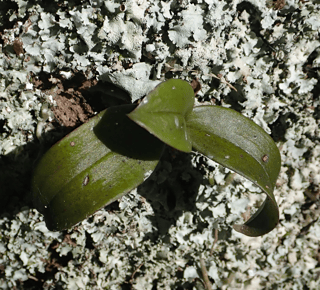
Green Fleshy Tree Orchid
Drymoanthus adversus
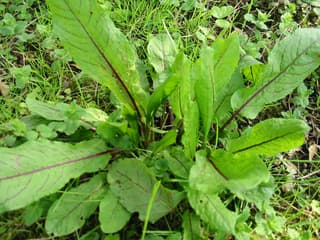
Bloody dock
Rumex sanguineus
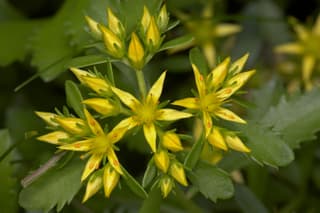
Orange Stonecrop
Sedum kamtschaticum
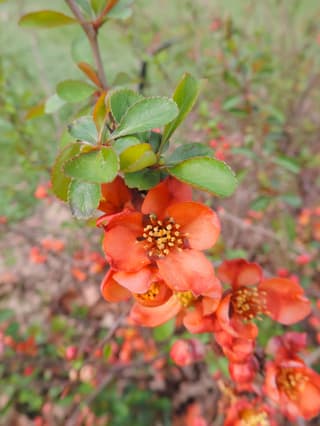
Maule's Quince
Chaenomeles japonica
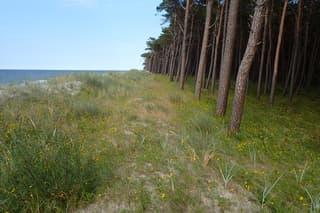
Narrowleaf Hawkweed
Hieracium umbellatum
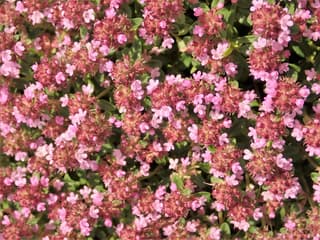
Wild Thyme
Thymus serpyllum
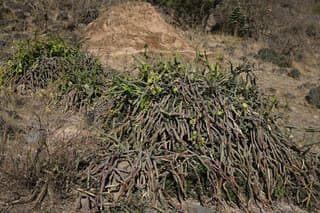
Veldt Grape
Cissus quadrangularis
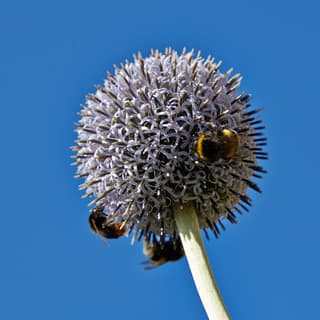
Blue globe thistle
Echinops bannaticus
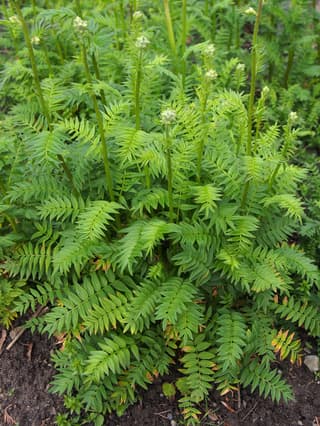
Jacob's ladder
Polemonium caeruleum
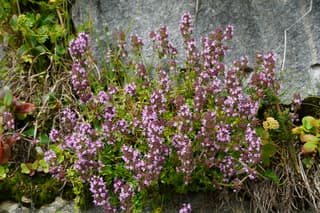
Thyme
Thymus
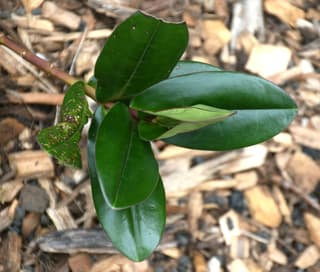
New Zealand Hebe
Veronica speciosa
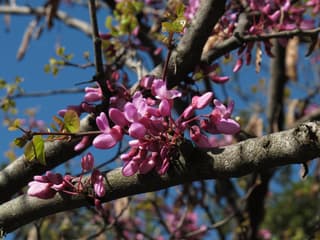
Judas tree
Cercis siliquastrum
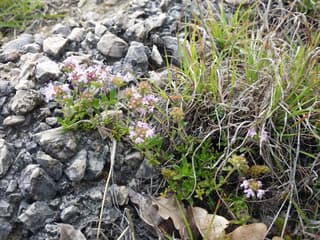
Mediterranean Thyme
Thymus longicaulis
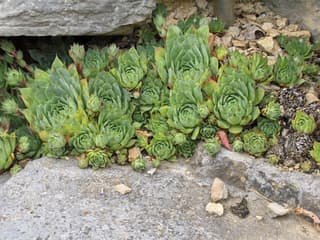
Common Houseleek
Sempervivum tectorum
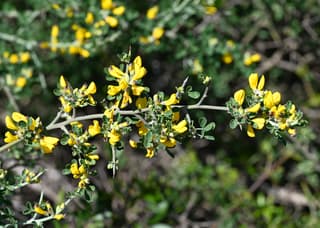
Hairy Thorny Broom
Calicotome villosa
Ideal Pet Safe for Park County's Climate
Park County has an average temperature of 5.9°C and humidity of 60.4%, conditions that directly influence which pet safe best adapt to the local environment.
How to Grow Pet Safe in Park County
To successfully grow pet safe in Park County, consider that the average temperature of 5.9°C and humidity of 60.4% create a specific microclimate. Moderate humidity is favorable for most species in this category.
Advantages of Choosing Adapted Pet Safe
Pet Safe adapted to Park County's climate show greater resistance, healthy growth, and less need for interventions.