500 Best Plants for Pittville No. 169 | 2026 Guide - Page 5
Discover the 500 ideal plants for Pittville No. 169's climate. Average temp: 6.6°C, Humidity: 66.3%.
Top 500 Plants for Pittville No. 169
Showing 145-180 of 500
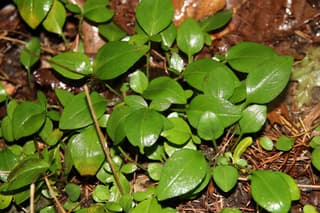
Shrubby St. John's Wort
Hypericum prolificum
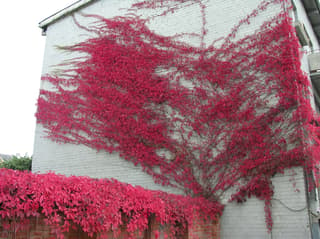
Woodbine
Parthenocissus
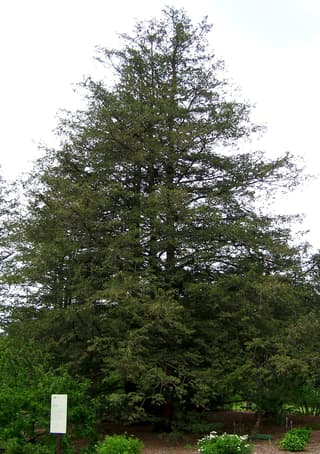
Sawara cypress
Chamaecyparis pisifera
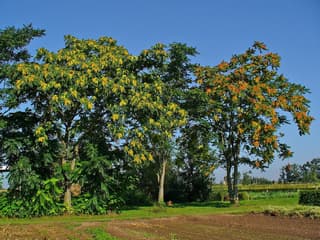
Tree of Heaven
Ailanthus
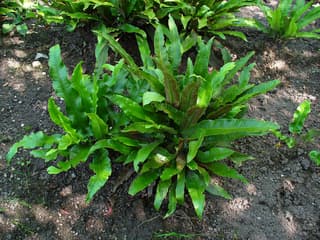
Hart's-tongue Fern
Asplenium scolopendrium
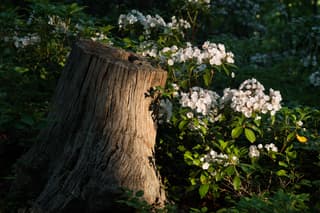
Mountain Laurel
Kalmia
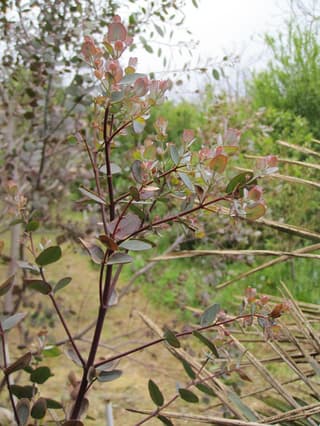
Cider Gum
Eucalyptus gunnii
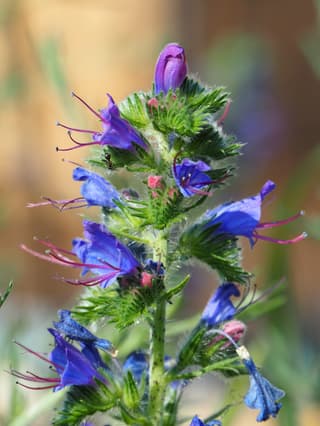
Viper's Bugloss
Echium vulgare
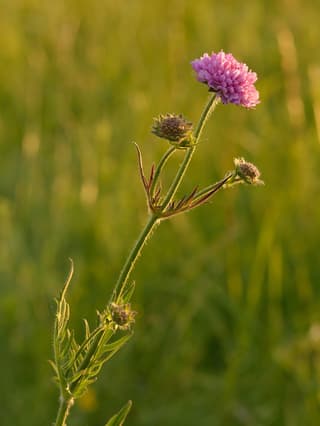
Field Scabious
Knautia arvensis
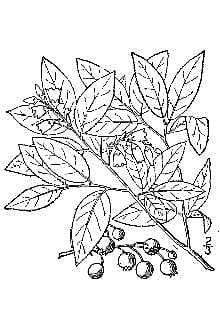
Hillside Blueberry
Vaccinium pallidum
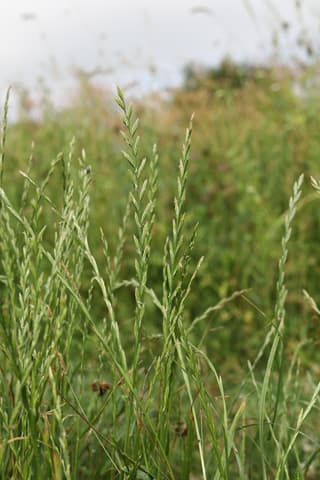
Perennial ryegrass
Lolium perenne
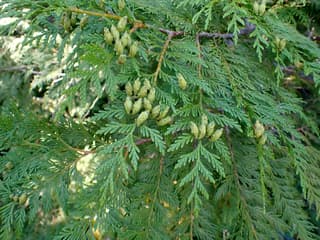
Western Red Cedar
Thuja plicata
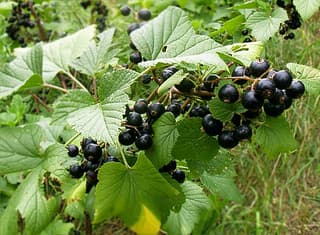
Blackcurrant
Ribes nigrum
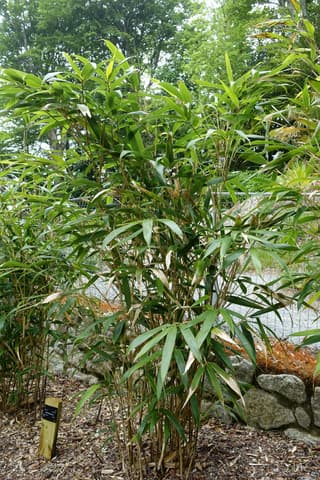
Arrow Bamboo
Pseudosasa japonica
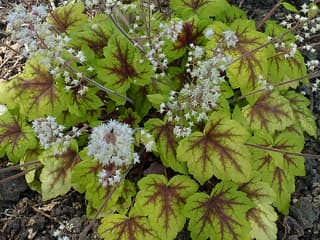
Foamy Bells
Heucherella
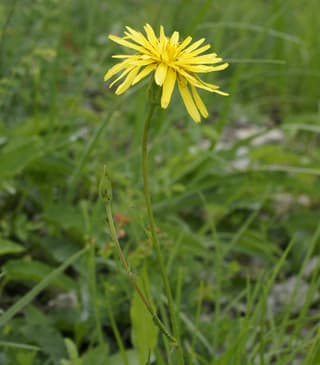
Black Salsify
Scorzonera
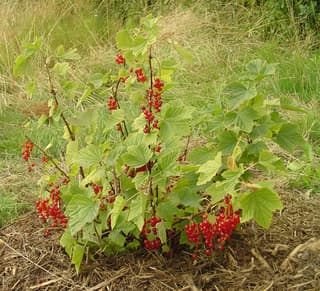
Redcurrant
Ribes rubrum
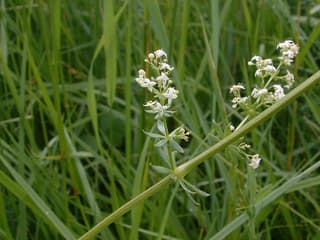
Hedge Bedstraw
Galium mollugo
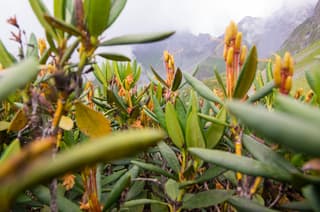
Caucasian Snow Rose
Rhododendron caucasicum
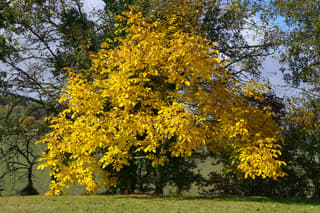
English walnut
Juglans regia
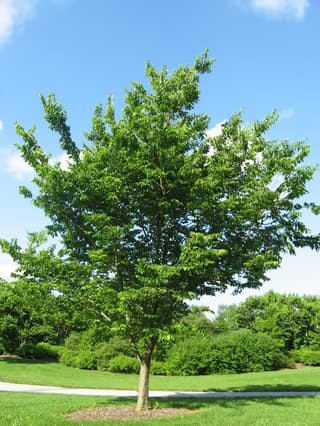
Common hackberry
Celtis occidentalis
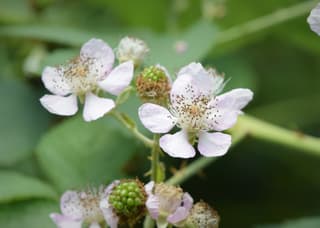
Himalayan Blackberry
Rubus armeniacus
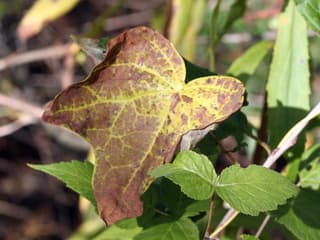
Moonseed
Menispermum canadense
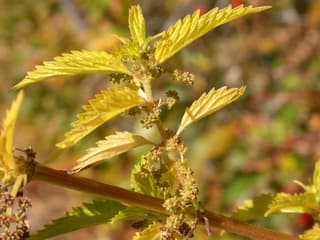
Slender Stinging Nettle
Urtica gracilis
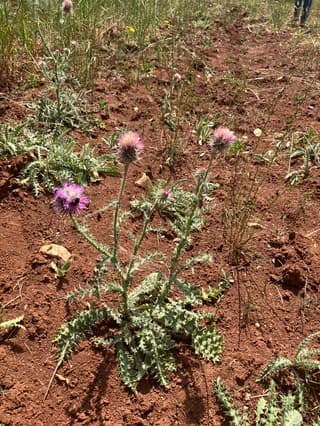
Musk Thistle
Carduus nutans
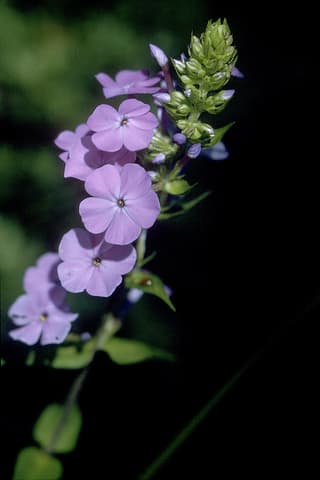
Wild Sweet William
Phlox maculata
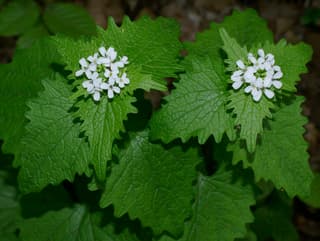
Garlic Mustard
Alliaria petiolata
Carolina rose
Rosa carolina
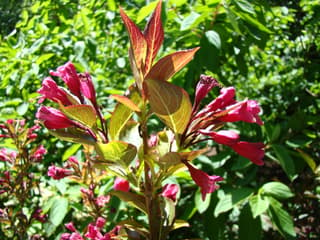
Old Fashioned Weigela
Weigela florida
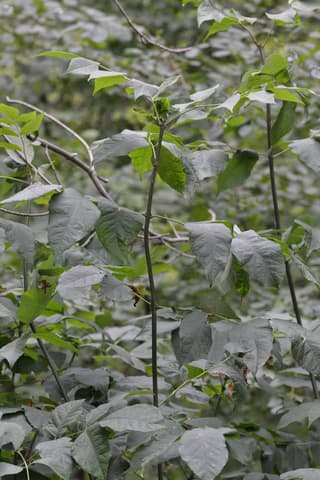
Green Ash
Fraxinus pennsylvanica
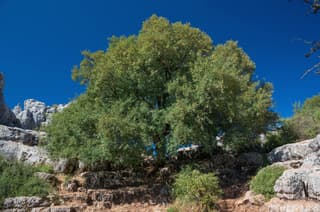
Montpellier maple
Acer monspessulanum
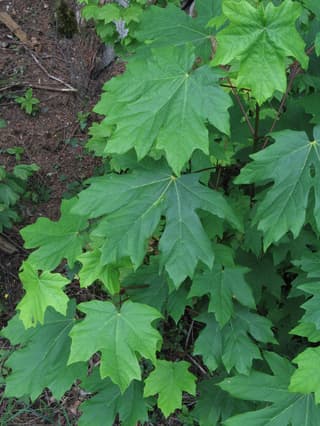
Bigleaf maple
Acer macrophyllum
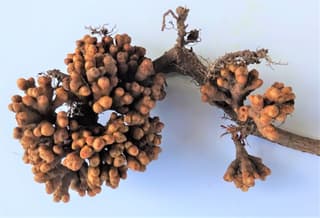
Alder
Alnus
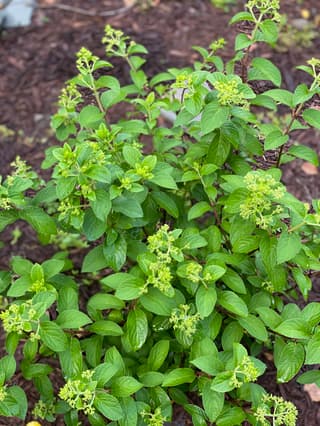
Mountain Hydrangea
Hydrangea serrata
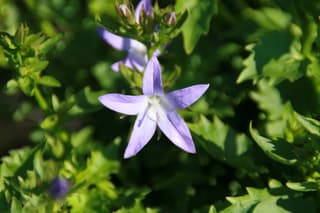
Serbian Bellflower
Campanula poscharskyana
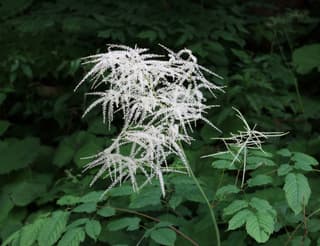
Goat's Beard
Aruncus dioicus
Pittville No. 169 Climate for Plant Growing
Pittville No. 169 has a climate with an average annual temperature of 6.6°C and average relative humidity of 66.3%. These climate conditions are ideal for various species of ornamental and fruit plants.
Tips for Growing Plants in Pittville No. 169
To succeed in growing plants in Pittville No. 169, consider the average temperature of 6.6°C when choosing your species. Protect cold-sensitive plants during winter. Moderate humidity is ideal for most plants.
Why Choose Plants Adapted to the Local Climate?
Plants adapted to Pittville No. 169's climate require less care, consume less water, and are more likely to thrive. Our selection considers the compatibility between each species' needs and local climate conditions, including temperature (6.6°C) and humidity (66.3%).