500 Best Plants for Polk County | 2026 Guide - Page 7
Discover the 500 ideal plants for Polk County's climate. Average temp: 23.3°C, Humidity: 74.2%.
Top 500 Plants for Polk County
Showing 217-252 of 500
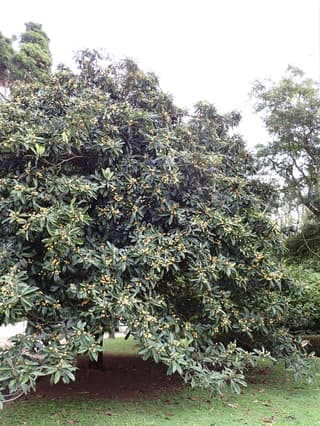
Loquat
Rhaphiolepis bibas
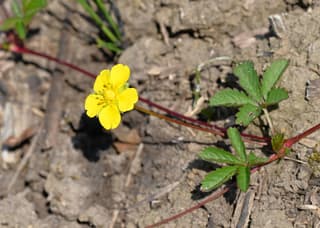
Creeping Cinquefoil
Potentilla reptans
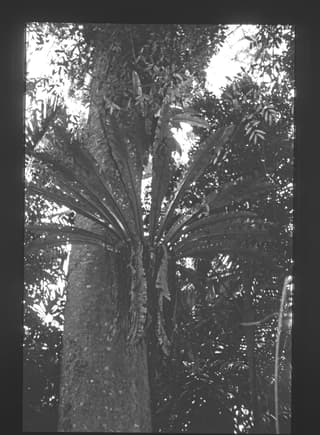
Birds Nest Fern
Asplenium australasicum
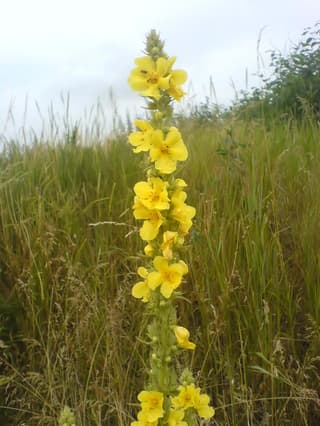
Denseflower Mullein
Verbascum densiflorum
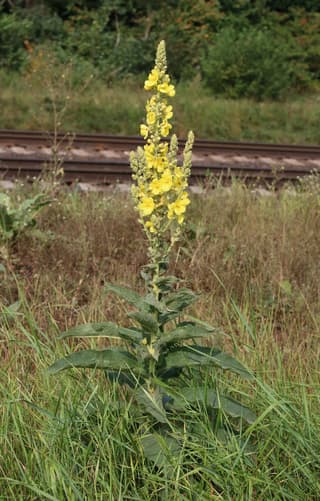
Orange Mullein
Verbascum phlomoides
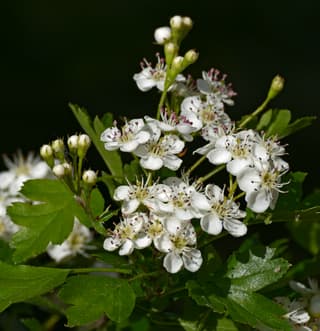
Common Hawthorn
Crataegus monogyna
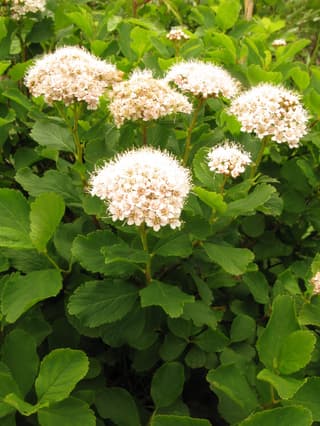
Birchleaf Spirea
Spiraea betulifolia

Dove's-foot Crane's-bill
Geranium molle
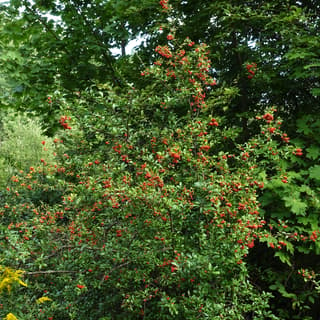
Scarlet Firethorn
Pyracantha coccinea
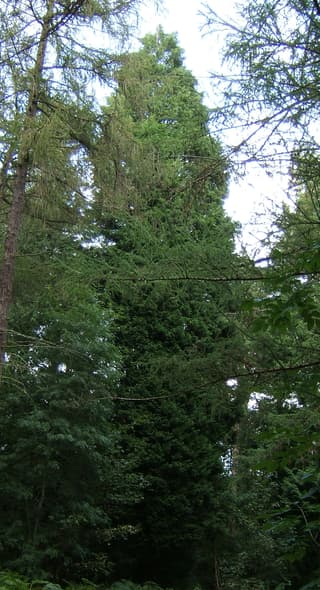
Leyland Cypress
× Hesperotropsis leylandii
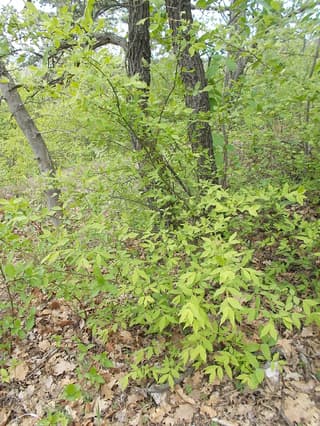
Common Dogwood
Cornus sanguinea
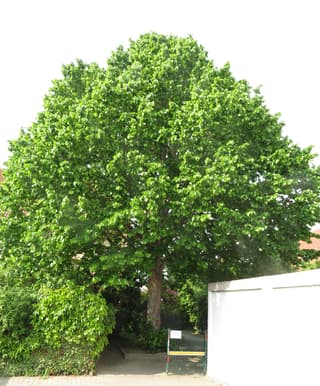
Common Hazel
Corylus avellana
Maritime sunburst lichen
Xanthoria parietina
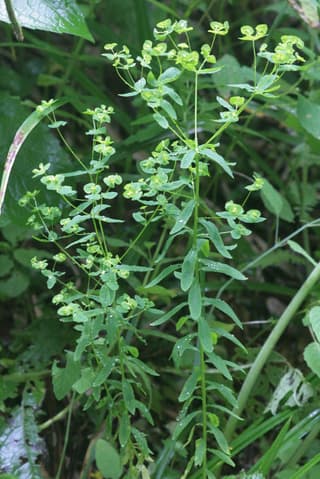
Upright Spurge
Euphorbia stricta
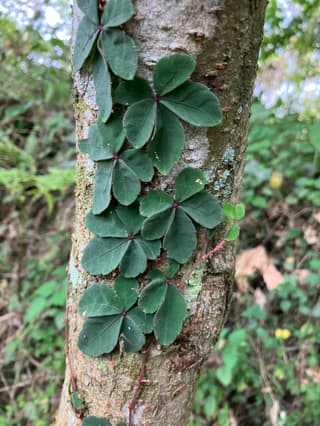
Lizard Vine
Tetrastigma obtectum
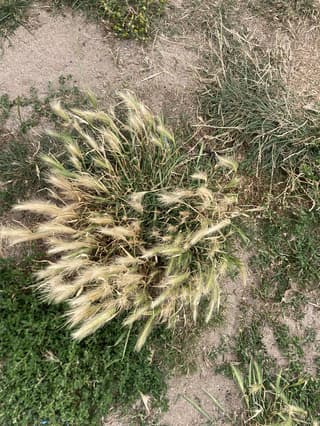
Wall barley
Hordeum murinum
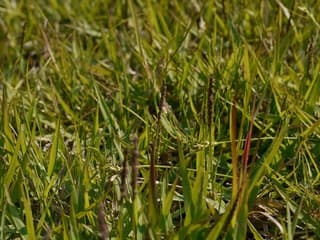
Zoysia Grass
Zoysia japonica

Muriel's Bamboo
Fargesia murielae

Silver Birch
Betula pendula
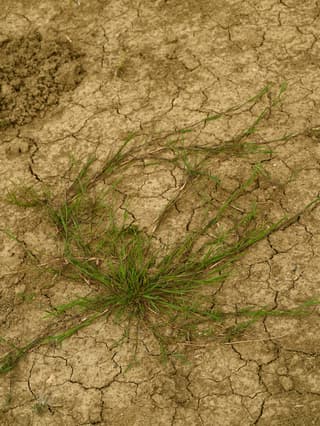
Creeping bentgrass
Agrostis stolonifera
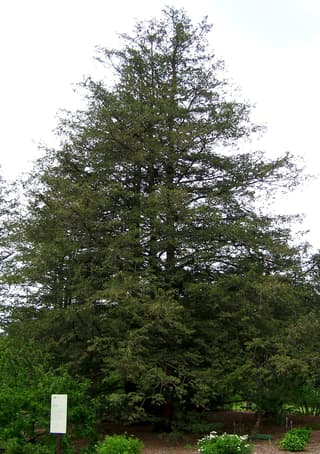
Sawara cypress
Chamaecyparis pisifera
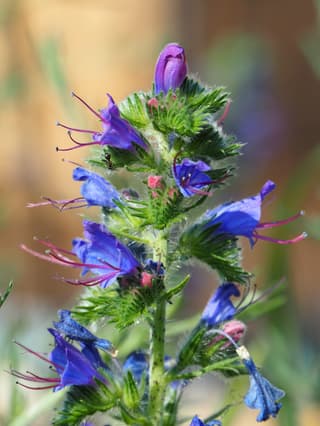
Viper's Bugloss
Echium vulgare
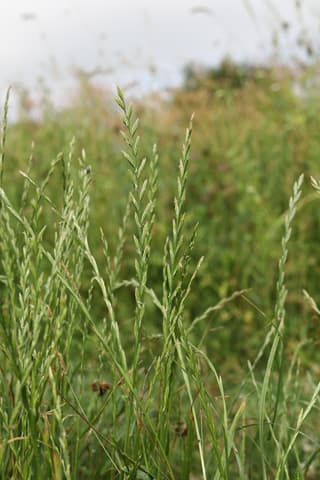
Perennial ryegrass
Lolium perenne
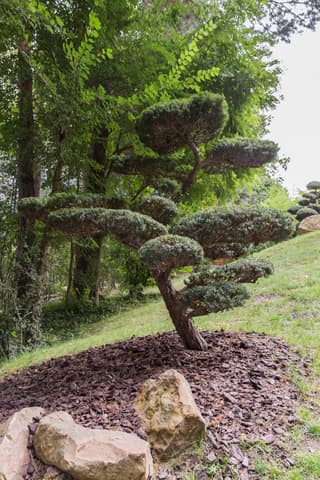
English Yew
Taxus baccata
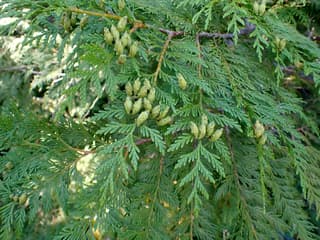
Western Red Cedar
Thuja plicata
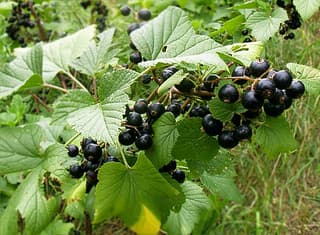
Blackcurrant
Ribes nigrum
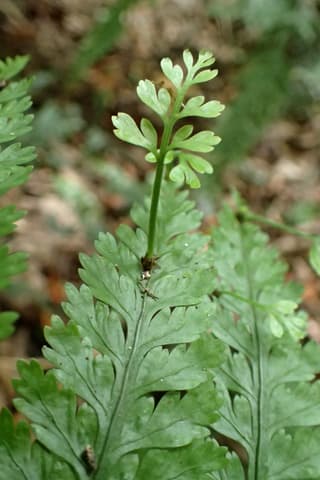
Hen and Chickens Fern
Asplenium bulbiferum
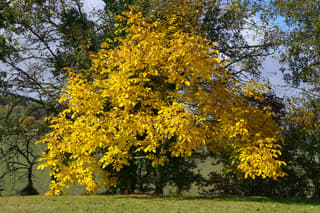
English walnut
Juglans regia
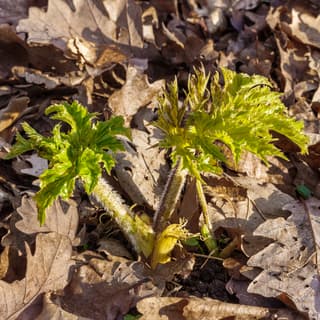
Common Hogweed
Heracleum
Maqui Berry
Aristotelia chilensis
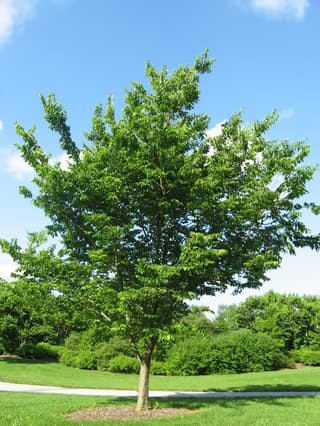
Common hackberry
Celtis occidentalis
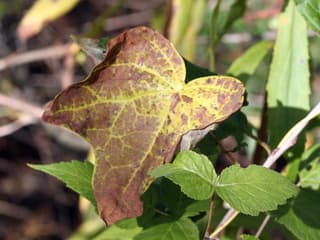
Moonseed
Menispermum canadense
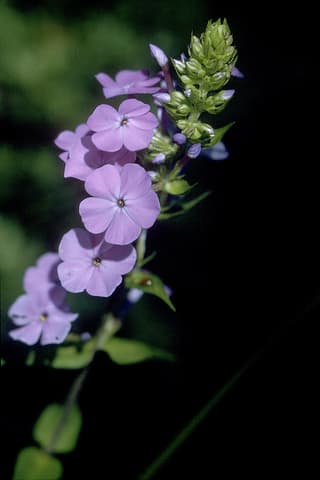
Wild Sweet William
Phlox maculata
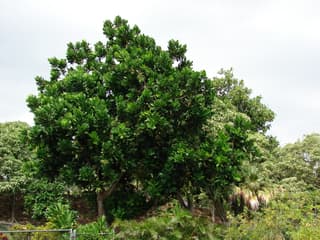
Fish Poison Tree
Barringtonia asiatica
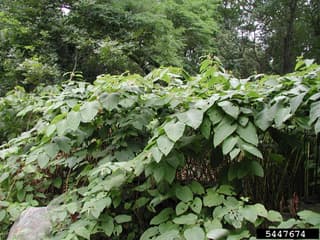
Giant Knotweed
Reynoutria sachalinensis
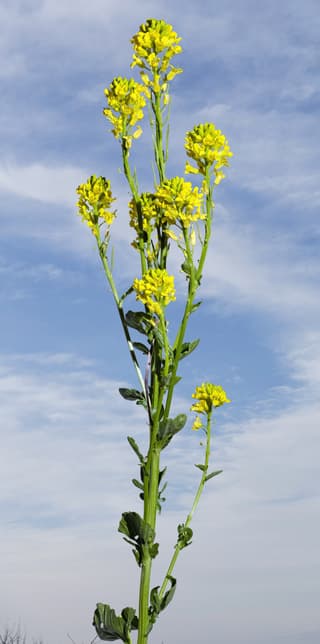
Wintercress
Barbarea vulgaris
Polk County Climate for Plant Growing
Polk County has a climate with an average annual temperature of 23.3°C and average relative humidity of 74.2%. These climate conditions are ideal for various species of ornamental and fruit plants.
Tips for Growing Plants in Polk County
To succeed in growing plants in Polk County, consider the average temperature of 23.3°C when choosing your species. The temperate climate allows you to grow a wide variety of species. High humidity favors tropical plants, but watch for fungal issues.
Why Choose Plants Adapted to the Local Climate?
Plants adapted to Polk County's climate require less care, consume less water, and are more likely to thrive. Our selection considers the compatibility between each species' needs and local climate conditions, including temperature (23.3°C) and humidity (74.2%).