500 Best Plants for Porto Belo | 2026 Guide - Page 8
Discover the 500 ideal plants for Porto Belo's climate. Average temp: 20.9°C, Humidity: 83.9%.
Top 500 Plants for Porto Belo
Showing 253-288 of 500
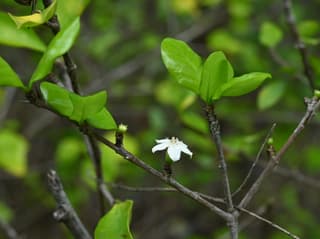
White Indigoberry
Randia aculeata
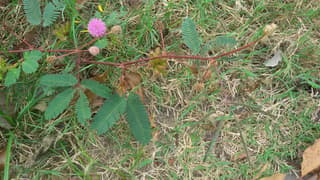
Sensitive Plant
Mimosa pudica
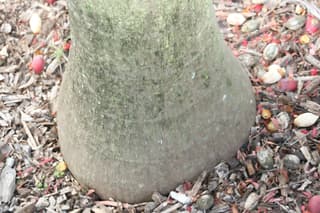
Montgomery Palm
Veitchia arecina
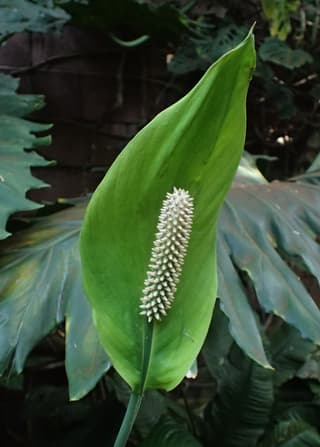
Peace Lily
Spathiphyllum blandum
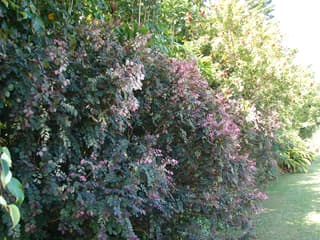
Snowbush
Breynia disticha
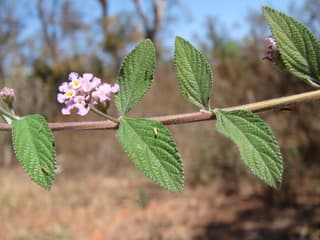
Bushy Lippia
Lippia alba
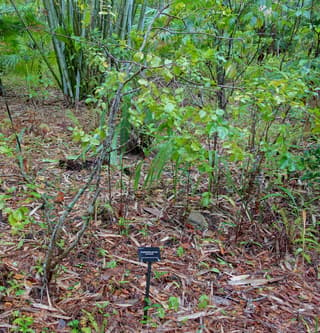
Black Ironwood
Krugiodendron ferreum
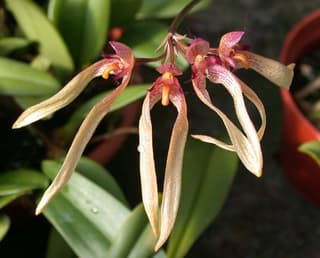
Pale Umbrella Orchid
Bulbophyllum longiflorum
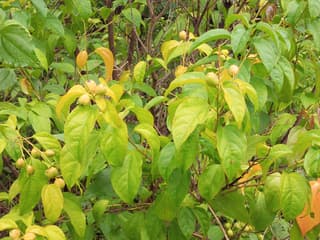
Croton
Croton
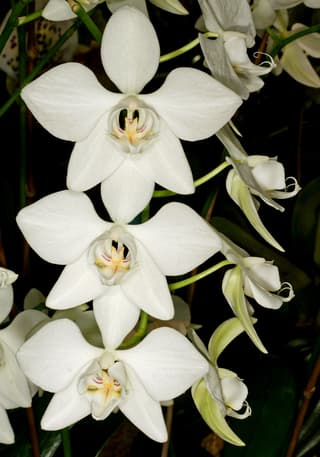
Moth Orchid
Phalaenopsis aphrodite
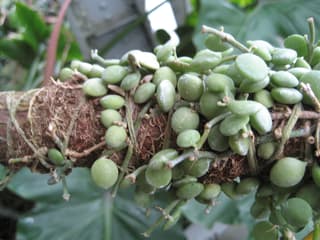
String of Nickels
Dischidia nummularia
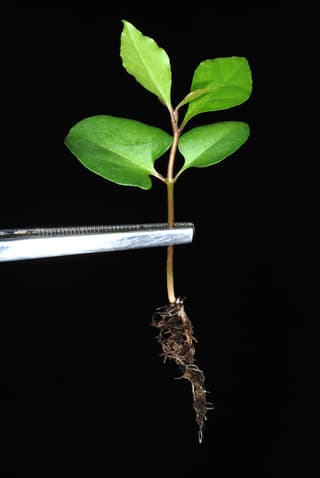
Pull-and-hold
Pisonia aculeata
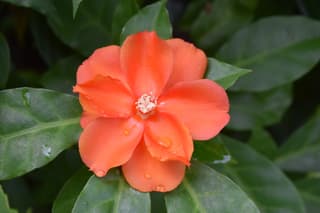
Leaf Cactus
Leuenbergeria
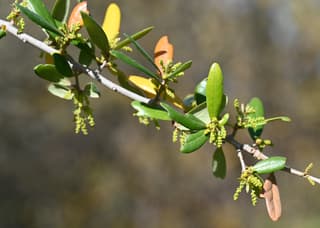
Southern Live Oak
Quercus virginiana
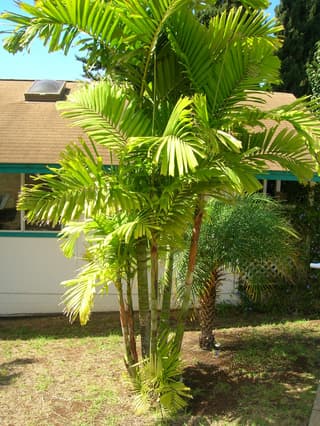
Macarthur Palm
Ptychosperma macarthurii
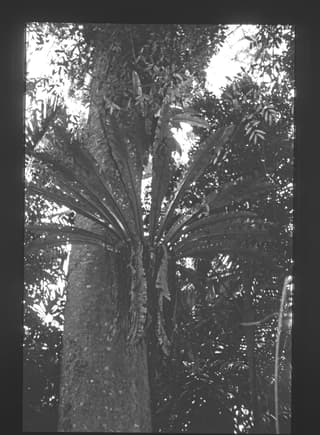
Birds Nest Fern
Asplenium australasicum
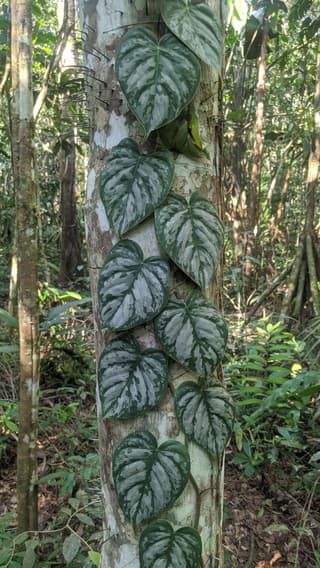
Silver Leaf Philodendron
Philodendron brandtianum
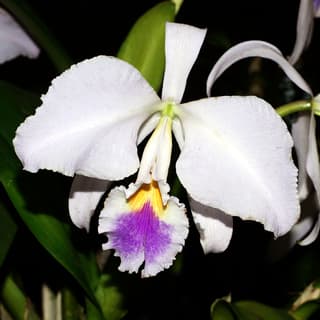
Mendel's Cattleya
Cattleya mendelii
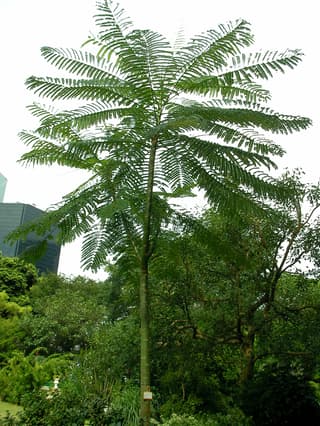
Brazilian Firetree
Schizolobium parahyba
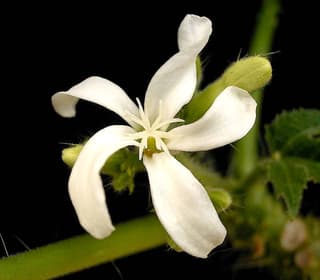
Bull Nettle
Cnidoscolus
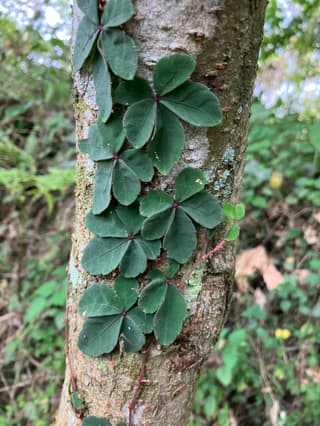
Lizard Vine
Tetrastigma obtectum
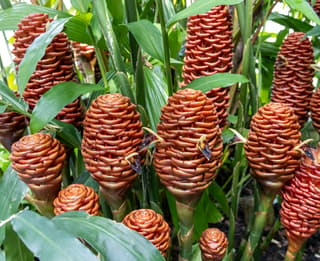
Ginger
Zingiber
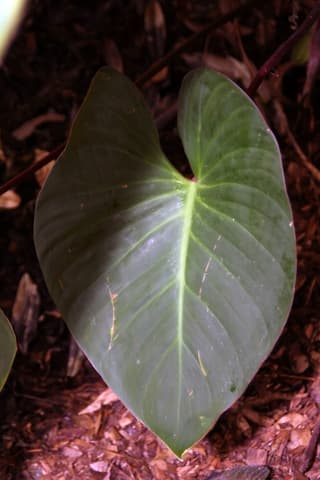
Homalomena
Homalomena
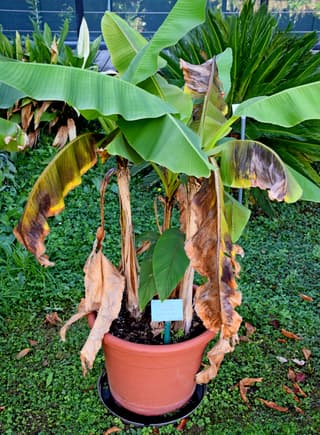
Japanese Banana
Musa basjoo
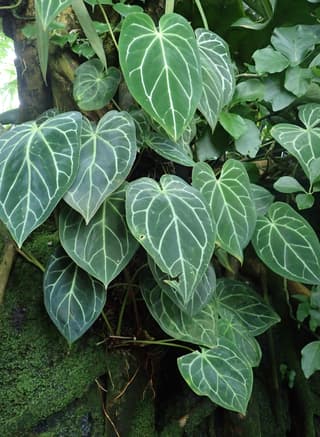
Magnificent Anthurium
Anthurium magnificum
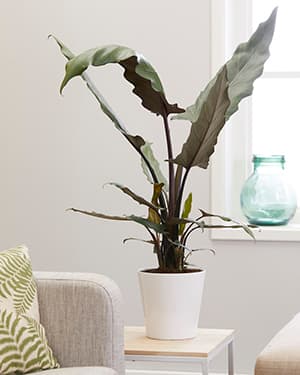
Purple Sword
Alocasia lauterbachiana
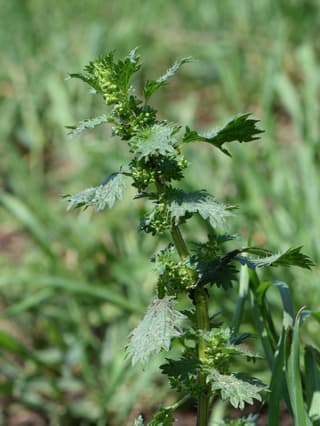
Small Nettle
Urtica urens
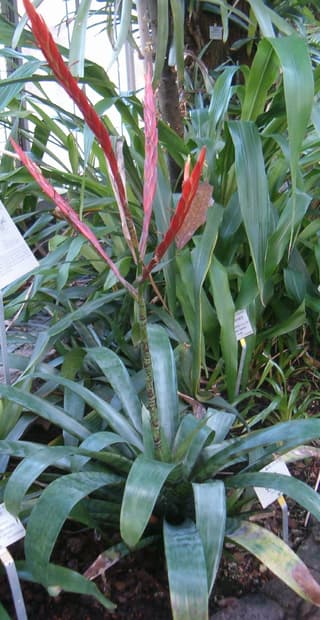
Flaming Sword Bromeliad
Lutheria
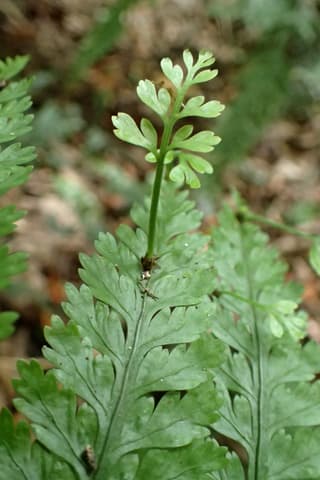
Hen and Chickens Fern
Asplenium bulbiferum
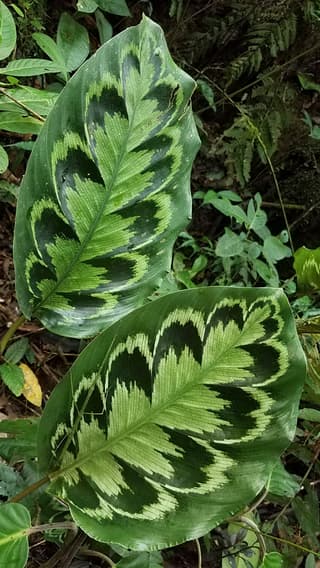
Medallion Calathea
Goeppertia veitchiana
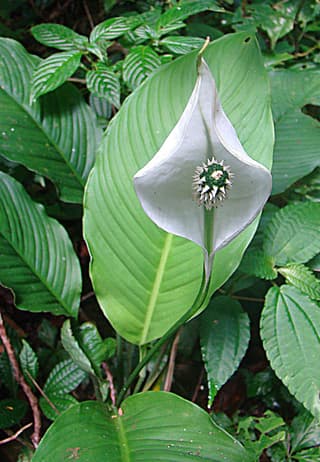
Peace Lily
Spathiphyllum wendlandii
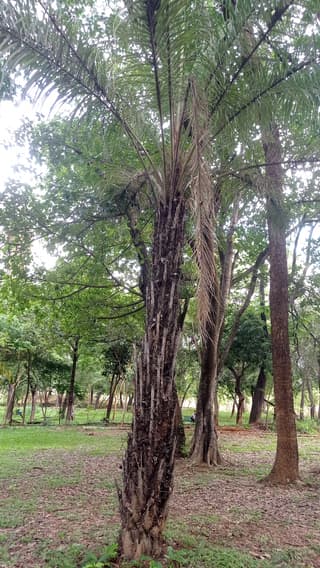
Macaw Palm
Acrocomia aculeata
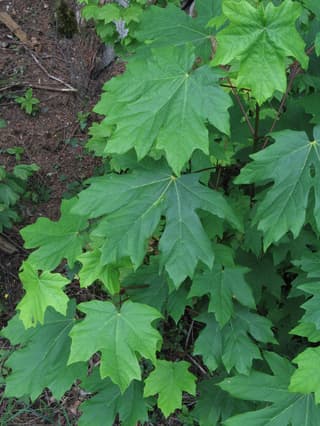
Bigleaf maple
Acer macrophyllum
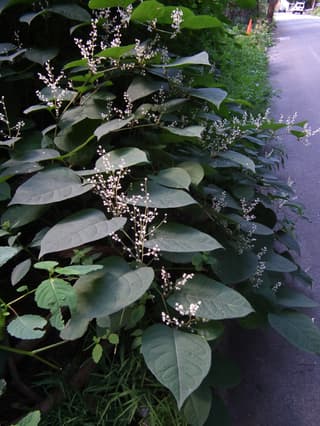
Bohemian knotweed
Reynoutria × bohemica
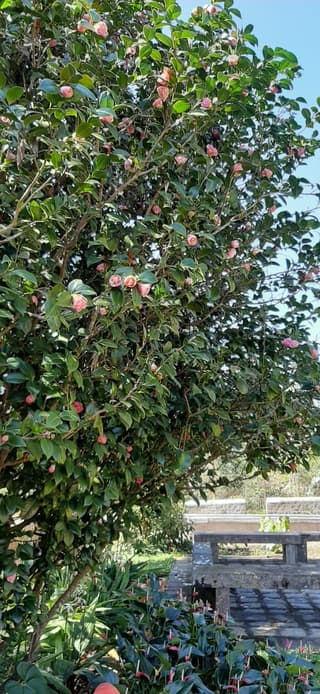
Sasanqua Camellia
Camellia sasanqua
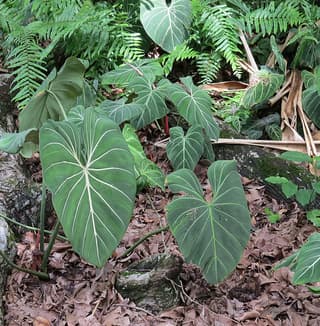
Philodendron Gloriosum
Philodendron gloriosum
Porto Belo Climate for Plant Growing
Porto Belo has a climate with an average annual temperature of 20.9°C and average relative humidity of 83.9%. These climate conditions are ideal for various species of ornamental and fruit plants.
Tips for Growing Plants in Porto Belo
To succeed in growing plants in Porto Belo, consider the average temperature of 20.9°C when choosing your species. The temperate climate allows you to grow a wide variety of species. High humidity favors tropical plants, but watch for fungal issues.
Why Choose Plants Adapted to the Local Climate?
Plants adapted to Porto Belo's climate require less care, consume less water, and are more likely to thrive. Our selection considers the compatibility between each species' needs and local climate conditions, including temperature (20.9°C) and humidity (83.9%).