500 Best Easy Care for Saint-Martin-Boulogne | 2026 Guide - Page 10
The 500 best easy care to grow in Saint-Martin-Boulogne. Ideal climate: 12.2°C, 80.8% humidity.
500 Easy Care for Saint-Martin-Boulogne
Showing 325-360 of 500
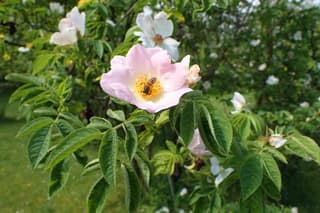
Corymb rose
Rosa corymbifera
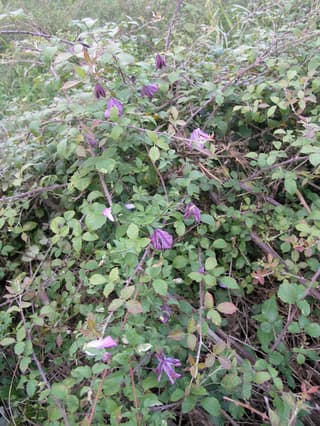
Italian Clematis
Clematis viticella
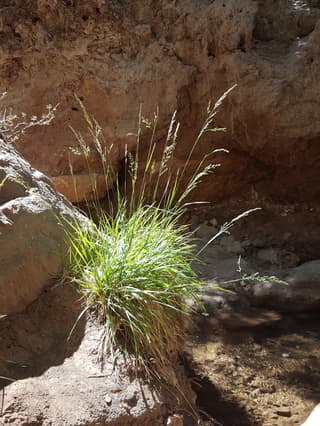
Tall Fescue
Lolium arundinaceum
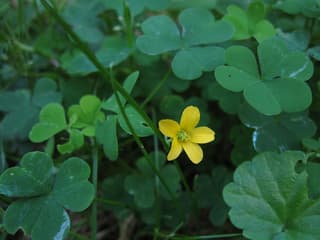
Common Yellow Woodsorrel
Oxalis stricta
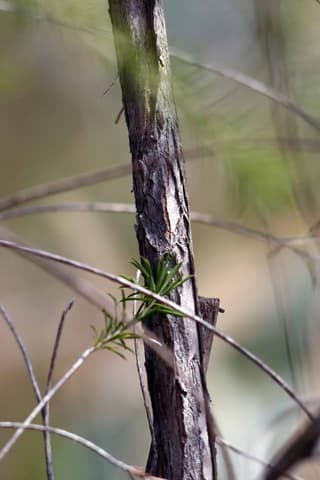
Bracelet Honey Myrtle
Melaleuca armillaris
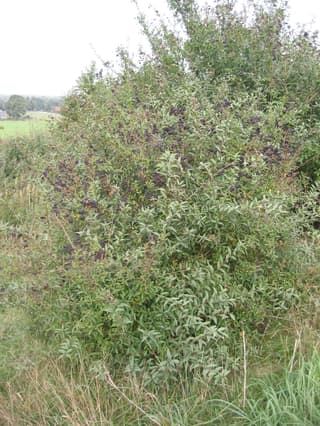
Common Privet
Ligustrum vulgare
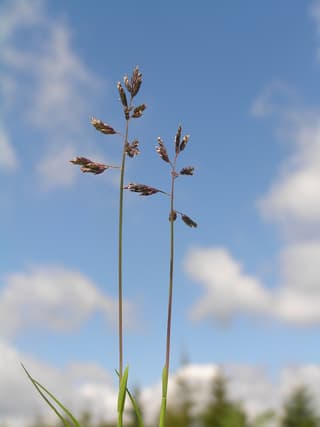
Supine bluegrass
Poa supina
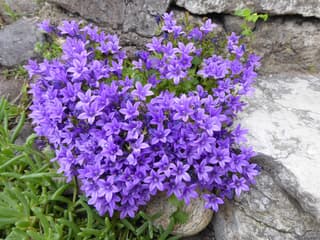
Dalmatian Bellflower
Campanula portenschlagiana
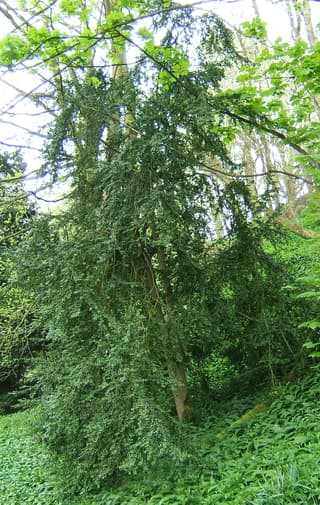
Common boxwood
Buxus sempervirens
Speedwell
Veronica
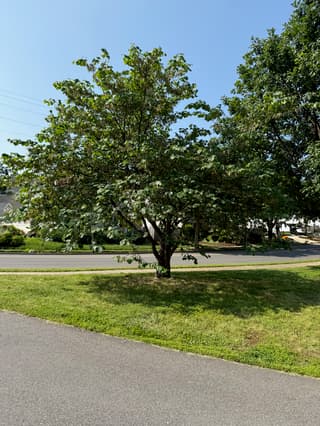
Eastern Redbud
Cercis canadensis
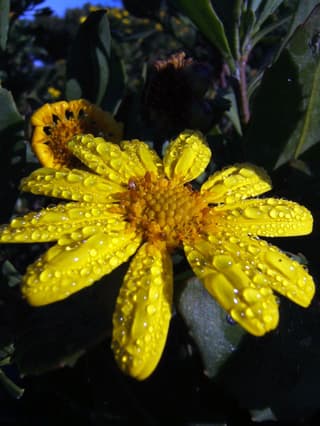
Bietou
Osteospermum moniliferum
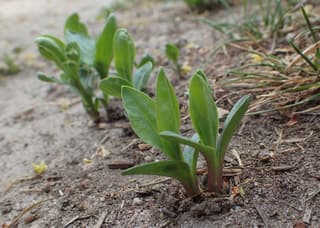
Soapwort
Saponaria officinalis
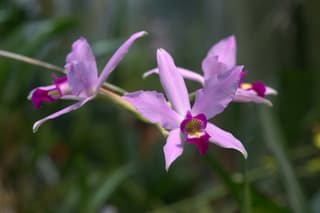
Two-edged Laelia
Laelia anceps

Anemone Clematis
Clematis montana
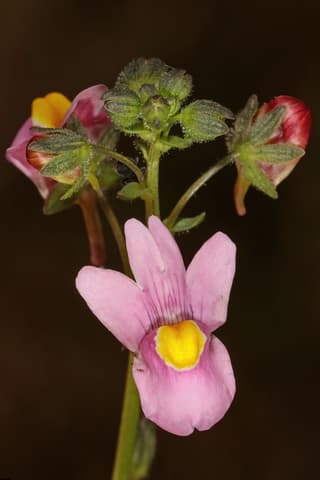
Mauve Nemesia
Nemesia fruticans
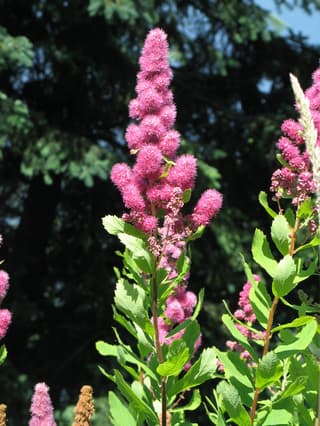
Douglas Spirea
Spiraea douglasii
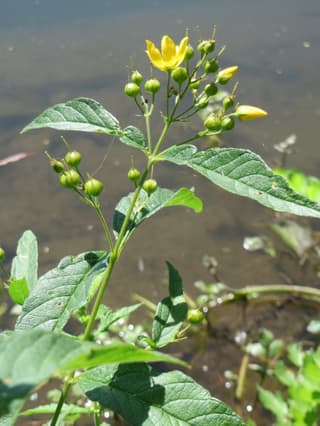
Loosestrife
Lysimachia
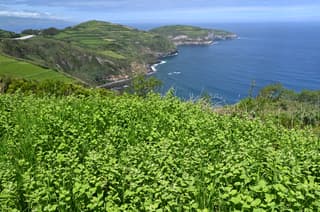
Pineapple Mint
Mentha suaveolens
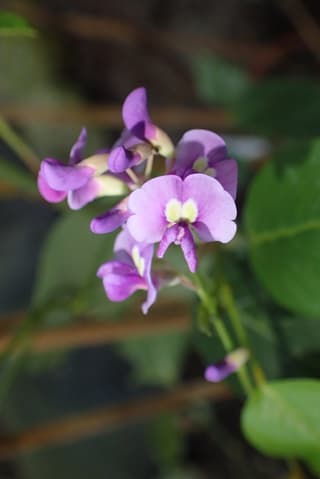
Purple Coral Pea
Hardenbergia violacea
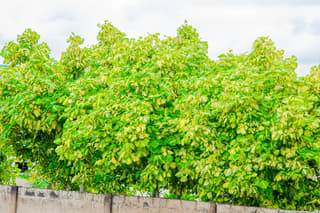
Southern Catalpa
Catalpa bignonioides
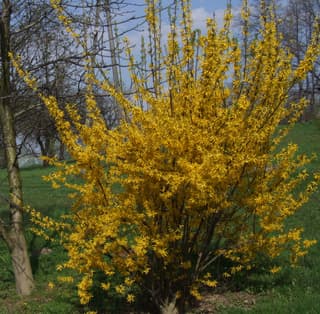
Border Forsythia
Forsythia x intermedia
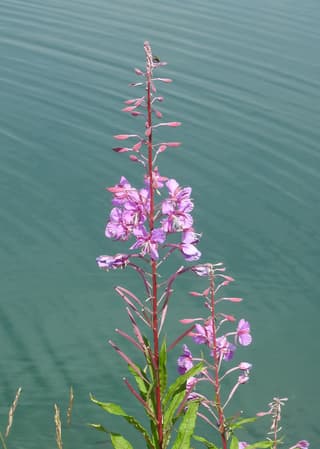
Willowherb / Fireweed (genus)
Epilobium
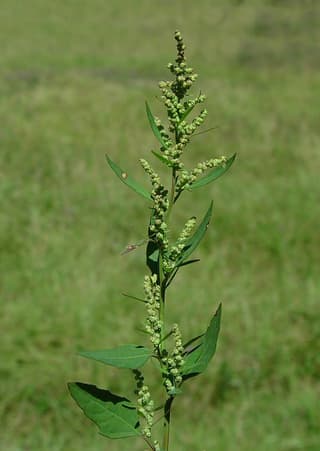
Goosefoot
Chenopodium
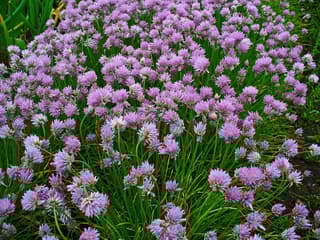
Chives
Allium schoenoprasum
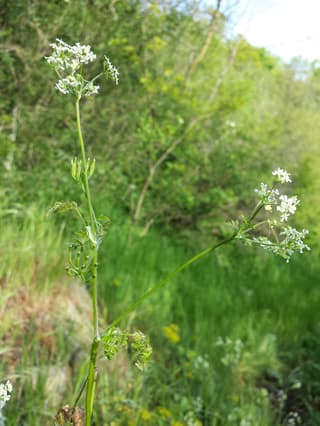
Chervil
Anthriscus cerefolium
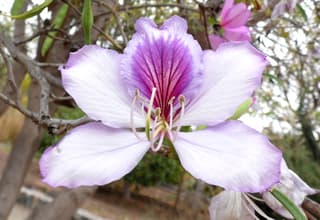
Orchid Tree
Bauhinia variegata
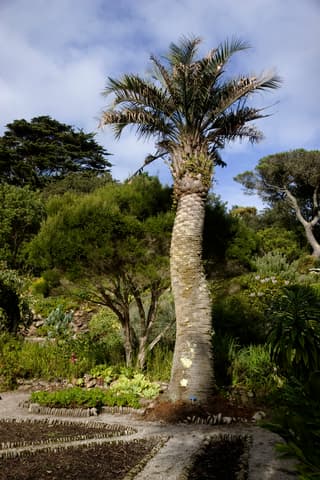
Pindo Palm
Butia capitata
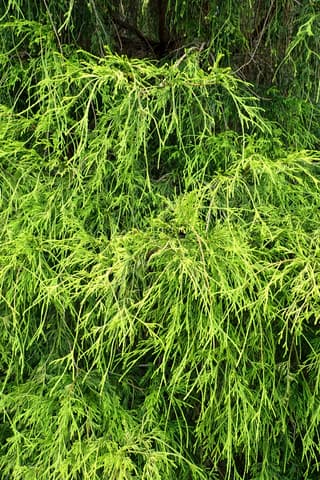
Golden Thread Cypress
Chamaecyparis pisifera filifera aurea
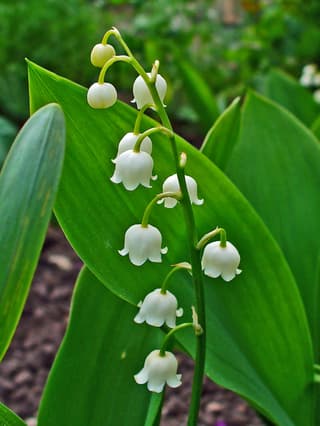
Lily of the Valley
Convallaria majalis
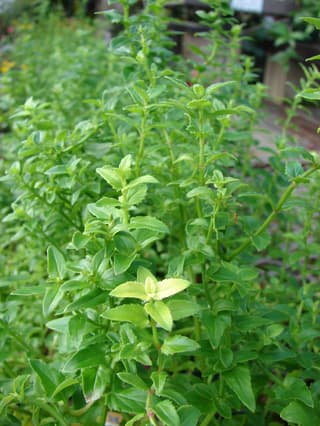
Twinspur
Diascia spp
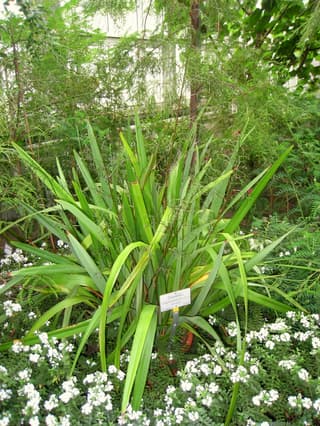
Tasman Flax Lily
Dianella tasmanica
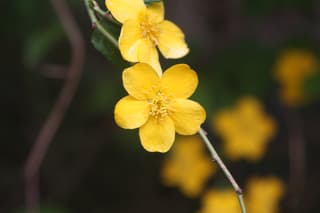
Japanese Kerria
Kerria japonica
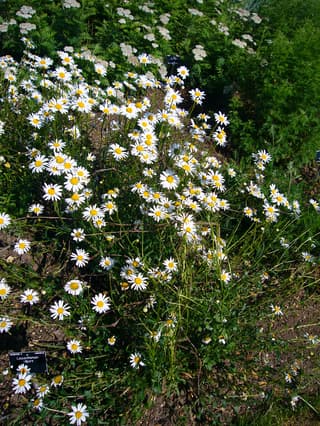
Oxeye Daisy
Leucanthemum vulgare
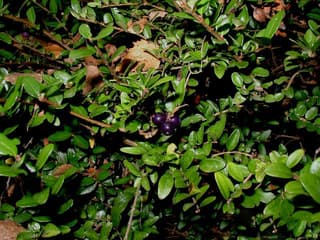
Boxleaf Honeysuckle
Lonicera nitida
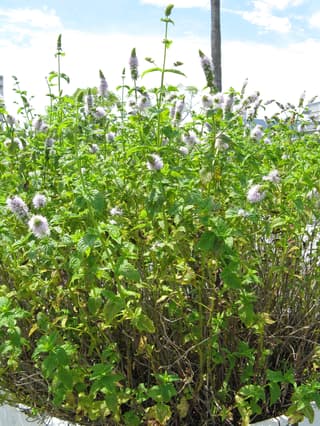
Mint
Mentha sp
Ideal Easy Care for Saint-Martin-Boulogne's Climate
Saint-Martin-Boulogne has an average temperature of 12.2°C and humidity of 80.8%, conditions that directly influence which easy care best adapt to the local environment.
How to Grow Easy Care in Saint-Martin-Boulogne
To successfully grow easy care in Saint-Martin-Boulogne, consider that the average temperature of 12.2°C and humidity of 80.8% create a specific microclimate. High humidity favors tropical species, but requires attention to ventilation to prevent fungal issues.
Advantages of Choosing Adapted Easy Care
Easy Care adapted to Saint-Martin-Boulogne's climate show greater resistance, healthy growth, and less need for interventions.