500 Best Plants for San Gil | 2026 Guide - Page 7
Discover the 500 ideal plants for San Gil's climate. Average temp: 21.3°C, Humidity: 83.6%.
Top 500 Plants for San Gil
Showing 217-252 of 500
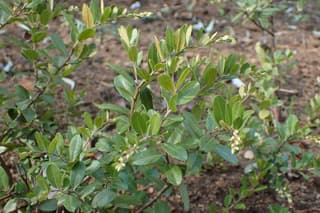
Leatherleaf
Chamaedaphne calyculata
Reindeer lichen
Cladonia rangiferina
Phellinidium ferrugineofuscum
Phellinidium ferrugineofuscum
Knight's plume moss
Ptilium crista-castrensis
Gymnopus
Gymnopus
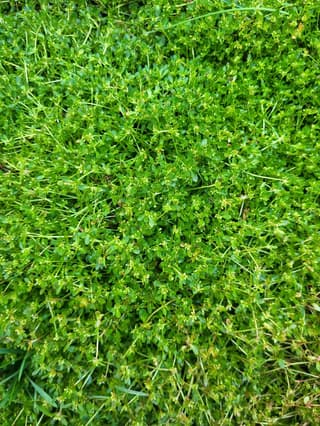
Koenigia (Iceland-Purslane)
Koenigia
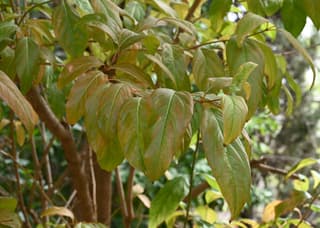
Fiddlewood
Citharexylum spinosum
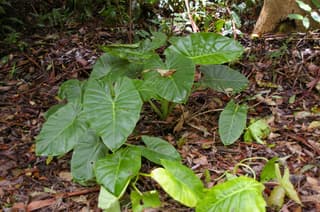
Cunjevoi
Alocasia brisbanensis
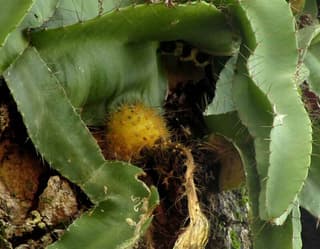
Dog-tail Cactus
Deamia testudo
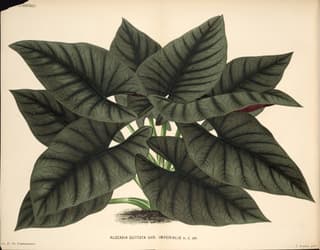
Alocasia Nebula
Alocasia nebula
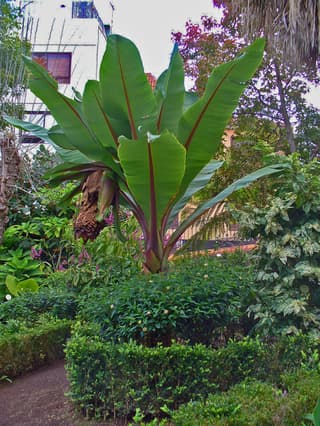
Abyssinian Banana
Ensete ventricosum
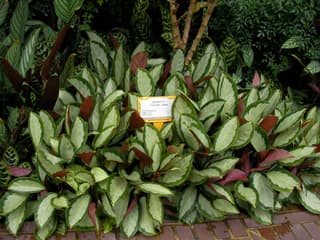
Calathea Picturata
Goeppertia picturata
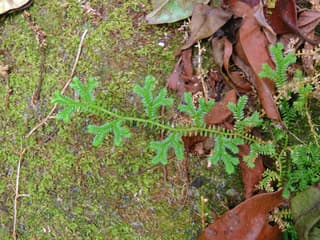
Spikemoss
Selaginella
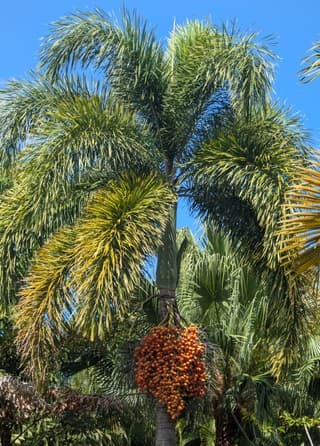
foxtail palm
Wodyetia
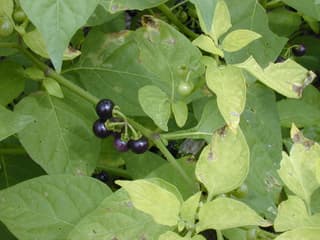
American Black Nightshade
Solanum americanum
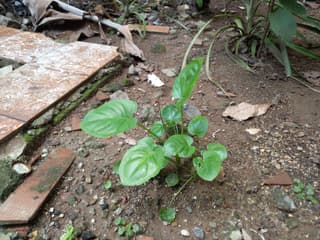
Typhonium
Typhonium
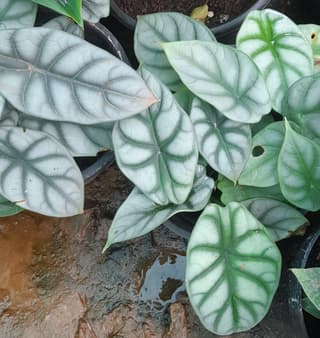
Dragon Scale Alocasia
Alocasia baginda
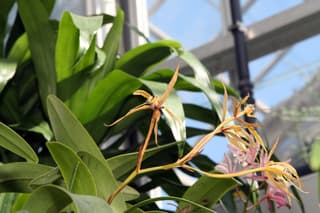
Fringed Star Orchid
Epidendrum ciliare
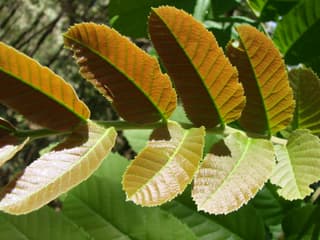
Camboata Tree
Cupania
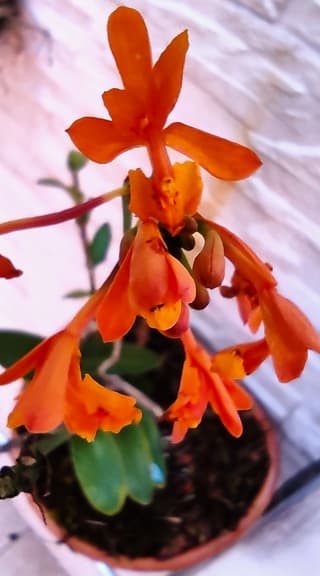
Beach Crucifix Orchid
Epidendrum fulgens
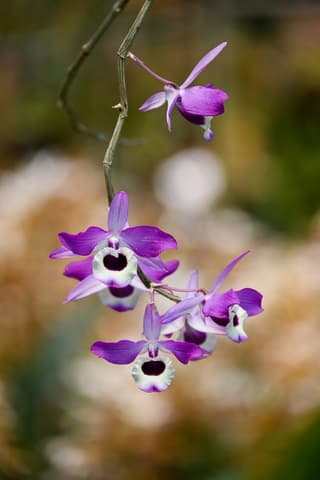
Dendrobium Orchid (genus)
Dendrobium
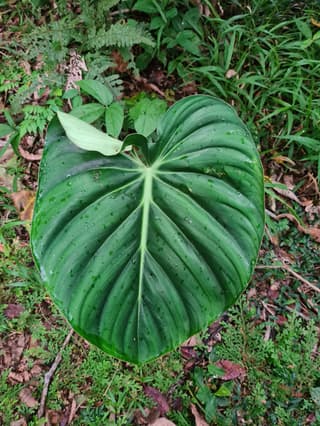
Philodendron Pastazanum
Philodendron pastazanum
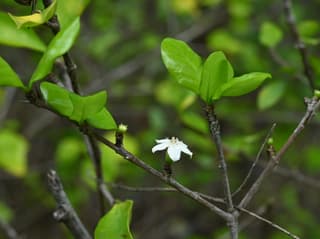
White Indigoberry
Randia aculeata
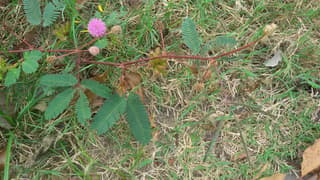
Sensitive Plant
Mimosa pudica
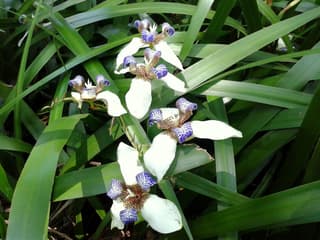
White Walking Iris
Neomarica candida
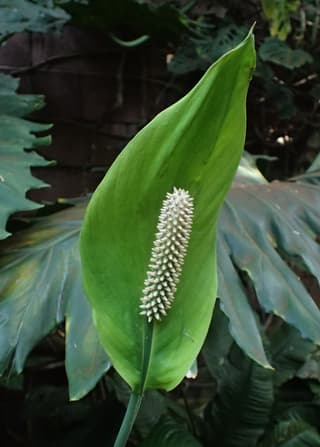
Peace Lily
Spathiphyllum blandum
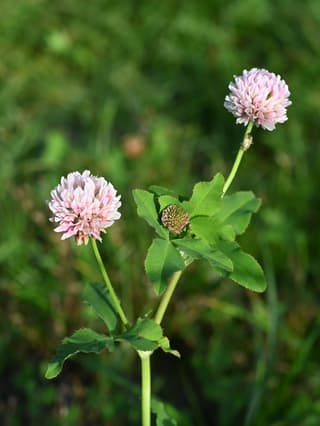
Alsike Clover
Trifolium hybridum
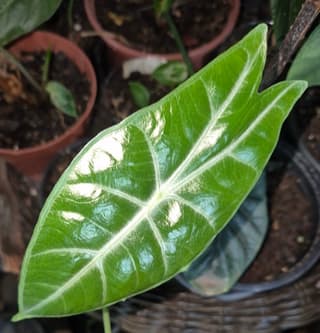
Dragon Scale Alocasia
Alocasia longiloba
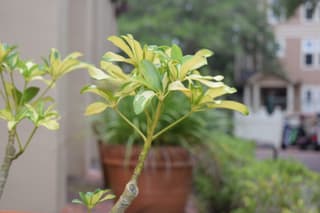
Umbrella Tree
Heptapleurum
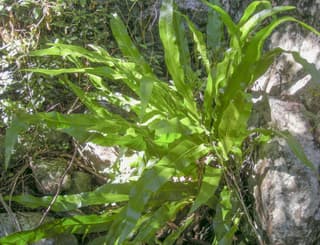
Fishtail Fern
Microsorum punctatum
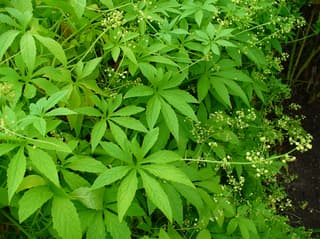
Caigua
Cyclanthera pedata
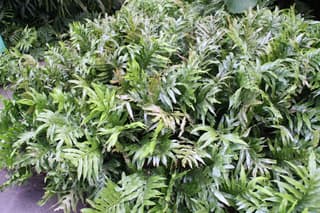
Wart Fern
Phymatosorus scolopendria
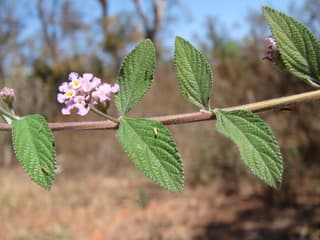
Bushy Lippia
Lippia alba
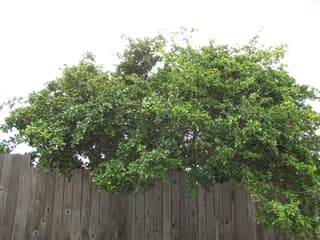
Barbados cherry
Malpighia emarginata
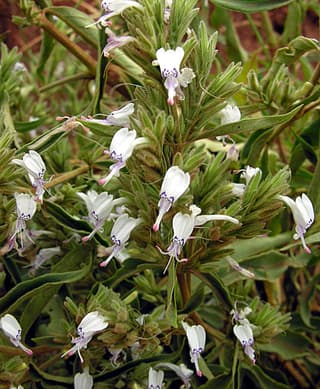
White Ribbon Bush
Hypoestes forskaolii
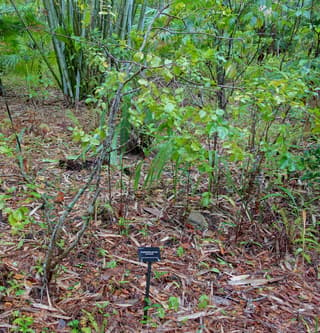
Black Ironwood
Krugiodendron ferreum
San Gil Climate for Plant Growing
San Gil has a climate with an average annual temperature of 21.3°C and average relative humidity of 83.6%. These climate conditions are ideal for various species of ornamental and fruit plants.
Tips for Growing Plants in San Gil
To succeed in growing plants in San Gil, consider the average temperature of 21.3°C when choosing your species. The temperate climate allows you to grow a wide variety of species. High humidity favors tropical plants, but watch for fungal issues.
Why Choose Plants Adapted to the Local Climate?
Plants adapted to San Gil's climate require less care, consume less water, and are more likely to thrive. Our selection considers the compatibility between each species' needs and local climate conditions, including temperature (21.3°C) and humidity (83.6%).