500 Best Plants for Santo Antônio do Pinhal | 2026 Guide - Page 11
Discover the 500 ideal plants for Santo Antônio do Pinhal's climate. Average temp: 18°C, Humidity: 80.2%.
Top 500 Plants for Santo Antônio do Pinhal
Showing 361-396 of 500
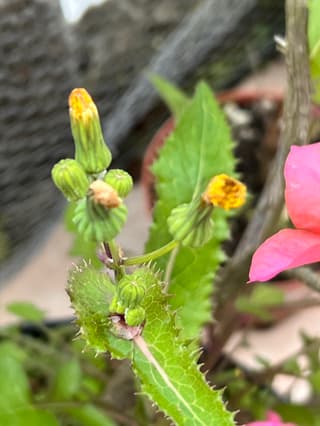
Sow Thistle
Sonchus
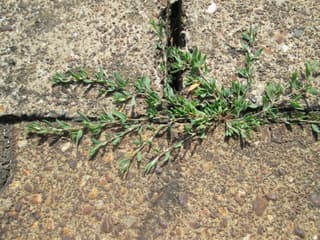
Oval-leaf Knotweed
Polygonum arenastrum
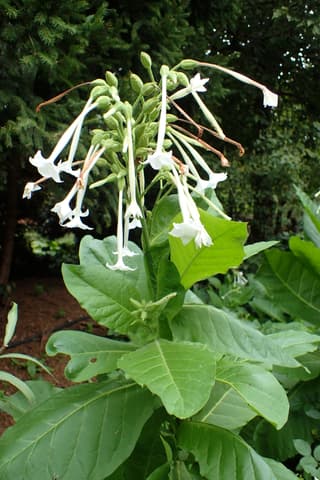
Woodland Tobacco
Nicotiana sylvestris
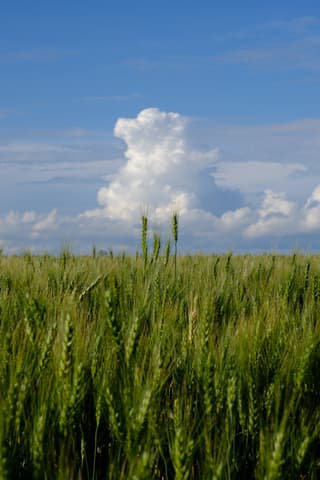
Common wheat
Triticum aestivum
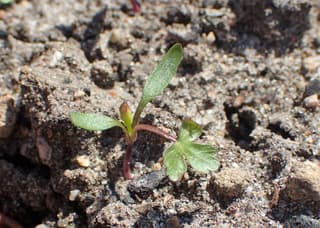
Fool's Parsley
Aethusa cynapium
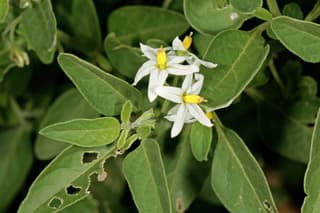
Tall nightshade
Solanum chenopodioides
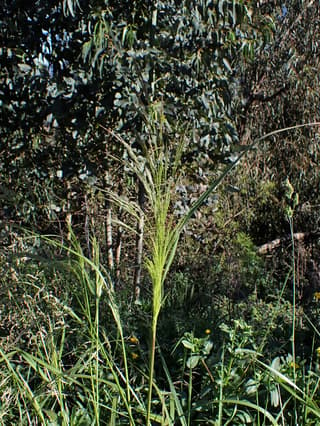
Johnson grass
Sorghum halepense
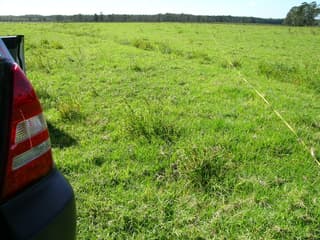
Kikuyu Grass
Cenchrus clandestinus
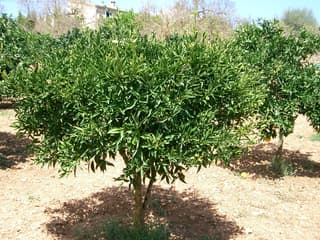
Willowleaf Mandarin
Citrus × aurantium f. deliciosa
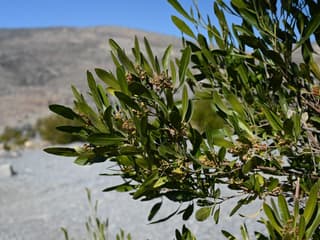
Hop bush
Dodonaea viscosa
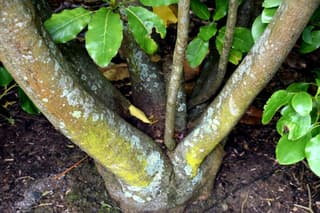
Puka
Meryta
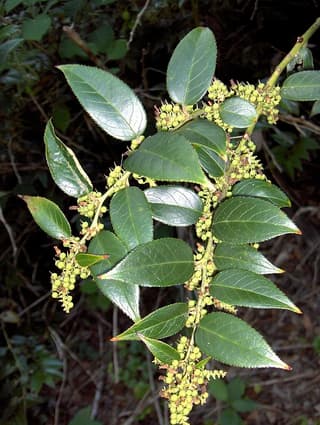
Fetterbush
Leucothoe fontanesiana
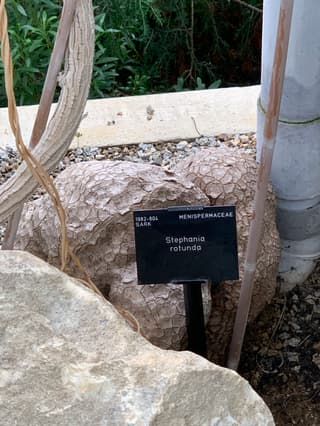
Elephant Foot Plant
Stephania
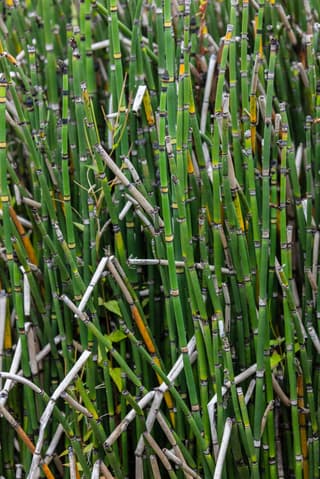
Rough Horsetail
Equisetum hyemale
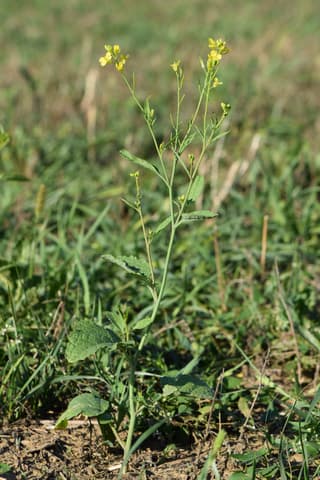
Brown Mustard
Brassica juncea
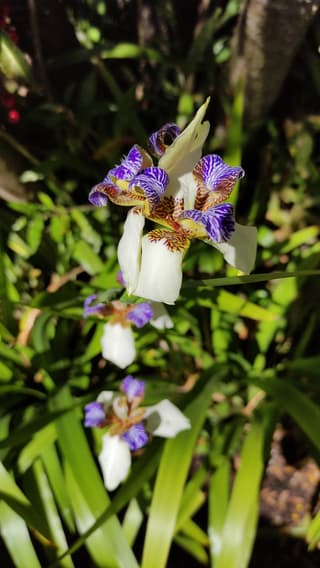
Yellow Walking Iris
Trimezia gracilis
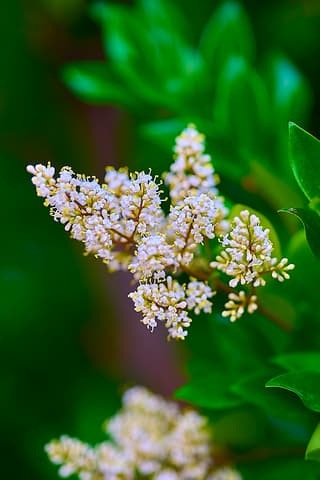
Privet
Ligustrum
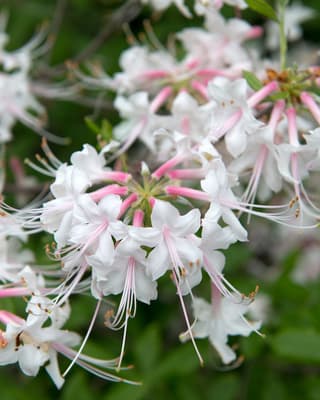
Alabama azalea
Rhododendron alabamense
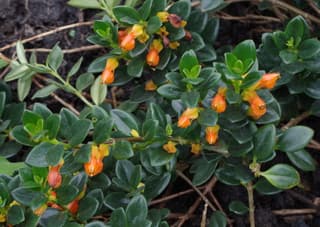
Goldfish Plant
Nematanthus gregarius
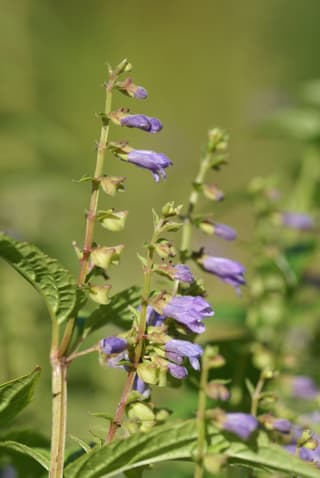
Skullcap
Scutellaria
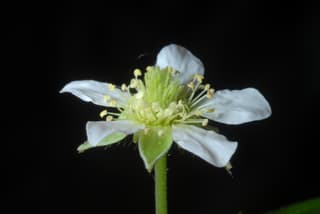
White Avens
Geum canadense
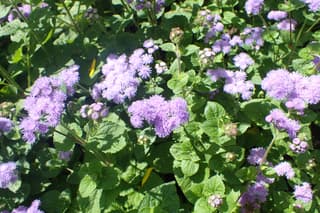
Floss Flower
Ageratum houstonianum
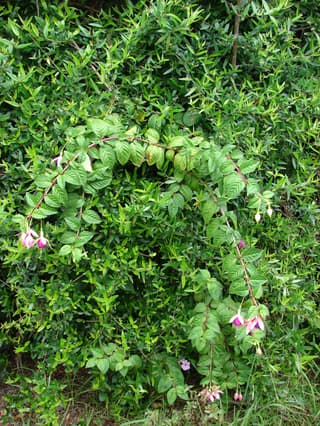
Garden Fuchsia
Fuchsia hybrida
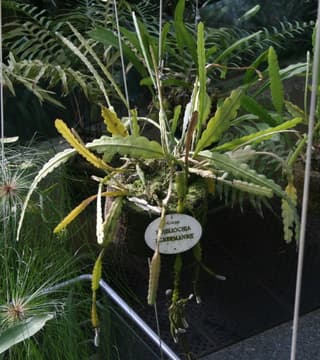
Orchid Cactus
Disocactus
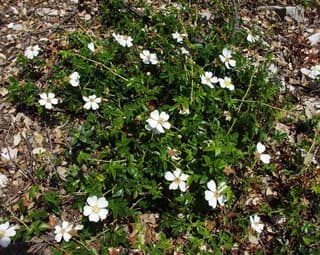
Evergreen Rose
Rosa sempervirens
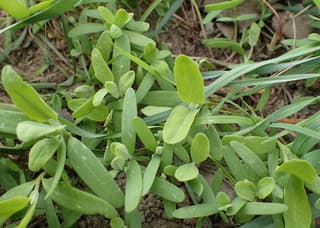
Common Orache
Atriplex patula
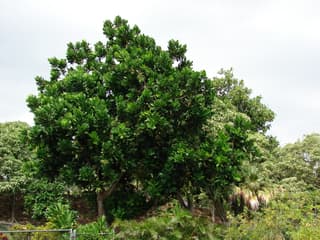
Fish Poison Tree
Barringtonia asiatica
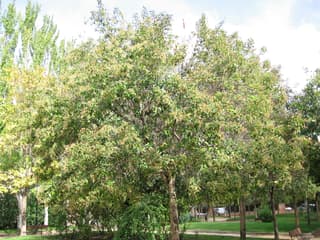
Japanese Privet
Ligustrum japonicum
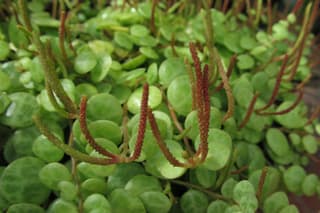
String of Turtles
Peperomia prostrata
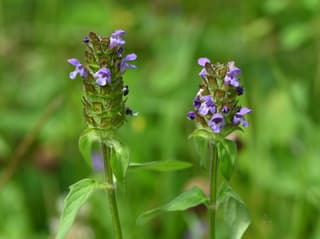
Self-Heal
Prunella vulgaris
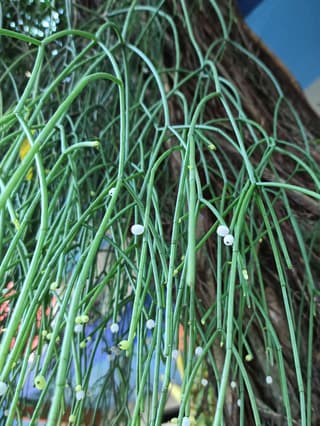
Mistletoe Cactus
Rhipsalis
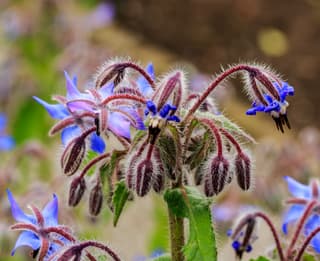
Borage
Borago officinalis
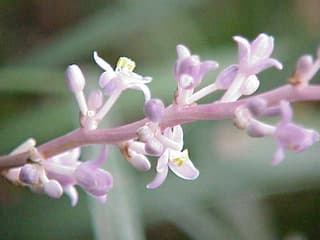
White Lilyturf
Ophiopogon jaburan
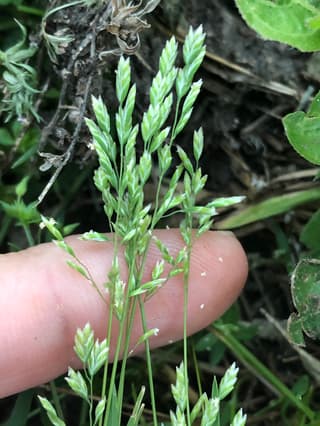
Annual Meadow Grass
Poa annua
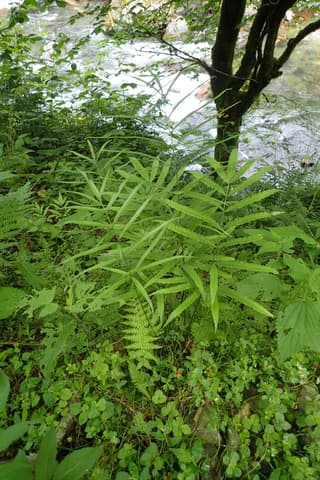
Brake Fern
Pteris
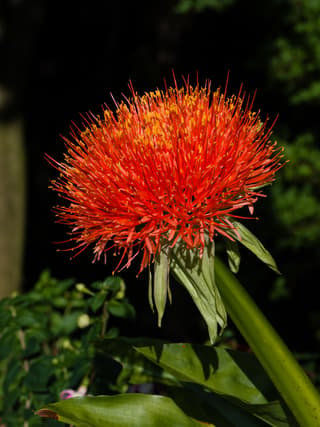
Blood Lily
Scadoxus multiflorus
Santo Antônio do Pinhal Climate for Plant Growing
Santo Antônio do Pinhal has a climate with an average annual temperature of 18°C and average relative humidity of 80.2%. These climate conditions are ideal for various species of ornamental and fruit plants.
Tips for Growing Plants in Santo Antônio do Pinhal
To succeed in growing plants in Santo Antônio do Pinhal, consider the average temperature of 18°C when choosing your species. The temperate climate allows you to grow a wide variety of species. High humidity favors tropical plants, but watch for fungal issues.
Why Choose Plants Adapted to the Local Climate?
Plants adapted to Santo Antônio do Pinhal's climate require less care, consume less water, and are more likely to thrive. Our selection considers the compatibility between each species' needs and local climate conditions, including temperature (18°C) and humidity (80.2%).