500 Best Pet Safe for São Bonifácio | 2026 Guide - Page 8
The 500 best pet safe to grow in São Bonifácio. Ideal climate: 19°C, 86.3% humidity.
500 Pet Safe for São Bonifácio
Showing 253-288 of 500
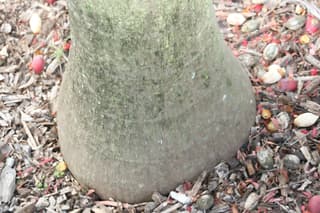
Montgomery Palm
Veitchia arecina
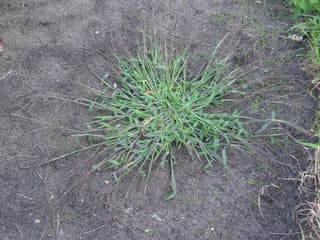
hairy crabgrass
Digitaria sanguinalis
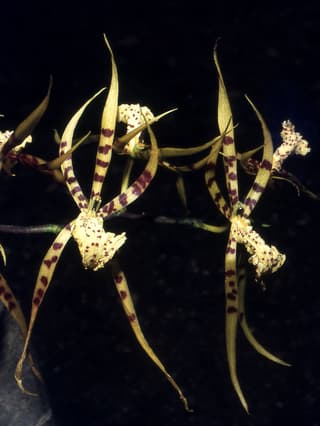
Spider Orchid
Brassia arachnoidea
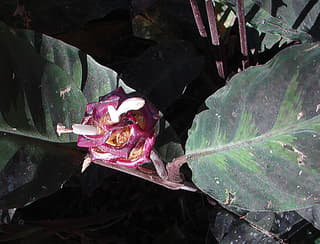
Jungle Velvet Calathea
Goeppertia warszewiczii
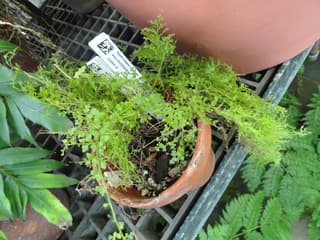
Boston Fern
Nephrolepis exaltata
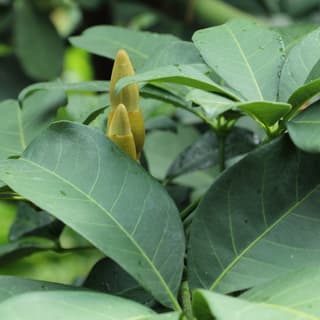
Money Tree
Pachira aquatica
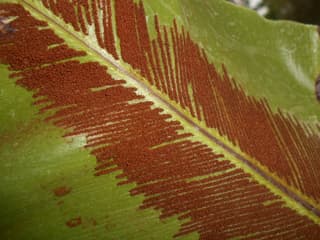
Bird's Nest Fern
Asplenium nidus
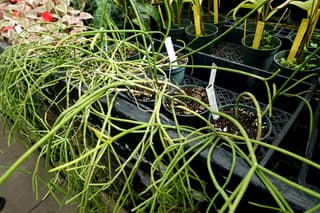
Mistletoe cactus
Rhipsalis baccifera
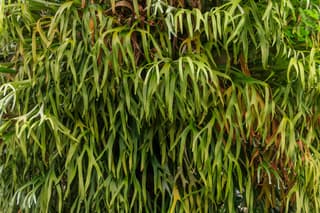
Staghorn Fern
Platycerium bifurcatum
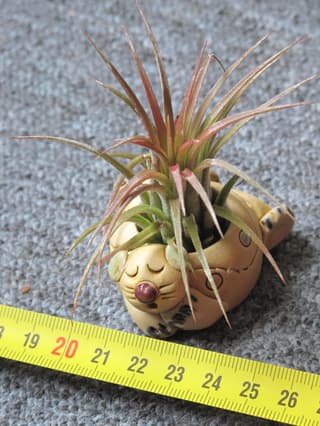
Sky Plant
Tillandsia ionantha
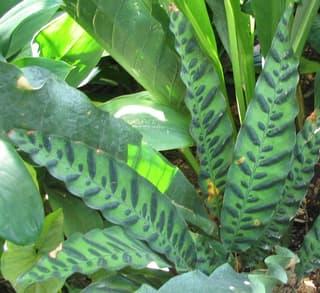
Rattlesnake Plant
Calathea lancifolia
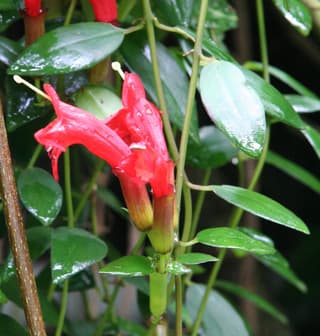
Lipstick Plant
Aeschynanthus radicans
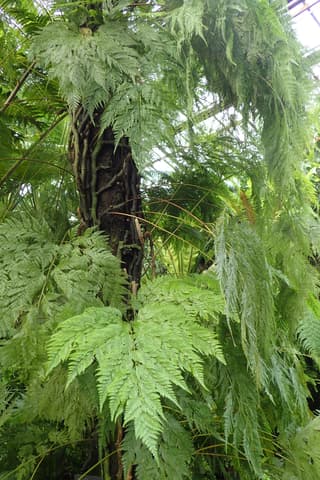
Rabbit's Foot Fern
Davallia fejeensis
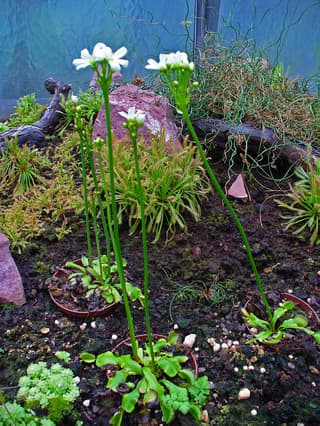
Venus Flytrap
Dionaea muscipula
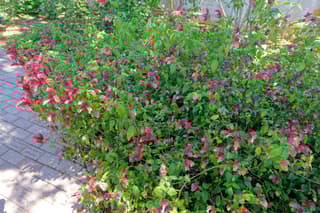
Shrimp Plant
Justicia brandegeeana
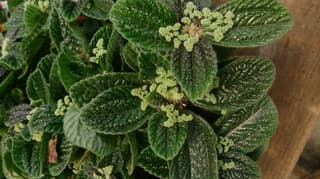
Friendship Plant
Pilea involucrata
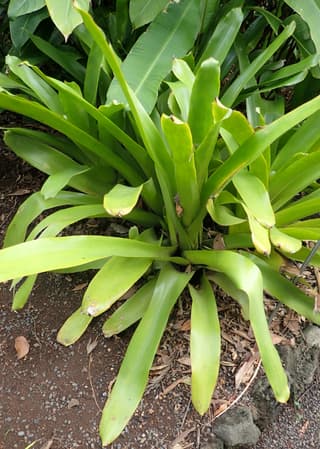
Orange Bromeliad
Aechmea blanchetiana

Bangalow Palm
Archontophoenix cunninghamiana
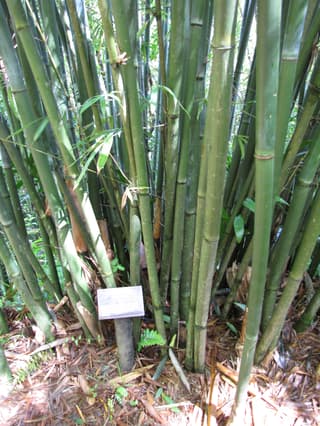
Slender Weavers Bamboo
Bambusa textilis gracili
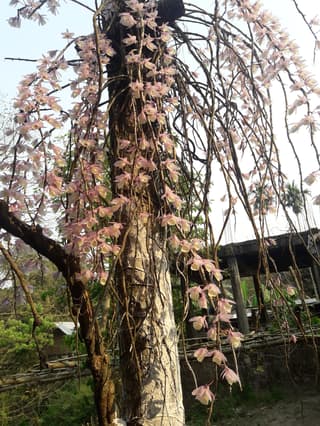
Hooded Orchid
Dendrobium aphyllum
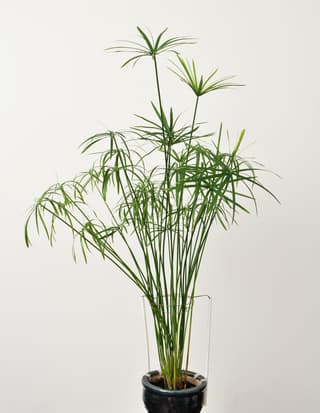
Umbrella Papyrus
Cyperus alternifolius
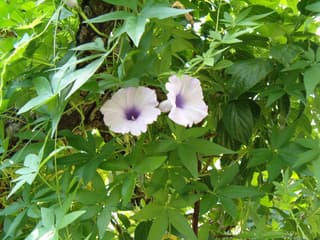
Mile-a-minute vine
Ipomoea cairica
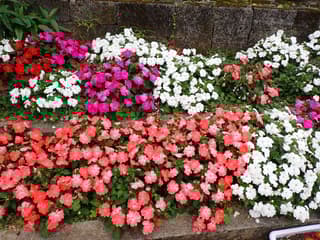
New Guinea Impatiens
Impatiens hawkeri
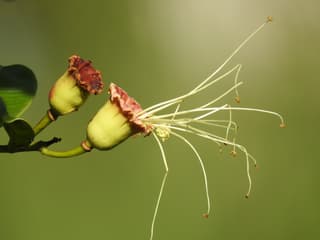
Thimble Tree
Lafoensia pacari
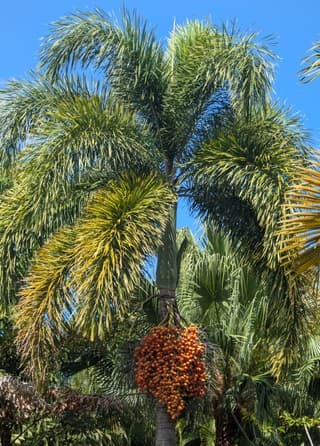
foxtail palm
Wodyetia
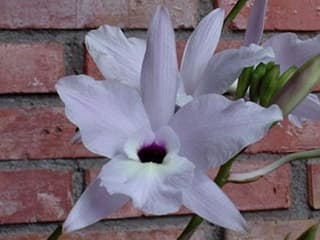
Rosy Tinted Laelia
Laelia rubescens

Laurel Clockvine
Thunbergia laurifolia
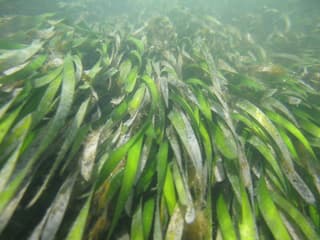
Turtle grass
Thalassia testudinum

Jamieson's Epidendrum
Epidendrum jamiesonis
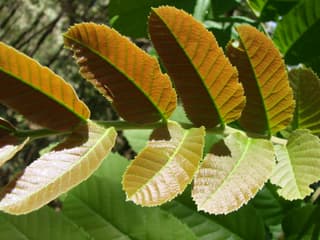
Camboata Tree
Cupania
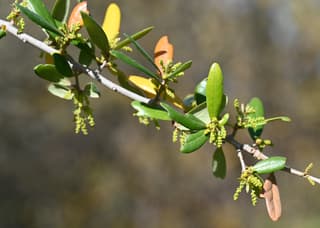
Southern Live Oak
Quercus virginiana
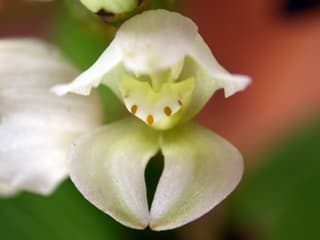
Govenia
Govenia
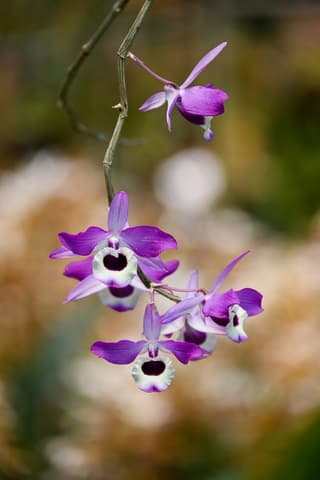
Dendrobium Orchid (genus)
Dendrobium
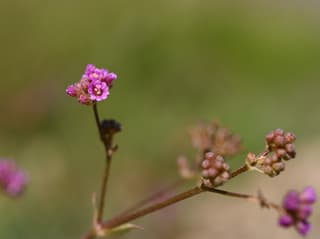
Red Spiderling
Boerhavia diffusa
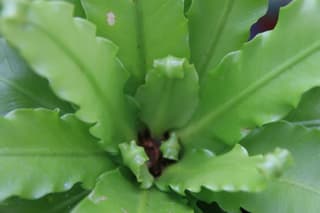
Japanese Bird's Nest Fern
Asplenium antiquum
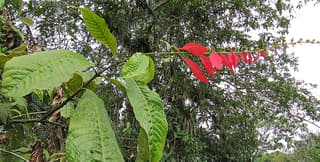
Chaconia
Warszewiczia
Ideal Pet Safe for São Bonifácio's Climate
São Bonifácio has an average temperature of 19°C and humidity of 86.3%, conditions that directly influence which pet safe best adapt to the local environment.
How to Grow Pet Safe in São Bonifácio
To successfully grow pet safe in São Bonifácio, consider that the average temperature of 19°C and humidity of 86.3% create a specific microclimate. High humidity favors tropical species, but requires attention to ventilation to prevent fungal issues.
Advantages of Choosing Adapted Pet Safe
Pet Safe adapted to São Bonifácio's climate show greater resistance, healthy growth, and less need for interventions.