500 Best Easy Care for Sint-Maria-Lierde | 2026 Guide - Page 10
The 500 best easy care to grow in Sint-Maria-Lierde. Ideal climate: 11.8°C, 79.2% humidity.
500 Easy Care for Sint-Maria-Lierde
Showing 325-360 of 500
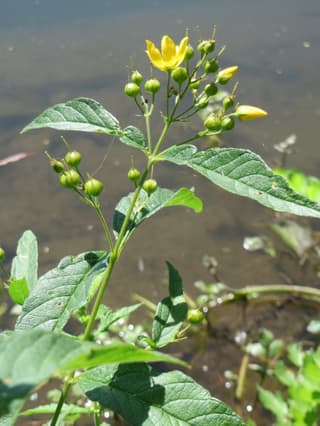
Loosestrife
Lysimachia
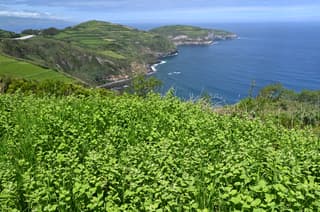
Pineapple Mint
Mentha suaveolens
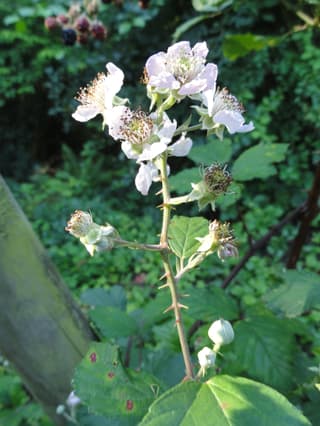
Himalayan Blackberry
Rubus bifrons
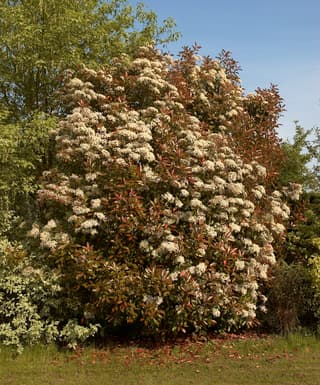
Red Tip Photinia
Photinia × fraseri
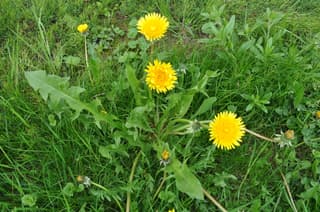
Dandelion
Taraxacum
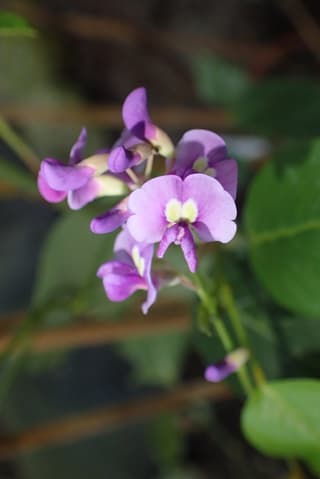
Purple Coral Pea
Hardenbergia violacea
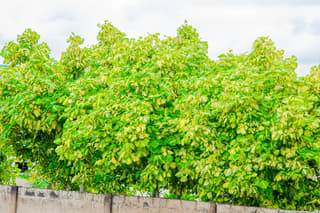
Southern Catalpa
Catalpa bignonioides

Arugula
Eruca vesicaria
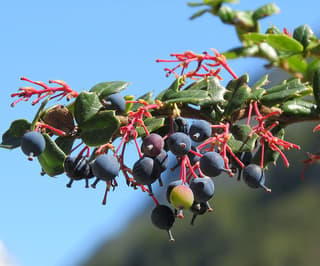
Darwin's barberry
Berberis darwinii
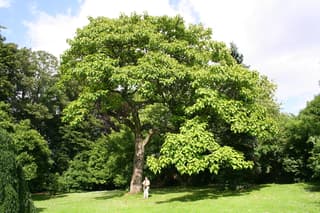
Empress Tree / Princess Tree (genus)
Paulownia
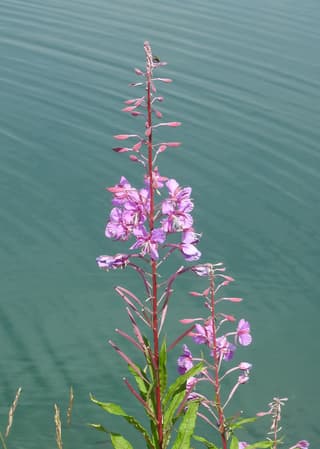
Willowherb / Fireweed (genus)
Epilobium
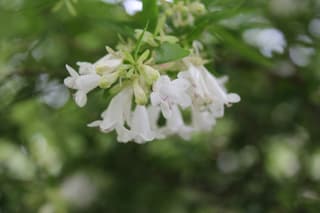
Glossy Abelia
Abelia x grandiflora
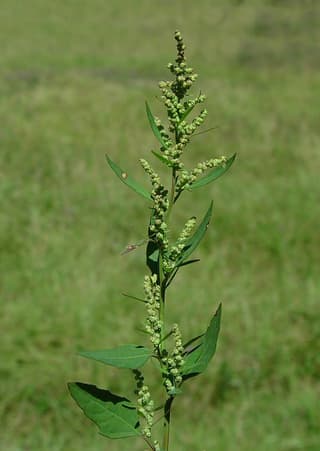
Goosefoot
Chenopodium
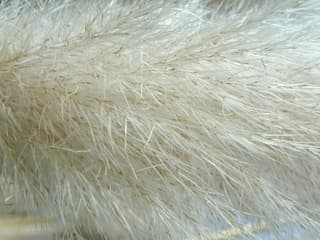
Pampas Grass
Cortaderia selloana
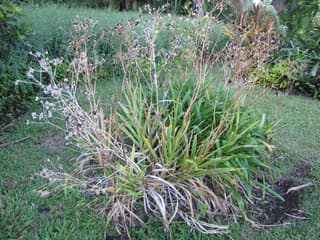
Blackberry Lily
Belamcanda chinensis
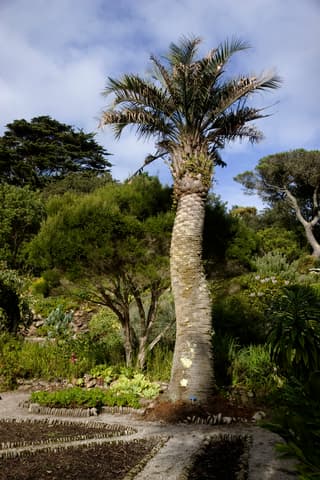
Pindo Palm
Butia capitata
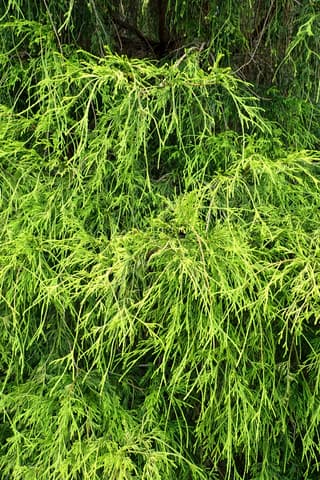
Golden Thread Cypress
Chamaecyparis pisifera filifera aurea
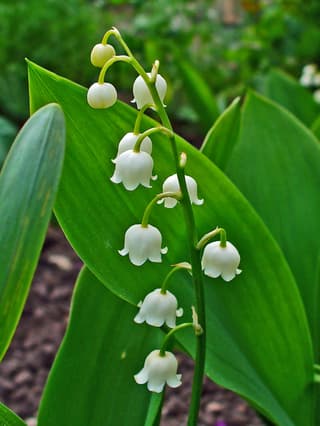
Lily of the Valley
Convallaria majalis
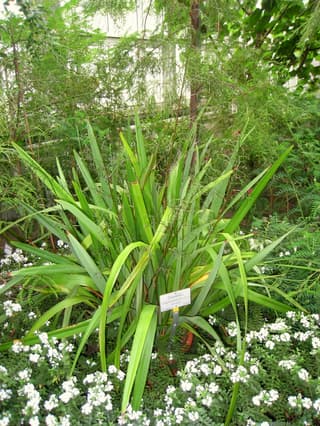
Tasman Flax Lily
Dianella tasmanica
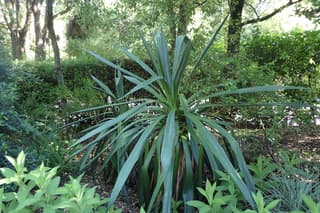
Mauritius Hemp
Furcraea foetida
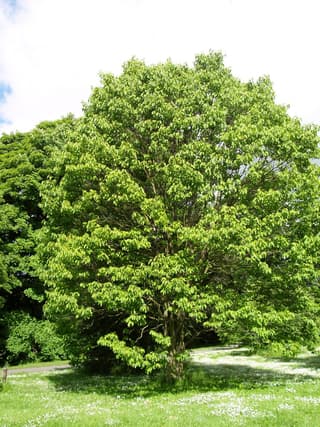
Japanese Raisin Tree
Hovenia dulcis
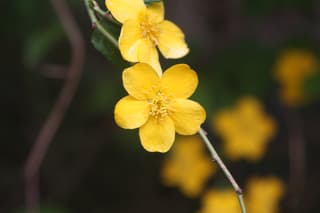
Japanese Kerria
Kerria japonica
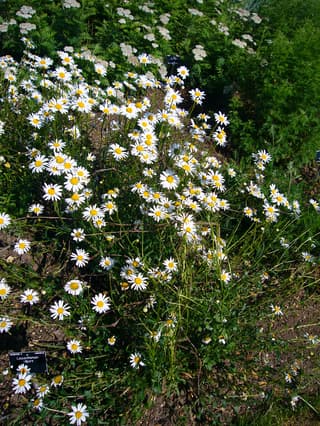
Oxeye Daisy
Leucanthemum vulgare
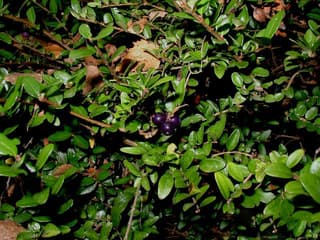
Boxleaf Honeysuckle
Lonicera nitida
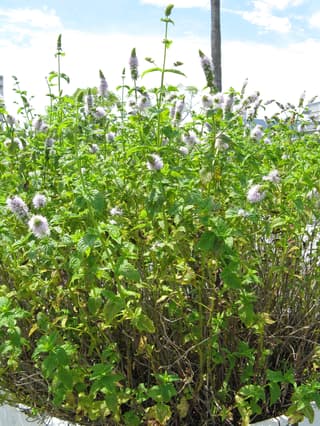
Mint
Mentha sp
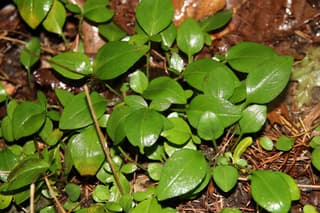
Shrubby St. John's Wort
Hypericum prolificum

Woodbine
Parthenocissus
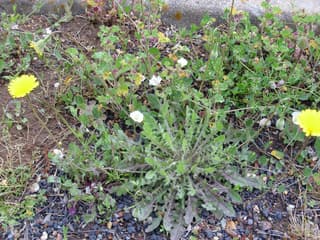
Rough Hawkbit
Leontodon hispidus
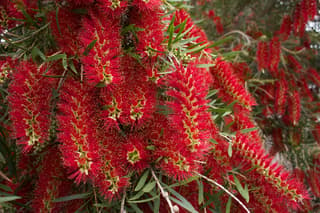
Weeping Bottlebrush
Melaleuca viminalis
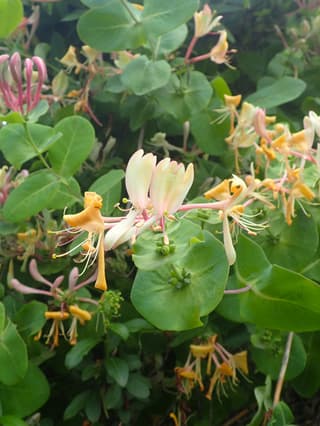
Italian Honeysuckle
Lonicera caprifolium
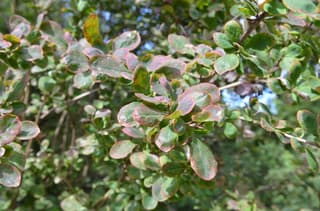
Ottawa Barberry
Berberis × ottawensis
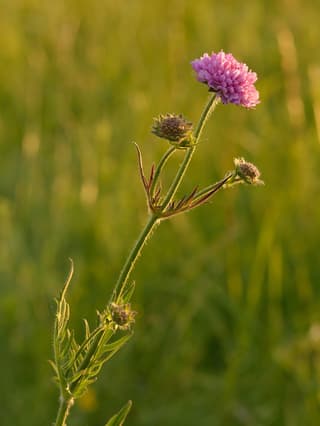
Field Scabious
Knautia arvensis
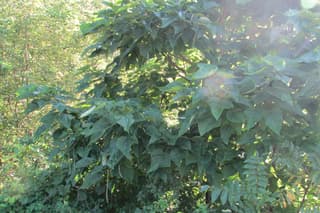
Northern Catalpa
Catalpa speciosa
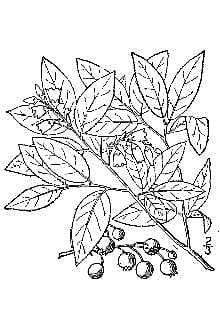
Hillside Blueberry
Vaccinium pallidum
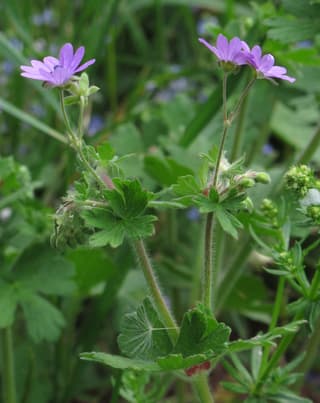
Hedgerow Cranesbill
Geranium pyrenaicum
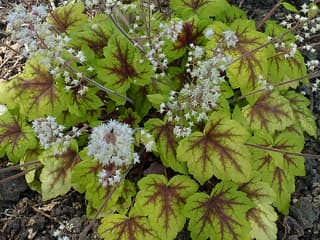
Foamy Bells
Heucherella
Ideal Easy Care for Sint-Maria-Lierde's Climate
Sint-Maria-Lierde has an average temperature of 11.8°C and humidity of 79.2%, conditions that directly influence which easy care best adapt to the local environment.
How to Grow Easy Care in Sint-Maria-Lierde
To successfully grow easy care in Sint-Maria-Lierde, consider that the average temperature of 11.8°C and humidity of 79.2% create a specific microclimate. High humidity favors tropical species, but requires attention to ventilation to prevent fungal issues.
Advantages of Choosing Adapted Easy Care
Easy Care adapted to Sint-Maria-Lierde's climate show greater resistance, healthy growth, and less need for interventions.