201 Best Foliage Plants for Tupã | 2026 Guide - Page 5
The 201 best foliage plants to grow in Tupã. Ideal climate: 23.7°C, 67.5% humidity.
201 Foliage Plants for Tupã
Showing 145-180 of 201

Rojo Congo Philodendron
Philodendron 'Rojo Congo'
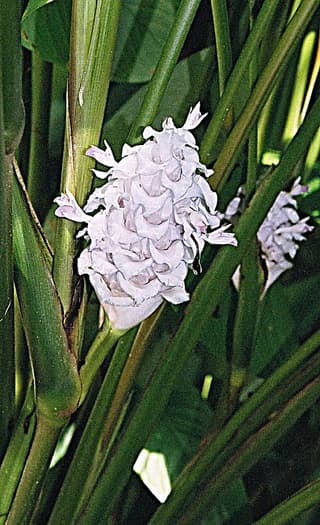
Fishbone Prayer Plant
Calathea burle-marxii
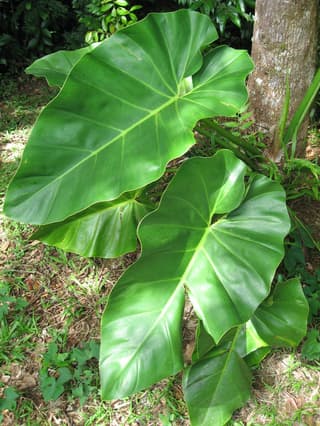
Giant Philodendron
Philodendron giganteum
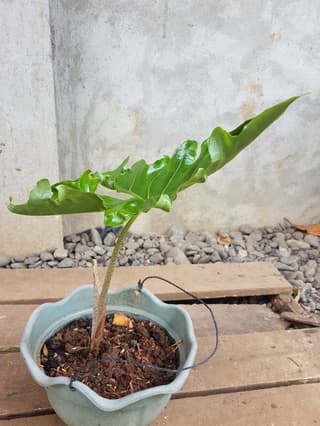
Batwing Alocasia
Alocasia nycteris
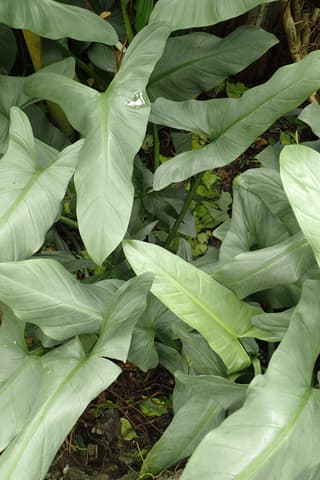
Spadeleaf Philodendron
Philodendron domesticum
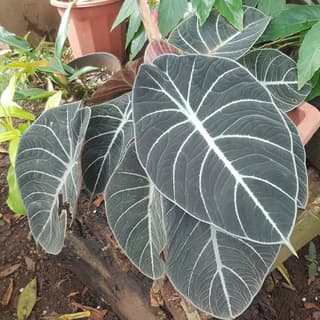
Black Velvet Alocasia
Alocasia reginula
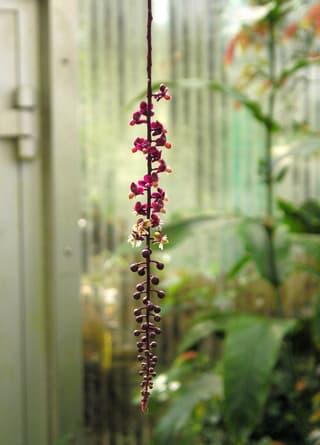
Peacock Plant
Calathea makoyana
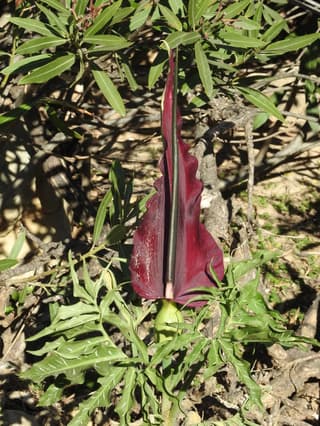
Dragon Lily
Dracunculus vulgaris
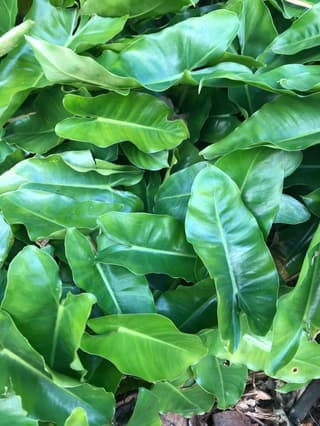
Burle Marx Philodendron
Philodendron burle-marxii
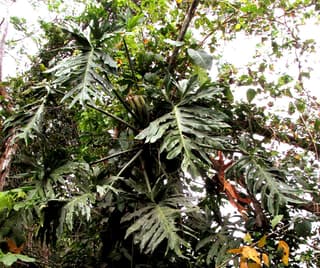
Split-leaf Philodendron
Philodendron radiatum
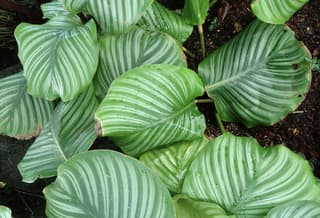
Round-leaf Calathea
Calathea orbifolia
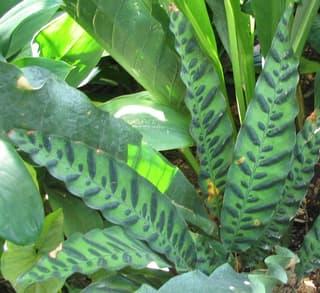
Rattlesnake Plant
Calathea lancifolia
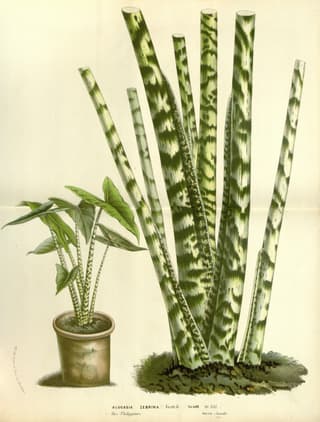
Zebra Plant
Alocasia zebrina
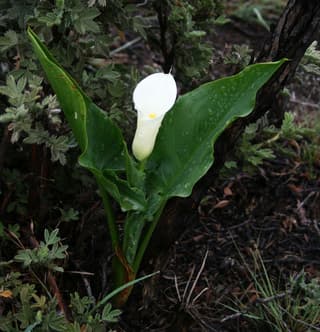
Spotted Calla Lily
Zantedeschia albomaculata
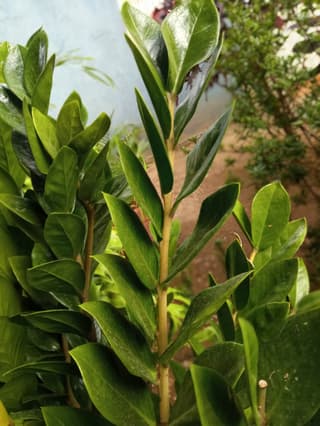
ZZ Plant
Zamioculcas
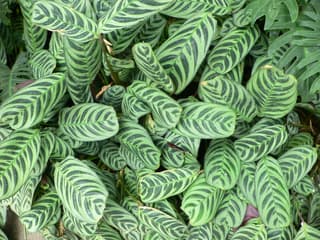
Fishbone Prayer Plant
Ctenanthe burle-marxii
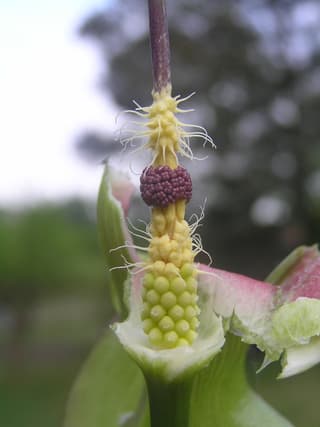
Danish Arum
Arum cylindraceum
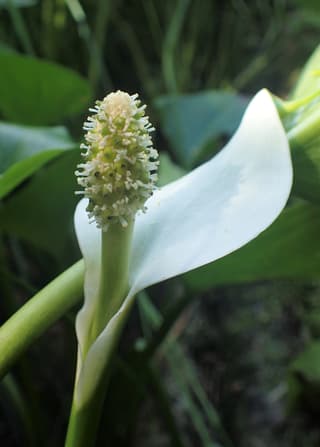
Bog Arum
Calla

Peace Lily
Spathiphyllum wallisii
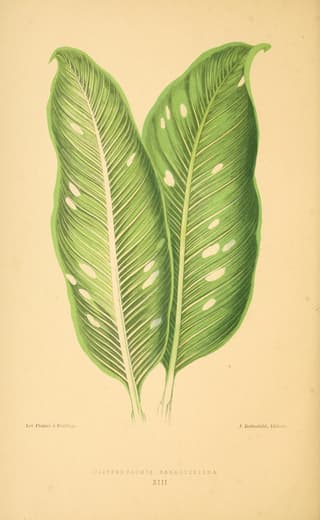
Dumb Cane
Dieffenbachia seguine
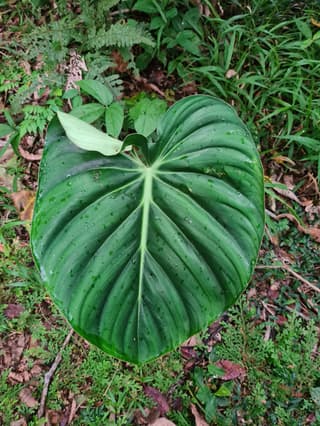
Philodendron Pastazanum
Philodendron pastazanum
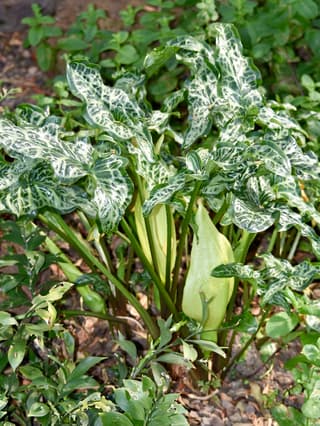
Arum / Cuckoo Pint (genus)
Arum
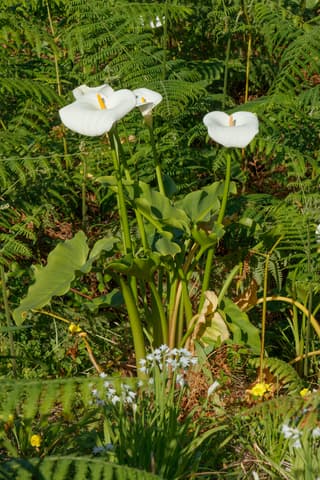
Calla Lily
Zantedeschia aethiopica
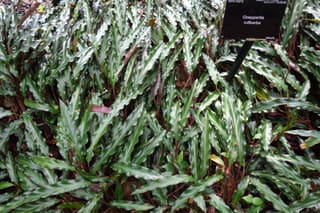
Furry Feather Calathea
Goeppertia rufibarba
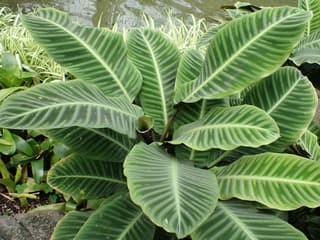
Zebra Plant
Goeppertia zebrina
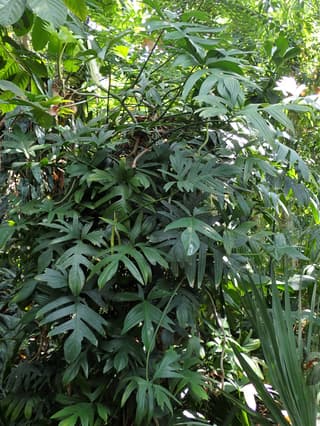
Oak Leaf Philodendron
Philodendron pedatum
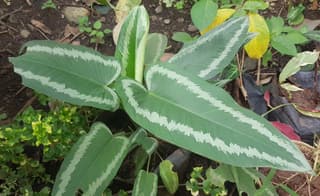
Engler's False Arum
Englerarum hypnosum
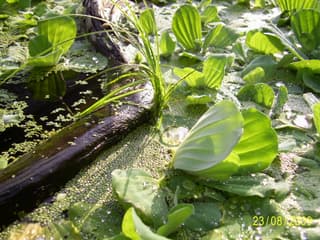
Water Lettuce
Pistia stratiotes
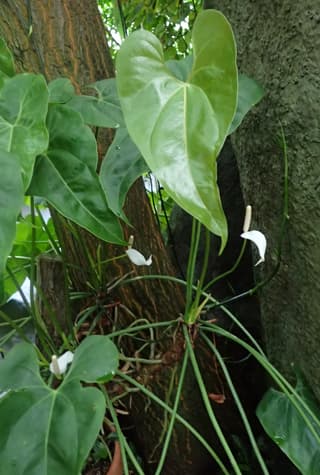
Water-Lily Anthurium
Anthurium nymphaeifolium
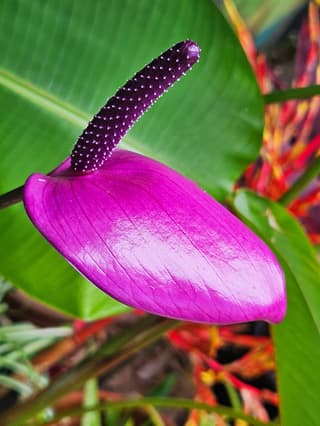
Tulip Anthurium
Anthurium amnicola
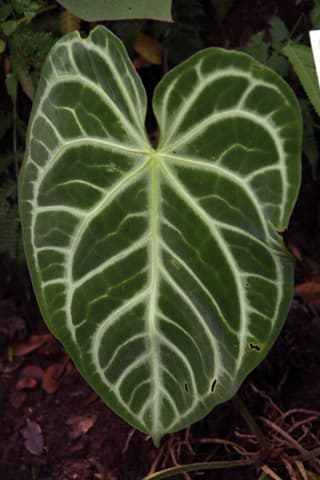
Crystal Anthurium
Anthurium crystallinum
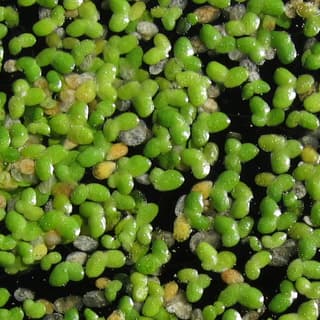
Common Duckweed
Lemna minor
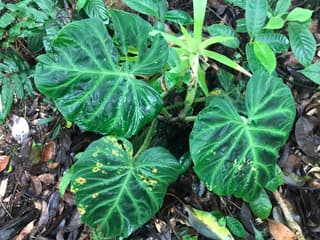
Ecuador Philodendron
Philodendron verrucosum
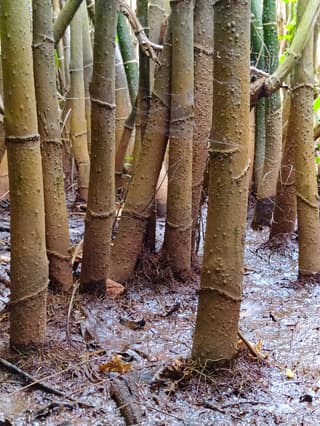
Moccmocc
Montrichardia arborescens
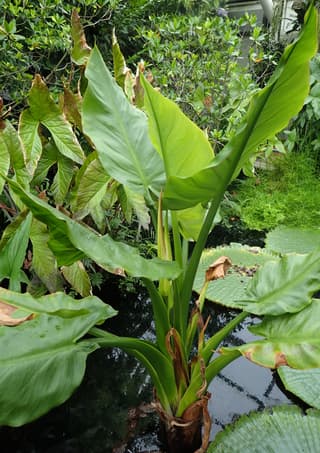
Water Banana
Typhonodorum lindleyanum
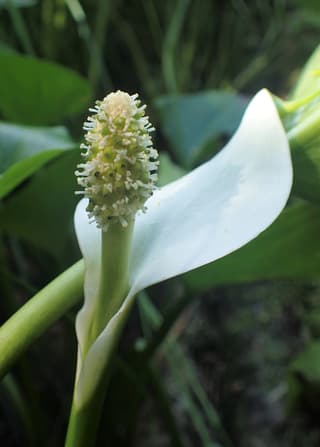
Bog Arum
Calla palustris
Ideal Foliage Plants for Tupã's Climate
Tupã has an average temperature of 23.7°C and humidity of 67.5%, conditions that directly influence which foliage plants best adapt to the local environment.
How to Grow Foliage Plants in Tupã
To successfully grow foliage plants in Tupã, consider that the average temperature of 23.7°C and humidity of 67.5% create a specific microclimate. Moderate humidity is favorable for most species in this category.
Advantages of Choosing Adapted Foliage Plants
Foliage Plants adapted to Tupã's climate show greater resistance, healthy growth, and less need for interventions.