500 Best Plants for Tuscaloosa County | 2026 Guide - Page 11
Discover the 500 ideal plants for Tuscaloosa County's climate. Average temp: 18.5°C, Humidity: 73.2%.
Top 500 Plants for Tuscaloosa County
Showing 361-396 of 500
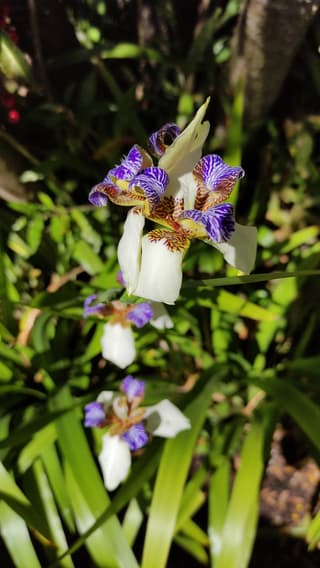
Yellow Walking Iris
Trimezia gracilis
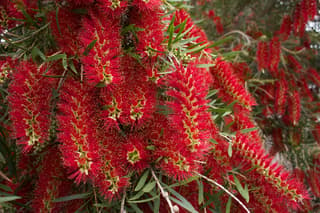
Weeping Bottlebrush
Melaleuca viminalis
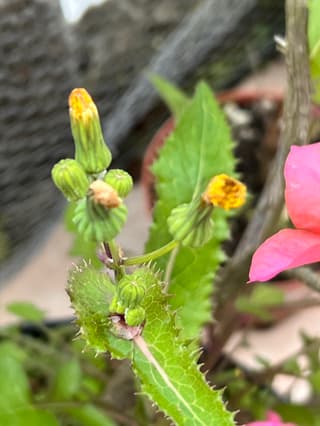
Sow Thistle
Sonchus
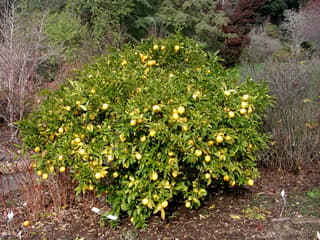
Lemon
Citrus limon
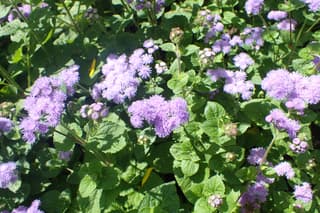
Floss Flower
Ageratum houstonianum
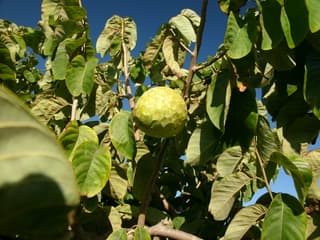
Cherimoya
Annona cherimola
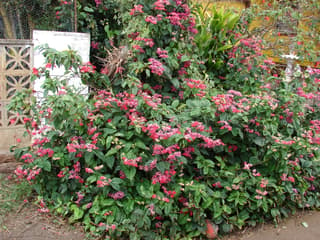
Red Bleeding Heart Vine
Clerodendrum × speciosum
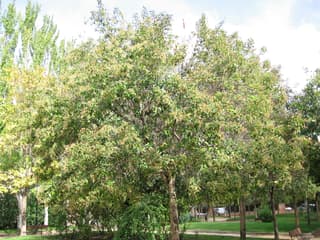
Japanese Privet
Ligustrum japonicum
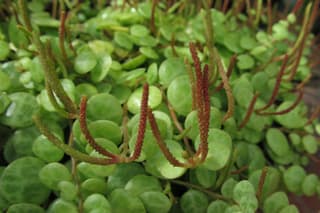
String of Turtles
Peperomia prostrata
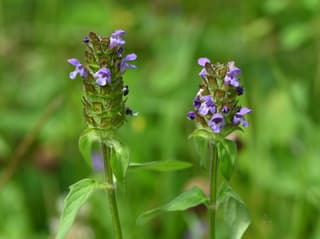
Self-Heal
Prunella vulgaris
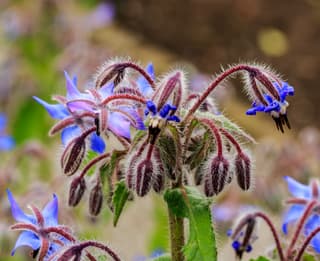
Borage
Borago officinalis
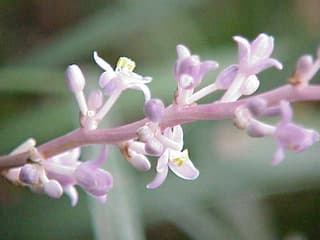
White Lilyturf
Ophiopogon jaburan
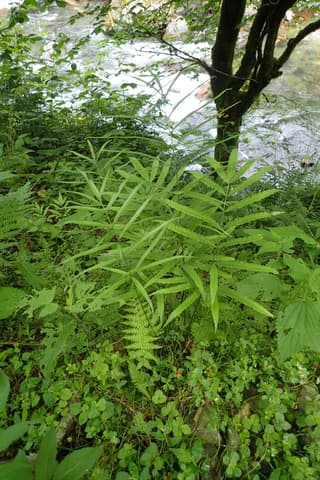
Brake Fern
Pteris
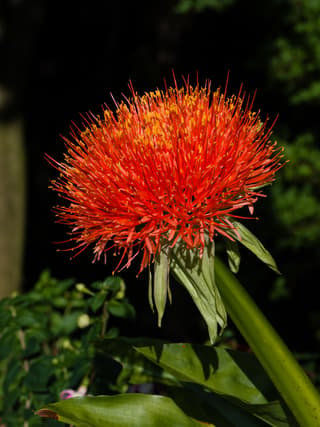
Blood Lily
Scadoxus multiflorus
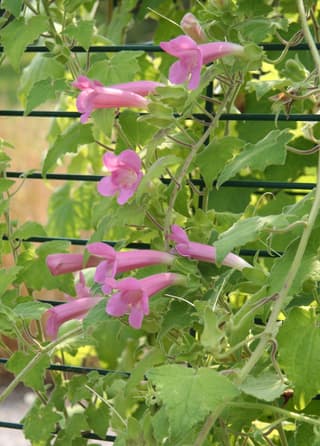
Climbing Snapdragon
Lophospermum erubescens
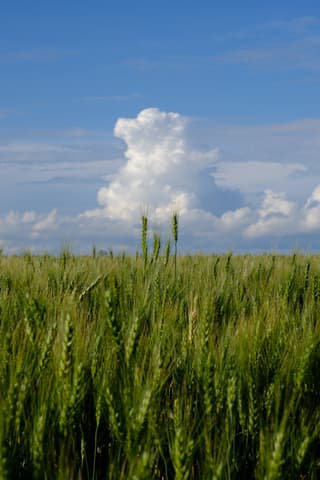
Common wheat
Triticum aestivum
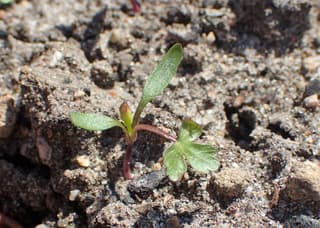
Fool's Parsley
Aethusa cynapium
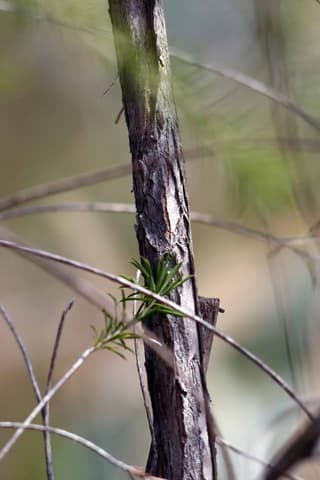
Bracelet Honey Myrtle
Melaleuca armillaris
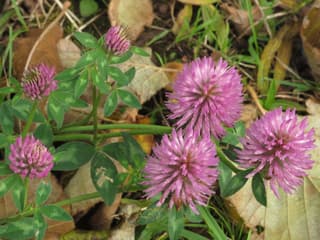
Red Clover
Trifolium pratense
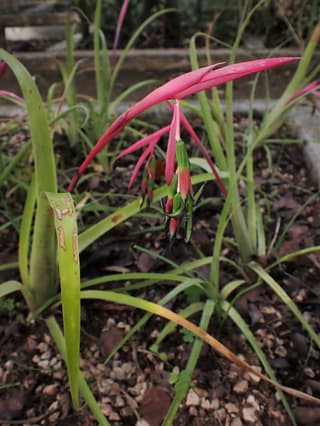
Queen's Tears
Billbergia nutans
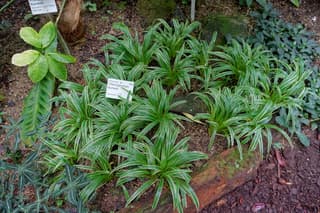
Zebra Grass Spider Plant
Chlorophytum laxum
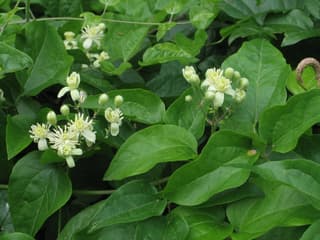
Traveller's Joy
Clematis vitalba
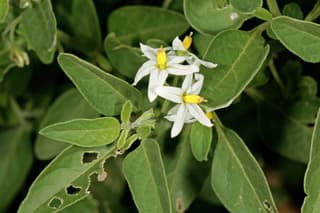
Tall nightshade
Solanum chenopodioides
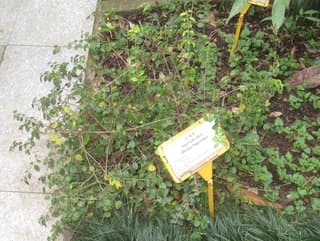
Sweet Plum
Sageretia theezans
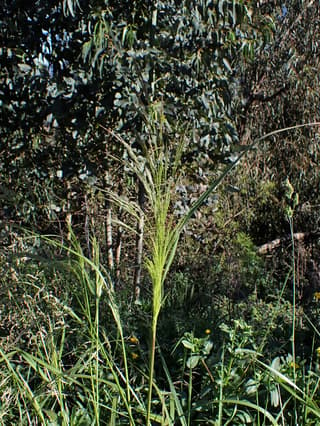
Johnson grass
Sorghum halepense
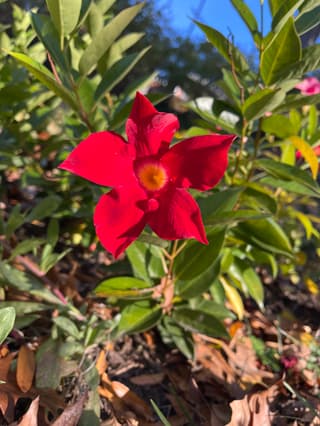
Mandevilla
Mandevilla
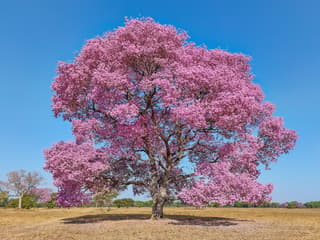
Trumpet Tree
Handroanthus
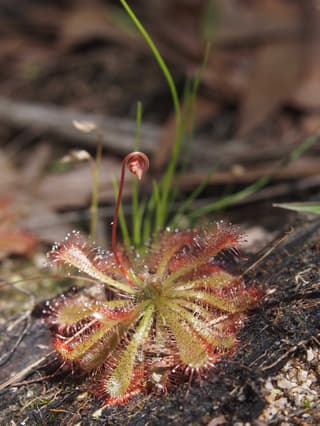
Spoon-leaved sundew
Drosera spatulata
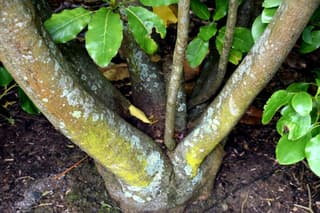
Puka
Meryta
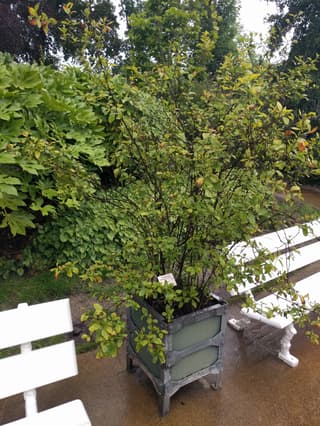
Cape Leadwort
Plumbago auriculata
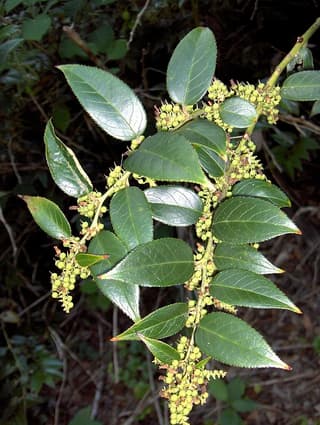
Fetterbush
Leucothoe fontanesiana
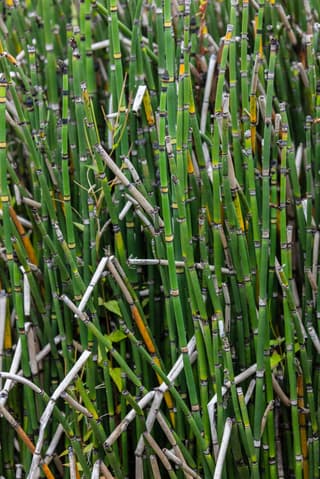
Rough Horsetail
Equisetum hyemale
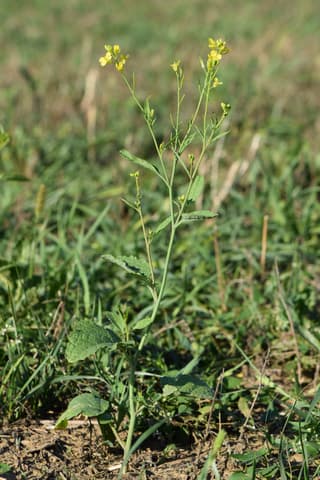
Brown Mustard
Brassica juncea
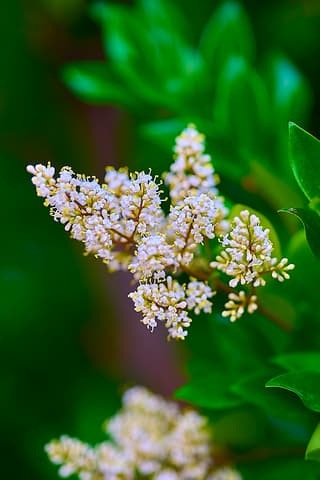
Privet
Ligustrum
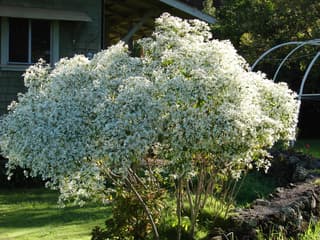
Snow bush
Euphorbia leucocephala
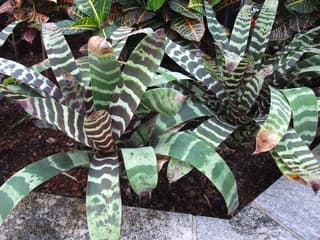
Flaming Sword
Lutheria splendens
Tuscaloosa County Climate for Plant Growing
Tuscaloosa County has a climate with an average annual temperature of 18.5°C and average relative humidity of 73.2%. These climate conditions are ideal for various species of ornamental and fruit plants.
Tips for Growing Plants in Tuscaloosa County
To succeed in growing plants in Tuscaloosa County, consider the average temperature of 18.5°C when choosing your species. The temperate climate allows you to grow a wide variety of species. High humidity favors tropical plants, but watch for fungal issues.
Why Choose Plants Adapted to the Local Climate?
Plants adapted to Tuscaloosa County's climate require less care, consume less water, and are more likely to thrive. Our selection considers the compatibility between each species' needs and local climate conditions, including temperature (18.5°C) and humidity (73.2%).