500 Best Plants for Ubiratã | 2026 Guide - Page 12
Discover the 500 ideal plants for Ubiratã's climate. Average temp: 22.1°C, Humidity: 76.5%.
Top 500 Plants for Ubiratã
Showing 397-432 of 500
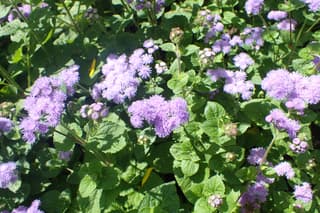
Floss Flower
Ageratum houstonianum
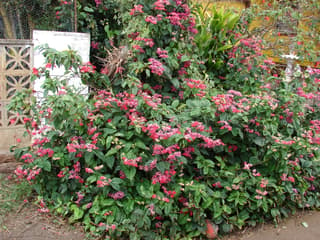
Red Bleeding Heart Vine
Clerodendrum × speciosum
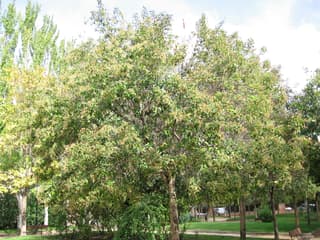
Japanese Privet
Ligustrum japonicum
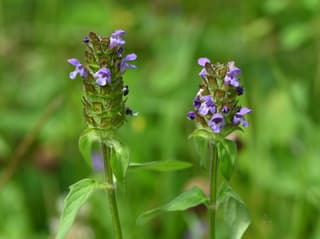
Self-Heal
Prunella vulgaris
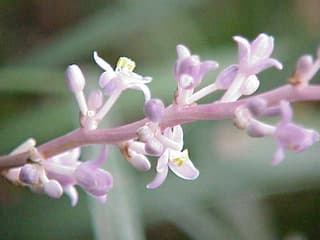
White Lilyturf
Ophiopogon jaburan
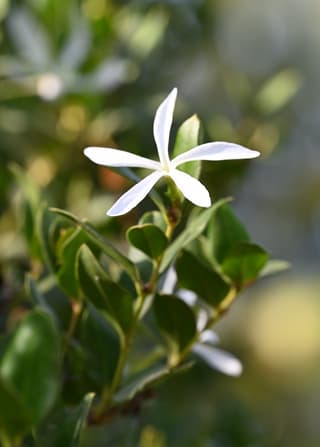
Natal Plum
Carissa macrocarpa
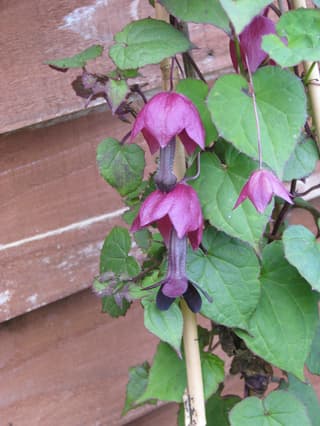
Purple Bells
Rhodochiton atrosanguineus
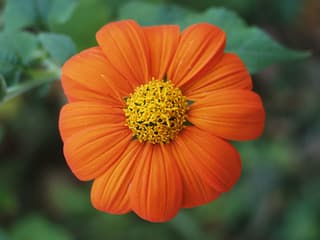
Mexican Sunflower
Tithonia
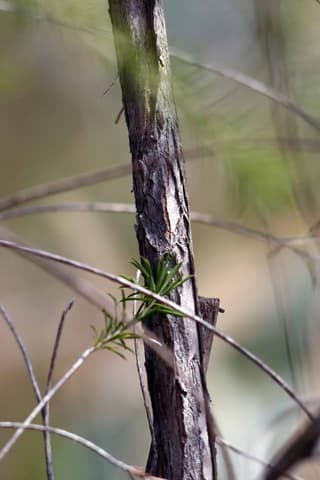
Bracelet Honey Myrtle
Melaleuca armillaris
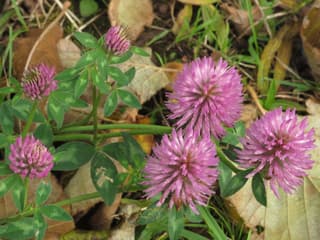
Red Clover
Trifolium pratense
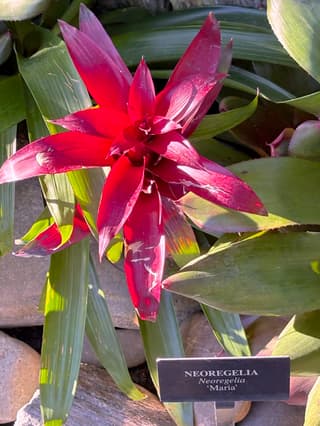
Blushing Bromeliad
Neoregelia
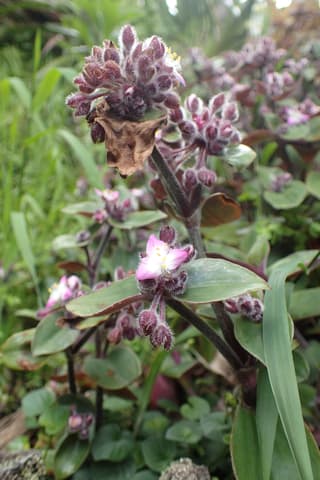
Flowering Inch Plant
Tradescantia cerinthoides
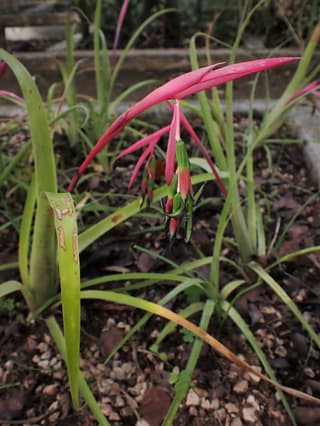
Queen's Tears
Billbergia nutans
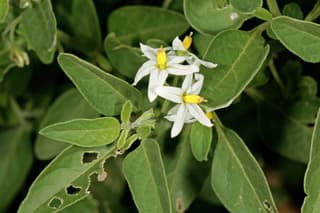
Tall nightshade
Solanum chenopodioides
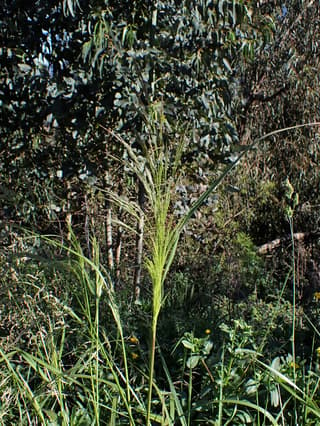
Johnson grass
Sorghum halepense
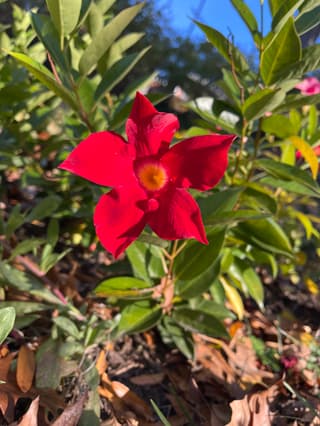
Mandevilla
Mandevilla
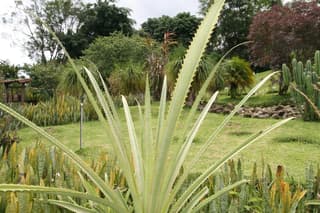
Wild Pineapple
Bromelia pinguin
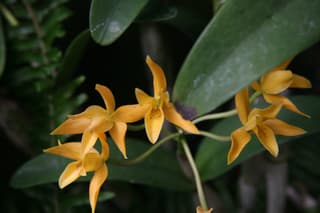
Orange Cattleya
Guarianthe aurantiaca
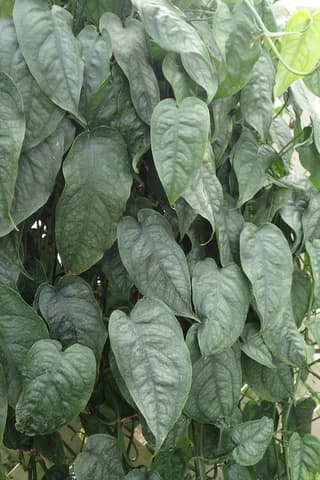
Silver Monstera
Monstera siltepecana
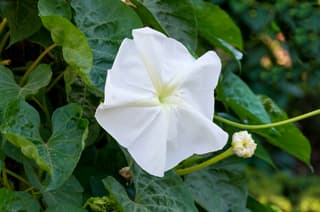
Moonflower
Ipomoea alba
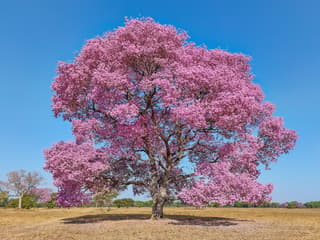
Trumpet Tree
Handroanthus
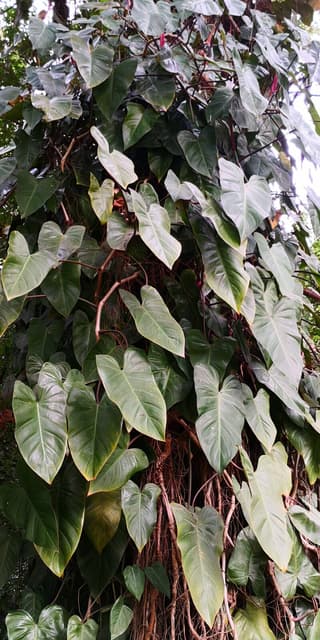
Imperial Green Philodendron
Philodendron 'Imperial Green'
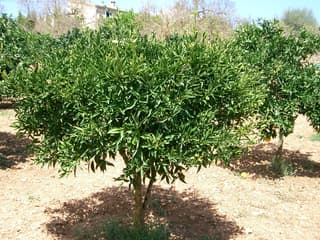
Willowleaf Mandarin
Citrus × aurantium f. deliciosa
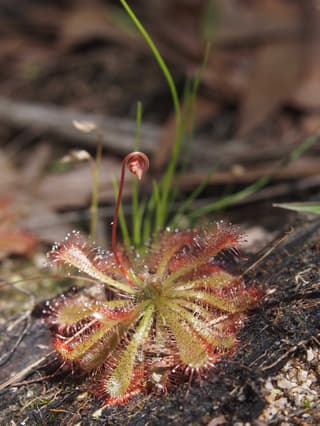
Spoon-leaved sundew
Drosera spatulata
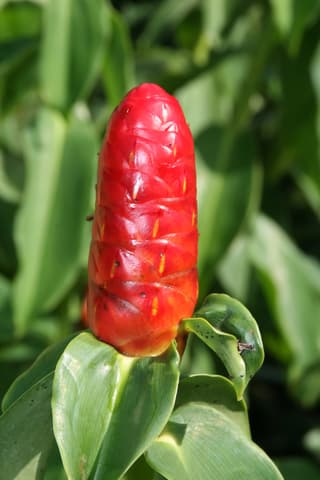
Red Button Ginger
Costus woodsonii
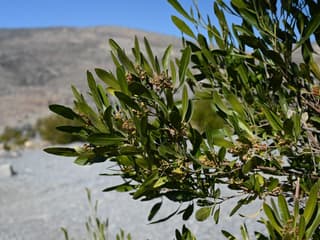
Hop bush
Dodonaea viscosa
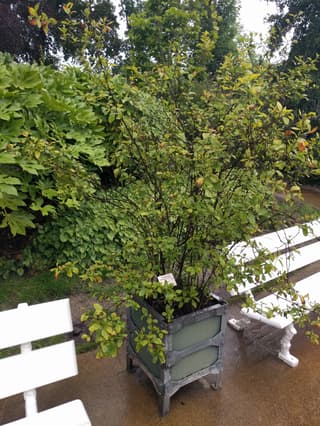
Cape Leadwort
Plumbago auriculata
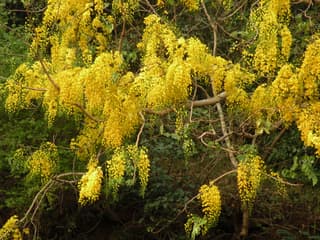
Golden shower tree
Cassia fistula
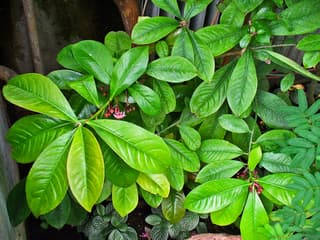
Coralberry
Ardisia
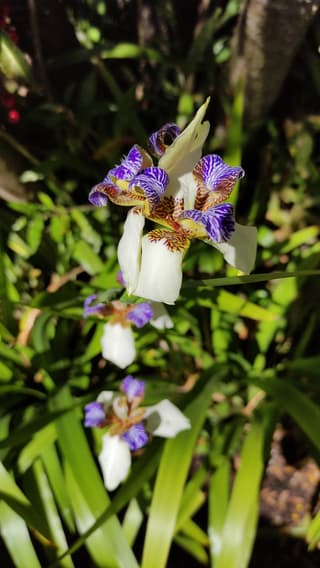
Yellow Walking Iris
Trimezia gracilis
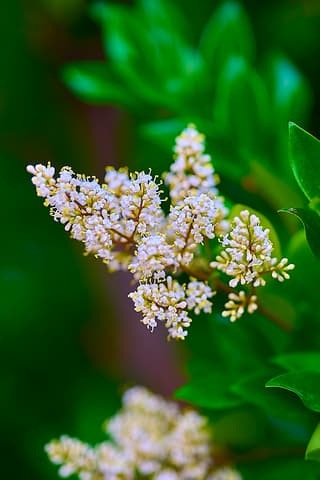
Privet
Ligustrum
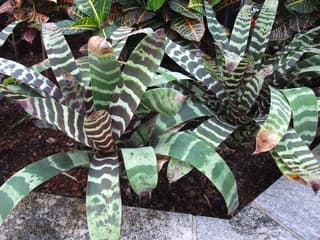
Flaming Sword
Lutheria splendens
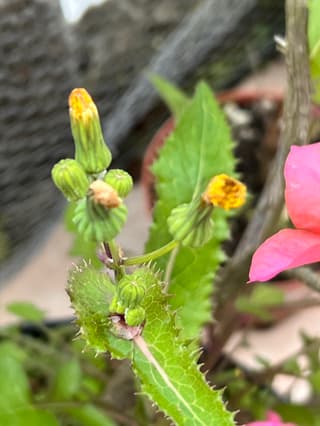
Sow Thistle
Sonchus
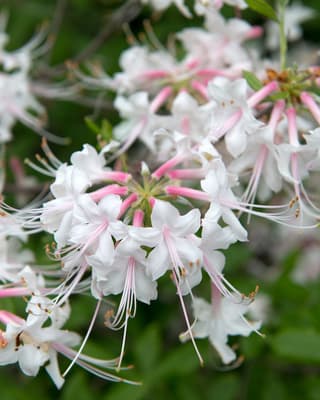
Alabama azalea
Rhododendron alabamense
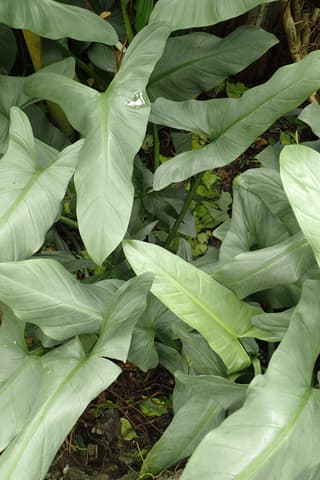
Spadeleaf Philodendron
Philodendron domesticum
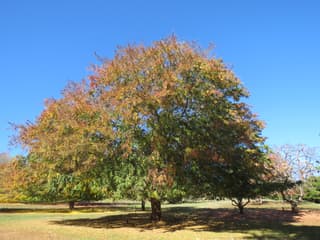
Chinese Elm
Ulmus parvifolia
Ubiratã Climate for Plant Growing
Ubiratã has a climate with an average annual temperature of 22.1°C and average relative humidity of 76.5%. These climate conditions are ideal for various species of ornamental and fruit plants.
Tips for Growing Plants in Ubiratã
To succeed in growing plants in Ubiratã, consider the average temperature of 22.1°C when choosing your species. The temperate climate allows you to grow a wide variety of species. High humidity favors tropical plants, but watch for fungal issues.
Why Choose Plants Adapted to the Local Climate?
Plants adapted to Ubiratã's climate require less care, consume less water, and are more likely to thrive. Our selection considers the compatibility between each species' needs and local climate conditions, including temperature (22.1°C) and humidity (76.5%).