2307 Easy Easy Care | 2026 Guide - Page 64
Find 2307 easy easy care. Complete guide for your garden.
2307 Easy Care with easy level
Showing 2269-2304 of 2307
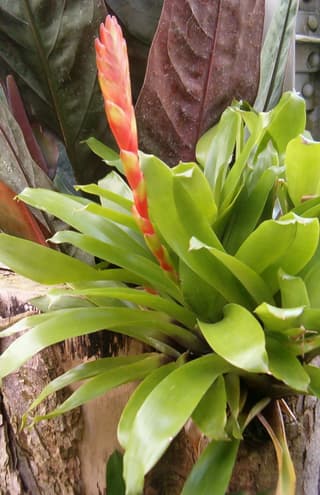
Vriesea
Vriesea
Vriesea is a genus of approximately 250 epiphytic bromeliads native to the Americas, particularly Central and South America. They form tank-shaped rosettes with long, often ornamentally banded or spotted leaves. The dramatic, flat flower spikes display vibrant bracts in shades of red, yellow, orange, and pink that last for weeks.
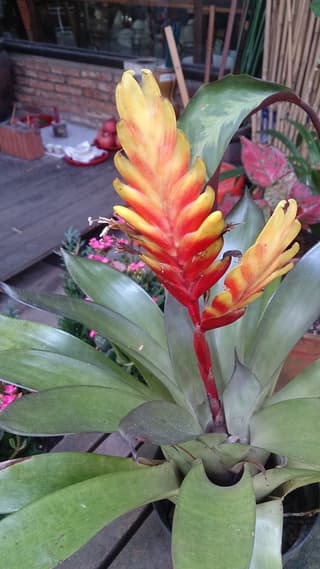
Lobster Claws Bromeliad
Vriesea carinata
Vriesea carinata, commonly known as Lobster Claws Bromeliad or Painted Feather, is an epiphytic bromeliad native to the Atlantic Forest of Brazil. It is prized for its stunning red and yellow flower bracts that resemble lobster claws. A compact, low-maintenance plant ideal for indoor tropical settings.
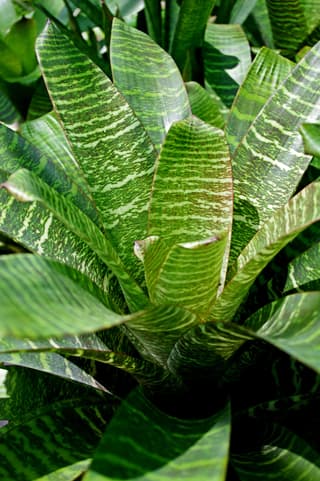
King of Bromeliads
Vriesea hieroglyphica
Tank bromeliad with distinctive banded green leaves featuring dark cross-banding and recurved tips, resembling hieroglyphic markings. Produces branching yellow, cream, or white flowers on tall inflorescences. Endemic to southeastern Brazil, thriving in humid conditions beneath tree shade.
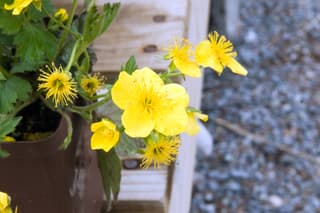
Barren Strawberry
Waldsteinia ternata
Barren strawberry (Waldsteinia ternata) is a low-growing, semi-evergreen perennial groundcover belonging to the Rosaceae family. It is native to a region spanning from Central Europe to Siberia and Japan. Its trifoliate, dark green leaves form a dense mat that effectively covers the ground throughout the growing season. The foliage remains green under the snow and recovers quickly in the spring. In May, the plant bursts into yellow blooms that resemble strawberry flowers. Barren strawberry is very low-maintenance and is an excellent choice for a groundcover in semi-shaded gardens.
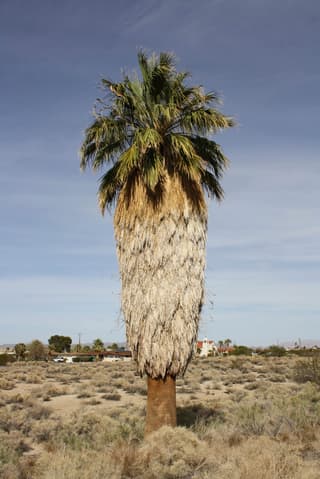
California Fan Palm
Washingtonia filifera
Washingtonia filifera, the California fan palm (also called desert fan palm), is a massive, single-trunked palm native to desert oases of the southwestern United States. It is the only palm species native to the western United States and forms dense groves around natural springs in the Colorado and Mojave deserts. Mature palms develop a thick, fibrous gray-brown trunk topped with a crown of large, fan-shaped (palmate) leaves that can reach 1.5-2 m across, each armed with curling filaments along the leaf margins that give the species its epithet "filifera" (thread-bearing). Older, uncultivated specimens often retain a skirt of dead fronds hanging down the trunk, earning it the nickname "petticoat palm."
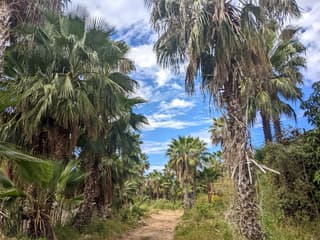
Mexican Fan Palm
Washingtonia robusta
Washingtonia robusta, commonly known as the Mexican Fan Palm or Skyduster, is a fast-growing palm native to Baja California and Sonora, Mexico. Prized for its slender towering trunk and large fan-shaped fronds, it can reach up to 30 meters tall and is widely planted along boulevards, in parks, and in warm-climate gardens worldwide.
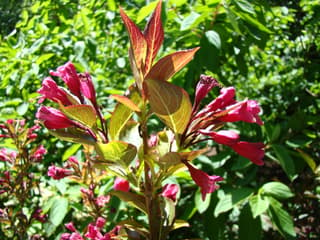
Old Fashioned Weigela
Weigela florida
Weigela florida, commonly known as Old Fashioned Weigela, is a deciduous flowering shrub native to northern China and Korea. It is celebrated for its profuse, trumpet-shaped blooms in shades of pink, red, and white that emerge in late spring and early summer, making it a beloved choice for garden borders and foundation plantings. Its arching branches create an elegant silhouette, and modern cultivars offer a wide range of foliage colors from deep burgundy to variegated cream.
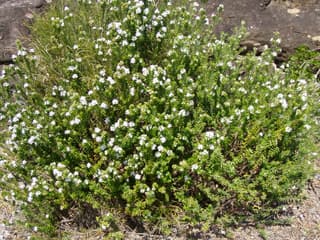
Coastal Rosemary
Westringia fruticosa
Westringia fruticosa, commonly known as Coastal Rosemary, is a hardy evergreen shrub native to coastal areas of southeastern Australia. Despite its common name and rosemary-like foliage, it is not related to true rosemary but belongs to the mint family (Lamiaceae). It produces an abundance of small white to lavender flowers almost year-round, making it a popular ornamental shrub in Australian and Mediterranean-style gardens.
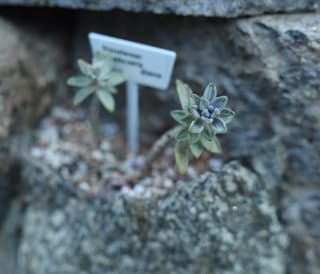
Little Jewel
x Pachyveria glauca
x Pachyveria 'Glauca' (Little Jewel) is a hybrid succulent from the Crassulaceae family, resulting from a cross between the Pachyphytum and Echeveria genera. It forms a compact, spiky rosette of thick, fleshy, cylindrical leaves with a dusty blue-gray coloration and tips that take on red and violet tones under intense sun. It is a plant of exclusively horticultural origin (does not occur in nature), very popular in rock gardens, shallow pot compositions, and succulent collections for its hardiness and understated beauty. In winter and early spring, it can produce small flowers in shades of pink and peach.
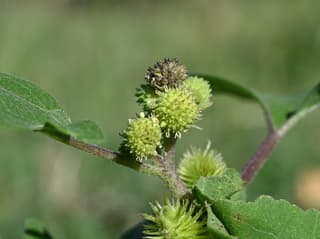
Cocklebur
Xanthium
Xanthium is a genus of annual herbaceous weeds in the family Asteraceae, native to the Americas and eastern Asia. It is best known for its spiny bur fruits that cling to clothing and animal fur, aiding seed dispersal. Plants grow in disturbed soils, roadsides, and open fields, reaching up to 120 cm tall.
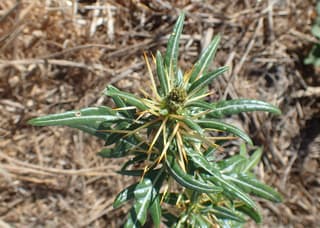
Spiny Cocklebur
Xanthium spinosum
Xanthium spinosum, commonly known as Spiny Cocklebur or Bathurst Burr, is an annual invasive herb in the Asteraceae family, presumed native to South America. It is characterized by long yellowish three-pronged spines at leaf bases and spiny burs that cling readily to animal fur and clothing. It is considered a serious agricultural weed and is highly toxic to livestock and humans.
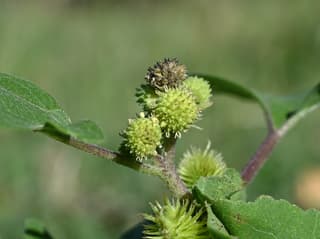
Rough Cocklebur
Xanthium strumarium
Xanthium strumarium, known as Rough Cocklebur, is an annual herbaceous weed belonging to the Asteraceae family. It is a cosmopolitan invasive species found on all continents except Antarctica, thriving in disturbed soils, floodplains, roadsides, and agricultural fields. It is best known for its hard, spiny burs that cling to animal fur and clothing — a property that inspired the invention of velcro. The plant is highly toxic, particularly in the seedling and cotyledon stages, where it contains carboxyatractyloside, a diterpenoid glycoside fatal to livestock and potentially to humans.
Maritime sunburst lichen
Xanthoria parietina
Xanthoria parietina, commonly known as the maritime sunburst lichen or common orange lichen, is a highly resilient lichen species often seen on rocks, walls, and tree bark. Its characteristic bright yellow or orange color is provided by a pigment called parietin, which protects the cells from intense UV radiation. This species lives in symbiosis, with its body composed of a fungus and an alga. It is an excellent bioindicator, as it tolerates nitrogen-rich environments well but remains sensitive to certain types of air pollution.
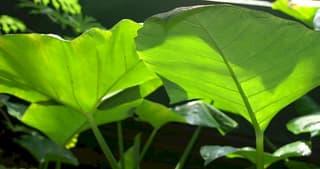
Arrowleaf Elephant Ear
Xanthosoma sagittifolium
Xanthosoma sagittifolium, popularly known as Arrowleaf Elephant Ear, is a lush tropical plant with large heart- or arrow-shaped leaves. Native to Central and South America, it is widely cultivated for both its ornamental value and its culinary use in various regions. Its leaves can reach impressive sizes, creating a jungle-like look in gardens or well-lit interiors.
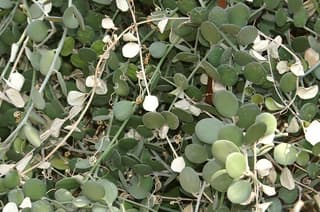
Silver Dollar Vine
Xerosicyos danguyi
A climbing succulent native to Madagascar, belonging to the Cucurbitaceae family. Its fleshy, round, grayish-green leaves resemble silver coins, which gives it its common name. It grows as a vine with thin, woody stems that can reach several meters in length, making it ideal for hanging pots or growing on a trellis in bright indoor spaces.
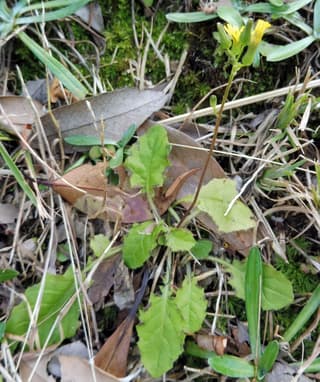
Oriental False Hawksbeard
Youngia japonica
Oriental False Hawksbeard (Youngia japonica) is an annual or biennial herb in the Asteraceae family, native to East Asia (Japan, Korea, and China), and now naturalized in various tropical and subtropical regions worldwide, including Brazil. It forms a basal rosette of oblanceolate, lobed leaves from which branched stems emerge, bearing small yellow flower heads. It is a hardy, fast-growing plant commonly found in gardens, flowerbeds, nurseries, and sidewalk cracks, and is considered invasive in several countries. Its young leaves are edible, and the species has traditional uses in Asian folk medicine.
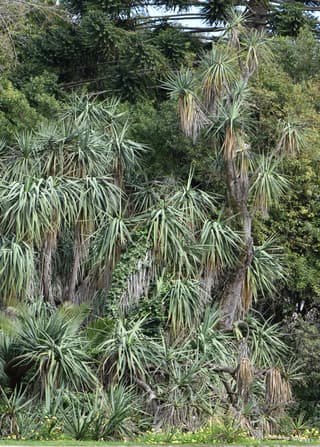
Yucca
Yucca
Yucca is a genus of about 40-50 species of perennial shrubs and trees in the family Asparagaceae, native to hot, arid regions of the Americas including Mexico, the southwestern United States, and the Caribbean. Known for their dramatic sword-like leaves and towering white flower spikes, yuccas are among the most iconic desert and garden plants in the world. Popular indoor species include Yucca elephantipes (Spineless Yucca) and Y. gigantea; outdoors, Y. filamentosa and Y. aloifolia thrive in garden landscapes.
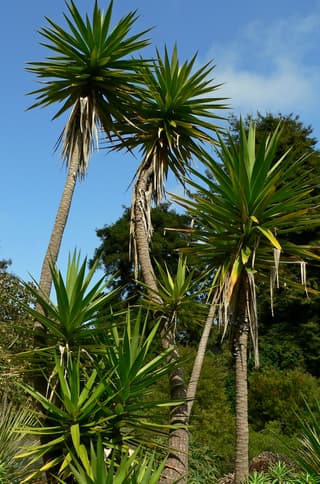
Spanish Bayonet
Yucca aloifolia
Yucca aloifolia, commonly known as Spanish Bayonet, is a striking evergreen shrub or small tree native to the southeastern United States, Mexico, and the Caribbean. It features stiff, sword-like leaves with razor-sharp tips that form a dramatic rosette atop a woody trunk. In summer, it produces tall spikes of creamy white bell-shaped flowers that attract pollinators. Its bold architectural form makes it a popular choice for xeriscape gardens, coastal landscapes, and as a natural security barrier.
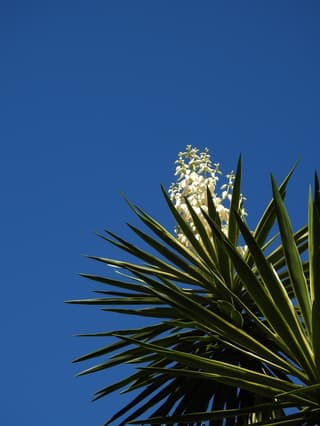
Spineless Yucca
Yucca elephantipes
The Spineless Yucca (Yucca elephantipes) is a striking ornamental plant from the Asparagaceae family, native to Mexico and Central America. Known for its thick trunk base resembling an elephant's foot, it is extremely hardy and easy to care for. It can reach up to 10 meters outdoors, but typically grows 2-4 meters indoors.
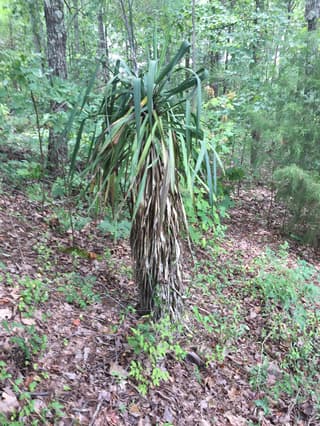
Adam's Needle
Yucca filamentosa
Yucca filamentosa, commonly known as Adam's Needle, is a striking evergreen perennial native to the southeastern United States. It forms bold architectural rosettes of stiff, sword-shaped leaves edged with distinctive curly white filaments. In late spring to early summer, it sends up dramatic tall panicles of creamy white, bell-shaped flowers that attract pollinators like yucca moths and hummingbirds. Exceptionally drought-tolerant and cold-hardy down to zone 4, it thrives in full sun and well-drained soils, making it ideal for xeriscaping, coastal gardens, and rock gardens.
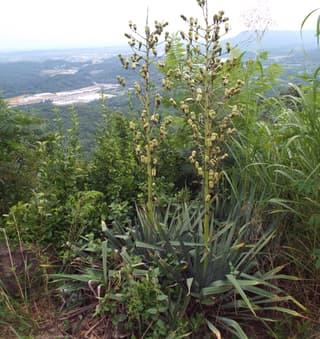
Weak-leaf Yucca
Yucca flaccida
Yucca flaccida, commonly known as Weak-leaf Yucca or Adam's Needle, is a hardy evergreen shrub native to the eastern United States. It forms a dramatic basal rosette of long, sword-shaped leaves that characteristically droop or flop at their tips — the source of its common name. Tall, creamy white flower spikes emerge in summer, making it a striking ornamental plant for dry gardens and landscapes.
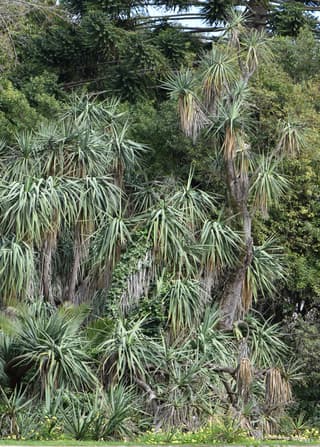
Spineless Yucca
Yucca gigantea
Yucca gigantea, commonly known as Spineless Yucca or Giant Yucca, is a striking large-stemmed tree native to Central America (Mexico, Guatemala, Belize, Honduras). Unlike most yuccas, its leaves have soft, flexible tips making it safer to handle. Grown indoors it forms a dramatic architectural focal point with rosettes of long, arching green leaves atop thick, sculptural trunks. Outdoors in warm climates it can reach 9 m or more and produces tall panicles of creamy-white bell-shaped flowers in summer. It is prized for its drought tolerance, low maintenance needs, and bold tropical aesthetic.
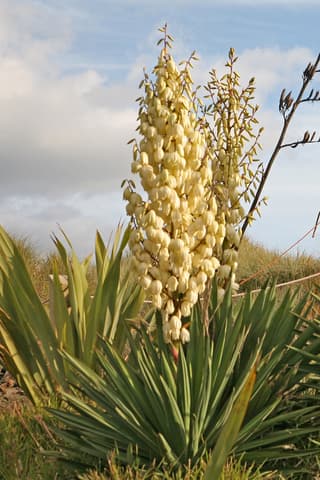
Spanish Dagger
Yucca gloriosa
Yucca gloriosa, commonly known as the Spanish Dagger, is an evergreen shrub native to the southeastern United States. Its stiff, sword-shaped leaves form imposing basal rosettes, and its flower stalk can reach up to 16 feet in height with bell-shaped white flowers. It is an extremely hardy plant, tolerating drought, heat, wind, and salt spray.
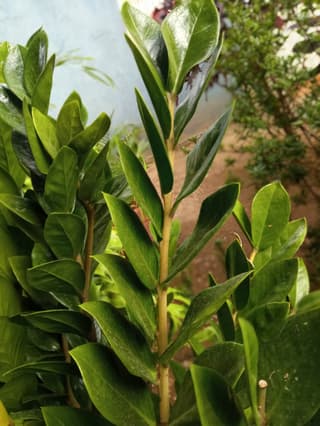
ZZ Plant
Zamioculcas
The ZZ Plant (Zamioculcas zamiifolia) is a tropical perennial native to Eastern Africa, prized for its exceptional drought tolerance and glossy, dark-green foliage. A member of the Araceae family, it stores water in thick rhizomes and fleshy roots, making it one of the most forgiving houseplants available. Its arching stems lined with oval, waxy leaflets add an elegant, sculptural quality to any interior space.
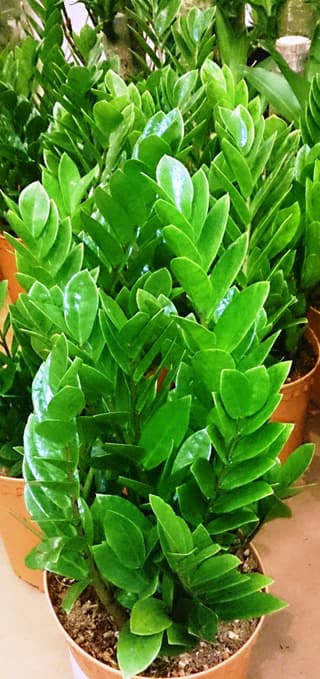
ZZ Plant
Zamioculcas zamiifolia
The ZZ Plant (Zamioculcas zamiifolia) is a tropical perennial native to eastern Africa, renowned for its glossy, dark green pinnate leaves and remarkable resilience. Its ability to thrive in low light conditions and tolerate drought makes it one of the most popular and beginner-friendly houseplants. The plant grows from underground rhizomes that store water, allowing it to survive extended periods without watering.
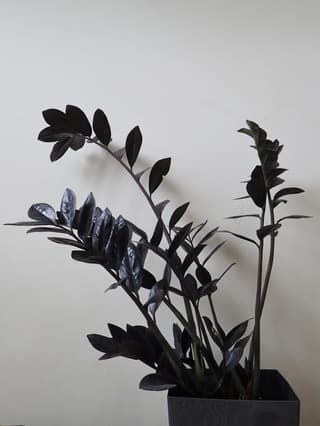
Raven ZZ Plant
Zamioculcas zamiifolia 'Raven'
The Raven ZZ Plant is a striking cultivar of the classic ZZ plant, prized for its glossy, deep purple-black foliage. New shoots emerge bright lime green and gradually darken to near-black over 4-8 weeks, creating a dramatic two-tone effect on mature plants. Like its green parent, it stores water in thick underground rhizomes, making it extremely drought-tolerant and nearly indestructible for beginners.
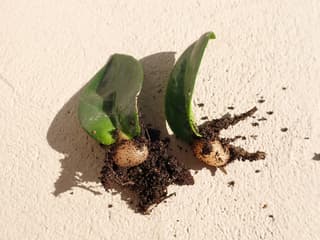
Dwarf ZZ Plant
Zamioculcas zamiifolia 'Zenzi'
The Dwarf ZZ Plant (Zamioculcas zamiifolia 'Zenzi') is a compact cultivar of the popular ZZ Plant, featuring smaller, more rounded leaflets on arching stems. Native to East Africa as a selected cultivar, it is perfect for small spaces. Highly resilient, it tolerates low light and extended dry periods thanks to its water-storing rhizomes. WARNING: contains calcium oxalate crystals — toxic to humans, dogs and cats.
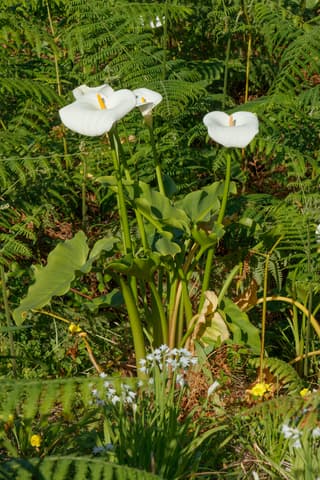
Calla Lily
Zantedeschia aethiopica
Zantedeschia aethiopica, commonly known as Calla Lily or Arum Lily, is a striking perennial from the family Araceae, native to southern Africa. It produces iconic trumpet-shaped white spathes surrounding a yellow spadix, with large, glossy, arrow-shaped leaves. Widely grown as an ornamental plant in gardens and as a cut flower, it thrives in moist, fertile soil.
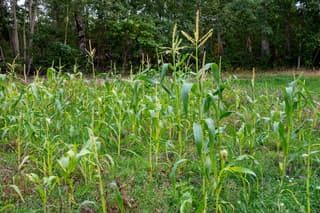
Corn
Zea mays
Zea mays, commonly known as corn or maize, is an annual grass native to Mesoamerica. It is one of the world's most important crops, characterized by its rapid growth, sturdy stalks, and the production of ears enclosed in husks. Beyond its economic importance, it is a plant of great cultural and nutritional value for many civilizations.
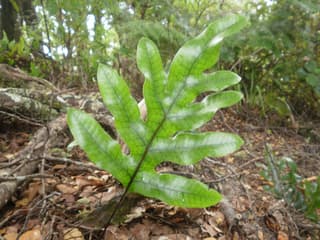
Kangaroo Fern
Zealandia pustulata
Zealandia pustulata, commonly known as the kangaroo fern or hound's tongue fern, is an epiphytic and lithophytic fern native to New Zealand, eastern Australia (Queensland, New South Wales, Victoria, Tasmania), Lord Howe Island and Norfolk Island. In the wild it climbs over rocks, tree trunks and forest floor debris via long, creeping grey-green rhizomes, producing leathery, glossy green fronds that range from simple to deeply lobed. Formerly classified under Microsorum and Phymatosorus, it was moved to its own genus, Zealandia, in 2019. Slow-growing but tough and adaptable, it is prized as a low-maintenance houseplant, hanging basket subject, or shaded ground cover, tolerating periods of drought once established and rarely troubled by pests or disease.
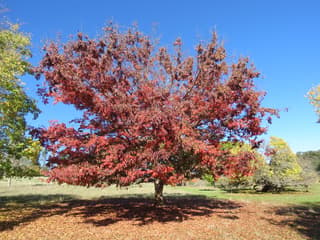
Japanese Zelkova
Zelkova serrata
Zelkova serrata, commonly known as Japanese Zelkova or Keaki, is a graceful deciduous tree native to Japan, China, and Korea. A member of the elm family (Ulmaceae), it is celebrated for its vase-shaped canopy, serrated leaves that turn brilliant shades of orange, red, and burgundy in autumn, and its distinctive honeycomb-patterned bark. Widely planted as an urban shade tree, it is also one of the most revered subjects in the art of bonsai.
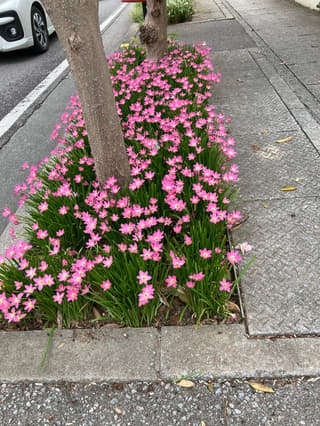
Pink Rain Lily
Zephyranthes rosea
Zephyranthes rosea, commonly known as the pink rain lily or Cuban zephyrlily, is a small bulbous perennial in the amaryllis family (Amaryllidaceae). Native to the Caribbean and parts of South America, it produces slender, grass-like dark green leaves and funnel-shaped, bright pink flowers with a green throat that emerge suddenly after heavy rains, typically in late summer. Growing only 15-20 cm tall, it forms dense clumps ideal for borders, rock gardens, and containers.

Zinnia
Zinnia
Zinnia is a genus of annual flowering herbs in the daisy family (Asteraceae), native to Mexico and the southern United States. Prized for their bold, long-lasting blooms in single, semi-double, or double forms, zinnias flower profusely from summer through the first frost in colors ranging from red and orange to pink, yellow, purple, and white.
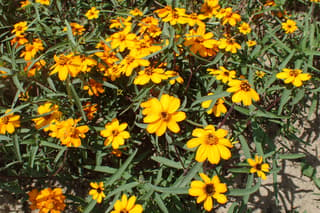
Narrow-leaf Zinnia
Zinnia angustifolia
Zinnia angustifolia, commonly known as Narrow-leaf Zinnia or Mexican Zinnia, is a compact, heat-tolerant annual native to Mexico and the southwestern United States. It produces an abundance of cheerful single daisy-like flowers in white, orange, and yellow throughout summer and fall. Unlike its cousin Z. elegans, this species is highly resistant to powdery mildew, alternaria blight, and bacterial leaf spot, making it an exceptionally low-maintenance choice for sunny gardens, borders, and containers.
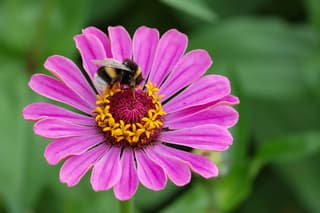
Common Zinnia
Zinnia elegans
Zinnia elegans is an exuberantly flowering annual plant native to Mexico that produces vibrant blooms in a wide range of colors. One of the most popular summer flowers in gardens worldwide, it is celebrated for its ease of growth and spectacular flowering that attracts butterflies, hummingbirds, and bees.
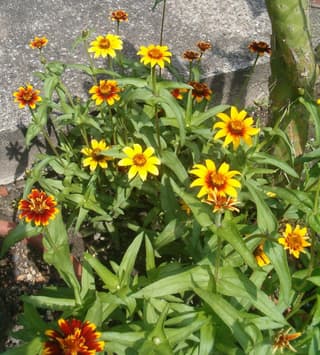
Mexican Zinnia
Zinnia haageana
Zinnia haageana, commonly known as Mexican Zinnia or Narrowleaf Zinnia, is a compact annual native to Mexico. It produces an abundance of small, cheerful bicolor flowers in shades of orange, red, yellow, and gold throughout summer and fall. Unlike its cousin Zinnia elegans, this species features narrower leaves, smaller blooms under 1 inch in diameter, and exceptional heat, drought, and pest resistance. It is a favorite for borders, containers, pollinator gardens, and mass plantings.
Easy Care Easy Care
Our selection of 2307 easy easy care combines the characteristics of this category with reduced care needs. Perfect for beginners who love this category.
Why Choose Easy Easy Care?
Combining the beauty of easy care with easy difficulty level lets you enjoy this category without excessive maintenance worries. Each plant was selected to offer the best characteristics of the category at the care level you are looking for.