85 Easy Foliage Plants | 2026 Guide - Page 2
Find 85 easy foliage plants. Complete guide for your garden.
85 Foliage Plants with easy level
Showing 37-72 of 85
Philodendron
Philodendron
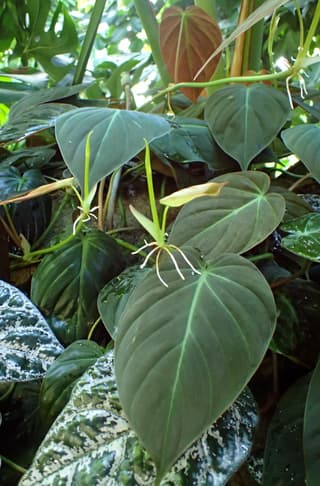
Philodendron is one of the largest and most diverse genera of tropical houseplants in the Araceae family, originating from Central and South America. With nearly 500 species, philodendrons range from compact trailing vines like P. hederaceum (heartleaf) to dramatic large-leaved climbers like P. erubescens and sculptural aroids like P. bipinnatifidum and P. xanadu. Their lush, glossy foliage and adaptability to indoor conditions have made them among the most beloved houseplants worldwide. All species contain calcium oxalate crystals and are mildly to moderately toxic to pets and humans.
Imperial Green Philodendron
Philodendron 'Imperial Green'
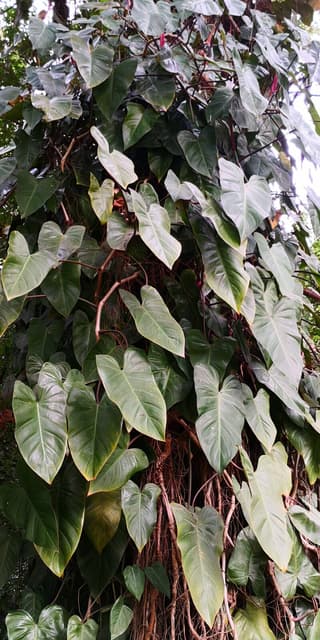
Philodendron 'Imperial Green' is a self-heading hybrid cultivar within the Araceae family, prized for its large, glossy, deep green leaves and effortless temperament. Native to tropical regions of Central and South America, it develops as a leafy rosette with a broad mature spread and usually requires no pole support. Mature leaves can reach 40-50 cm in length, and the plant may eventually grow to approximately 1 m tall indoors. This is a low-maintenance houseplant that thrives in bright, indirect light and prefers well-draining, organic-rich soil.
Philodendron Jungle Boogie
Philodendron 'Jungle Boogie'
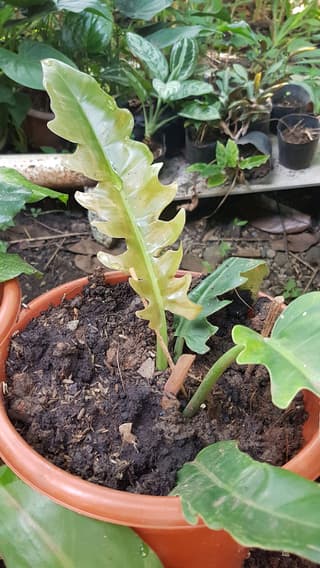
A tropical hybrid philodendron cultivar (Philodendron × 'Henderson's Pride') prized for its distinctive long, narrow leaves with serrated edges resembling saw teeth. An epiphytic aroid with climbing growth habit, aerial roots, and fast growth. Member of the Araceae family, suited for bright indirect indoor light.
Pink Congo Philodendron
Philodendron 'Pink Congo'
The Pink Congo Philodendron is a Philodendron hybrid sold with bright pink leaves. Important: the pink color is artificially induced by chemical (ethylene) treatment and is temporary — new leaves revert to natural green within 6 to 12 months. Care is that of a typical hybrid Philodendron. It contains calcium oxalate and is toxic to cats, dogs and humans.

Pink Princess Philodendron
Philodendron 'Pink Princess'
Philodendron 'Pink Princess' is a striking cultivar of Philodendron erubescens, prized for its glossy, heart-shaped leaves splashed with vivid pink and creamy-white variegation against a deep green to near-black background. A climbing tropical aroid native to South America, it produces sturdy vining stems that benefit from a moss pole or trellis as the plant matures. The amount and pattern of pink variegation is unstable and driven by chimeric tissue, so leaf coloring can vary widely from leaf to leaf and plant to plant.
Prince of Orange Philodendron
Philodendron 'Prince of Orange'
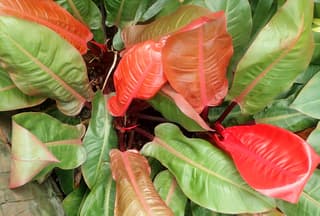
Philodendron 'Prince of Orange' is a compact, self-heading hybrid aroid prized for the vivid copper-orange color of its emerging leaves, which mature through yellow-green to a glossy deep green. Unlike vining philodendrons, it grows upright in a neat rosette, making it a favorite tabletop and shelf plant. It is a fast grower under good light and stays relatively small, rarely exceeding about 60 cm (2 ft) in height and spread indoors.

Rojo Congo Philodendron
Philodendron 'Rojo Congo'
Philodendron 'Rojo Congo' is a bold, self-heading tropical hybrid prized for its large, glossy leaves that emerge coppery-red and mature to deep green on red-tinted stems. It forms a full, upright clump and stays compact for its size, making it a striking, low-fuss statement houseplant.

Fiddleleaf philodendron
Philodendron bipennifolium
Philodendron bipennifolium is a tropical climbing aroid from South America, grown as a houseplant for its large, lobed leaves shaped like a fiddle or a horse's head. It is vigorous, climbs a moss pole, and develops larger leaves as it matures.
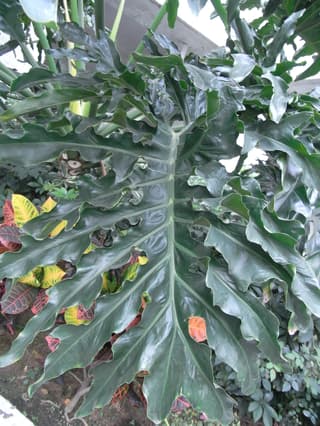
Tree Philodendron
Philodendron bipinnatifidum
Tree Philodendron is a scandent shrub native to Brazil's Atlantic Forest, highly valued as an ornamental plant for its large, glossy, deeply lobed leaves. Part of the Araceae family, it can reach up to 4.5 meters in height outdoors. It is a versatile plant that adapts well to both indoor and garden settings.
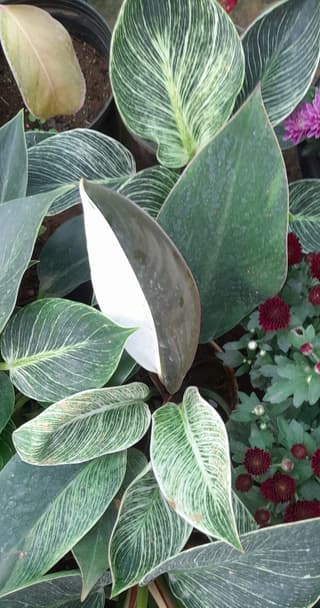
Birkin Philodendron
Philodendron birkin
The Birkin Philodendron is a tropical epiphytic plant in the Araceae family, distinguished by its dark green leaves adorned with distinctive white or cream-colored pinstripes that create a striking variegated pattern. A relatively modern hybrid cultivar resulting from a cross between the Philodendron Rojo Congo and other selected varieties, it has become increasingly popular in recent years. Widely cultivated as an ornamental houseplant, it is prized for its attractive foliage and compact growth habit. Beyond aesthetics, the Birkin actively purifies indoor air by removing volatile organic compounds including formaldehyde.

Silver Leaf Philodendron
Philodendron brandtianum
Philodendron brandtianum, known as the Silver Leaf Philodendron, is a climbing aroid native to the tropical rainforests of Brazil, Peru, Bolivia, Ecuador, and Colombia. Its heart-shaped, olive-green leaves are marked with striking silvery patches created by leaf structure rather than pigment. A fast-growing vine, it thrives climbing on moss poles or trailing from hanging baskets, and adapts well to indoor cultivation.
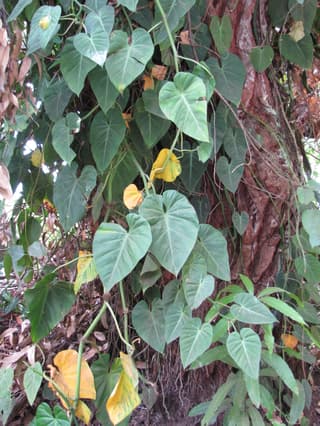
Heartleaf Philodendron
Philodendron cordatum
Philodendron cordatum is a fast-growing vining species native to the Atlantic Forest of Brazil. Distinguished from the commonly sold P. hederaceum (also marketed as heartleaf philodendron), the true P. cordatum features deep green, glossy, heart-shaped leaves and thrives indoors with minimal care. It is toxic to pets and humans due to insoluble calcium oxalate crystals.
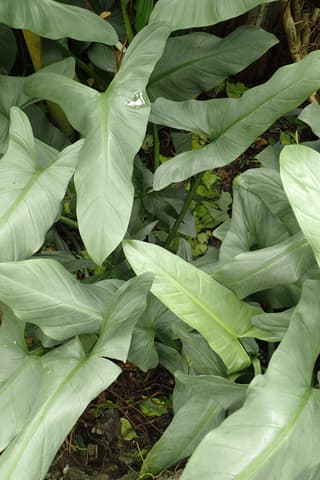
Spadeleaf Philodendron
Philodendron domesticum
Philodendron domesticum, known as the Spadeleaf Philodendron or Elephant Ear Philodendron, is a tropical plant from the Araceae family native to the Americas. Its spade-shaped leaves are large, glossy, and dark green, reaching up to 22 inches (56 cm) in length. It is a fast-growing climbing plant, highly valued as an indoor ornamental, where it purifies the air and provides a lush, tropical look.
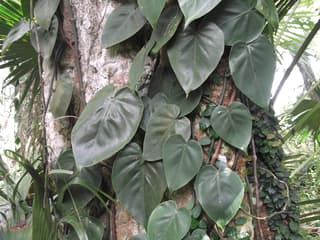
Heartleaf Philodendron
Philodendron hederaceum
Philodendron hederaceum is a climbing or trailing vine native to Central and South America. Its heart-shaped leaves and vigorous growth make it one of the most popular houseplants. It is resilient, adaptable, and an excellent air purifier.

Lemon Lime Philodendron
Philodendron hederaceum 'Lemon Lime'
Philodendron hederaceum 'Lemon Lime' is a chartreuse-leaved cultivar of the heartleaf philodendron, a fast-growing evergreen vine in the Araceae family native to Central America and the Caribbean. Its glossy, heart-shaped leaves emerge lime-yellow and hold their neon color best in bright, indirect light. In its natural habitat the species behaves as a semi-epiphyte, climbing tree trunks with aerial roots, but as a houseplant it is most often grown trailing from a hanging basket or shelf.
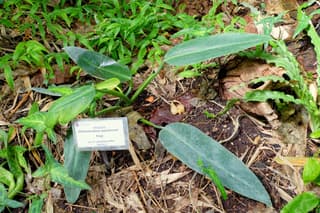
Flask Philodendron
Philodendron martianum
Philodendron martianum, commonly known as the Flask Philodendron or Fat Boy Philodendron, is a species native to the Brazilian Atlantic Forest. It is distinguished by its uniquely swollen, flask-shaped petioles that store water, and its large, glossy, solid dark-green leaves. A robust and ornamental houseplant, it thrives in bright indirect light and is well-suited for indoor cultivation.

Split-leaf Philodendron
Philodendron radiatum
Philodendron radiatum is a robust, evergreen root-climbing aroid native to the rainforests of southern Mexico, Belize, Guatemala, Honduras, Nicaragua, Costa Rica and Panama. In the wild it lives as an epiphyte or hemiepiphyte, sending down long aerial roots that anchor onto tree trunks as the vine climbs toward the forest canopy, eventually reaching heights of 25 m (82 ft) or more. Its most striking feature is the mature foliage: large, triangular-ovate leaves up to 1 m long and 1 m wide at the base, so deeply lobed with radiating segments that they appear almost pinnate, which is the source of both its scientific epithet "radiatum" and its common name, Split-leaf Philodendron. Juvenile plants carry simpler, less-divided leaves that become progressively more dissected as the vine matures and climbs.
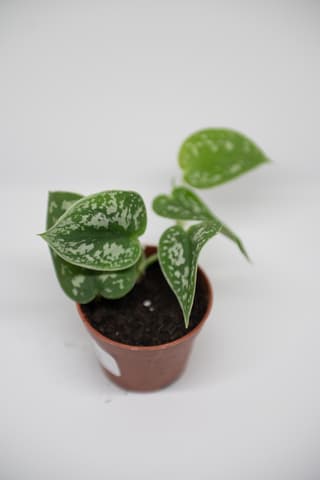
Heartleaf Philodendron
Philodendron scandens
The Heartleaf Philodendron (Philodendron scandens, syn. Philodendron hederaceum) is an evergreen tropical climbing plant from the Araceae family, native to Central and South America. Its glossy, dark green heart-shaped leaves can reach up to 30 cm in length under ideal conditions. It is one of the most popular houseplants in the world due to its ease of care and adaptability to various light conditions.
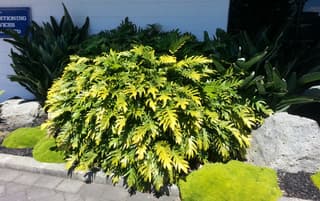
Xanadu Philodendron
Philodendron xanadu
The Xanadu Philodendron (Philodendron xanadu) is a tropical plant native to Brazil, prized for its deeply lobed, glossy dark-green leaves. Compact compared to other philodendrons, it grows in a dense, lush clump and is widely popular as both an indoor and outdoor tropical garden plant. It belongs to the Araceae family and is reclassified by modern botanists under the genus Thaumatophyllum.

Water Lettuce
Pistia stratiotes
Water Lettuce (Pistia stratiotes) is a free-floating aquatic plant in the Araceae family, native to pantropical regions. Its velvety rosette leaves resemble a small head of lettuce, hence the common name. It is widely cultivated in ornamental ponds, aquariums, and water features where it plays a key role in natural water filtration by absorbing excess nutrients.
Pothos
Pothos
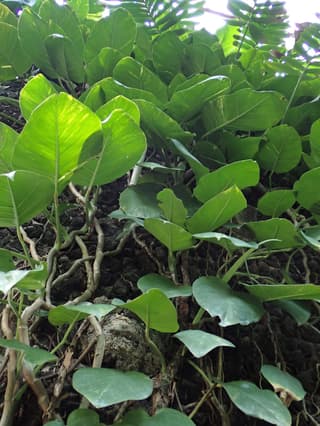
Pothos is one of the most popular and forgiving houseplants in the world, prized for its trailing vines and heart-shaped, often variegated leaves. In everyday use the name "pothos" almost always refers to Epipremnum aureum (golden pothos), a fast-growing tropical vine native to the Solomon Islands. The name stuck from an old classification: the plant was first described in 1880 as Pothos aureus, and even after botanists moved it into the genus Epipremnum in 1964, the common name never went away. It tolerates low light, irregular watering, and general neglect better than almost any other houseplant, making it a favorite for beginners and offices alike.
Mini Monstera
Rhaphidophora tetrasperma
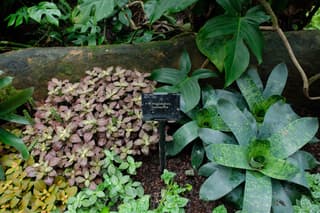
Rhaphidophora tetrasperma, popularly known as the Mini Monstera, is a tropical climbing plant native to Southeast Asia. Although its fenestrated leaves resemble those of the Monstera deliciosa, it belongs to a distinct genus. It is an extremely fast-growing plant that uses aerial roots to climb trees or supports, making it a favorite choice for interior decoration due to its sculptural aesthetic and more compact size than its famous 'cousin'.
Schismatoglottis
Schismatoglottis calyptrata
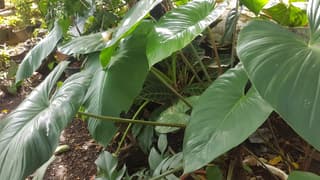
Schismatoglottis calyptrata is a perennial, stoloniferous herb from the Araceae family, native to Southern China and Southeast Asia, extending to Vanuatu and the Pacific. It grows in the understory of humid tropical rainforests, on rocks and forest floors, reaching between 15 and 60 cm in height, with cordate to sagittate leaves up to 35 cm that sometimes display silver variegation. Its inflorescence consists of a spathe that ranges from green at the base to a cream or pale greenish-yellow hue when flowering, covering a spadix with unisexual flowers.
Satin Pothos
Scindapsus pictus
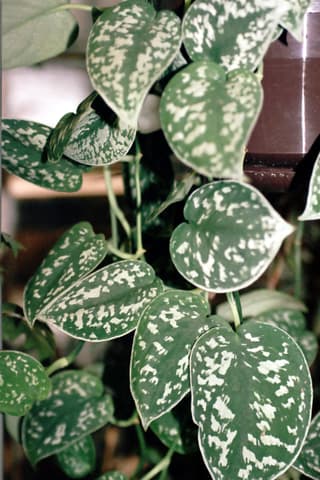
Scindapsus pictus, commonly known as Satin Pothos, is a stunning tropical vine native to Southeast Asia. It features heart-shaped matte green leaves adorned with silvery-gray spots and splashes that give it a satin-like appearance. This elegant trailing plant is beloved for its easy-care nature and ability to thrive in various indoor conditions, making it perfect for hanging baskets or climbing on supports.
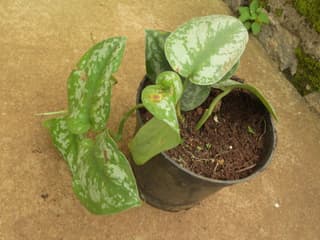
Silver Satin Pothos
Scindapsus pictus 'Argyraeus'
The Silver Satin Pothos (Scindapsus pictus 'Argyraeus') is a trailing vine in the Araceae family, native to Southeast Asia. It is prized for its heart-shaped, dark green leaves splashed with iridescent silver variegation. One of the easiest houseplants to grow, it tolerates lower light and irregular watering better than most aroids.
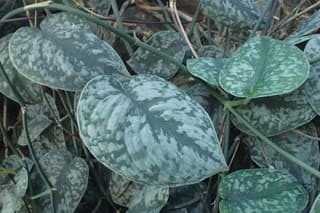
Silver Satin Pothos 'Exotica'
Scindapsus pictus 'Exotica'
Scindapsus pictus 'Exotica' is a cultivated variety of satin pothos native to the tropical rainforests of Southeast Asia. Its heart-shaped, dark green leaves are covered in irregular, shimmering silver patches that are more concentrated than on the standard species. A trailing or climbing vine, it is ideal for hanging baskets or moss poles and is one of the hardiest, easiest aroids to grow indoors.
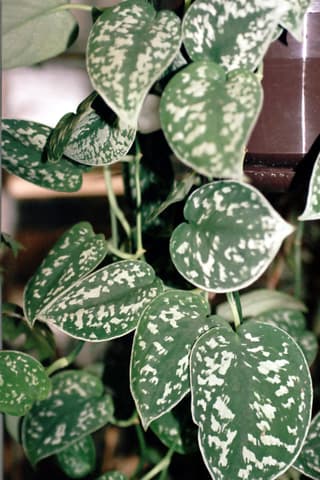
Satin Pothos
Scindapsus pictus argyraeus
Scindapsus pictus 'Argyraeus', commonly known as Satin Pothos or Silver Pothos, is a stunning trailing vine native to Southeast Asia. It features heart-shaped, dark green leaves adorned with silver-white satin markings that shimmer in the light. Despite the name "pothos," it belongs to the genus Scindapsus and the Araceae family. It is highly popular as an indoor plant due to its low maintenance requirements and its ability to thrive in moderate to low light conditions.
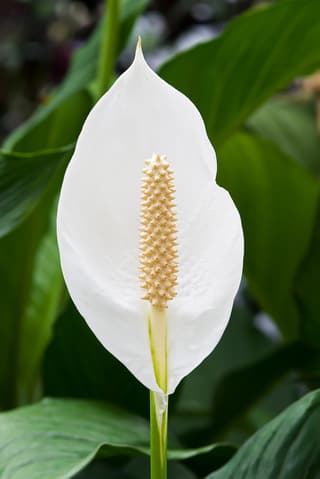
Peace Lily
Spathiphyllum
The Peace Lily (Spathiphyllum) is one of the world's most beloved houseplants, prized for its elegant white spathe flowers and remarkable air-purifying abilities. Native to the tropical rainforests of Central and South America, it thrives indoors even in low-light conditions, making it a perfect choice for homes and offices. Its deep green, glossy leaves provide a lush backdrop to the striking white blooms that appear mainly in spring and summer.
Peace Lily
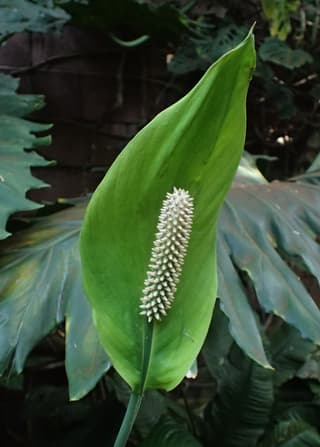
Spathiphyllum blandum
Spathiphyllum blandum is a perennial evergreen herbaceous plant native to the humid tropical forests of Venezuela and Guyana. Its deep green, glossy leaves beautifully contrast with elegant white spathe flowers, making it one of the most popular and graceful indoor plants worldwide.
Giant Peace Lily
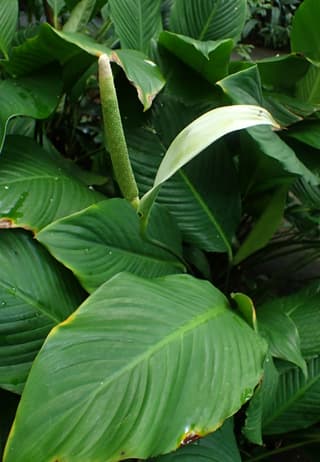
Spathiphyllum cannifolium
Spathiphyllum cannifolium, commonly known as the Giant Peace Lily, is a tropical plant native to South America. It belongs to the Araceae family and is distinguished by its glossy dark-green leaves and elegant white flowers consisting of a spathe and spadix. It is one of the most widely cultivated indoor plants in the world, valued both for its ornamental beauty and its air-purifying capabilities.
Cupped Peace Lily
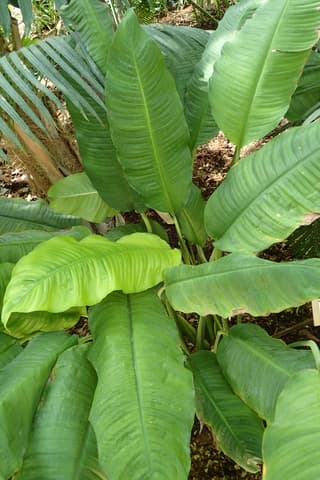
Spathiphyllum cochlearispathum
Spathiphyllum cochlearispathum, commonly known as the Cupped Peace Lily, is one of the largest species in the genus, native to Mexico and Central America. It features broad, glossy dark-green leaves and elegant white spathes. CAUTION: Contains calcium oxalate and is toxic to cats, dogs, and humans.
Snowflower
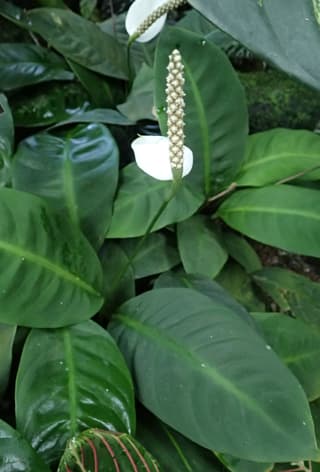
Spathiphyllum floribundum
Spathiphyllum floribundum, commonly known as Snowflower or Dwarf Peace Lily, is a compact tropical species native to Colombia and Ecuador. It produces elegant white-to-greenish-white spathes and is prized for its air-purifying qualities and tolerance of low light conditions. Warning: contains calcium oxalate crystals — toxic to pets and humans if ingested.

Peace Lily
Spathiphyllum kochii
Spathiphyllum kochii, commonly known as the peace lily, is a compact evergreen perennial in the Araceae family, native to Colombia. Growing 30-40 cm tall, it forms dense clumps of dark green, wavy, lance-shaped leaves with prominent veins. Its signature white spathe curls elegantly around a creamy cylindrical spadix, typically blooming in spring and summer. It is one of the world's most popular houseplants, prized for its shade tolerance and air-purifying qualities.
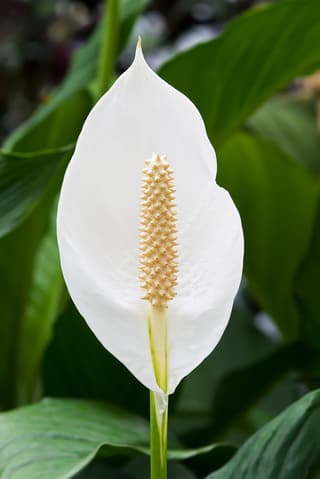
Peace Lily
Spathiphyllum wallisii
Spathiphyllum wallisii is an elegant houseplant native to the tropical rainforests of Colombia. It features elongated glossy dark green leaves and distinctive white spathe-shaped flowers. Famous for its air-purifying abilities, it removes toxins like benzene, formaldehyde, and xylene from indoor environments.
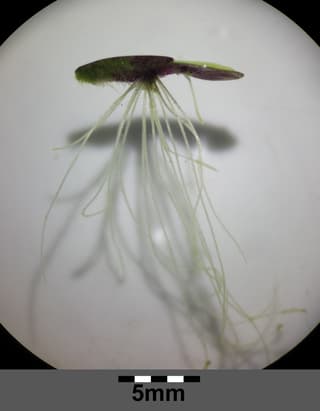
Great Duckweed
Spirodela polyrhiza
Great Duckweed (Spirodela polyrhiza) is a tiny free-floating aquatic plant from the Arum family (Araceae, subfamily Lemnoideae). Its round to oval fronds measure only 2–10 mm; they are fresh green on the upper side and reddish-purple on the underside. Unlike related duckweed species, each frond produces 7 to 21 thin roots (instead of the usual one), allowing it to float easily on the surface of stagnant or slow-moving waters and form dense mats. It reproduces primarily vegetatively by budding new fronds from the mother plant, flowering only rarely. In autumn, it produces turions—starch-rich storage buds that sink to the bottom to overwinter, resurfacing and germinating in spring when water temperatures reach around 15 °C. It is one of the fastest-growing flowering plants in the world and is found in the wild almost globally.
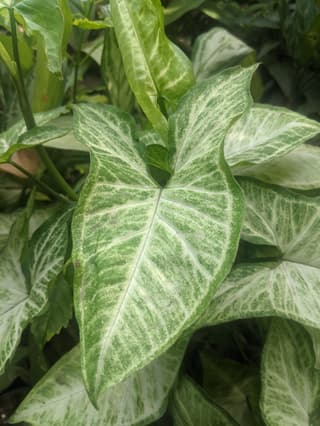
Arrowhead Vines
Syngonium
Syngonium is a genus of tropical climbing and trailing plants in the family Araceae, native to the rainforests of Central and South America. Its young leaves display a distinctive arrowhead shape that gradually transforms into multi-lobed forms as the plant matures. Widely grown as a houseplant for its lush ornamental foliage, Syngonium comes in dozens of cultivars with green, variegated, pink, and silvery leaves. Important: the plant is toxic to cats, dogs, and humans due to calcium oxalate crystals present throughout its tissues.
Easy Care Foliage Plants
Our selection of 85 easy foliage plants combines the characteristics of this category with reduced care needs. Perfect for beginners who love this category.
Why Choose Easy Foliage Plants?
Combining the beauty of foliage plants with easy difficulty level lets you enjoy this category without excessive maintenance worries. Each plant was selected to offer the best characteristics of the category at the care level you are looking for.