How to Water Jasmine: When, How Much, and in Pots
How to water jasmine without a fixed schedule: the 2 cm test, how much water to give potted and ground plants, winter changes, and signs of overwatering or underwatering.
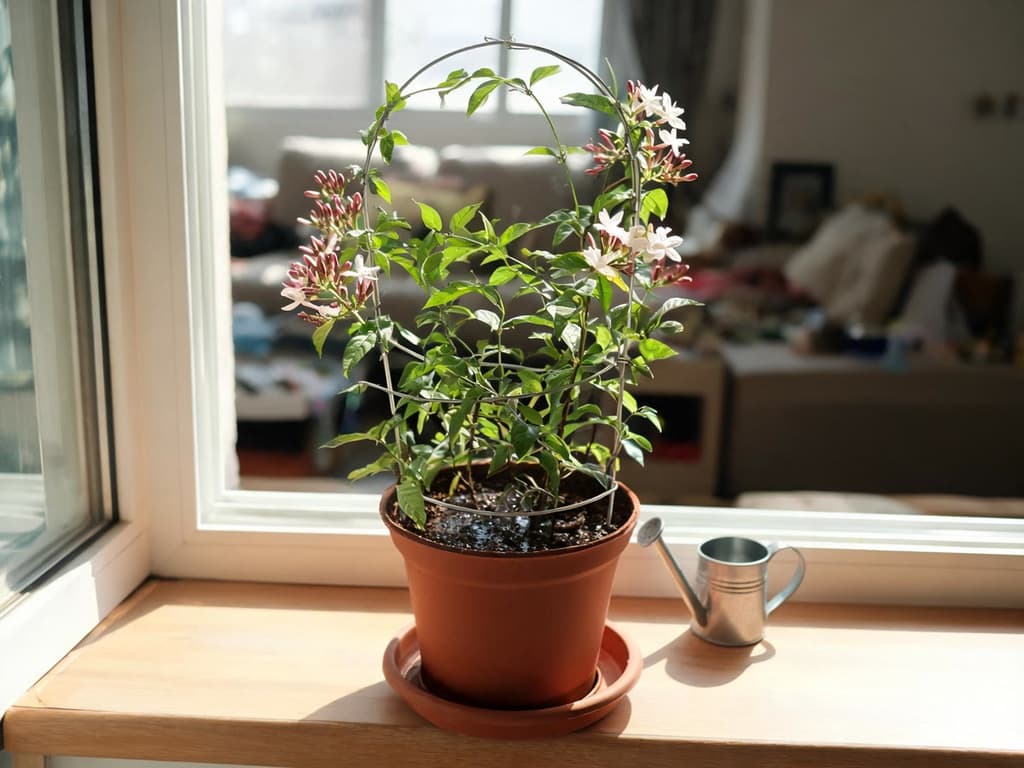
How to water jasmine in a pot: wait for the top 2 cm of soil to feel dry to the touch and water until liquid drains through the hole. Then, empty the saucer. In winter, the soil takes longer to dry out and waterings naturally space out further.
Jasmine does not have a set watering schedule. Garden centers in France recommend anywhere from watering every 2 to 3 days to twice a month for pots in the summer. Two of those numbers are for star jasmine, which is a different plant. The soil test works for any pot, in any season.
Quick summary:
Water jasmine when the top 2 cm of soil feels dry. Water until it drains through the hole and never leave standing water in the saucer.
Pink jasmine (Jasminum polyanthum) must not wilt: once wilted, it develops brown leaves, according to the nursery White Flower Farm.
Jasmine planted in the ground needs frequent watering based on the 2 cm test only during its first year. After that, water only during summer dry spells, according to the Royal Horticultural Society (RHS).
How often to water jasmine
Watering frequency for jasmine depends on the pot, the season, and the species, and the soil decides when it is time. The University of Illinois Extension (a university service that advises the public on plants) recommends checking pots daily.
Published figures vary widely. The Truffaut store suggests 1 to 2 waterings per week in summer for common jasmine in a pot. In winter, it suggests watering every 15 days. The Willemse store proposes one watering per week as a baseline. Mybleen mentions watering every 2 to 3 days, and Pousse twice a month. These two stores refer to star jasmine.
Situation | What to do | Source |
|---|---|---|
Terracotta, fabric, or unglazed ceramic pots | Check the soil more often: it dries faster than in plastic or glazed ceramic pots | Illinois Extension |
Spring, summer, and fall (plant actively growing or blooming) | Water regularly, whenever the top 2 cm dry out | RHS (regular watering), this guide's test |
Winter, indoors | Water only when the top 2 cm dry out: in cold weather, this takes more days | RHS |
First year after planting in the ground | Water regularly until the plant establishes roots | RHS, Clemson |
Established jasmine in the ground | Water only during dry spells in summer | RHS |
Intense heat | Check the soil every day | Illinois Extension |
The jasmine species changes watering needs
Three true jasmines from the genus Jasminum (the botanical group of jasmines) are common in pots and gardens. Each tolerates a different level of dry soil. If your jasmine is none of the three, the general jasmine profile covers what applies to all Jasminum.
Pink jasmine (Jasminum polyanthum) is the jasmine sold blooming in pots, with pinkish buds. It needs the soil always slightly moist, without waterlogging. White Flower Farm states that it cannot tolerate soggy soil and that, if it wilts, it develops brown leaves. Bougainvillea blooms better with some dryness between waterings, and pink jasmine does not follow this rule.
Common jasmine (Jasminum officinale) is the climbing vine for walls and gardens. According to North Carolina State University Extension (NC State), it prefers moist, well-drained soil and tolerates drought. In pots, it follows the general rule: regular watering from spring to fall.
Arabian jasmine (Jasminum sambac) prefers drier soil between waterings. NParks, Singapore's park agency, directs watering only when the soil is dry and avoiding waterlogged soil. Meanwhile, Arizona State University states that, in the Phoenix desert, it needs plenty of water in the summer. Neither compared watering in the two climates. The soil test works in both cases: in dry heat, the soil dries out faster and the test calls for more frequent waterings.
Two false jasmines have different watering needs, and their numbers do not apply to Jasminum. Star jasmine is a vine from a different family, with milky sap. Madagascar jasmine is Stephanotis, with white, waxy flowers. If you do not know which jasmine you have, Bloom (available for iOS) identifies the species from a photo of the leaf or flower.
The test before watering: finger and pot weight
Insert your finger into the soil near the edge of the pot, up to the first knuckle (about 2 cm). If the soil feels dry at that depth, water. If it feels moist, wait and test again the next day.
White Flower Farm advises watering pink jasmine when the top 1.3 cm dries out. Texas A&M AgriLife Extension, a service of Texas A&M University, mentions 2.5 cm for potted plants in general. This guide uses 2 cm, a value between the two sources, for all three jasmines. For Arabian jasmine, NParks advises watering only when the soil is dry, and the 2 cm test confirms this.
Pot weight confirms the finger test. Lift the pot after water stops draining to learn the weight of wet soil. Over the following days, lift it again before watering: a noticeably lighter pot signals dry soil. The Illinois Extension notes that pots feel lighter as the soil dries.
How to water potted jasmine: until it drains and with an empty saucer
Water slowly around the entire plant until water runs out the drainage hole. This volume moistens the soil throughout the pot, from the top down to the deepest roots. The Illinois Extension and Texas A&M AgriLife recommend watering until it runs out the bottom.
Empty the saucer after water stops draining. Iowa State University Extension advises never letting a pot sit in a saucer or cachepot with standing water. According to the same extension, soggy soil over extended periods promotes root rot.
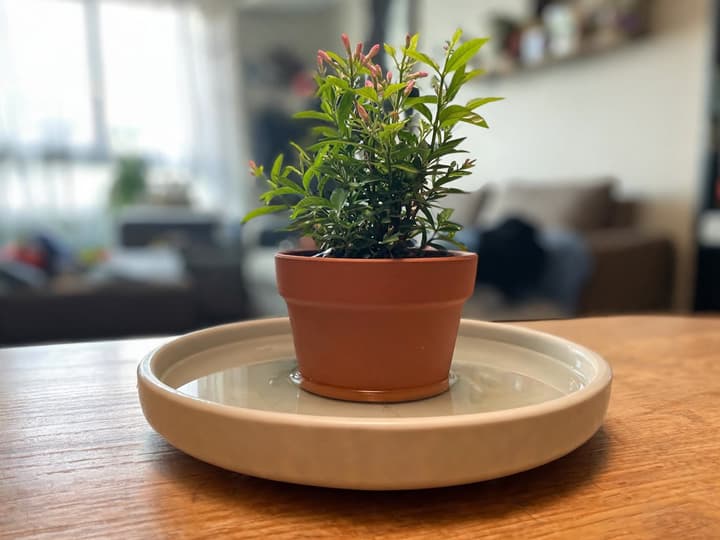
If you prefer bottom watering, place the pot in a shallow basin of water until the top layer of soil feels moist. Texas A&M AgriLife notes that this can take 1 to 2 hours and advises removing the pot as soon as the top soil is damp. Then, let it drain before returning the pot to its saucer.
Jasmine planted in the ground: the first year and beyond
Newly planted jasmine in the ground needs regular watering for at least the first year until it establishes roots. This is recommended by the RHS (Royal Horticultural Society, the British gardening charity). Clemson Extension says the same: the plant must be well-watered until established. During this phase, use the same test: water whenever the top 2 cm of soil dries out.
After the first year, jasmine in the ground does not need extra watering, except during summer dry spells (RHS). During these periods, water deeply. UF/IFAS, the University of Florida extension, defines deep watering of garden beds as wetting the top 30 cm of soil. NC State says that common jasmine tolerates drought.
Watering jasmine in winter and in heat
In winter, from June to August in Brazil, the plant grows less and the soil dries more slowly. The RHS recommends very light watering in winter for indoor jasmines and little water for Arabian jasmine, without specifying the volume. The safest path is to space out waterings, rather than reducing the amount of water. Water only when the top 2 cm dries out and water until it drains through the hole.
Pink jasmine forms its buds in the cold and blooms in late winter. For it, follow the 2 cm test and do not let the plant wilt. Cold soil dries more slowly, and the test spaces out waterings without letting the plant dry out. The other cold-season care steps are in the guide to jasmine in winter.
In heat, potting soil dries faster, and terracotta pots in the sun dry before plastic pots do. Check the soil daily and water whenever the top 2 cm feels dry.
Too much or too little water: how to tell them apart in jasmine
Jasmine reacts with yellow, wilting leaves to both underwatering and overwatering, as noted by retailer Willemse. What separates the two causes is the condition of the soil and roots. Perform the finger test before altering your watering routine.
Sign | Overwatering | Underwatering |
|---|---|---|
Soil | Moist days after watering | Dry, and the pot feels light |
Leaves | Yellow and wilting from the bottom up, and dropping | Wilting, dry, and yellowish |
Roots | Dark and mushy, lacking firmness | No sign of rot |
What to do | Space out waterings and empty the saucer | Water until it drains through the hole |
To see the roots, carefully remove the plant from the pot. Dark, mushy roots are a sign of rot, according to Iowa State. A plant with rot wilts from the bottom leaves upward, and the leaves turn yellow and drop. In this case, stop watering until the top 2 cm dry out and empty the saucer. The page on jasmine rot describes the problem. For other causes of yellowing, such as cold, iron deficiency, and spider mites, see the guide on yellow leaves on jasmine.
Can you save a jasmine that dried out?
A jasmine that dried out from underwatering can recover if the stem is still alive. Scratch the bark of a branch with your fingernail. Ask Extension, a question-and-answer service run by US university extension programs, describes this test for trees and shrubs. Bright green underneath indicates live wood, while beige or brown means that part has died.
Potting soil that has dried out completely can begin repelling water. Peat moss is the dark fibrous moss material that makes up much of container potting mix. Texas A&M AgriLife explains that dry peat causes water to channel down the sides of the pot without soaking the roots. To rehydrate it, submerge the pot in a bucket of water up to the rim and leave it until air bubbles stop rising.
After soaking, let the pot drain thoroughly and return to the 2 cm test. Cut back any branches that are brown inside during the scratch test. Pink jasmine that has wilted will not recover without developing brown leaves, according to White Flower Farm.
Drainage: holes, soil, and the bottom gravel layer
The jasmine pot needs a hole in the bottom and soil that lets water drain. The RHS recommends fertile, well-drained soil for jasmine. White Flower Farm states that pink jasmine does not tolerate waterlogged soil.
The practice of adding an expanded clay or gravel layer to the bottom of the pot has mixed evidence. Truffaut, Pousse, and mybleen recommend the layer. Washington State University (WSU) states that it only hinders water movement. A 2025 experiment published in the journal PLOS ONE measured the opposite. In potting mixes made solely of organic material, without garden soil in the blend, the layer decreased retained water.
The PLOS ONE experiment contained no plants in the pots, an experimental limitation noted by the author. No study has evaluated this drainage layer specifically in jasmine. The advice that holds true in both situations is an unobstructed drainage hole and free-draining soil. If you choose to add a drainage layer, it occupies volume that would otherwise belong to soil and roots.
How to water jasmine while on vacation
Before traveling, water your jasmine until liquid drains through the bottom hole. UF/IFAS recommends grouping pots together and moving them out of direct sunlight, as plants consume less water in lower light. To gain up to a week without watering, fill a deep saucer with pebbles, add water, and rest the pot on top of the stones. This is the only scenario where water should remain in the saucer.
Keep the water level below the tops of the pebbles so the bottom of the pot never touches the water, as advised by White Flower Farm. For trips lasting 3 to 4 weeks, UF/IFAS suggests cotton wicks that draw water from a container directly into the potting soil. For absences longer than 4 weeks, leave the plant with someone who can water it.
Frequently asked questions about watering jasmine
Does jasmine need a lot of water?
Jasmine needs regular water, but not waterlogged soil. Pink jasmine needs soil that is always slightly moist and must not wilt. Arabian jasmine prefers to dry out between waterings. Common jasmine planted in the ground tolerates drought after the first year. For all three, water when the top 2 cm of soil dry out.
Should I mist jasmine leaves with water?
You can mist pink jasmine, but this does not replace watering the soil. White Flower Farm says it likes humidity in the air and suggests misting the leaves or using a tray with pebbles and water. On the tray, the bottom of the pot stays above the water.
How much water should I give jasmine each time?
Pour water until it drains from the hole in the bottom of the pot, as recommended by Texas A&M AgriLife. This volume wets all the soil in the pot, and excess drains away. Once water stops dripping, empty the saucer. Next time, water only when the top 2 cm of soil has dried out.
Summary: how to water jasmine
To water jasmine, use the 2 cm test and water only when that layer of soil is dry. Water until it drains through the hole and empty the saucer. In winter, the soil takes longer to dry out and waterings become more spaced out. Pink jasmine should never wilt, and jasmine in the ground only needs watering during its first year and in drought.
Sources
RHS. How to grow jasmine and plant profile for Jasminum sambac.
NC State Extension. Jasminum officinale and Jasminum.
Clemson Cooperative Extension. Jasmine, HGIC 1106.
NParks Singapore. Jasminum sambac.
Arizona State University. Jasminum sambac.
White Flower Farm (nursery). Jasmine polyanthum: a wintertime treasure and How to grow jasmine indoors.
University of Illinois Extension. 6 tips for watering container gardens.
Iowa State University Extension. Diagnosing houseplant problems caused by insect pests and Prevent root rot problems on houseplants.
Texas A&M AgriLife Extension, Williamson County. Watering potted plants, 2021.
UF/IFAS Gardening Solutions. Vacation plant care.
Ask Extension. Twig scratch test.
Chalker-Scott, L. WSU. The myth of drainage material in container plantings.
Rowe, A. Effect of drainage layers on water retention of potting media in containers. PLOS ONE 20(2), 2025.
Related articles
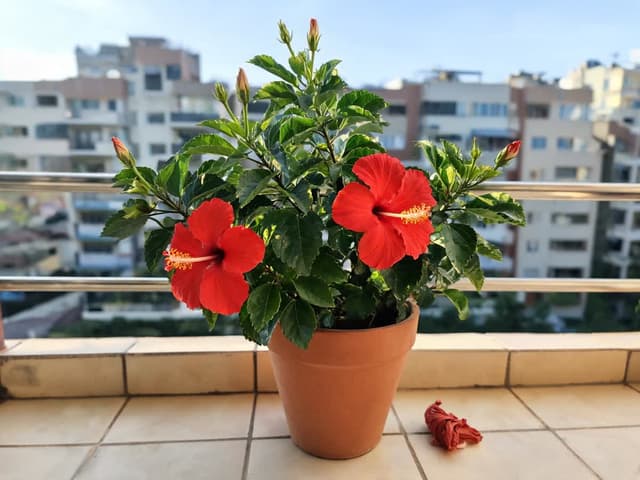
How to Care for Hibiscus: Sun, Watering, Fertilizer, and Pruning for Flowers
How to care for hibiscus: 6 hours of direct sun, evenly moist soil without waterlogging, half-strength fertilizer in spring and summer, and pruning in early spring. Find out why the flower lasts one day and why buds drop before opening.
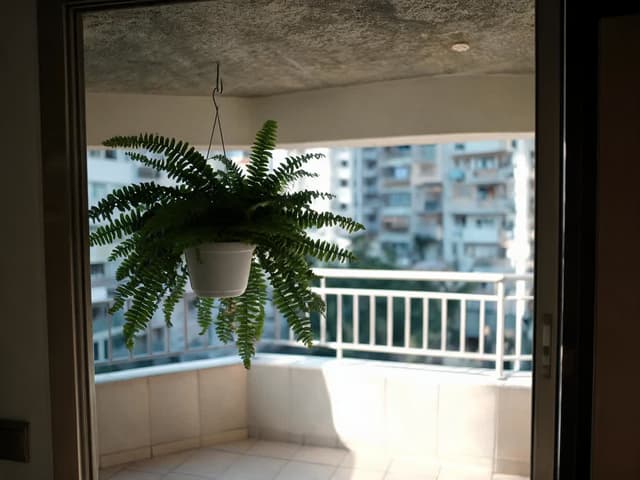
Do Ferns Like Sun or Shade? It Depends on the Type
Ferns prefer bright shade: plenty of light, but no direct sun on their fronds. Tuberous sword fern is the exception that handles sun. Here is the ideal light for each type, where to place pots, and how fronds show too much or too little light.
African Violet Yellow Leaves: Causes and What to Do
Yellow leaves on an African violet usually stem from overwatering, and the first place to check is the center of the plant. Losing one lower leaf at a time is normal. Identify whether age, watering, cold water, sunlight, cold drafts, or fertilizer is the culprit based on the yellowing pattern, and see what to do today.