500 Best Pet Safe for Argelia | 2026 Guide - Page 7
The 500 best pet safe to grow in Argelia. Ideal climate: 18.8°C, 87.6% humidity.
500 Pet Safe for Argelia
Showing 217-252 of 500
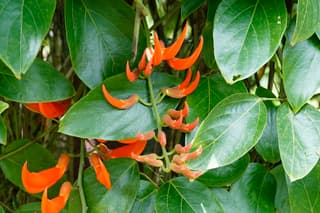
New Guinea Creeper
Mucuna bennettii
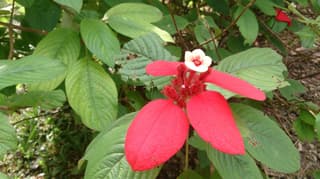
Ashanti Blood
Mussaenda erythrophylla
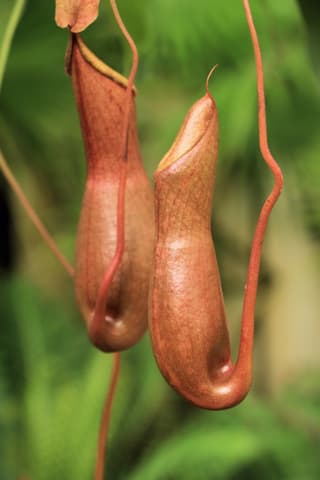
Tropical Pitcher Plant
Nepenthes spp
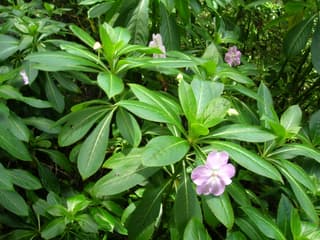
Poor Man's Rhododendron
Impatiens sodenii
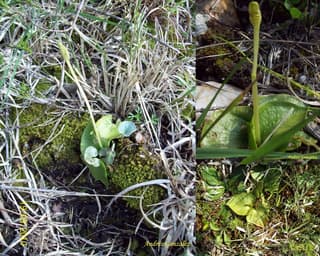
Bulbous Adder's-tongue
Ophioglossum crotalophoroides
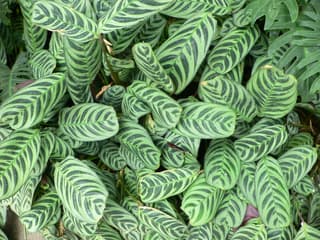
Fishbone Prayer Plant
Ctenanthe burle-marxii
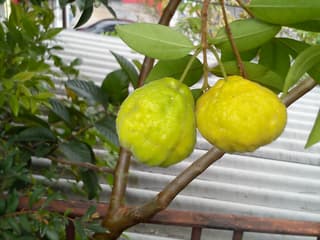
Uvaia
Eugenia pyriformis
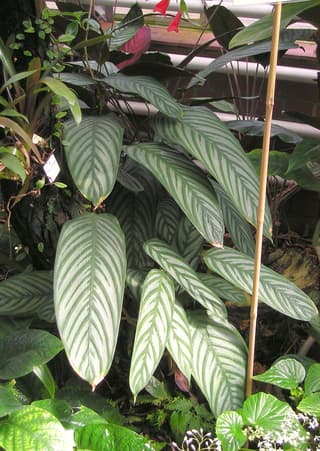
Grey Star
Ctenanthe setosa
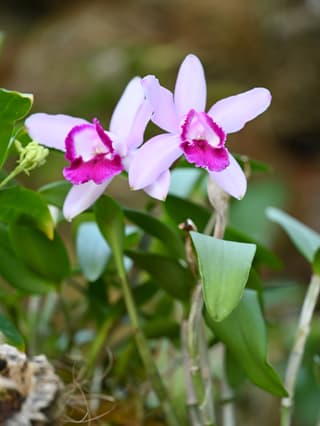
Easter Cattleya
Cattleya intermedia
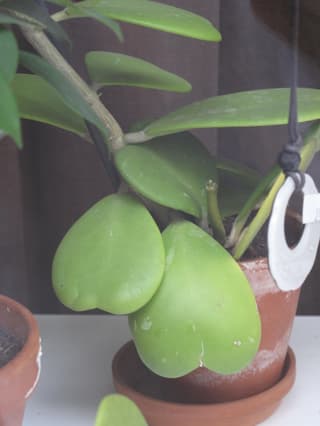
Sweetheart Hoya
Hoya kerrii
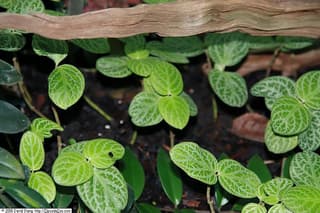
Veined Chamaeranthemum
Chamaeranthemum venosum
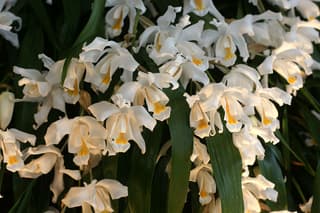
Snow Queen Orchid
Coelogyne cristata
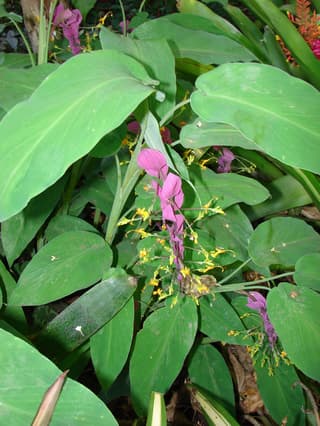
Dancing Lady Ginger
Globba winitii
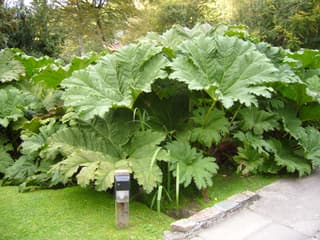
Giant Rhubarb
Gunnera manicata
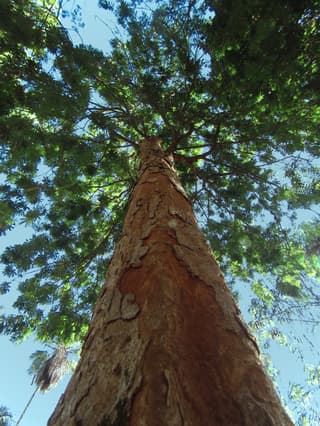
Brazilwood
Paubrasilia echinata
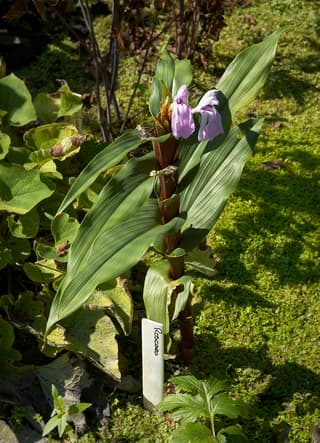
Purple Roscoea
Roscoea purpurea
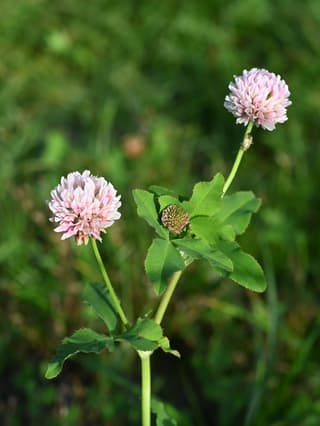
Alsike Clover
Trifolium hybridum
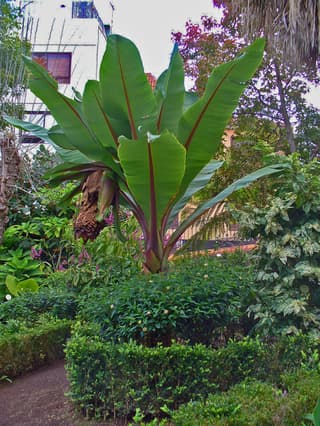
Abyssinian Banana
Ensete ventricosum
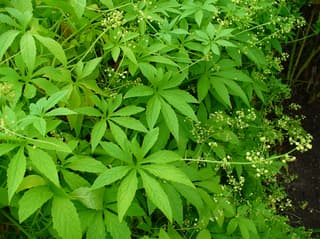
Caigua
Cyclanthera pedata
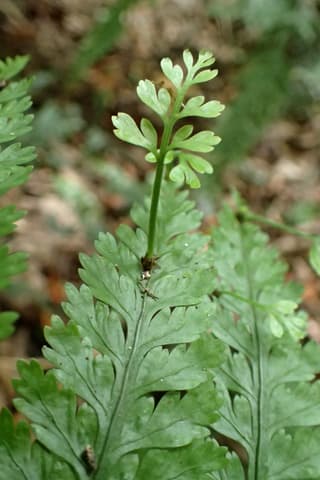
Hen and Chickens Fern
Asplenium bulbiferum
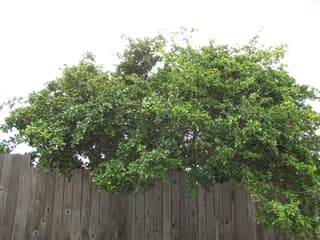
Barbados cherry
Malpighia emarginata
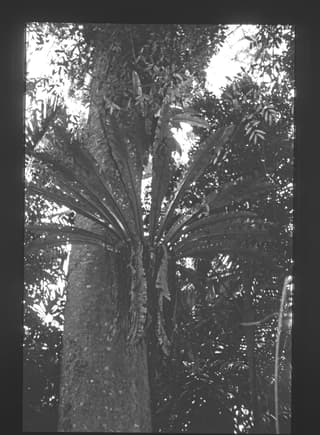
Birds Nest Fern
Asplenium australasicum
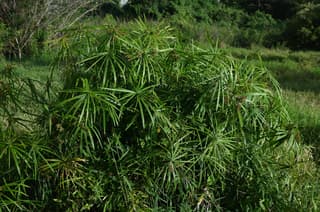
Umbrella Sedge
Cyperus
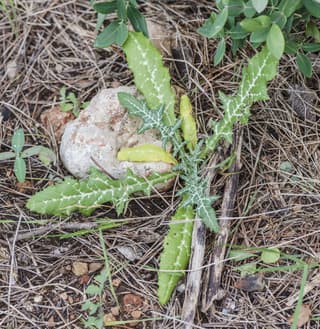
Common Sowthistle
Sonchus oleraceus
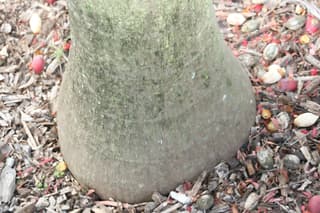
Montgomery Palm
Veitchia arecina
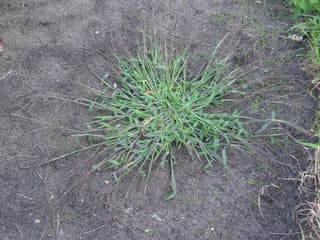
hairy crabgrass
Digitaria sanguinalis
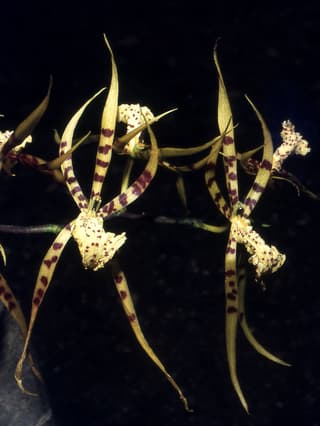
Spider Orchid
Brassia arachnoidea
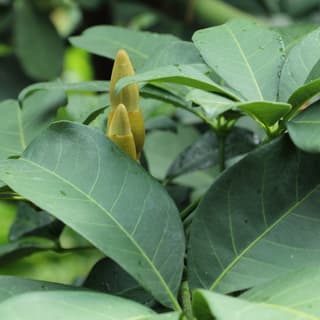
Money Tree
Pachira aquatica
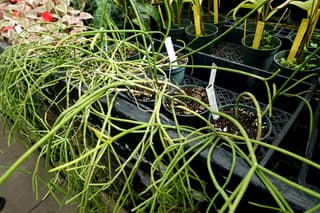
Mistletoe cactus
Rhipsalis baccifera
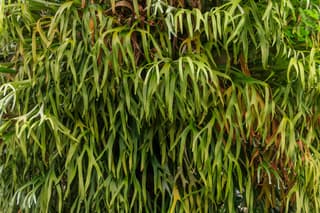
Staghorn Fern
Platycerium bifurcatum
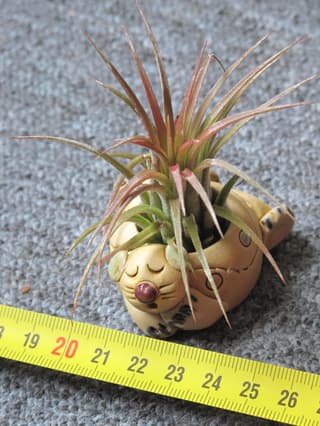
Sky Plant
Tillandsia ionantha
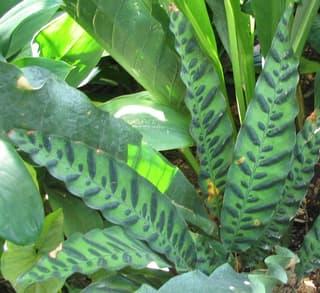
Rattlesnake Plant
Calathea lancifolia
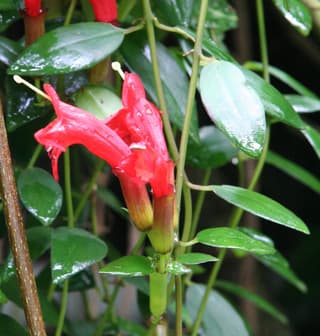
Lipstick Plant
Aeschynanthus radicans
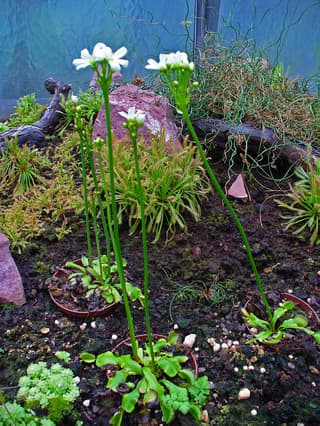
Venus Flytrap
Dionaea muscipula
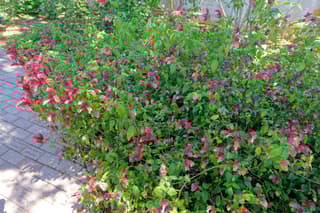
Shrimp Plant
Justicia brandegeeana

Bangalow Palm
Archontophoenix cunninghamiana
Ideal Pet Safe for Argelia's Climate
Argelia has an average temperature of 18.8°C and humidity of 87.6%, conditions that directly influence which pet safe best adapt to the local environment.
How to Grow Pet Safe in Argelia
To successfully grow pet safe in Argelia, consider that the average temperature of 18.8°C and humidity of 87.6% create a specific microclimate. High humidity favors tropical species, but requires attention to ventilation to prevent fungal issues.
Advantages of Choosing Adapted Pet Safe
Pet Safe adapted to Argelia's climate show greater resistance, healthy growth, and less need for interventions.