339 Best Succulents for Buckeye | 2026 Guide - Page 6
The 339 best succulents to grow in Buckeye. Ideal climate: 23.5°C, 30.9% humidity.
339 Succulents for Buckeye
Showing 181-216 of 339
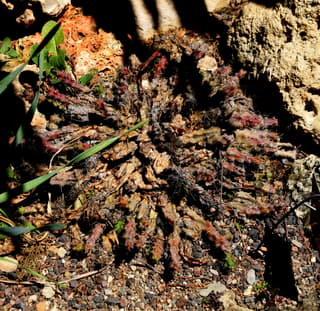
Ladyfinger Cactus
Echinocereus pentalophus
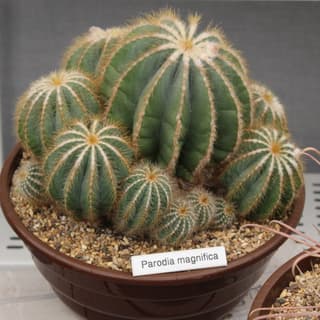
Balloon Cactus
Parodia magnifica
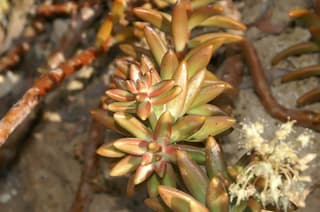
Coppertone Stonecrop
Sedum nussbaumerianum
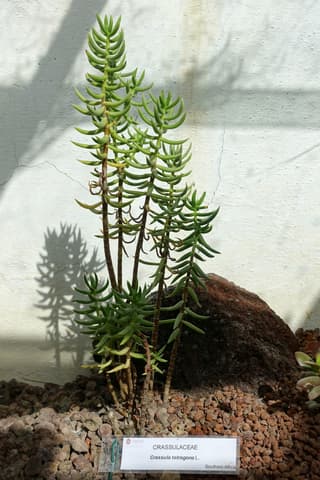
Miniature Pine Tree
Crassula tetragona
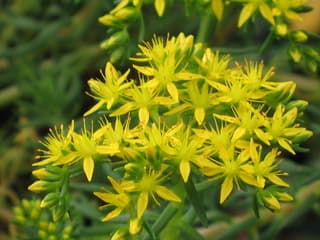
Mexican Stonecrop
Sedum mexicanum
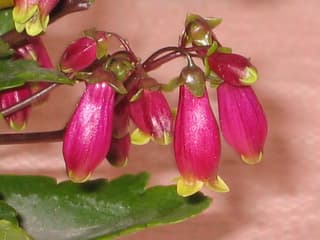
Pearl Bells
Kalanchoe porphyrocalyx
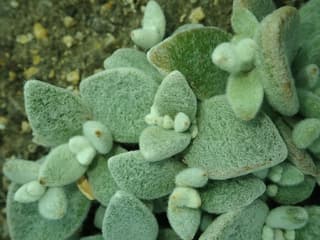
Snow white panda plant
Kalanchoe eriophylla
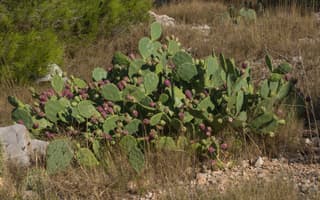
Erect Prickly Pear
Opuntia stricta
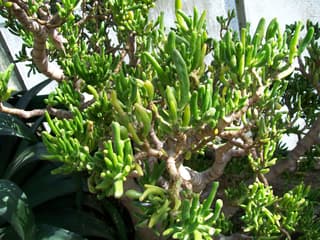
Gollum Jade
Crassula ovata 'Gollum'

Claret Cup Cactus
Echinocereus triglochidiatus

Fairy Crassula
Crassula multicava
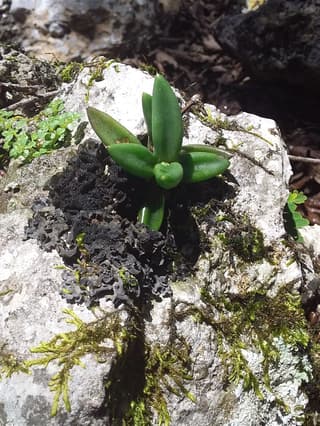
Lenophyllum acutifolium
Lenophyllum acutifolium
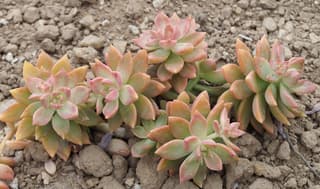
California Sunset
Graptosedum 'California Sunset'
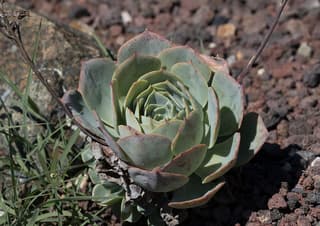
Echeveria Dionysos
Echeveria 'Dionysos'
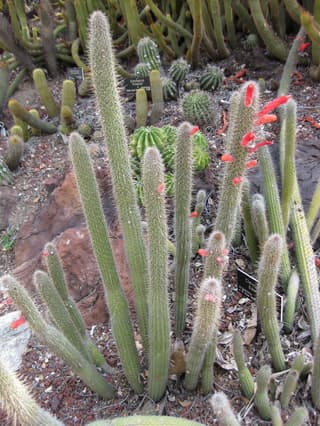
Scarlet Bugler
Cleistocactus baumannii
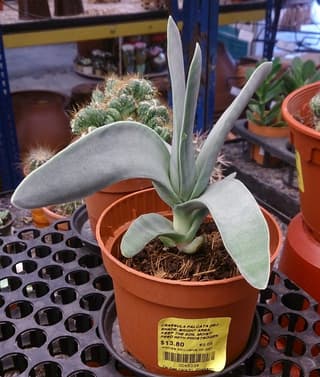
Propeller Plant
Crassula perfoliata
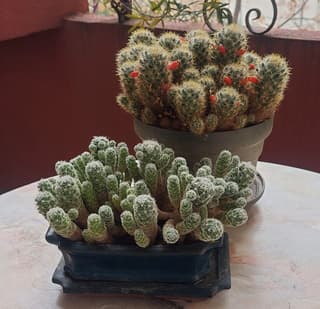
Cactus
Cactaceae
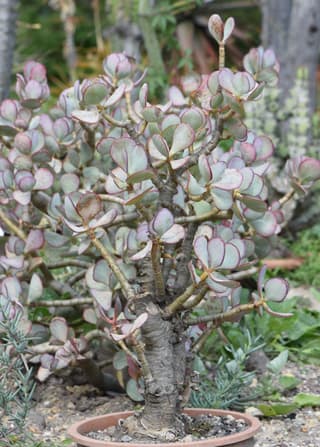
Silver Jade Plant
Crassula arborescens
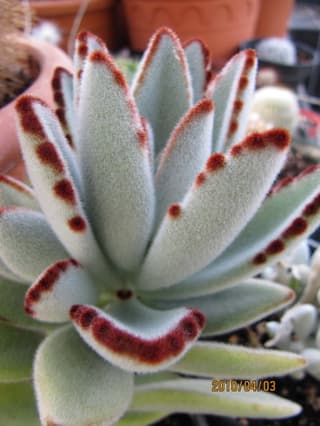
Panda Plant
Kalanchoe tomentosa
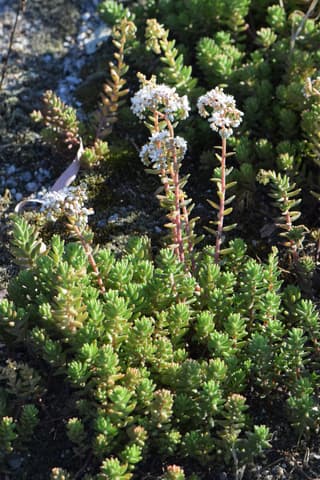
White Stonecrop
Sedum album
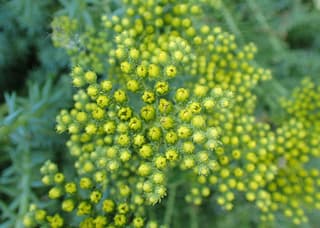
Stonecrop
Petrosedum
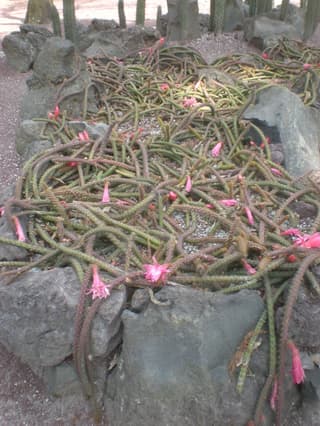
Rat Tail Cactus
Aporocactus flagelliformis
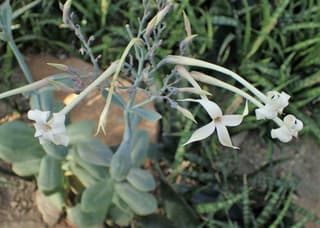
Penwiper Plant
Kalanchoe marmorata
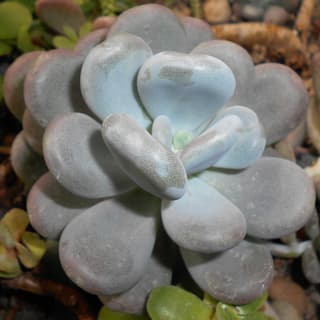
Moonstone Succulent
Pachyphytum oviferum
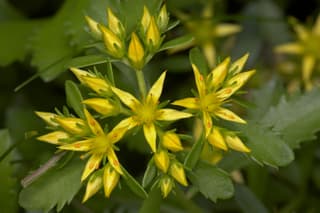
Orange Stonecrop
Sedum kamtschaticum
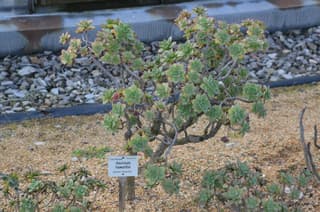
Pinwheel Aeonium
Aeonium haworthii
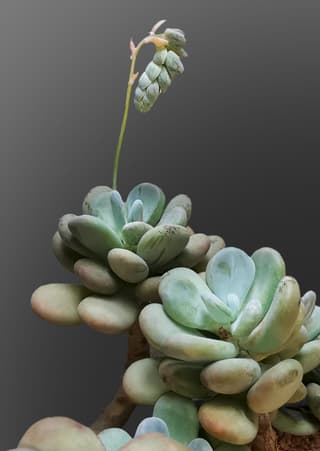
Moonstones
Pachyphytum
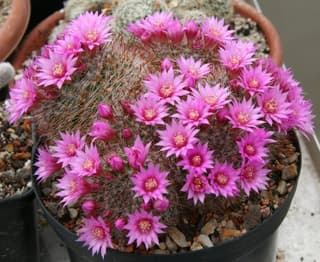
Rose Pincushion Cactus
Mammillaria zeilmanniana
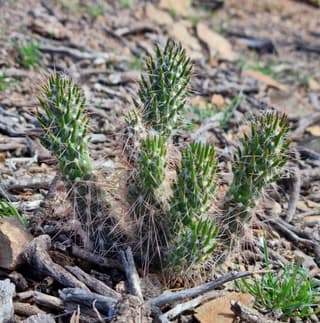
Old Man of the Andes
Austrocylindropuntia vestita
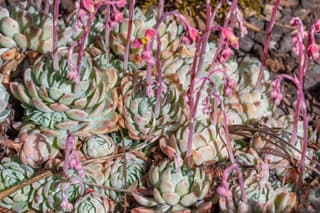
Mexican Gem
Echeveria elegans
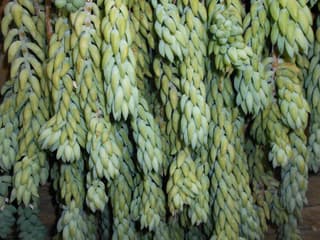
Burro's Tail
Sedum morganianum
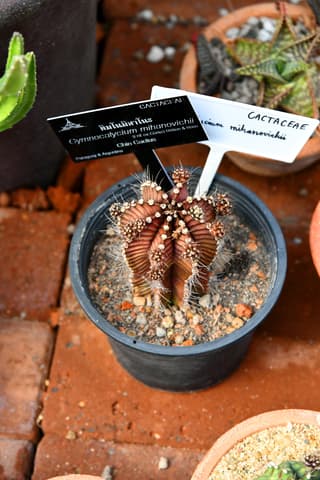
Moon Cactus
Gymnocalycium mihanovichii
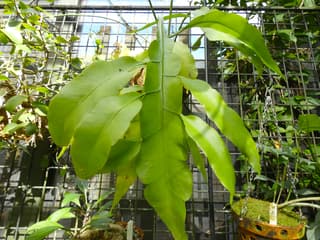
Queen of the Night
Epiphyllum oxypetalum
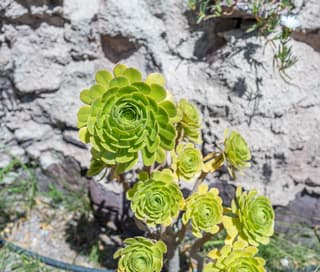
Stalked Aeonium
Aeonium undulatum
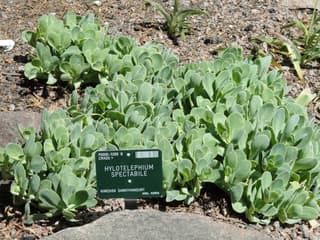
Showy Stonecrop
Sedum spectabile
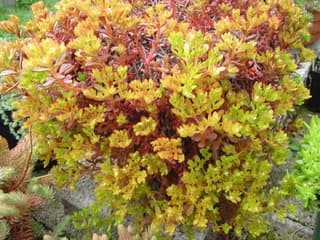
Japanese Stonecrop
Sedum makinoi
Ideal Succulents for Buckeye's Climate
Buckeye has an average temperature of 23.5°C and humidity of 30.9%, conditions that directly influence which succulents best adapt to the local environment.
How to Grow Succulents in Buckeye
To successfully grow succulents in Buckeye, consider that the average temperature of 23.5°C and humidity of 30.9% create a specific microclimate. Lower humidity requires more frequent watering and use of drip trays.
Advantages of Choosing Adapted Succulents
Succulents adapted to Buckeye's climate show greater resistance, healthy growth, and less need for interventions.