500 Best Plants for Campina Grande | 2026 Guide - Page 13
Discover the 500 ideal plants for Campina Grande's climate. Average temp: 22.9°C, Humidity: 81.2%.
Top 500 Plants for Campina Grande
Showing 433-468 of 500
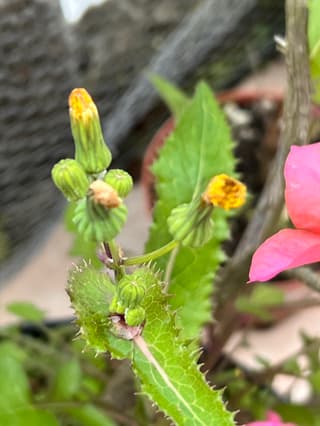
Sow Thistle
Sonchus
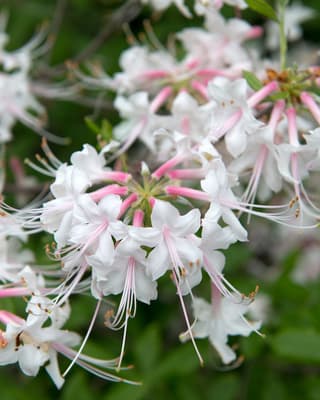
Alabama azalea
Rhododendron alabamense
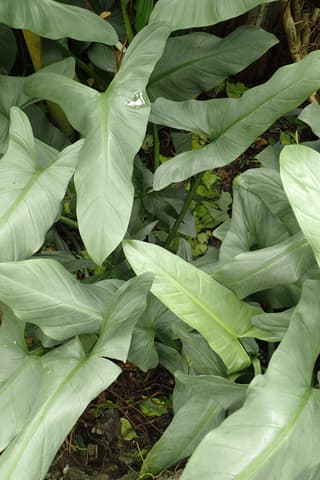
Spadeleaf Philodendron
Philodendron domesticum
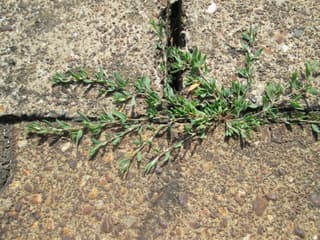
Oval-leaf Knotweed
Polygonum arenastrum
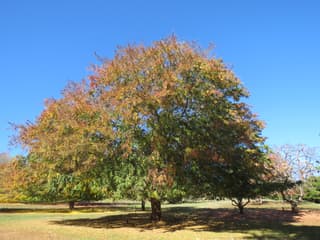
Chinese Elm
Ulmus parvifolia
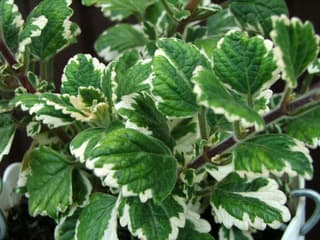
Candle Plant
Coleus paniculatus
Bonnet mushroom
Mycena galericulata
Mealy tooth
Hydnellum ferrugineum
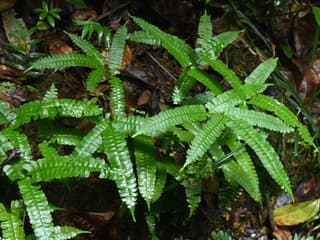
Necklace Fern
Lindsaea
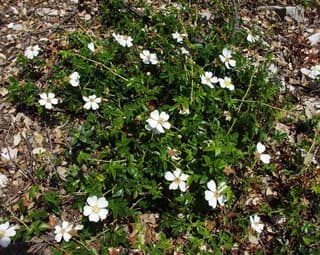
Evergreen Rose
Rosa sempervirens
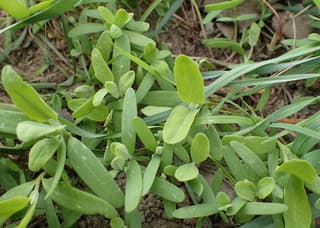
Common Orache
Atriplex patula
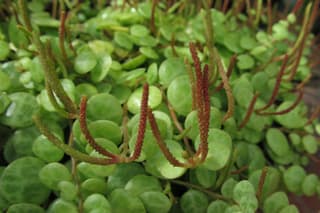
String of Turtles
Peperomia prostrata
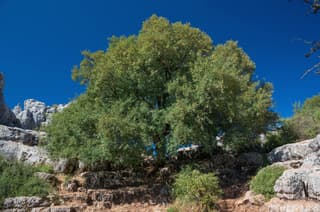
Montpellier maple
Acer monspessulanum
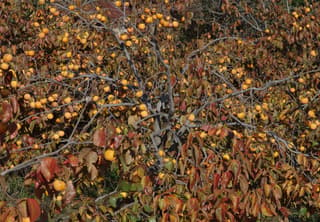
Japanese Persimmon
Diospyros kaki
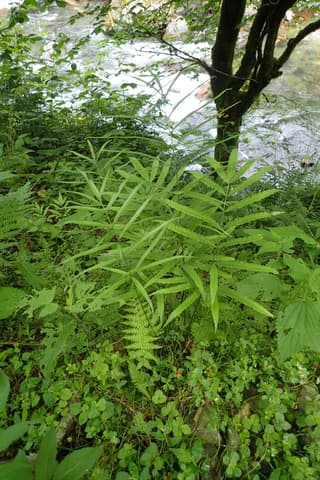
Brake Fern
Pteris
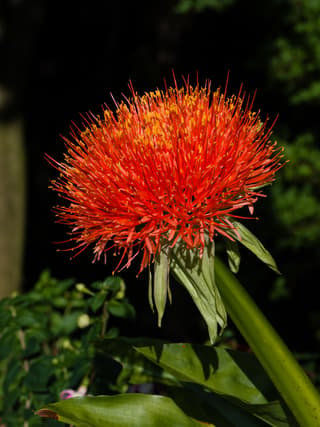
Blood Lily
Scadoxus multiflorus
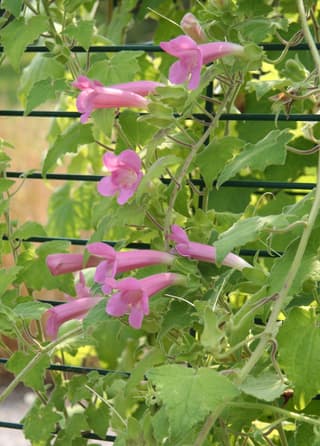
Climbing Snapdragon
Lophospermum erubescens
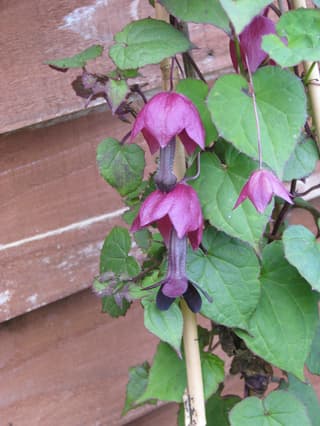
Purple Bells
Rhodochiton atrosanguineus
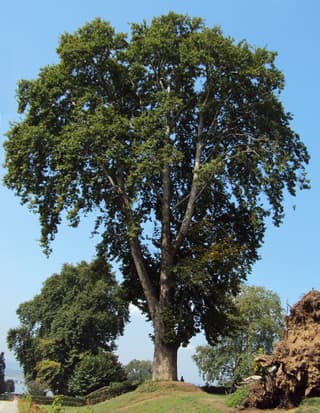
Plane Tree
Platanus
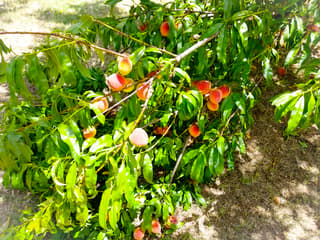
Peach Tree
Prunus persica
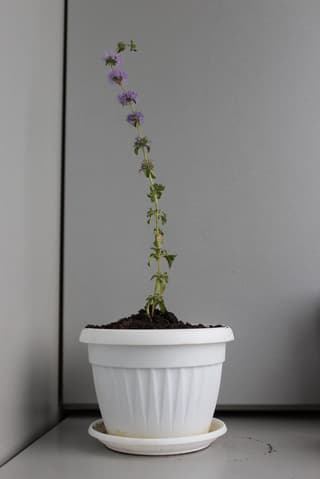
Pennyroyal
Mentha pulegium
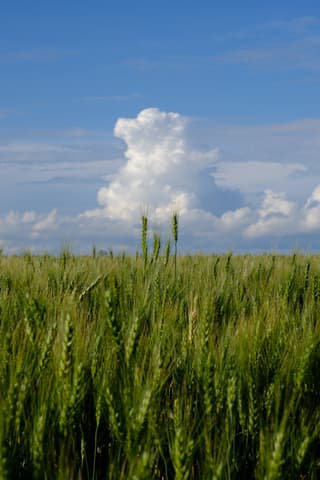
Common wheat
Triticum aestivum
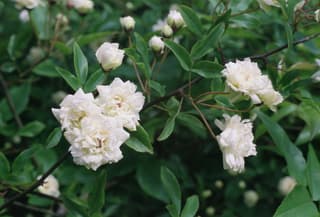
Lady Banks' Rose
Rosa banksiae
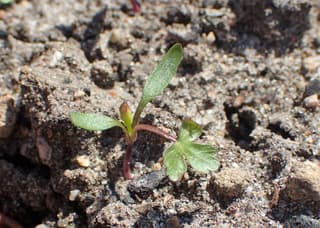
Fool's Parsley
Aethusa cynapium
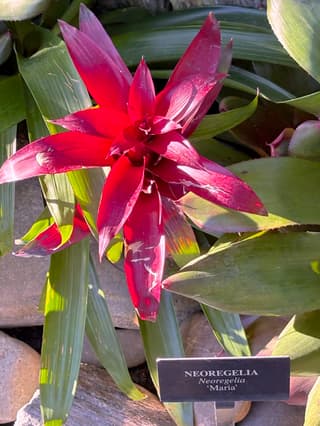
Blushing Bromeliad
Neoregelia
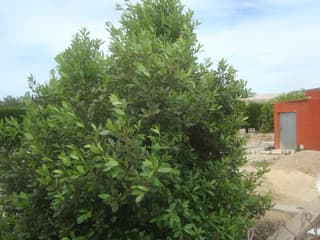
Bay Laurel
Laurus nobilis
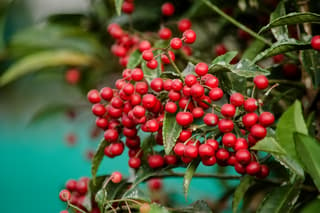
Coral Berry
Ardisia crenata
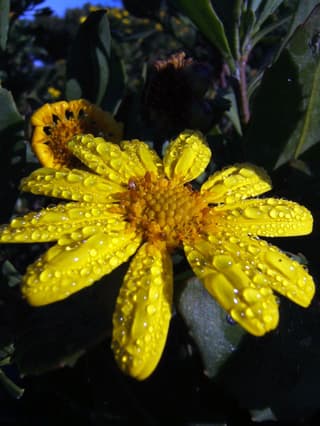
Bietou
Osteospermum moniliferum
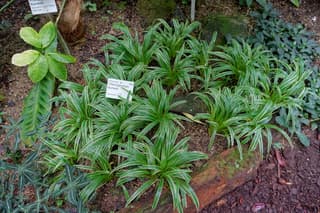
Zebra Grass Spider Plant
Chlorophytum laxum
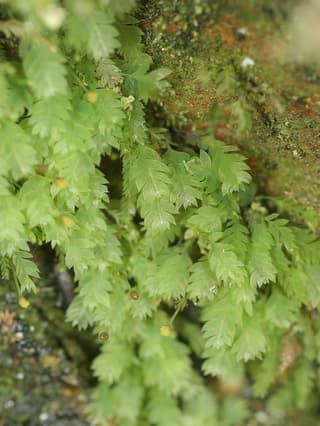
Luminous moss
Schistostega pennata
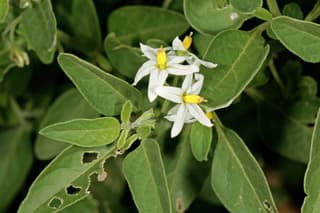
Tall nightshade
Solanum chenopodioides
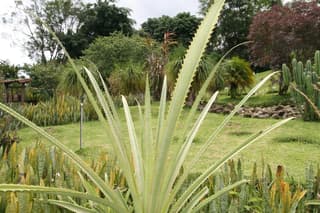
Wild Pineapple
Bromelia pinguin
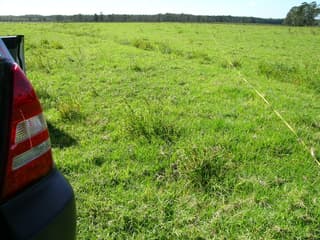
Kikuyu Grass
Cenchrus clandestinus
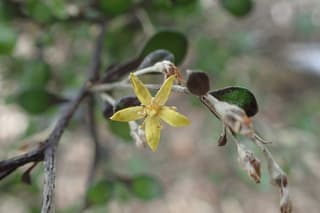
Wire-netting Bush
Corokia cotoneaster
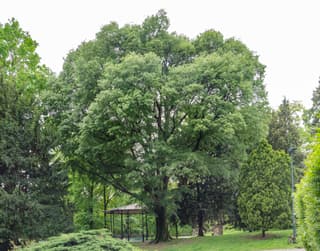
European Nettle Tree
Celtis australis
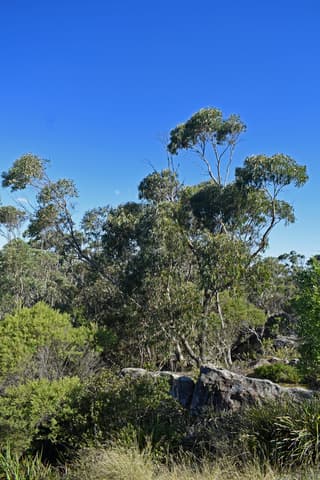
Tasmanian Blue Gum
Eucalyptus globulus
Campina Grande Climate for Plant Growing
Campina Grande has a climate with an average annual temperature of 22.9°C and average relative humidity of 81.2%. These climate conditions are ideal for various species of ornamental and fruit plants.
Tips for Growing Plants in Campina Grande
To succeed in growing plants in Campina Grande, consider the average temperature of 22.9°C when choosing your species. The temperate climate allows you to grow a wide variety of species. High humidity favors tropical plants, but watch for fungal issues.
Why Choose Plants Adapted to the Local Climate?
Plants adapted to Campina Grande's climate require less care, consume less water, and are more likely to thrive. Our selection considers the compatibility between each species' needs and local climate conditions, including temperature (22.9°C) and humidity (81.2%).