500 Best Plants for Capelinha | 2026 Guide - Page 4
Discover the 500 ideal plants for Capelinha's climate. Average temp: 20.6°C, Humidity: 69.9%.
Top 500 Plants for Capelinha
Showing 109-144 of 500
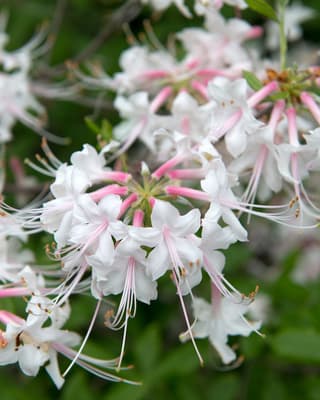
Alabama azalea
Rhododendron alabamense
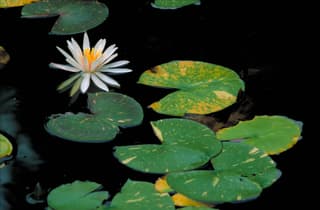
Water Lily
Nymphaea
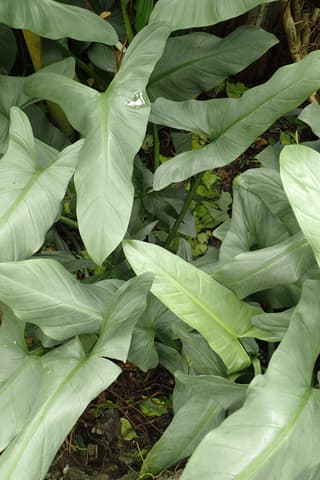
Spadeleaf Philodendron
Philodendron domesticum
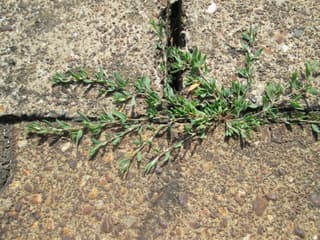
Oval-leaf Knotweed
Polygonum arenastrum
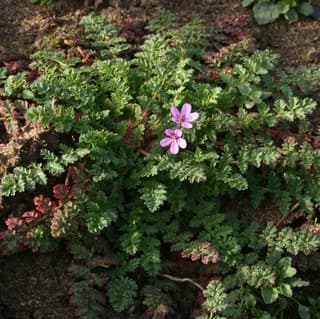
Redstem Filaree
Erodium cicutarium
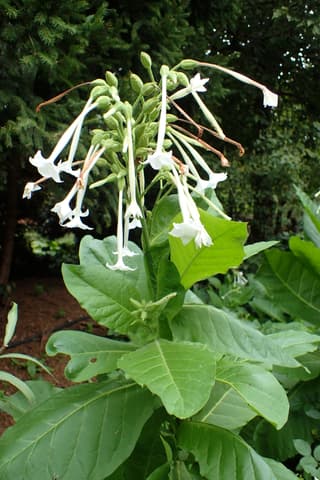
Woodland Tobacco
Nicotiana sylvestris
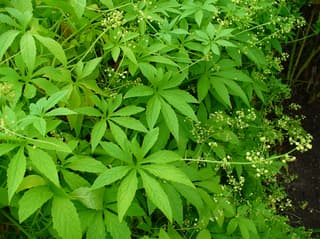
Caigua
Cyclanthera pedata
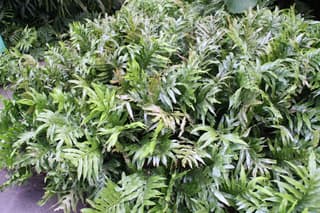
Wart Fern
Phymatosorus scolopendria
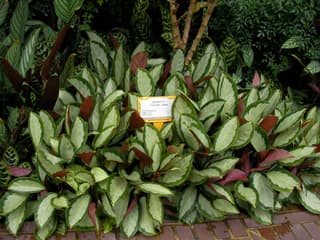
Calathea Picturata
Goeppertia picturata
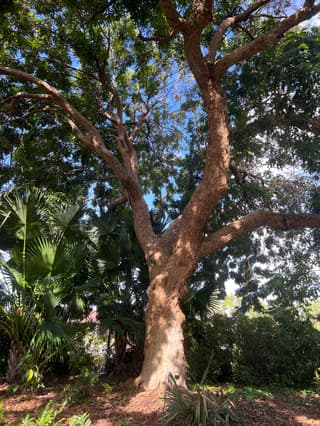
Longan
Dimocarpus longan
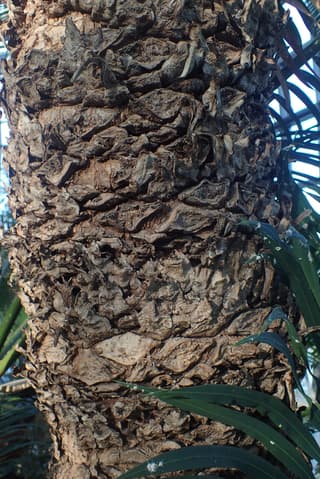
Queen Sago
Cycas rumphii
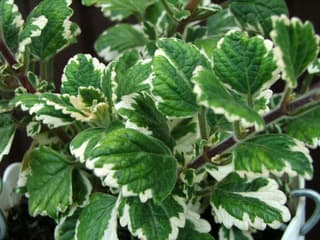
Candle Plant
Coleus paniculatus
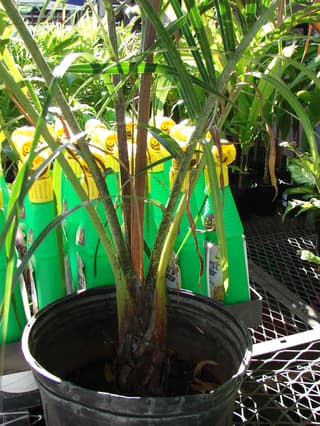
Triangle Palm
Dypsis decaryi
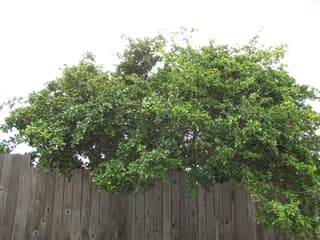
Barbados cherry
Malpighia emarginata
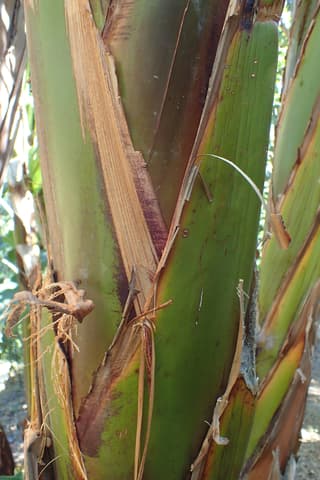
Banana
Musa × paradisiaca
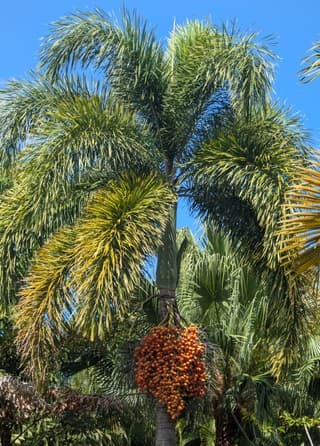
foxtail palm
Wodyetia
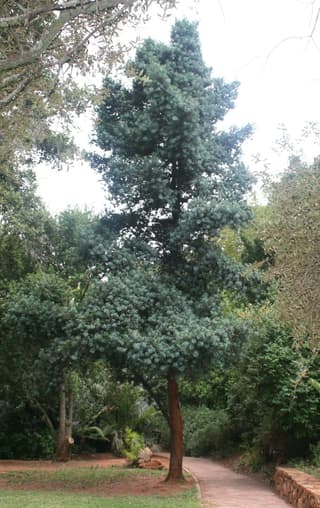
Breede River Yellowwood
Podocarpus elongatus
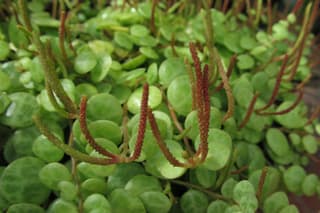
String of Turtles
Peperomia prostrata
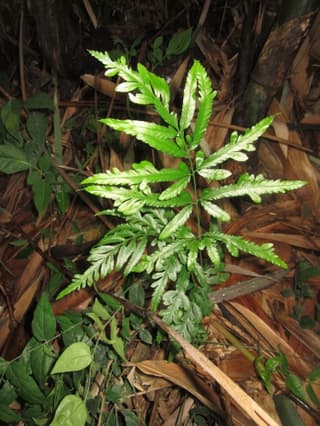
Silver Lace Fern
Pteris ensiformis
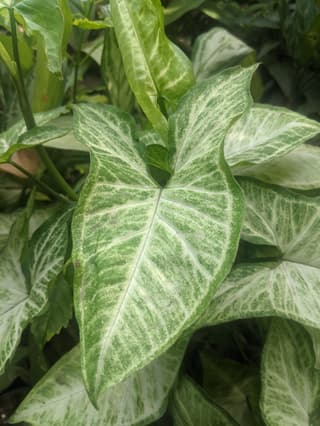
Arrowhead Vines
Syngonium
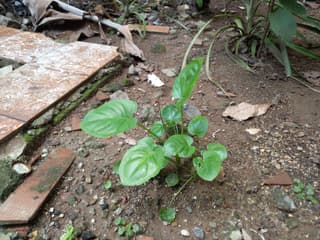
Typhonium
Typhonium
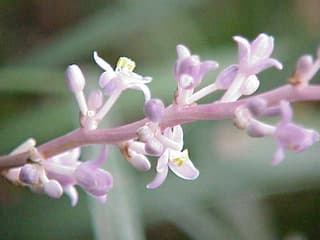
White Lilyturf
Ophiopogon jaburan
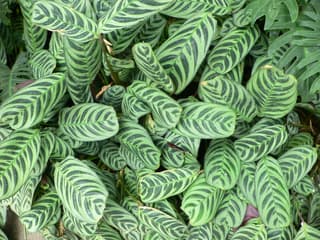
Fishbone Prayer Plant
Ctenanthe burle-marxii
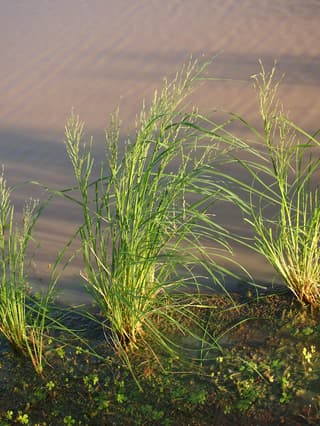
Kallar grass
Diplachne fusca

Ombú
Phytolacca dioica
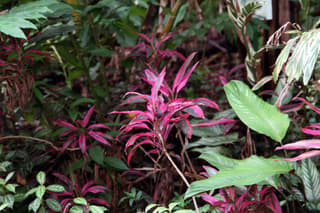
Ti Plant
Cordyline terminalis
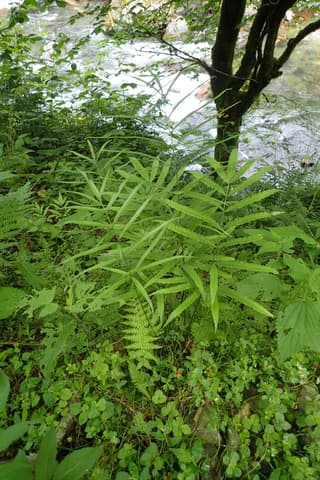
Brake Fern
Pteris
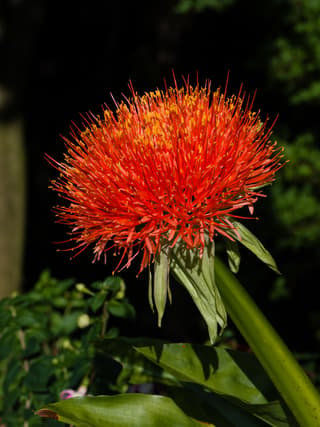
Blood Lily
Scadoxus multiflorus
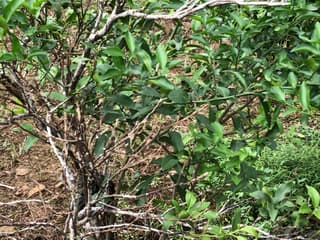
Kumquat
Citrus japonica
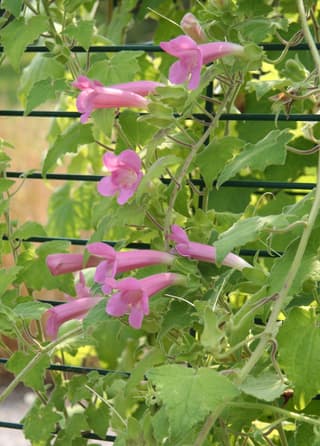
Climbing Snapdragon
Lophospermum erubescens
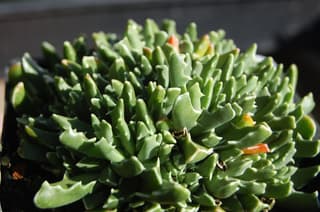
Tiger's Jaws
Faucaria bosscheana
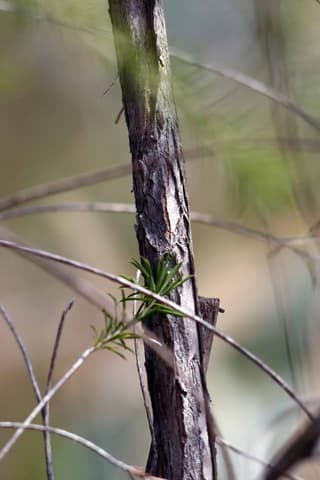
Bracelet Honey Myrtle
Melaleuca armillaris
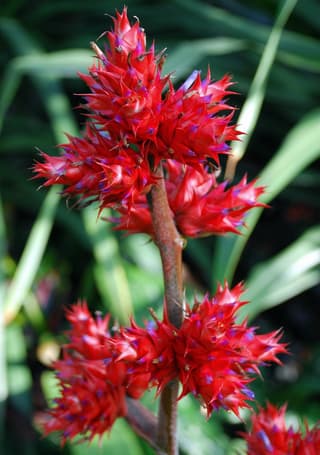
Hohenbergia
Hohenbergia
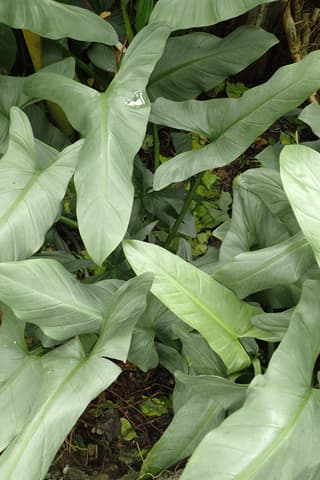
Silver Sword Philodendron
Philodendron hastatum
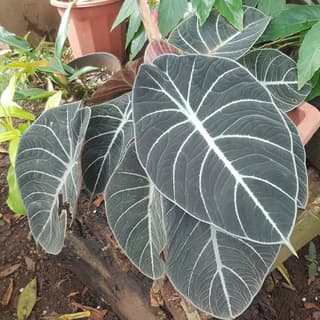
Black Velvet Alocasia
Alocasia reginula
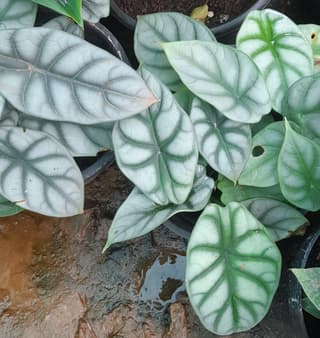
Dragon Scale Alocasia
Alocasia baginda
Capelinha Climate for Plant Growing
Capelinha has a climate with an average annual temperature of 20.6°C and average relative humidity of 69.9%. These climate conditions are ideal for various species of ornamental and fruit plants.
Tips for Growing Plants in Capelinha
To succeed in growing plants in Capelinha, consider the average temperature of 20.6°C when choosing your species. The temperate climate allows you to grow a wide variety of species. Moderate humidity is ideal for most plants.
Why Choose Plants Adapted to the Local Climate?
Plants adapted to Capelinha's climate require less care, consume less water, and are more likely to thrive. Our selection considers the compatibility between each species' needs and local climate conditions, including temperature (20.6°C) and humidity (69.9%).