500 Best Pet Safe for Chapada dos Guimarães | 2026 Guide - Page 7
The 500 best pet safe to grow in Chapada dos Guimarães. Ideal climate: 26.2°C, 69.1% humidity.
500 Pet Safe for Chapada dos Guimarães
Showing 217-252 of 500
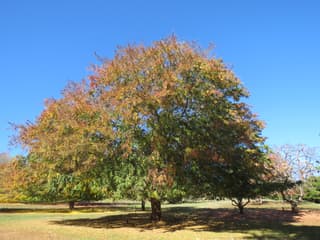
Chinese Elm
Ulmus parvifolia

Areca palm
Chrysalidocarpus lutescens
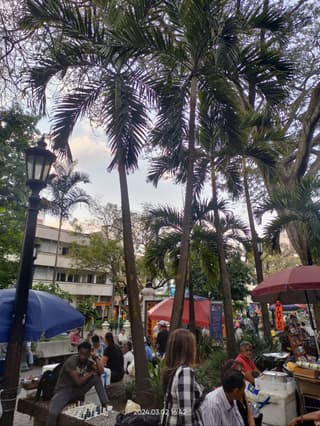
Dypsis Palm
Dypsis
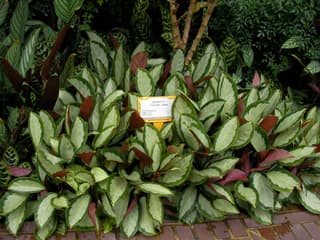
Calathea Picturata
Goeppertia picturata
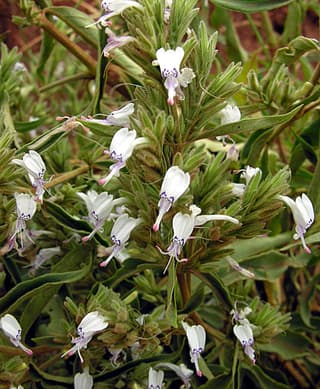
White Ribbon Bush
Hypoestes forskaolii
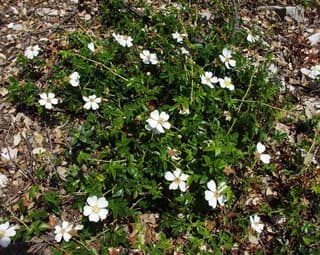
Evergreen Rose
Rosa sempervirens
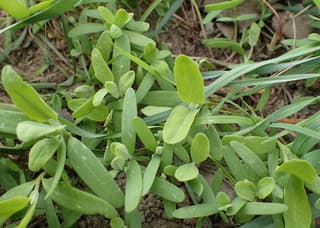
Common Orache
Atriplex patula
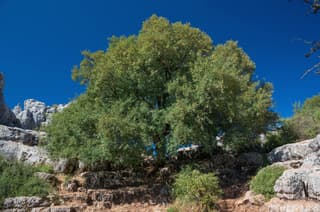
Montpellier maple
Acer monspessulanum
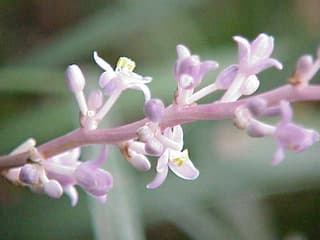
White Lilyturf
Ophiopogon jaburan
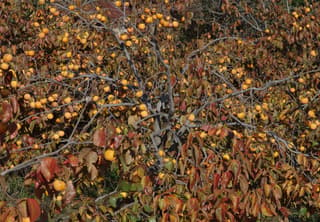
Japanese Persimmon
Diospyros kaki
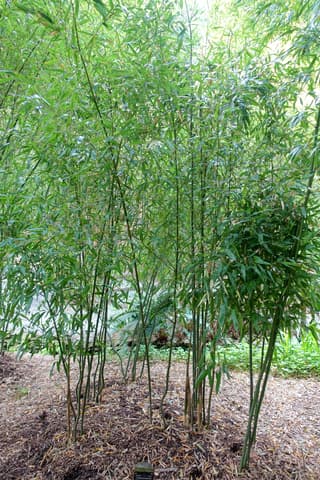
Yellow Groove Bamboo
Phyllostachys aureosulcata
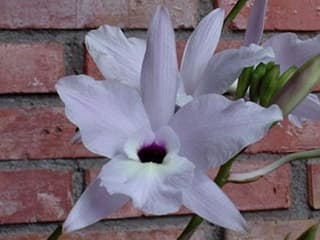
Rosy Tinted Laelia
Laelia rubescens
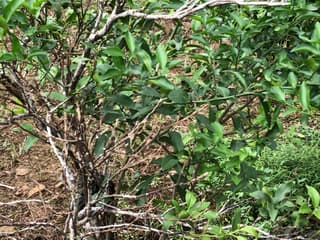
Kumquat
Citrus japonica
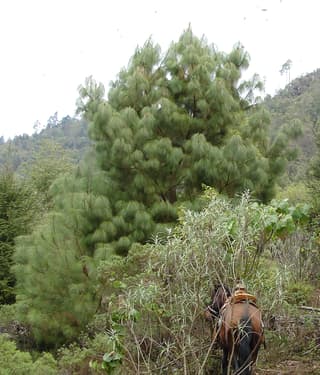
Smooth-bark Mexican Pine
Pinus pseudostrobus
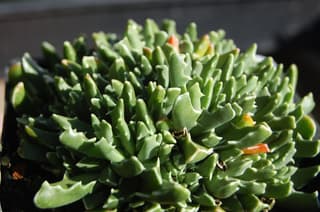
Tiger's Jaws
Faucaria bosscheana
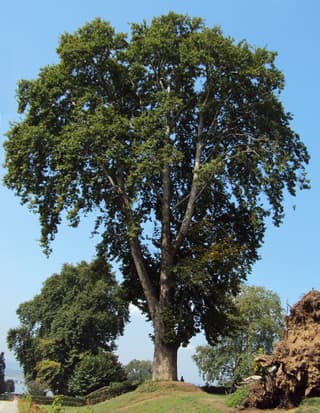
Plane Tree
Platanus
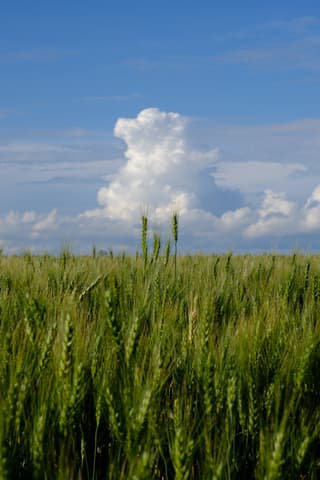
Common wheat
Triticum aestivum
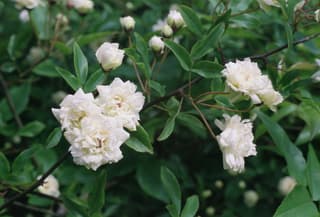
Lady Banks' Rose
Rosa banksiae
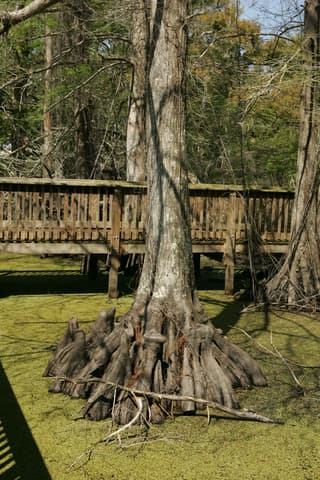
Bald Cypress
Taxodium distichum
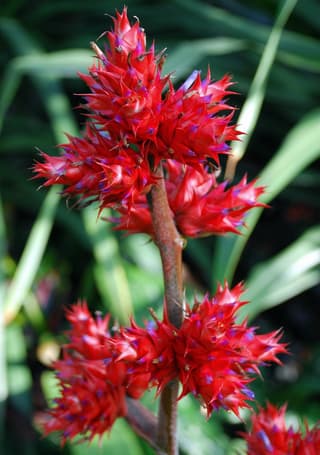
Hohenbergia
Hohenbergia
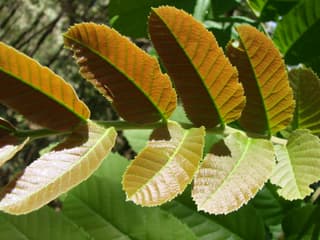
Camboata Tree
Cupania
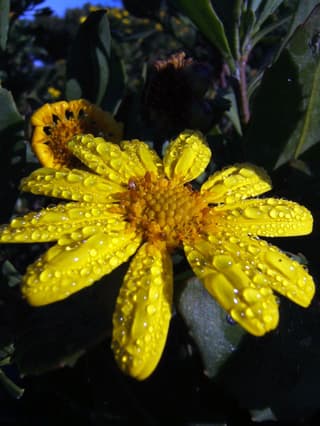
Bietou
Osteospermum moniliferum
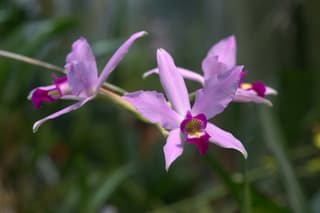
Two-edged Laelia
Laelia anceps
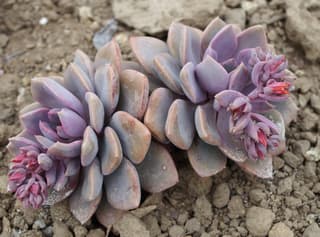
Graptoveria
× Graptoveria
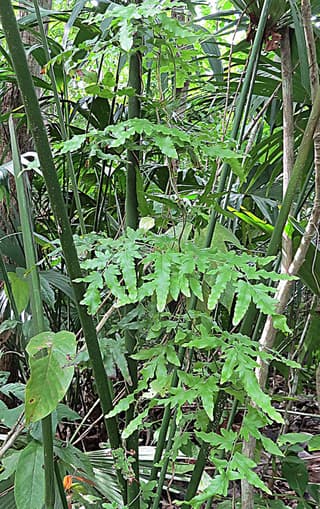
Climbing Fern
Lygodium venustum
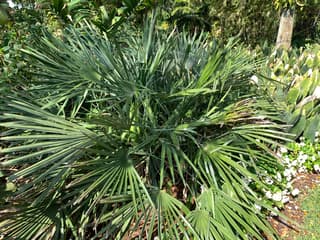
Needle Palm
Rhapidophyllum hystrix
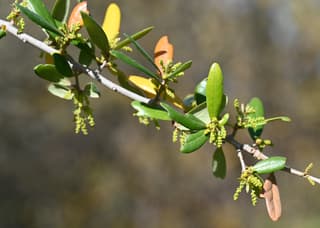
Southern Live Oak
Quercus virginiana
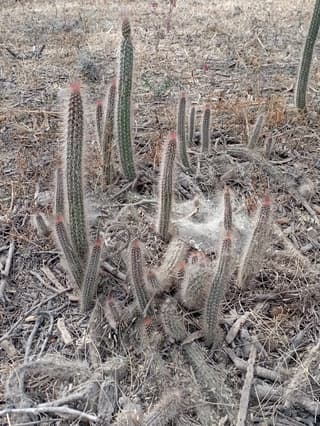
Snake Cactus, Junco, Queen of the Night
Nyctocereus serpentinus
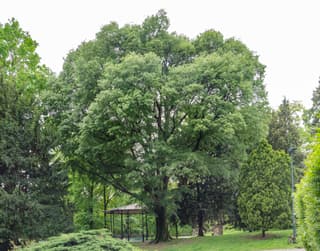
European Nettle Tree
Celtis australis
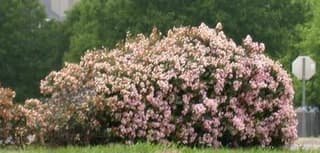
Indian Hawthorn
Rhaphiolepis indica
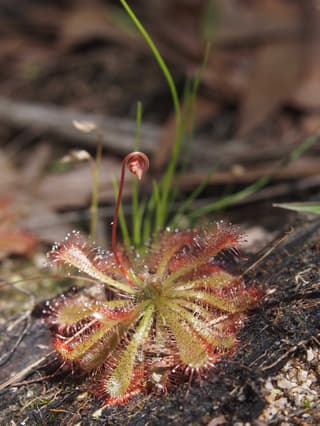
Spoon-leaved sundew
Drosera spatulata
Maritime sunburst lichen
Xanthoria parietina
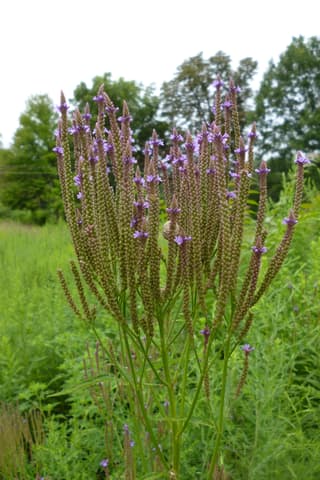
Blue Vervain
Verbena hastata
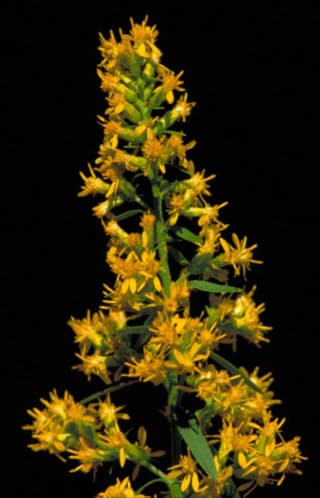
Goldenrod
Solidago
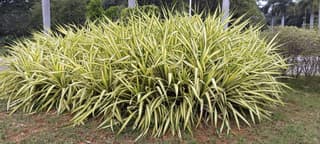
Screw Pine
Pandanus
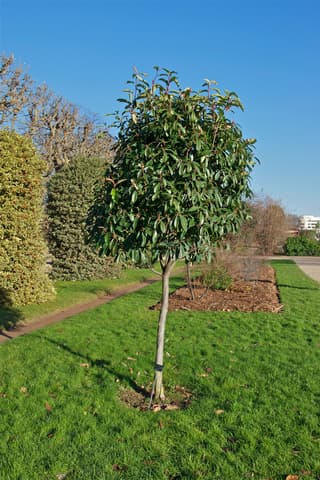
Chinese Photinia
Photinia serratifolia
Ideal Pet Safe for Chapada dos Guimarães's Climate
Chapada dos Guimarães has an average temperature of 26.2°C and humidity of 69.1%, conditions that directly influence which pet safe best adapt to the local environment.
How to Grow Pet Safe in Chapada dos Guimarães
To successfully grow pet safe in Chapada dos Guimarães, consider that the average temperature of 26.2°C and humidity of 69.1% create a specific microclimate. Moderate humidity is favorable for most species in this category.
Advantages of Choosing Adapted Pet Safe
Pet Safe adapted to Chapada dos Guimarães's climate show greater resistance, healthy growth, and less need for interventions.