500 Best Easy Care for East Cambridgeshire | 2026 Guide - Page 13
The 500 best easy care to grow in East Cambridgeshire. Ideal climate: 11.2°C, 79.6% humidity.
500 Easy Care for East Cambridgeshire
Showing 433-468 of 500
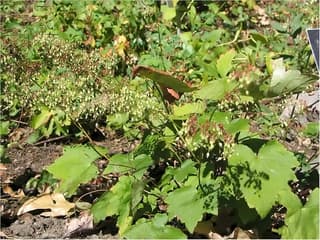
Hairy Alumroot
Heuchera villosa
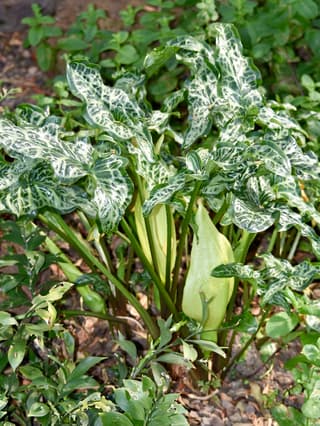
Arum / Cuckoo Pint (genus)
Arum
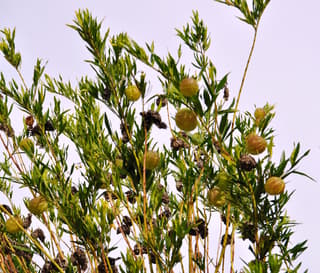
Balloon Plant
Asclepias physocarpa
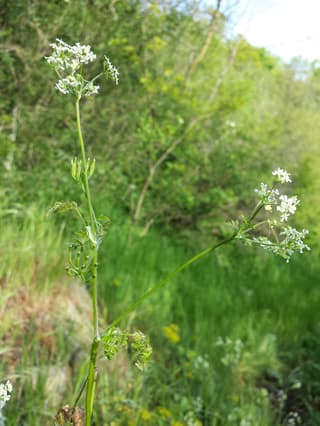
Chervil
Anthriscus cerefolium
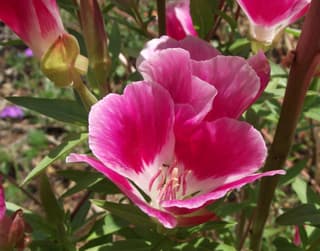
Farewell to Spring
Clarkia amoena
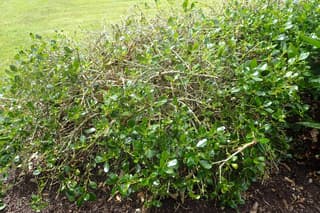
Mirror Plant
Coprosma repens
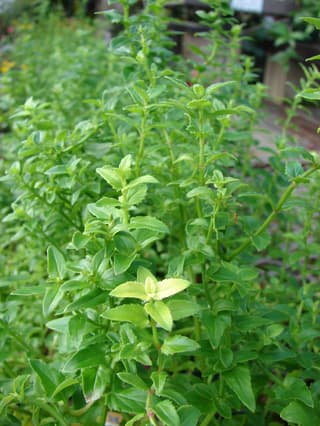
Twinspur
Diascia spp
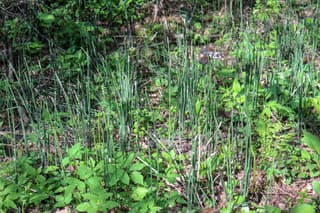
Horsetail
Equisetum spp
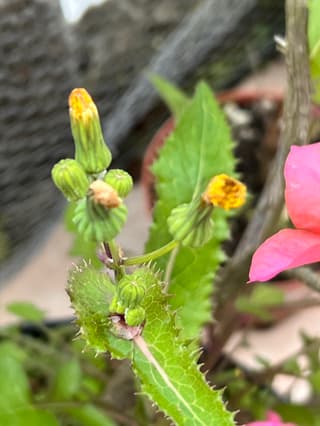
Sow Thistle
Sonchus
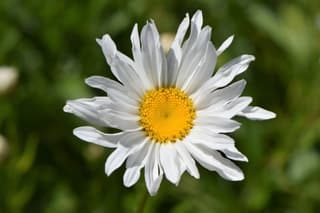
Max Chrysanthemum
Leucanthemum maximum
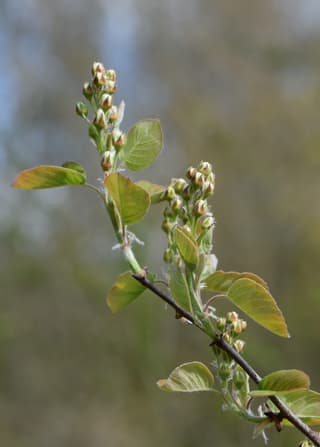
Saskatoon Serviceberry
Amelanchier alnifolia
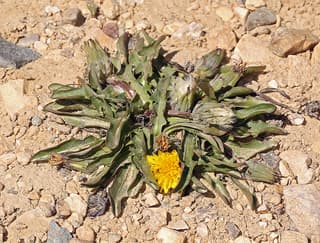
Horned Dandelion
Taraxacum ceratophorum
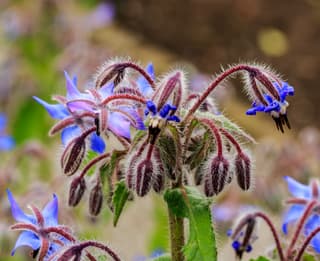
Borage
Borago officinalis
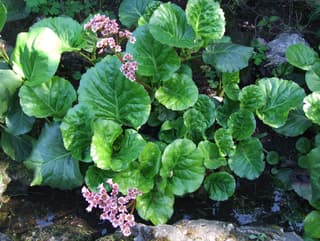
Heart-leaved Bergenia
Bergenia crassifolia
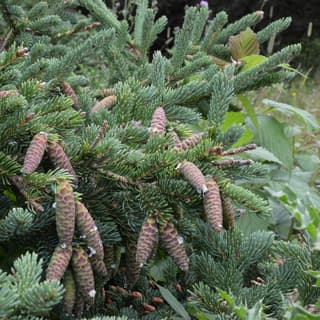
White Spruce
Picea laxa
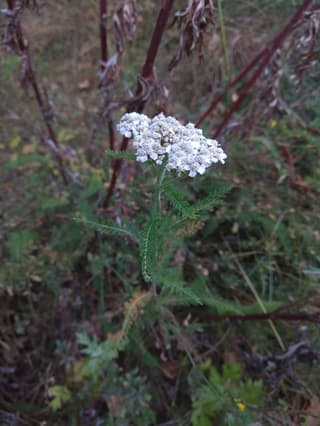
Asian Yarrow
Achillea asiatica
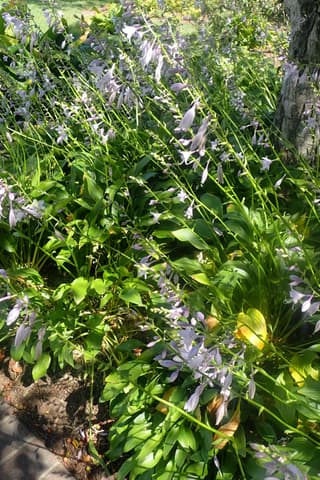
Narrow-leaved Plantain Lily
Hosta lancifolia
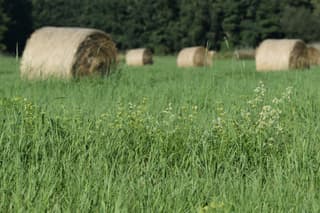
White Bedstraw
Galium album
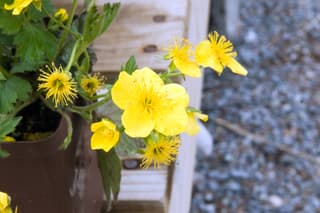
Barren Strawberry
Waldsteinia ternata
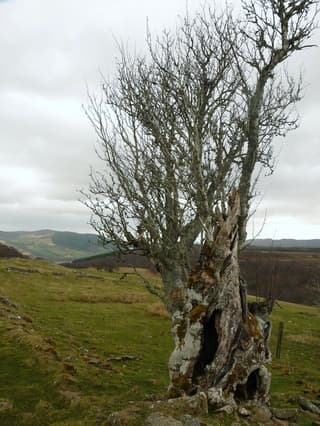
European Rowan
Sorbus aucuparia
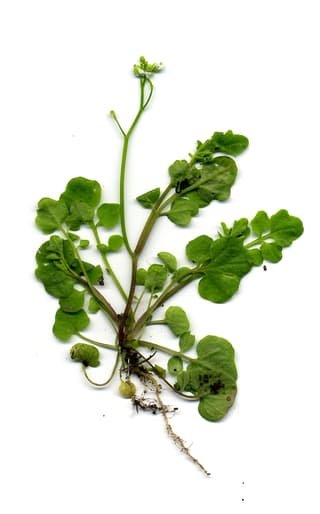
Hairy Bittercress
Cardamine hirsuta
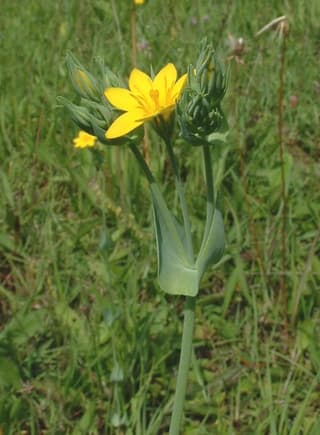
Yellow-wort
Blackstonia perfoliata
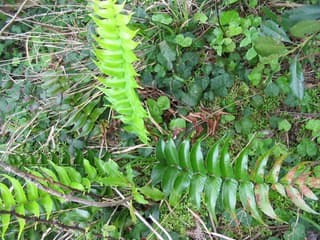
Japanese Holly Fern
Cyrtomium falcatum
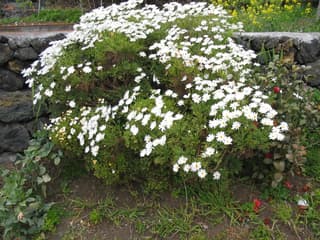
Marguerite Daisy
Argyranthemum frutescens
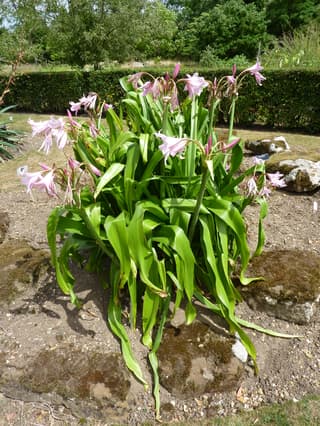
Powell's Crinum Lily
Crinum x powellii
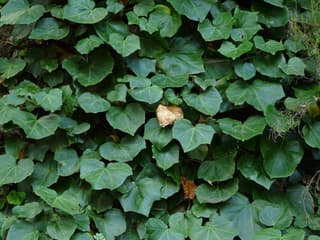
Algerian Ivy
Hedera canariensis
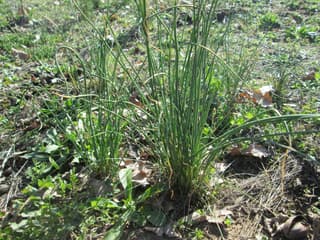
Wild Garlic
Allium vineale
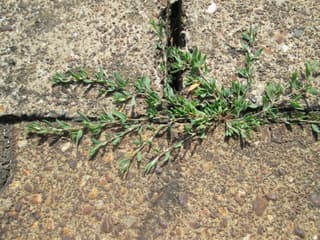
Oval-leaf Knotweed
Polygonum arenastrum
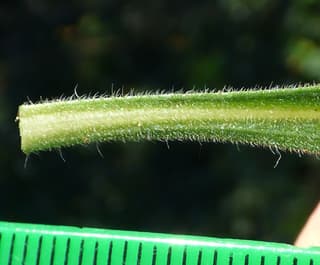
Guernsey Fleabane
Erigeron sumatrensis
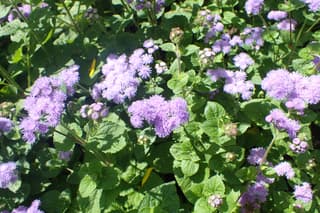
Floss Flower
Ageratum houstonianum
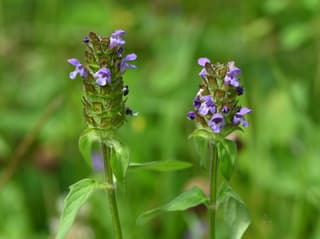
Self-Heal
Prunella vulgaris
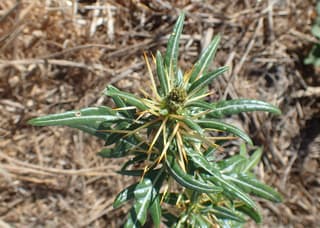
Spiny Cocklebur
Xanthium spinosum
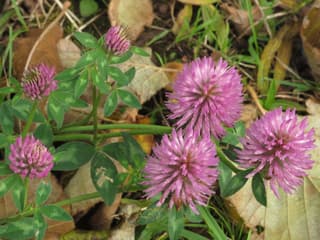
Red Clover
Trifolium pratense
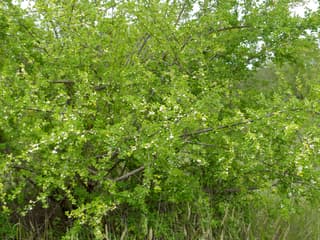
White-Berry Bush
Flueggea virosa
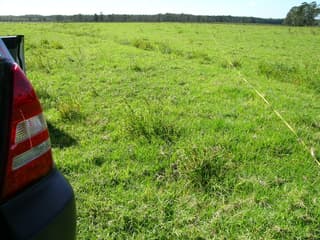
Kikuyu Grass
Cenchrus clandestinus
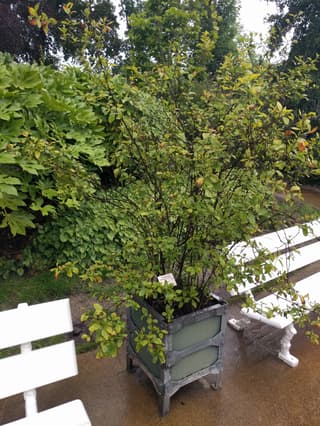
Cape Leadwort
Plumbago auriculata
Ideal Easy Care for East Cambridgeshire's Climate
East Cambridgeshire has an average temperature of 11.2°C and humidity of 79.6%, conditions that directly influence which easy care best adapt to the local environment.
How to Grow Easy Care in East Cambridgeshire
To successfully grow easy care in East Cambridgeshire, consider that the average temperature of 11.2°C and humidity of 79.6% create a specific microclimate. High humidity favors tropical species, but requires attention to ventilation to prevent fungal issues.
Advantages of Choosing Adapted Easy Care
Easy Care adapted to East Cambridgeshire's climate show greater resistance, healthy growth, and less need for interventions.