500 Best Plants for Entre Rios de Minas | 2026 Guide - Page 6
Discover the 500 ideal plants for Entre Rios de Minas's climate. Average temp: 19.7°C, Humidity: 75.3%.
Top 500 Plants for Entre Rios de Minas
Showing 181-216 of 500
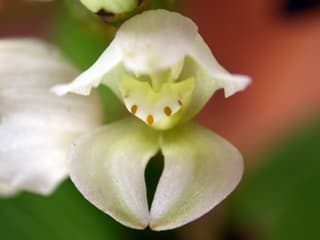
Govenia
Govenia
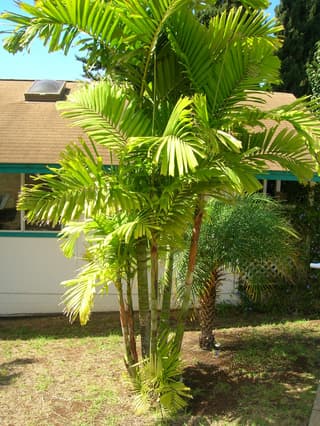
Macarthur Palm
Ptychosperma macarthurii
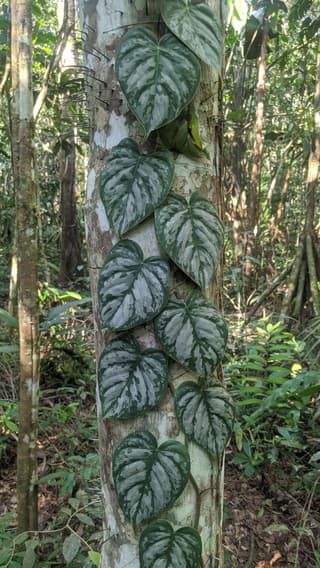
Silver Leaf Philodendron
Philodendron brandtianum
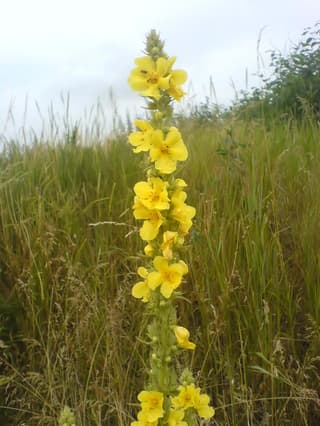
Denseflower Mullein
Verbascum densiflorum
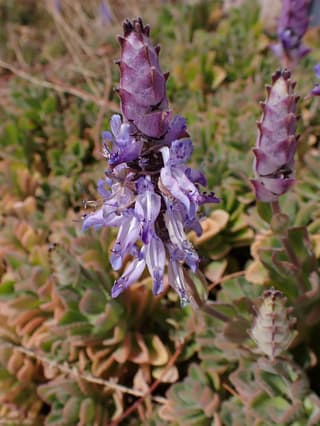
Scaredy Cat Plant
Coleus caninus
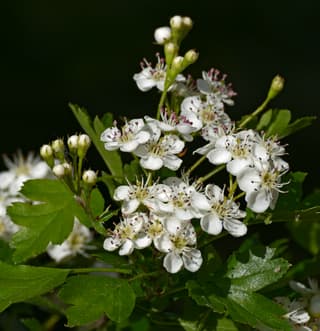
Common Hawthorn
Crataegus monogyna
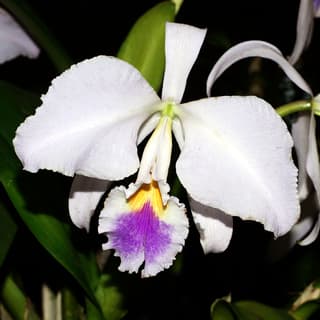
Mendel's Cattleya
Cattleya mendelii
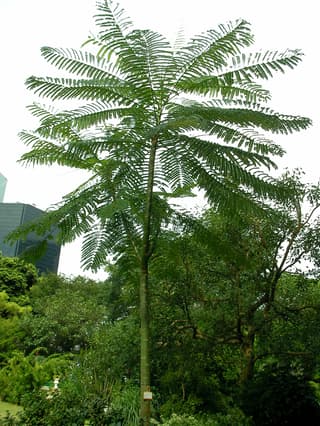
Brazilian Firetree
Schizolobium parahyba

Dove's-foot Crane's-bill
Geranium molle
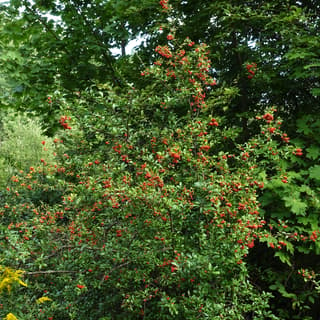
Scarlet Firethorn
Pyracantha coccinea
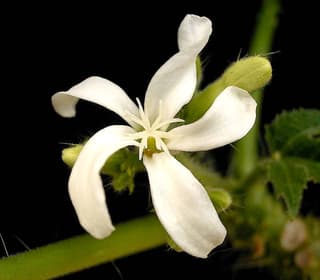
Bull Nettle
Cnidoscolus
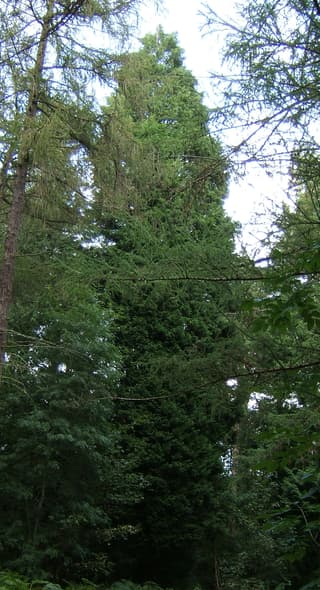
Leyland Cypress
× Hesperotropsis leylandii
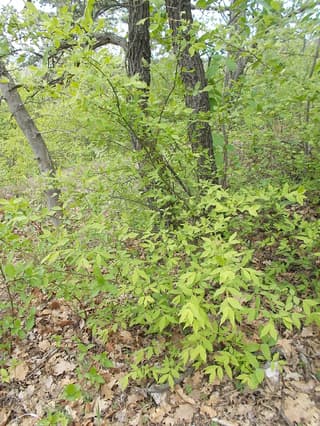
Common Dogwood
Cornus sanguinea
Small Stagshorn
Calocera cornea
Maritime sunburst lichen
Xanthoria parietina
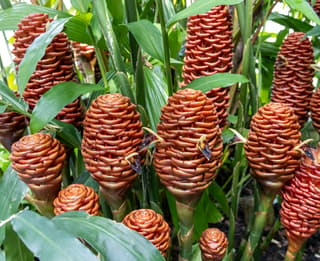
Ginger
Zingiber
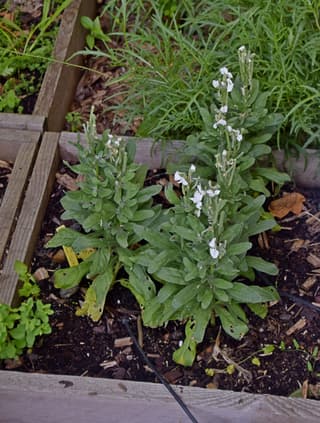
Stock
Matthiola
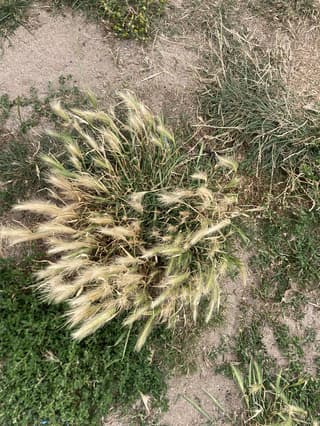
Wall barley
Hordeum murinum
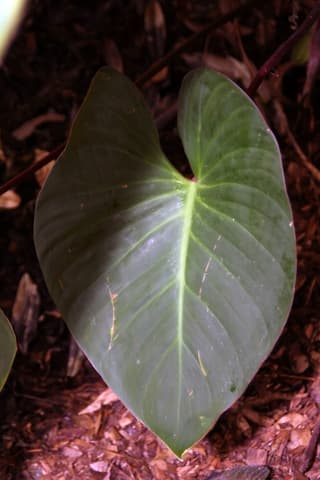
Homalomena
Homalomena
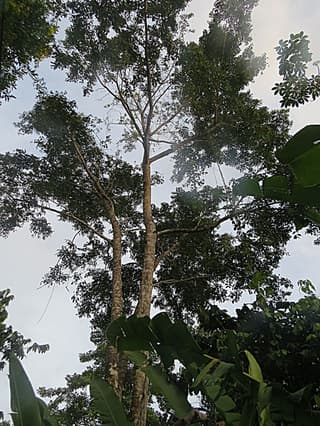
Yellow Mombin
Spondias mombin
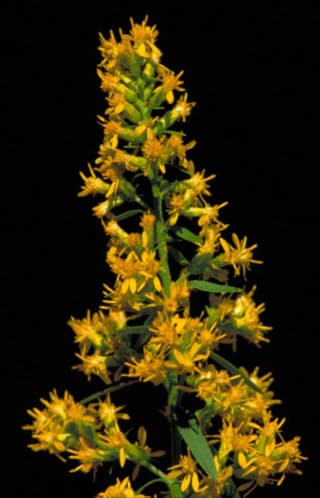
Goldenrod
Solidago
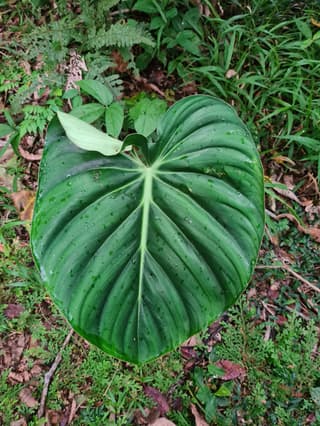
Philodendron Pastazanum
Philodendron pastazanum
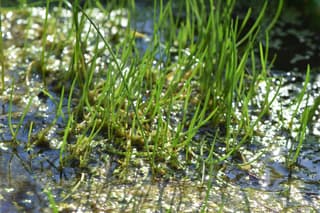
Shoreweed
Littorella uniflora
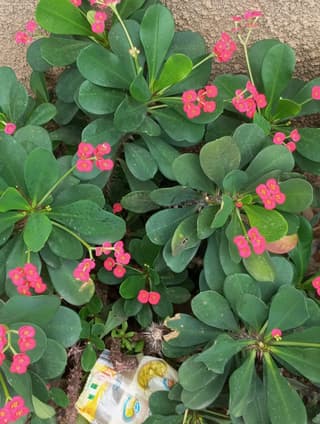
Giant crown of thorns
Euphorbia × lomii
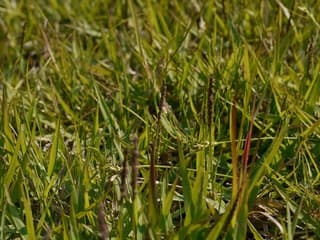
Zoysia Grass
Zoysia japonica

Muriel's Bamboo
Fargesia murielae

Silver Birch
Betula pendula
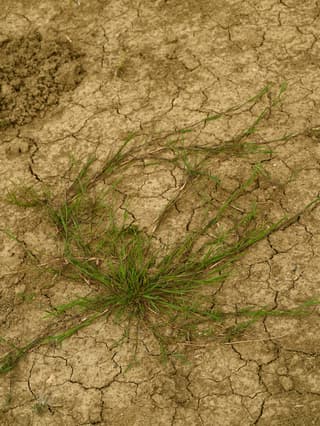
Creeping bentgrass
Agrostis stolonifera
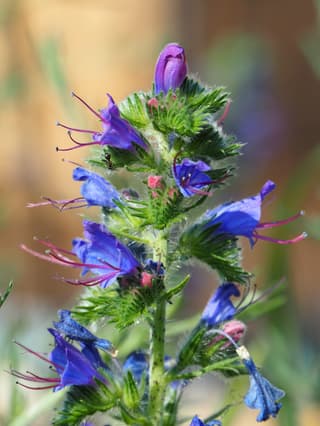
Viper's Bugloss
Echium vulgare
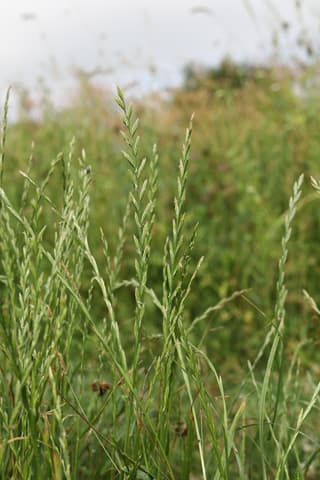
Perennial ryegrass
Lolium perenne
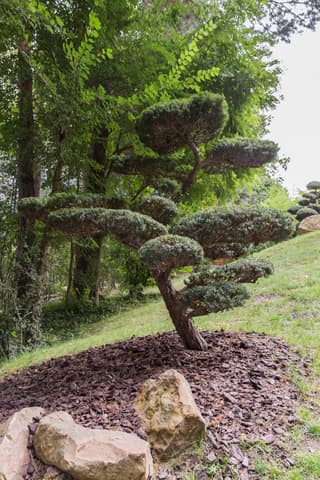
English Yew
Taxus baccata
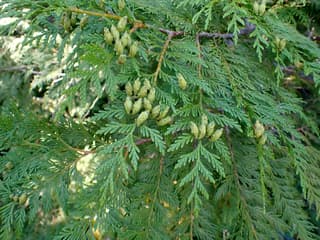
Western Red Cedar
Thuja plicata
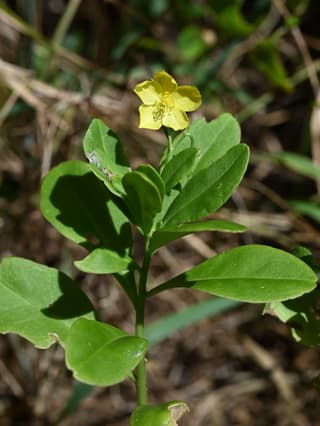
Waterleaf
Talinum fruticosum
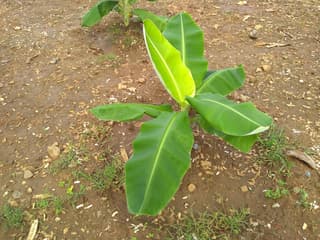
Banana
Musa
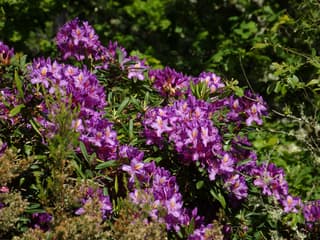
Common Rhododendron
Rhododendron ponticum
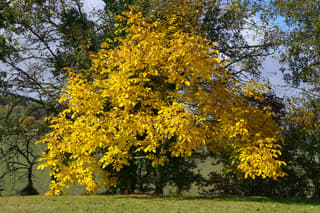
English walnut
Juglans regia
Entre Rios de Minas Climate for Plant Growing
Entre Rios de Minas has a climate with an average annual temperature of 19.7°C and average relative humidity of 75.3%. These climate conditions are ideal for various species of ornamental and fruit plants.
Tips for Growing Plants in Entre Rios de Minas
To succeed in growing plants in Entre Rios de Minas, consider the average temperature of 19.7°C when choosing your species. The temperate climate allows you to grow a wide variety of species. High humidity favors tropical plants, but watch for fungal issues.
Why Choose Plants Adapted to the Local Climate?
Plants adapted to Entre Rios de Minas's climate require less care, consume less water, and are more likely to thrive. Our selection considers the compatibility between each species' needs and local climate conditions, including temperature (19.7°C) and humidity (75.3%).