500 Best Plants for Espinal | 2026 Guide - Page 8
Discover the 500 ideal plants for Espinal's climate. Average temp: 27°C, Humidity: 71.4%.
Top 500 Plants for Espinal
Showing 253-288 of 500
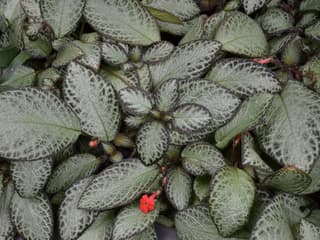
Flame Violet
Episcia reptans
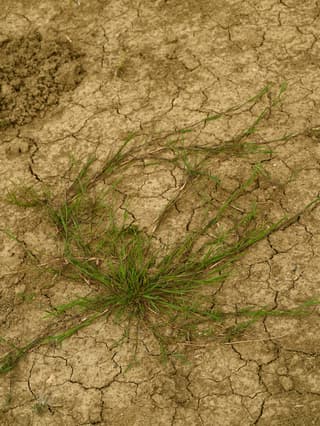
Creeping bentgrass
Agrostis stolonifera
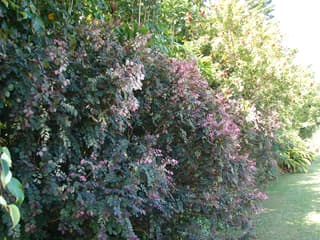
Snowbush
Breynia disticha
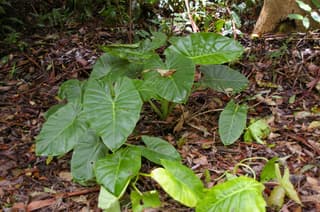
Cunjevoi
Alocasia brisbanensis
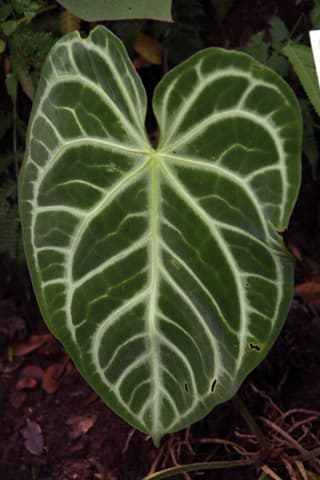
Crystal Anthurium
Anthurium crystallinum
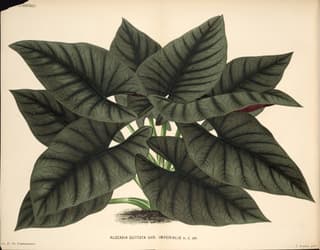
Alocasia Nebula
Alocasia nebula
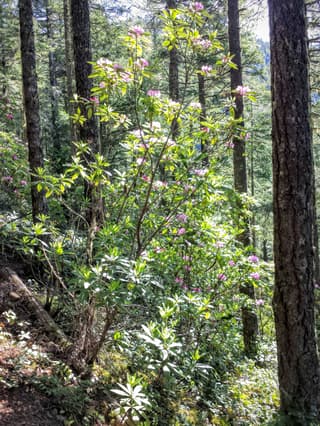
Pacific Rhododendron
Rhododendron macrophyllum
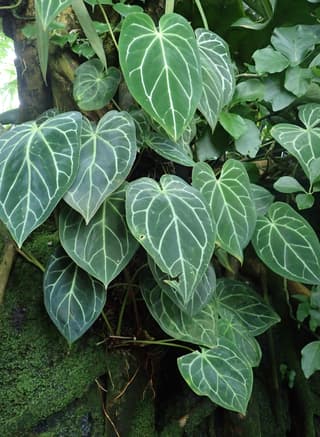
Magnificent Anthurium
Anthurium magnificum
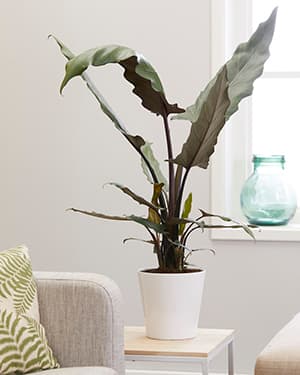
Purple Sword
Alocasia lauterbachiana
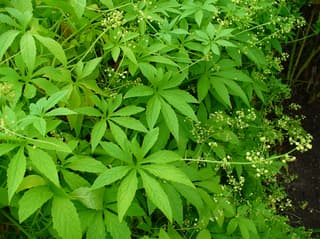
Caigua
Cyclanthera pedata
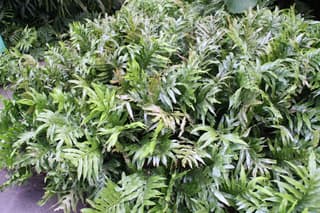
Wart Fern
Phymatosorus scolopendria
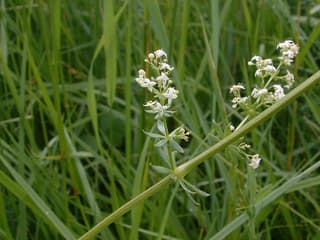
Hedge Bedstraw
Galium mollugo
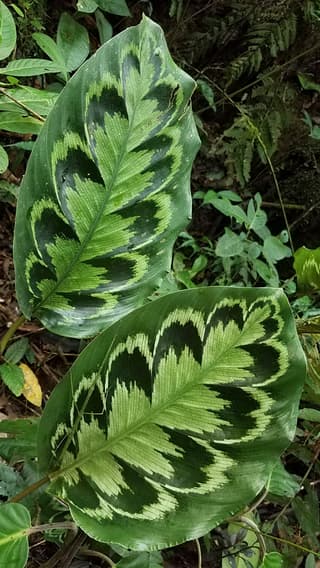
Medallion Calathea
Goeppertia veitchiana
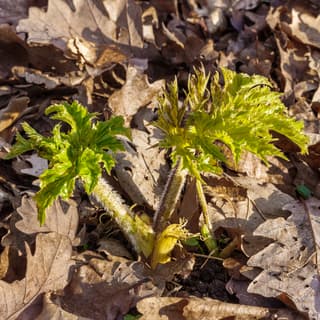
Common Hogweed
Heracleum
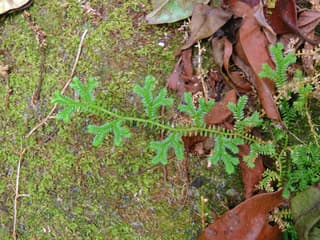
Spikemoss
Selaginella
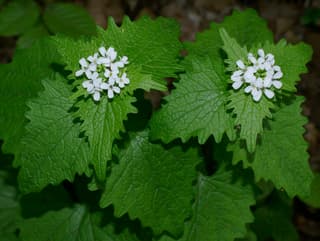
Garlic Mustard
Alliaria petiolata
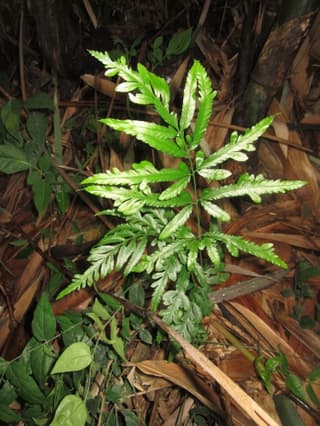
Silver Lace Fern
Pteris ensiformis
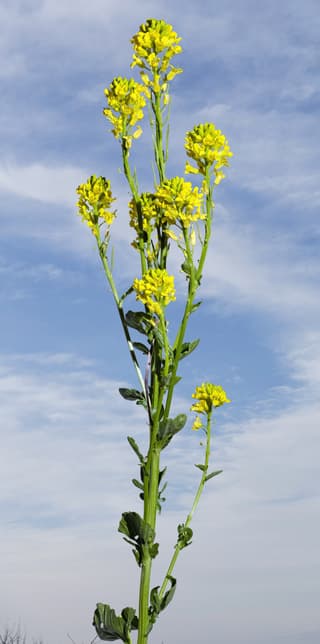
Wintercress
Barbarea vulgaris
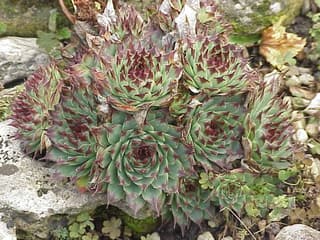
Limestone Houseleek
Sempervivum calcareum
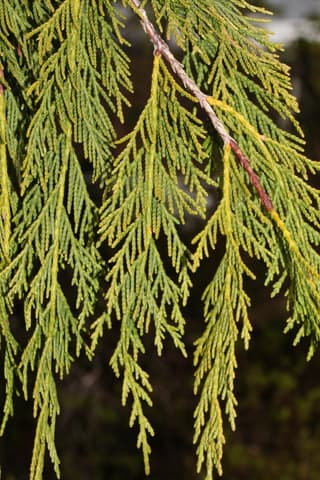
Nootka Cypress
Callitropsis nootkatensis
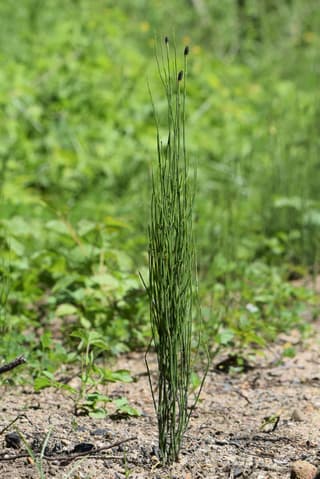
Marsh Horsetail
Equisetum palustre
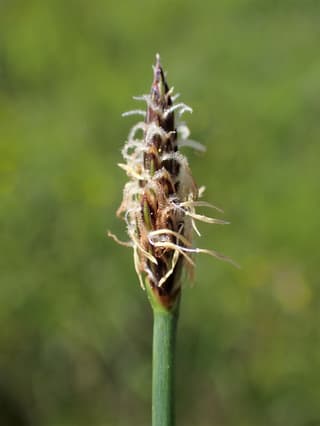
Spikerush
Eleocharis
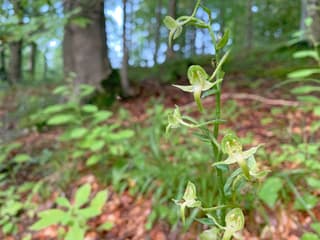
Greater Butterfly-orchid
Platanthera chlorantha
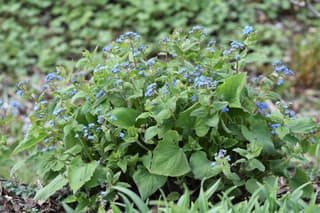
Siberian Bugloss
Brunnera macrophylla
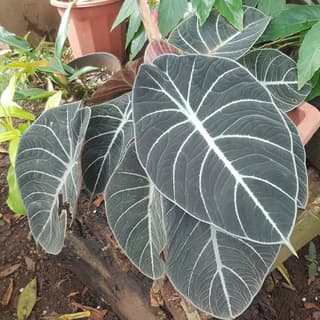
Black Velvet Alocasia
Alocasia reginula
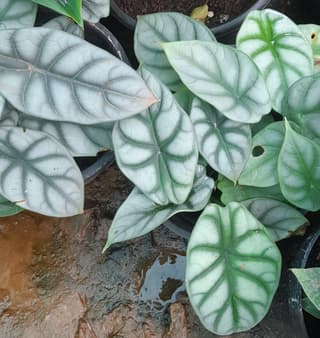
Dragon Scale Alocasia
Alocasia baginda
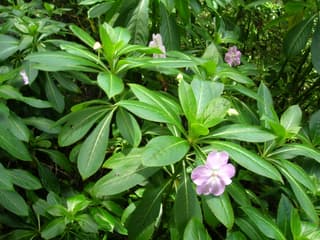
Poor Man's Rhododendron
Impatiens sodenii
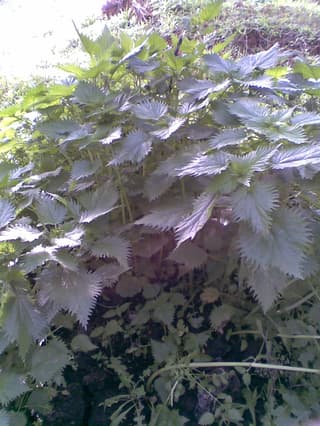
Stinging Nettle
Urtica dioica
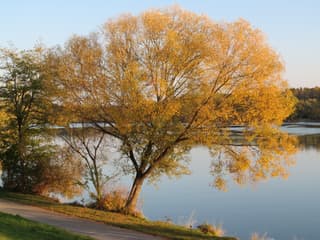
Basket Willow
Salix viminalis
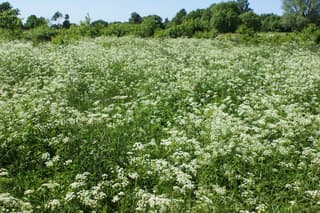
Cow Parsley
Anthriscus sylvestris
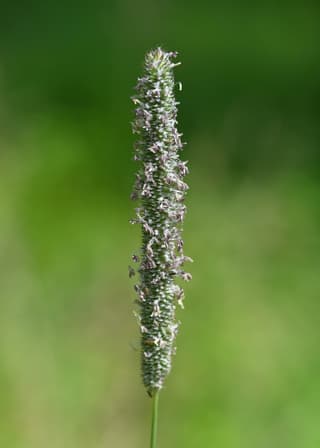
Timothy-grass
Phleum pratense
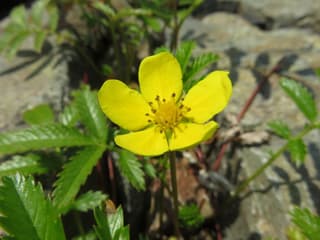
Silverweed
Argentina anserina
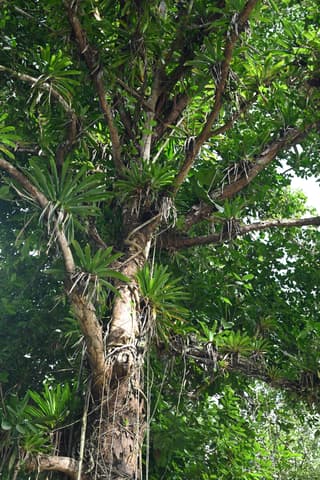
Guzmania
Guzmania
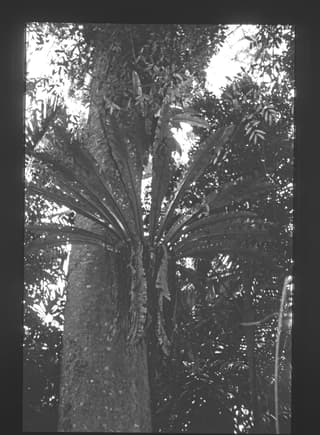
Birds Nest Fern
Asplenium australasicum
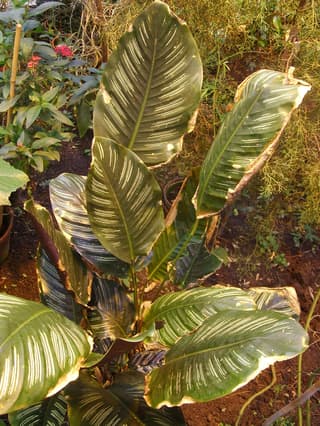
White Star Calathea
Goeppertia majestica
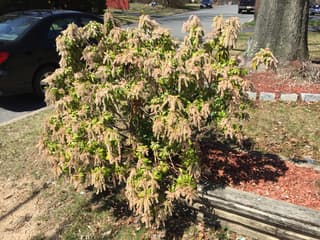
Japanese Andromeda
Pieris japonica
Espinal Climate for Plant Growing
Espinal has a climate with an average annual temperature of 27°C and average relative humidity of 71.4%. These climate conditions are ideal for various species of ornamental and fruit plants.
Tips for Growing Plants in Espinal
To succeed in growing plants in Espinal, consider the average temperature of 27°C when choosing your species. On very hot days, protect plants from direct sun during the most intense hours. High humidity favors tropical plants, but watch for fungal issues.
Why Choose Plants Adapted to the Local Climate?
Plants adapted to Espinal's climate require less care, consume less water, and are more likely to thrive. Our selection considers the compatibility between each species' needs and local climate conditions, including temperature (27°C) and humidity (71.4%).