112 Best Orchids for Inhumas | 2026 Guide - Page 2
The 112 best orchids to grow in Inhumas. Ideal climate: 23.4°C, 62.4% humidity.
112 Orchids for Inhumas
Showing 37-72 of 112
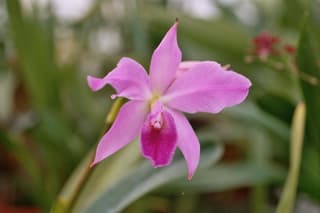
Cattleya Orchid
Cattleya spp
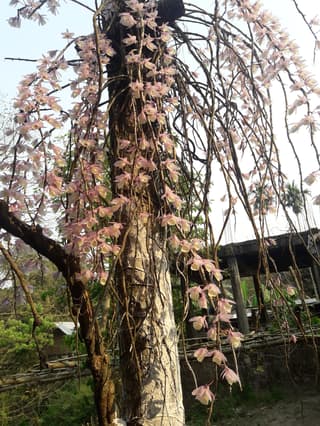
Hooded Orchid
Dendrobium aphyllum
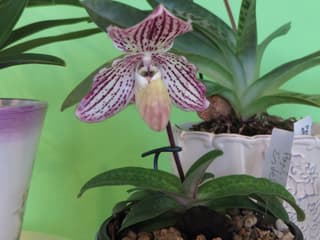
Lady Slipper Orchid
Paphiopedilum sp
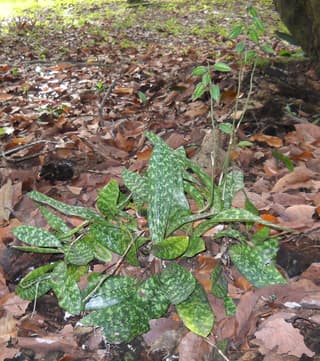
Spotted Eulophia
Eulophia maculata
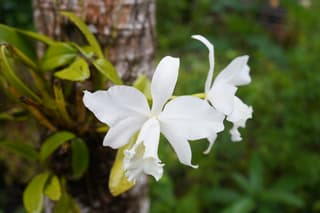
Corsage Orchid
Cattleya
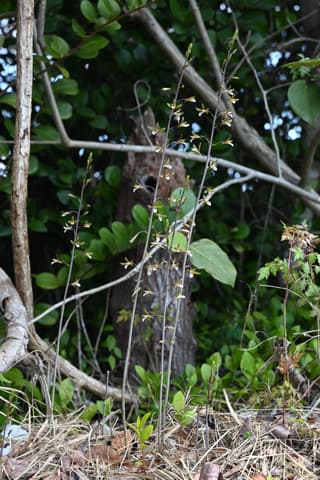
Chinese Crown Orchid
Eulophia graminea
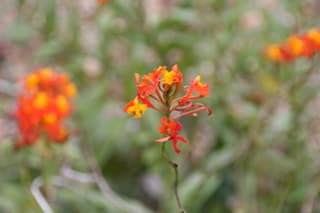
Crucifix Orchid
Epidendrum
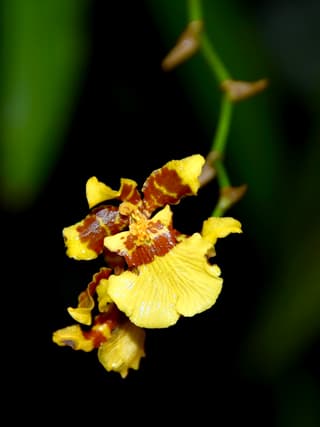
Golden Shower Orchid
Oncidium sphacelatum
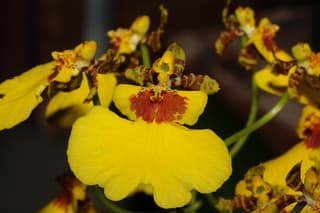
Dancing Lady Orchid
Oncidium Celtic Sun x Burgundian
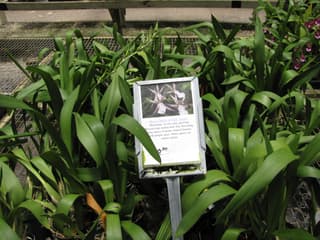
Miltassia orchid
Bratonia Charles M. Fitch
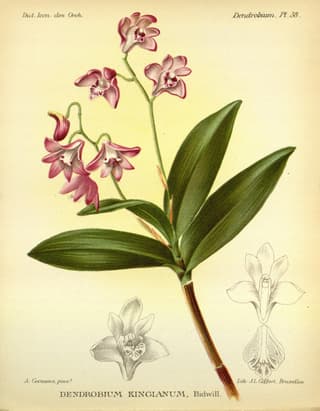
Pink Rock Orchid
Dendrobium kingianum
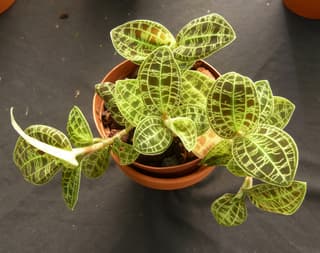
Jewel Orchid
Macodes petola
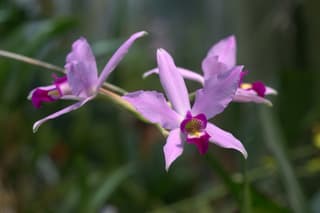
Laelia Orchid
Laelia

Jiminy Cricket Cattleya Orchid
Rhyncovola Jiminy Cricket x Cattleya dowiana
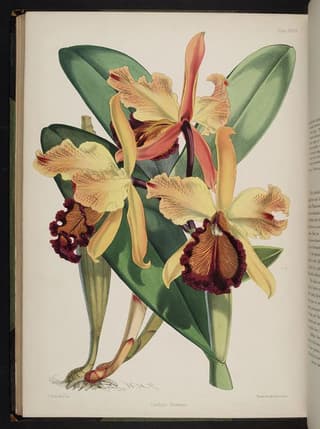
Crimson Cattleya
Cattleya labiata
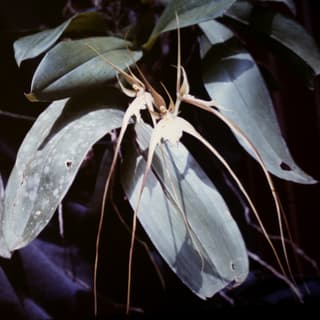
Spider Orchid
Brassia caudata
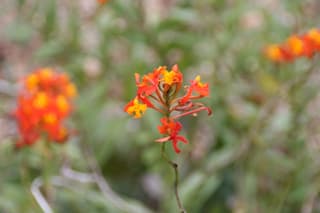
Reed-stem Epidendrum
Epidendrum radicans
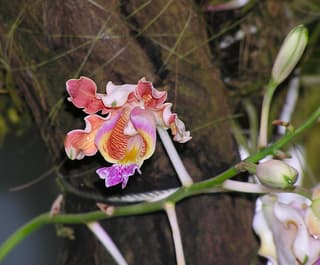
Cow Horn Orchid
Myrmecophila tibicinis
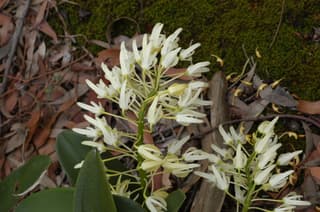
Rock Orchid
Dendrobium speciosum
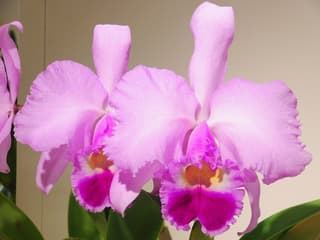
Christmas Orchid
Cattleya trianae
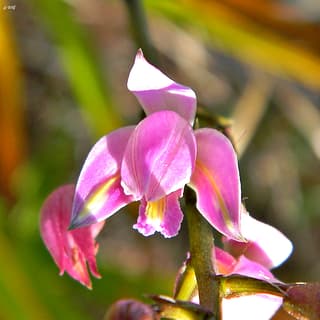
Pine-pink Orchid
Bletia purpurea
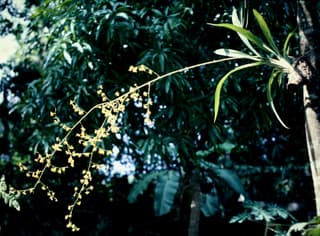
Bauer's Dancing Lady Orchid
Oncidium baueri
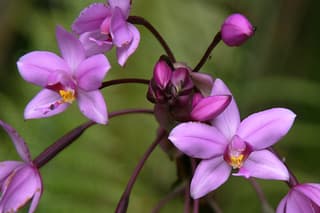
Philippine Ground Orchid
Spathoglottis plicata
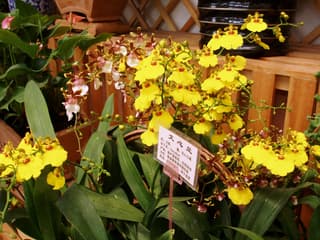
Dancing Doll Orchid
Oncidium flexuosum
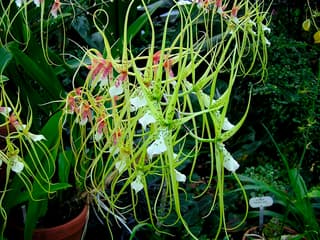
Spider Orchid
Brassia

Night-Scented Orchid
Epidendrum nocturnum

Fragrant Encyclia
Encyclia fragrans
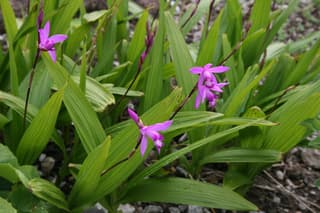
Chinese Ground Orchid
Bletilla striata
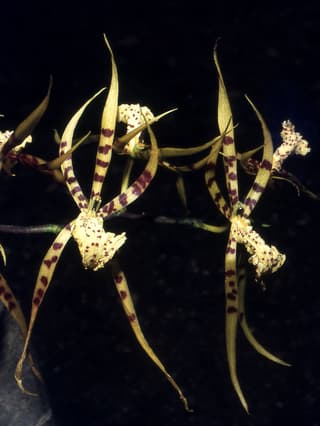
Spider Orchid
Brassia arachnoidea

Noble Dendrobium
Dendrobium nobile
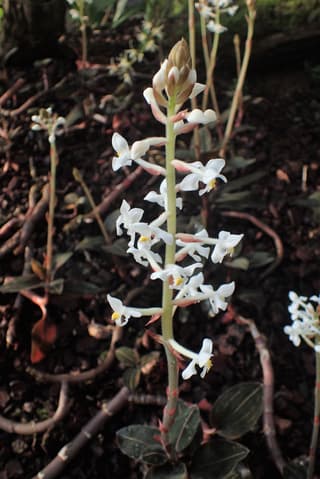
Jewel Orchid
Ludisia discolor
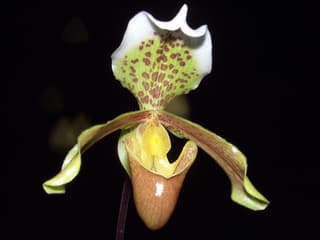
Lady Slipper Orchid
Paphiopedilum insigne
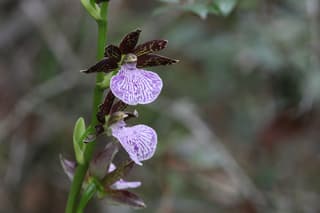
Spotted Zygopetalum
Zygopetalum maculatum
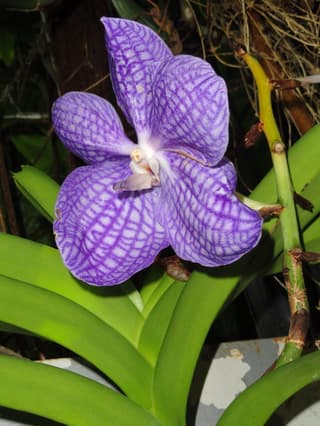
Blue Vanda Orchid
Vanda coerulea
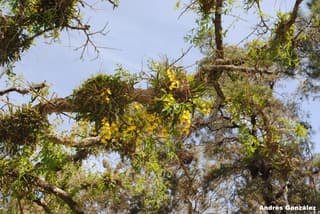
Dancing-lady orchid
Gomesa bifolia
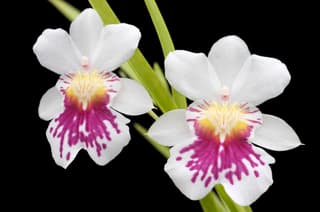
Pansy Orchid
Miltoniopsis phalaenopsis
Ideal Orchids for Inhumas's Climate
Inhumas has an average temperature of 23.4°C and humidity of 62.4%, conditions that directly influence which orchids best adapt to the local environment.
How to Grow Orchids in Inhumas
To successfully grow orchids in Inhumas, consider that the average temperature of 23.4°C and humidity of 62.4% create a specific microclimate. Moderate humidity is favorable for most species in this category.
Advantages of Choosing Adapted Orchids
Orchids adapted to Inhumas's climate show greater resistance, healthy growth, and less need for interventions.