500 Best Plants for Ivinhema | 2026 Guide - Page 12
Discover the 500 ideal plants for Ivinhema's climate. Average temp: 24°C, Humidity: 71.2%.
Top 500 Plants for Ivinhema
Showing 397-432 of 500
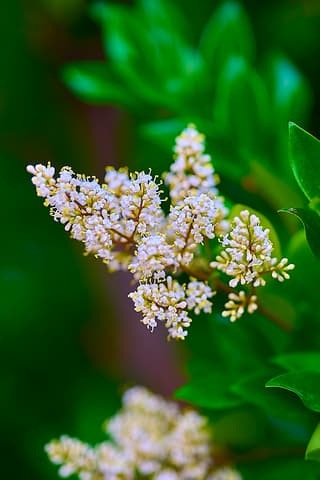
Privet
Ligustrum
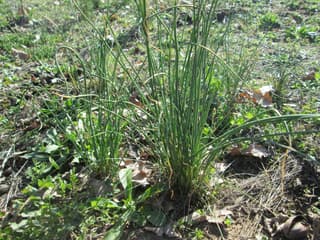
Wild Garlic
Allium vineale
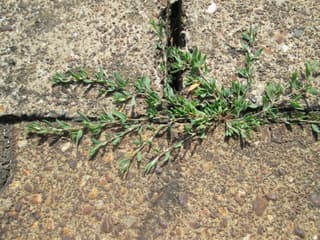
Oval-leaf Knotweed
Polygonum arenastrum
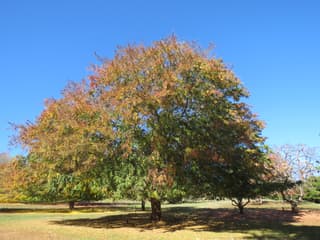
Chinese Elm
Ulmus parvifolia
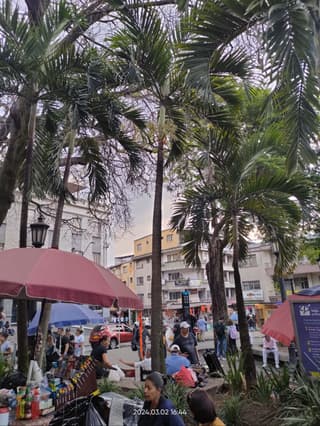
Areca palm
Chrysalidocarpus lutescens
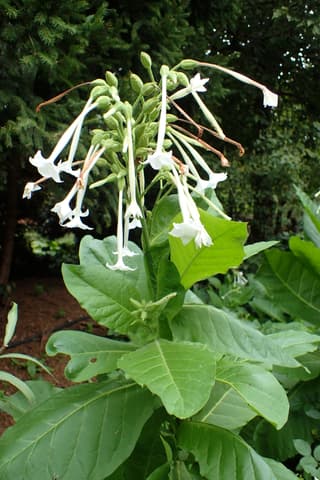
Woodland Tobacco
Nicotiana sylvestris
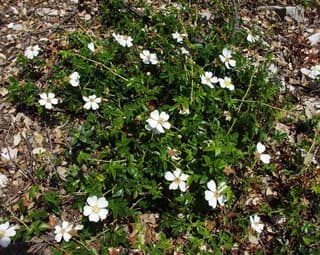
Evergreen Rose
Rosa sempervirens
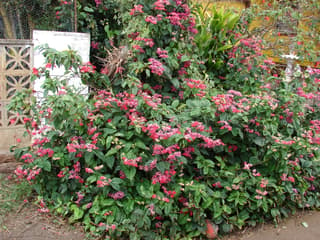
Red Bleeding Heart Vine
Clerodendrum × speciosum
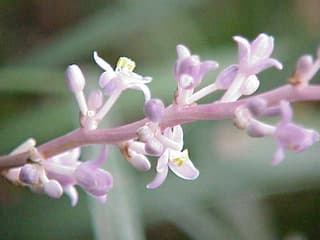
White Lilyturf
Ophiopogon jaburan
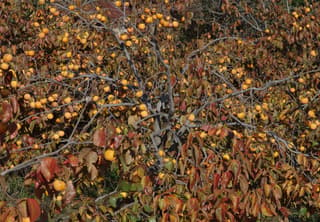
Japanese Persimmon
Diospyros kaki
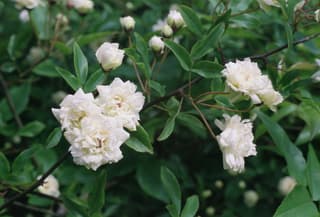
Lady Banks' Rose
Rosa banksiae
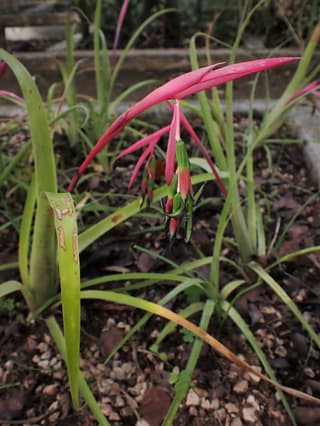
Queen's Tears
Billbergia nutans
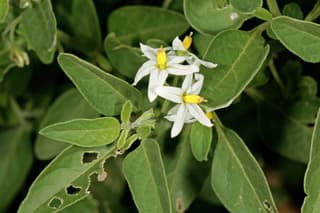
Tall nightshade
Solanum chenopodioides
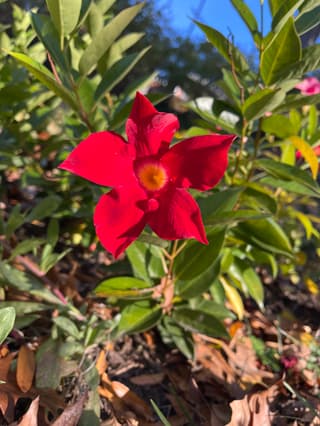
Mandevilla
Mandevilla
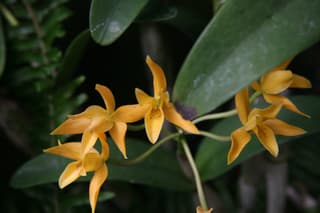
Orange Cattleya
Guarianthe aurantiaca
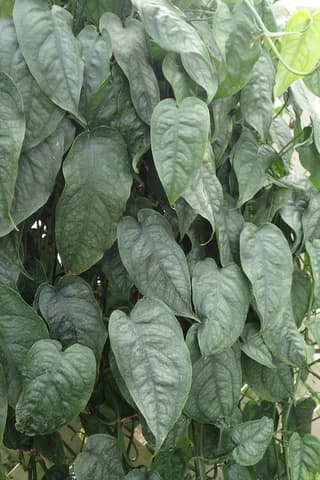
Silver Monstera
Monstera siltepecana
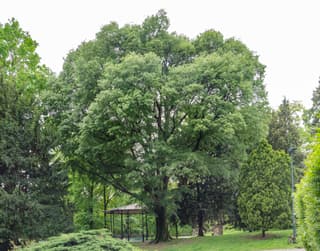
European Nettle Tree
Celtis australis
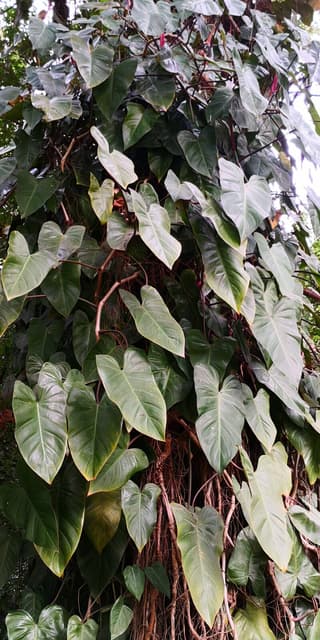
Imperial Green Philodendron
Philodendron 'Imperial Green'
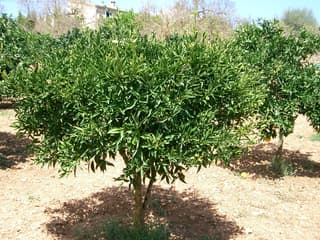
Willowleaf Mandarin
Citrus × aurantium f. deliciosa
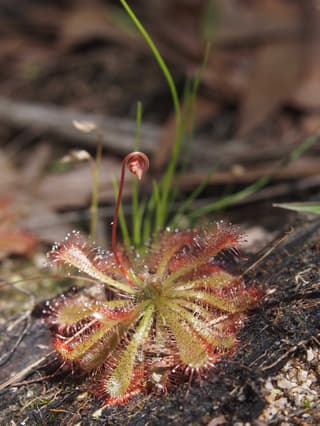
Spoon-leaved sundew
Drosera spatulata
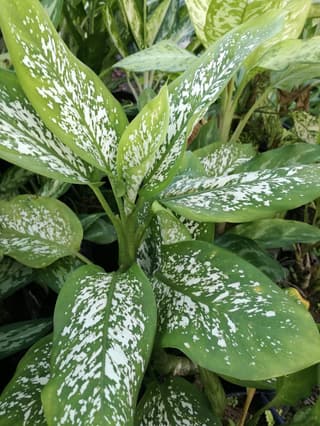
Spotted Dumb Cane
Dieffenbachia picta

Wild Lettuce
Lactuca virosa
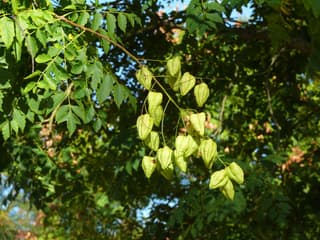
Golden Rain Tree
Koelreuteria paniculata
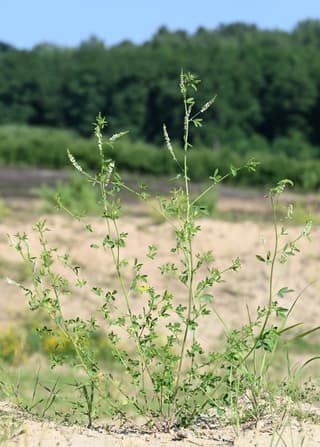
White sweet clover
Melilotus albus
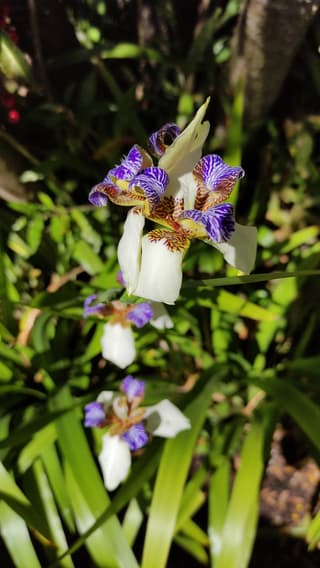
Yellow Walking Iris
Trimezia gracilis
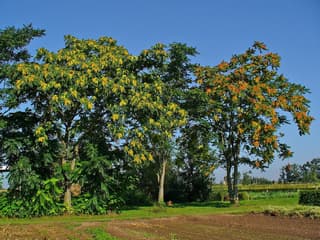
Tree of Heaven
Ailanthus
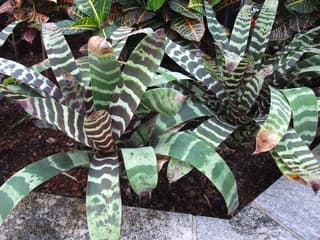
Flaming Sword
Lutheria splendens
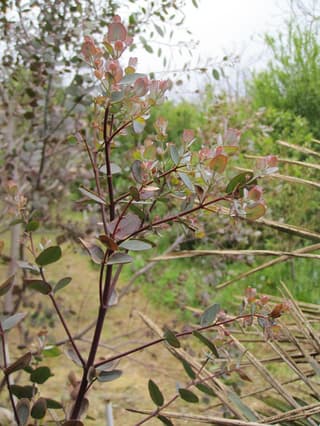
Cider Gum
Eucalyptus gunnii
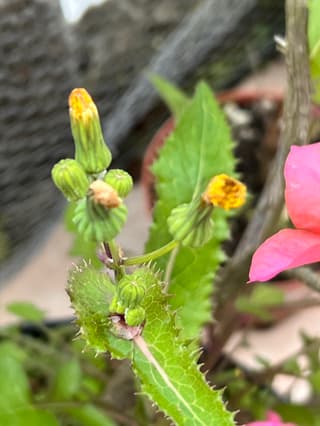
Sow Thistle
Sonchus
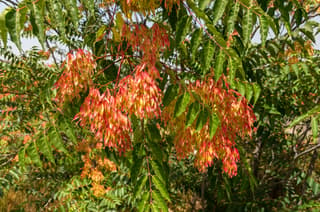
Tree of Heaven
Ailanthus altissima
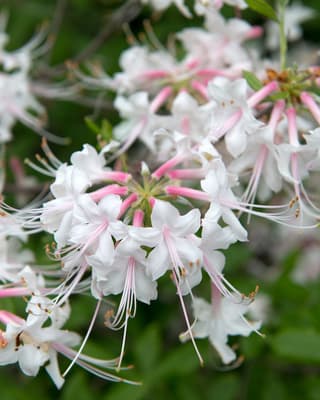
Alabama azalea
Rhododendron alabamense
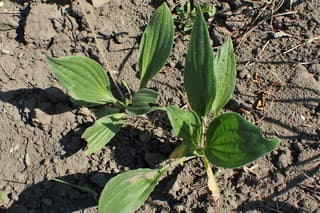
Asian Plantain
Plantago asiatica
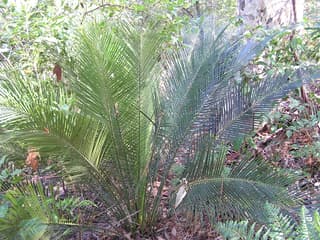
Burrawang
Macrozamia
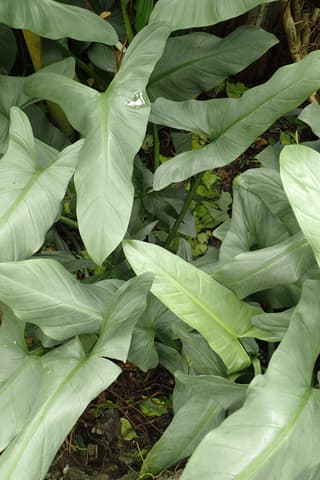
Spadeleaf Philodendron
Philodendron domesticum
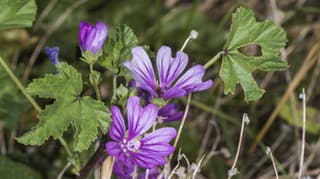
High mallow
Malva sylvestris
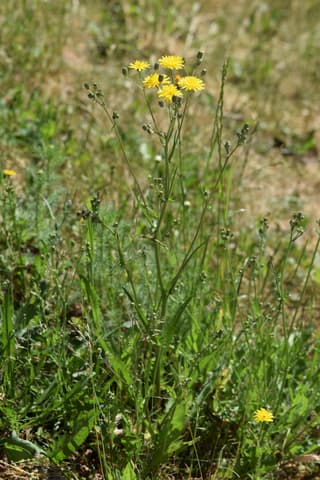
smooth hawksbeard
Crepis capillaris
Ivinhema Climate for Plant Growing
Ivinhema has a climate with an average annual temperature of 24°C and average relative humidity of 71.2%. These climate conditions are ideal for various species of ornamental and fruit plants.
Tips for Growing Plants in Ivinhema
To succeed in growing plants in Ivinhema, consider the average temperature of 24°C when choosing your species. The temperate climate allows you to grow a wide variety of species. High humidity favors tropical plants, but watch for fungal issues.
Why Choose Plants Adapted to the Local Climate?
Plants adapted to Ivinhema's climate require less care, consume less water, and are more likely to thrive. Our selection considers the compatibility between each species' needs and local climate conditions, including temperature (24°C) and humidity (71.2%).