500 Best Plants for Justiniano Posse | 2026 Guide - Page 3
Discover the 500 ideal plants for Justiniano Posse's climate. Average temp: 18.6°C, Humidity: 67.4%.
Top 500 Plants for Justiniano Posse
Showing 73-108 of 500
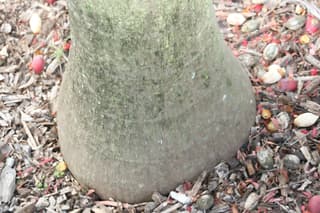
Montgomery Palm
Veitchia arecina
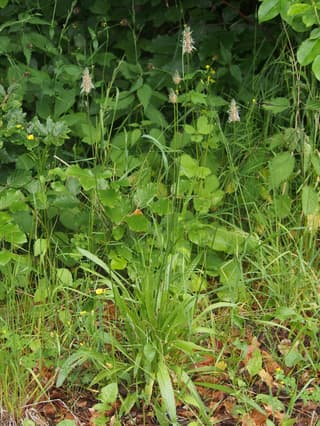
Ribwort Plantain
Plantago lanceolata
Brazilian Ironweed
Vernonanthura polyanthes
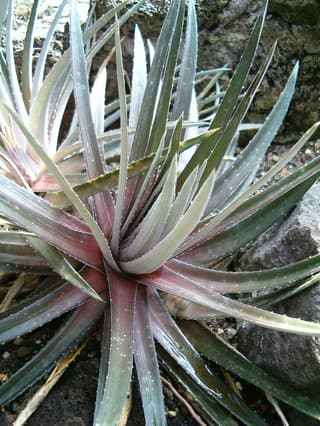
Dyckia
Dyckia

Cape Primrose
Streptocarpus
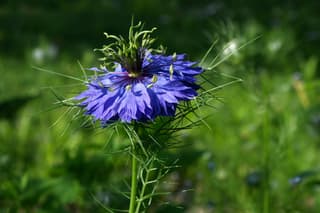
Love-in-a-mist
Nigella damascena
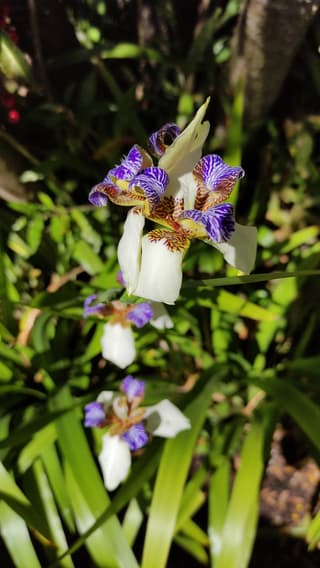
Yellow Walking Iris
Trimezia gracilis
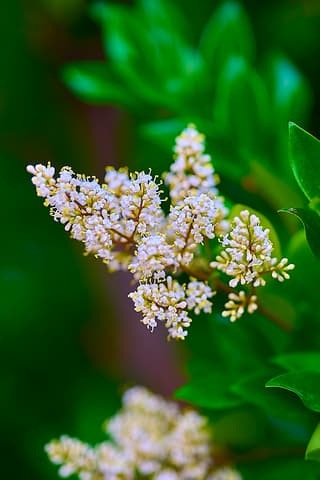
Privet
Ligustrum
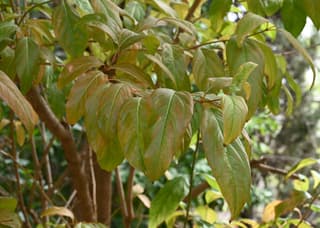
Fiddlewood
Citharexylum spinosum
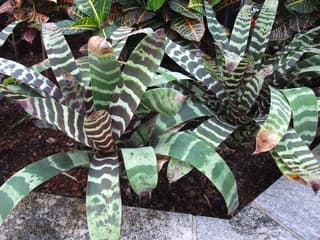
Flaming Sword
Lutheria splendens
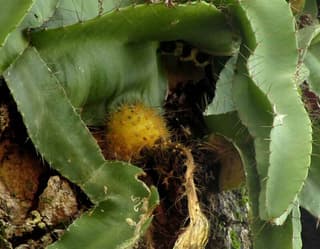
Dog-tail Cactus
Deamia testudo
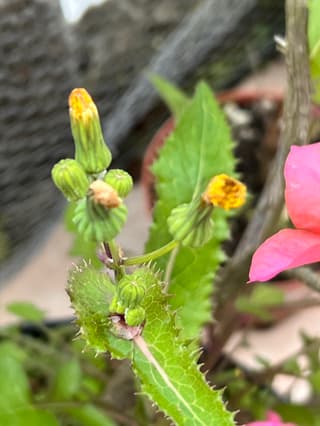
Sow Thistle
Sonchus
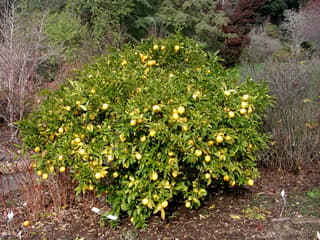
Lemon
Citrus limon
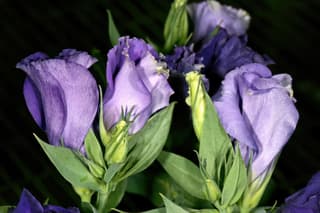
Lisianthus
Eustoma russellianum
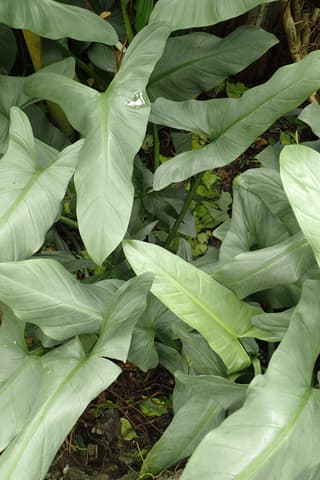
Spadeleaf Philodendron
Philodendron domesticum
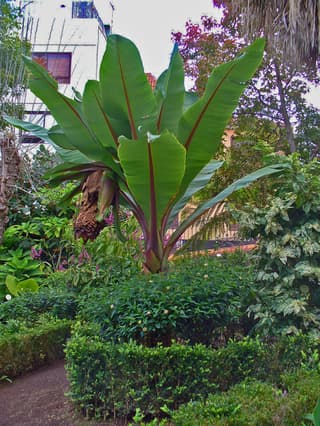
Abyssinian Banana
Ensete ventricosum
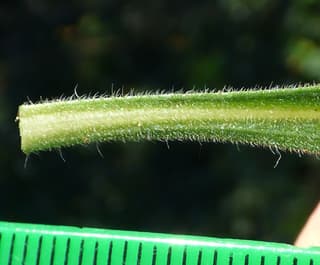
Guernsey Fleabane
Erigeron sumatrensis
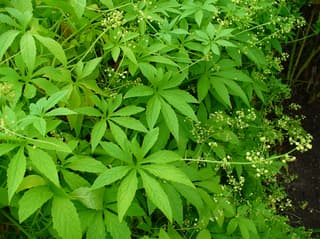
Caigua
Cyclanthera pedata
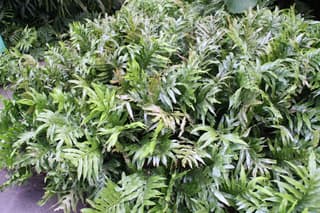
Wart Fern
Phymatosorus scolopendria
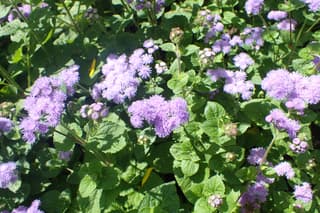
Floss Flower
Ageratum houstonianum
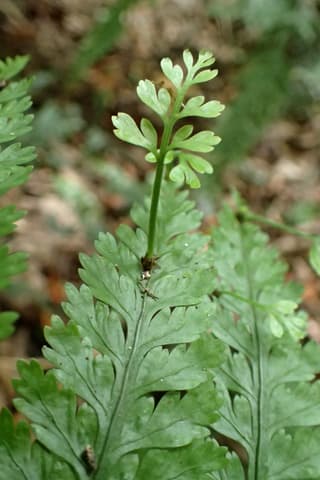
Hen and Chickens Fern
Asplenium bulbiferum
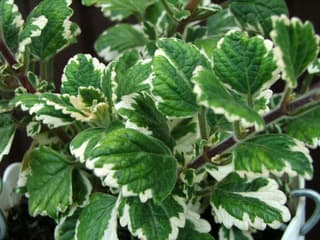
Candle Plant
Coleus paniculatus
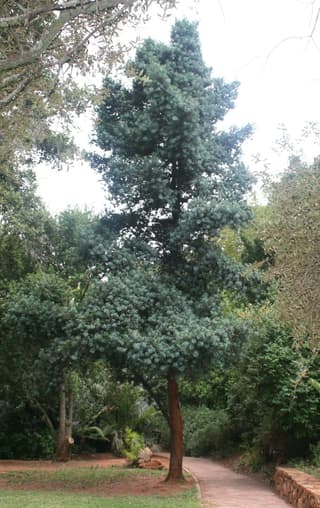
Breede River Yellowwood
Podocarpus elongatus
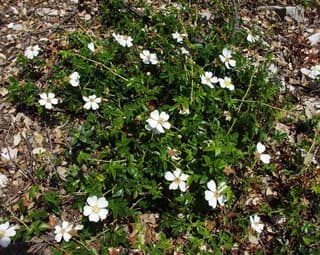
Evergreen Rose
Rosa sempervirens
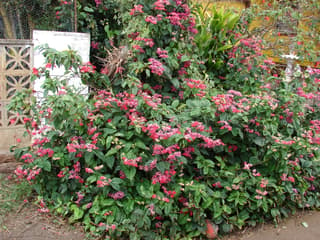
Red Bleeding Heart Vine
Clerodendrum × speciosum
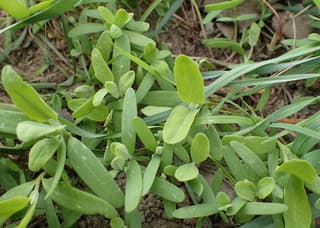
Common Orache
Atriplex patula
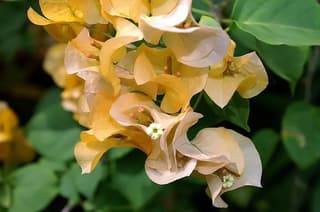
Bougainvillea
Bougainvillea x buttiana
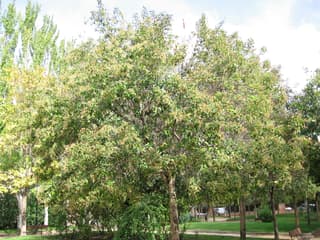
Japanese Privet
Ligustrum japonicum
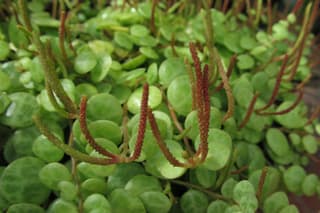
String of Turtles
Peperomia prostrata
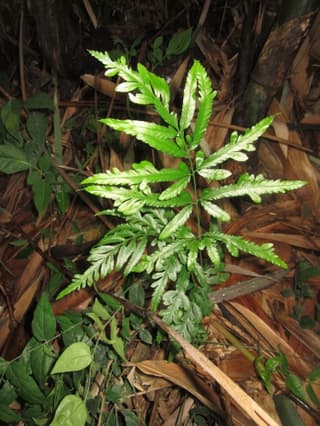
Silver Lace Fern
Pteris ensiformis
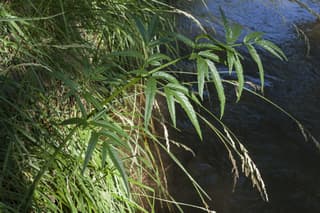
Water Hemlock
Cicuta
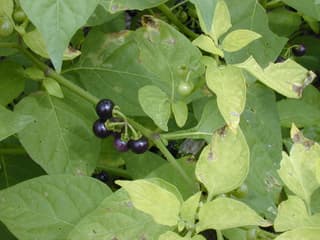
American Black Nightshade
Solanum americanum
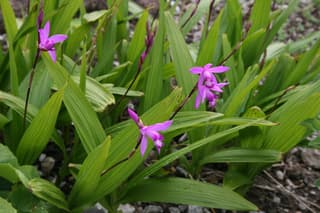
Chinese Ground Orchid
Bletilla striata
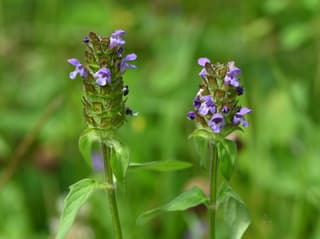
Self-Heal
Prunella vulgaris
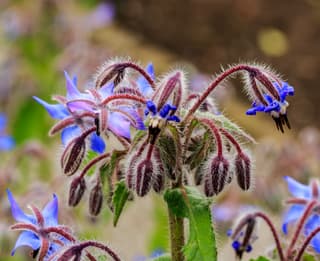
Borage
Borago officinalis
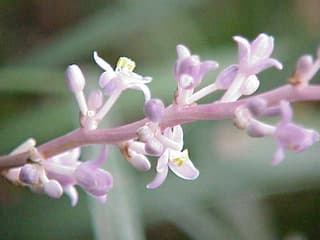
White Lilyturf
Ophiopogon jaburan
Justiniano Posse Climate for Plant Growing
Justiniano Posse has a climate with an average annual temperature of 18.6°C and average relative humidity of 67.4%. These climate conditions are ideal for various species of ornamental and fruit plants.
Tips for Growing Plants in Justiniano Posse
To succeed in growing plants in Justiniano Posse, consider the average temperature of 18.6°C when choosing your species. The temperate climate allows you to grow a wide variety of species. Moderate humidity is ideal for most plants.
Why Choose Plants Adapted to the Local Climate?
Plants adapted to Justiniano Posse's climate require less care, consume less water, and are more likely to thrive. Our selection considers the compatibility between each species' needs and local climate conditions, including temperature (18.6°C) and humidity (67.4%).