500 Best Pet Safe for Lancaster | 2026 Guide - Page 3
The 500 best pet safe to grow in Lancaster. Ideal climate: 16.3°C, 50.7% humidity.
500 Pet Safe for Lancaster
Showing 73-108 of 500
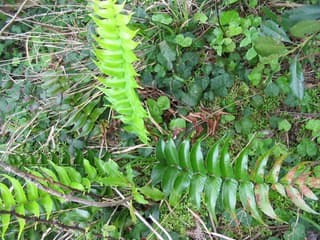
Japanese Holly Fern
Cyrtomium falcatum
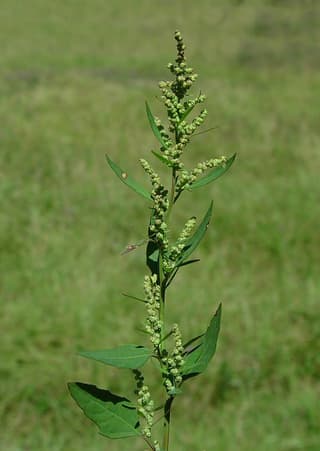
Goosefoot
Chenopodium
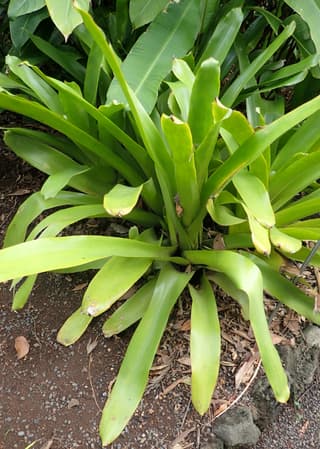
Orange Bromeliad
Aechmea blanchetiana
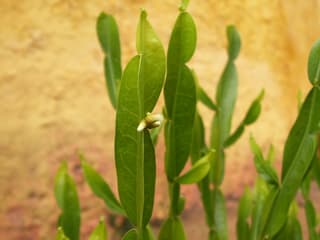
Carqueja
Baccharis trimera
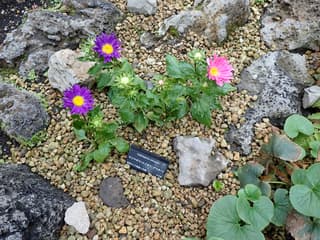
China Aster
Callistephus chinensis
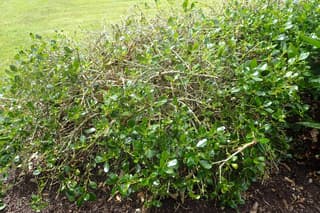
Mirror Plant
Coprosma repens
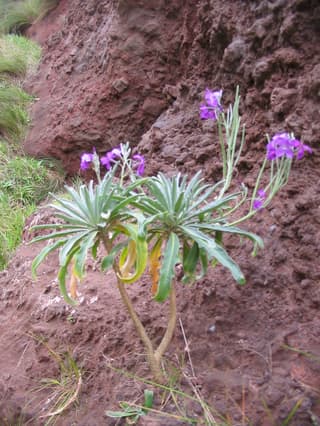
Stock Flower
Matthiola incana
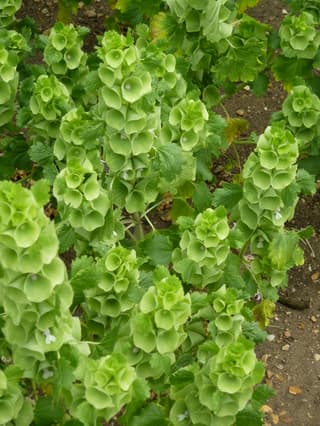
Bells of Ireland
Moluccella laevis
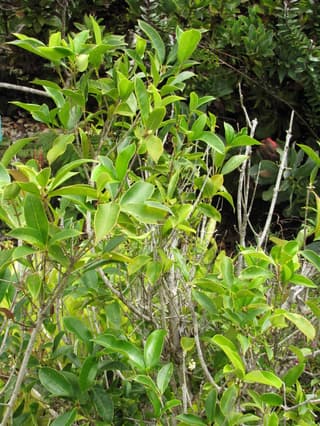
Sweet Olive
Osmanthus fragrans
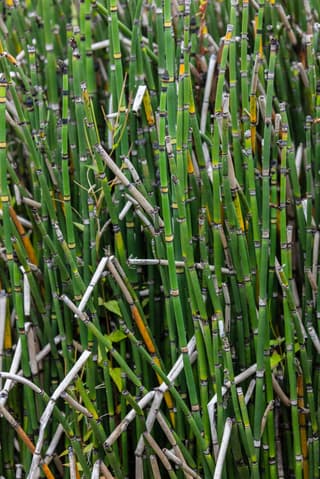
Rough Horsetail
Equisetum hyemale
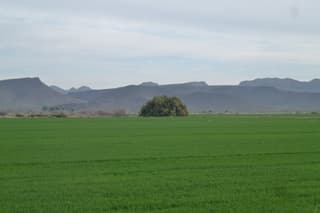
Athel tamarisk
Tamarix aphylla
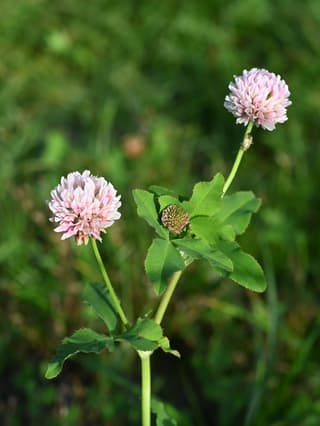
Alsike Clover
Trifolium hybridum
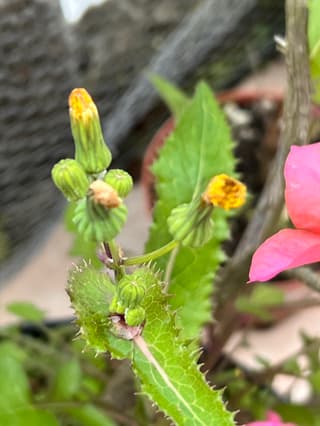
Sow Thistle
Sonchus
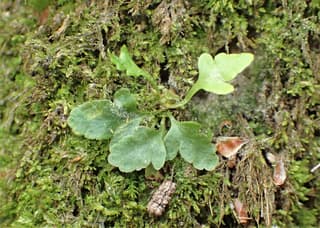
Common Polypody
Polypodium vulgare
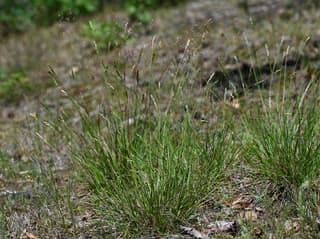
Heath-grass
Danthonia decumbens
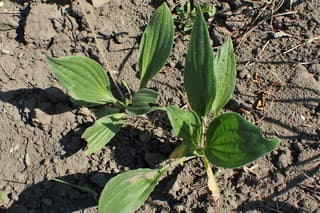
Asian Plantain
Plantago asiatica
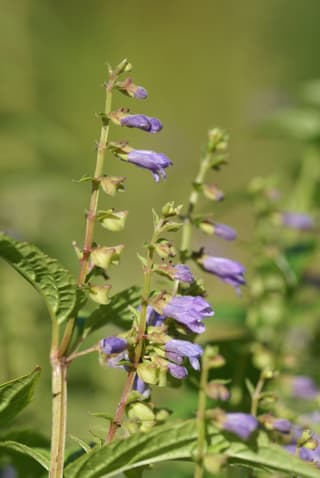
Skullcap
Scutellaria
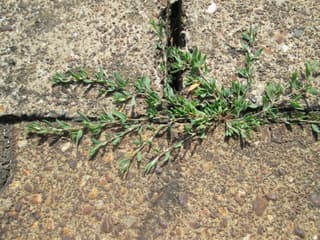
Oval-leaf Knotweed
Polygonum arenastrum
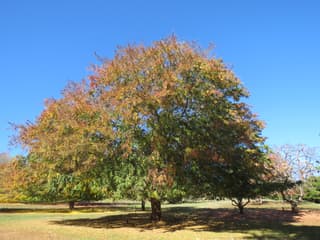
Chinese Elm
Ulmus parvifolia
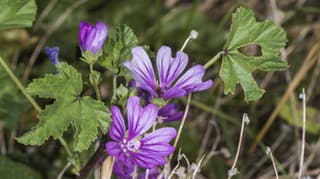
High mallow
Malva sylvestris
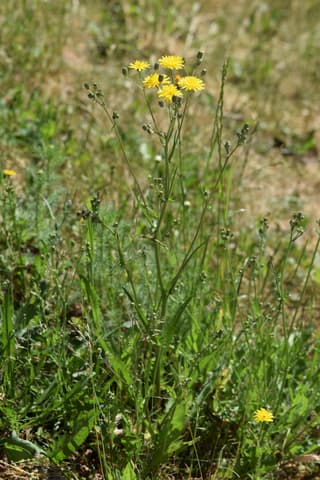
smooth hawksbeard
Crepis capillaris
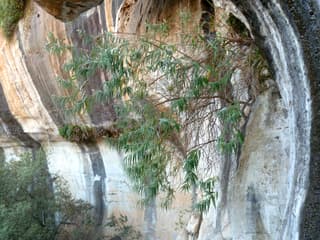
Sagewood
Buddleja salviifolia

Longan
Dimocarpus longan
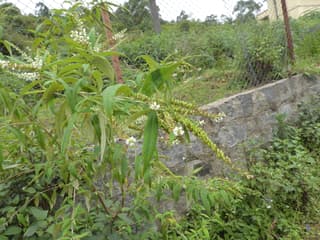
Chaste tree
Vitex
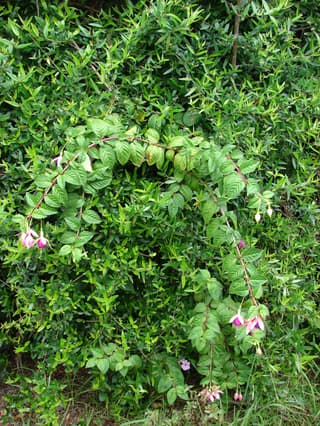
Garden Fuchsia
Fuchsia hybrida
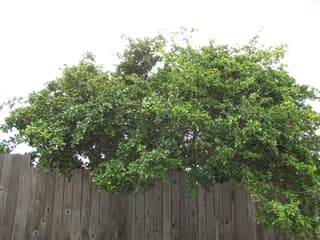
Barbados cherry
Malpighia emarginata

Oak-Nymph-Leaved Primulina
Primulina dryas
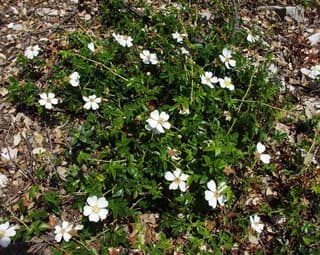
Evergreen Rose
Rosa sempervirens
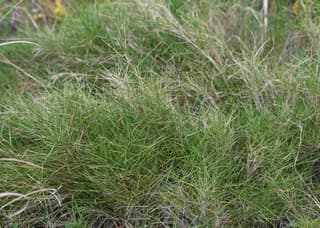
Mediterranean False Brome
Brachypodium retusum
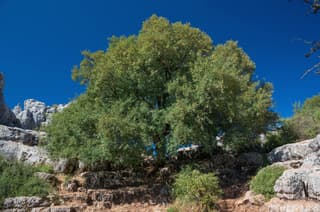
Montpellier maple
Acer monspessulanum
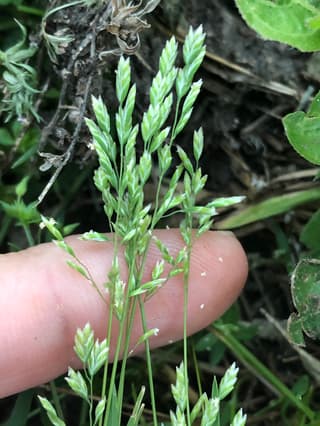
Annual Meadow Grass
Poa annua
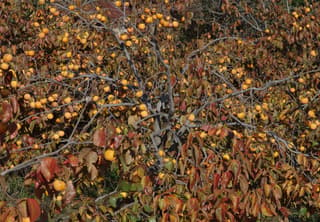
Japanese Persimmon
Diospyros kaki
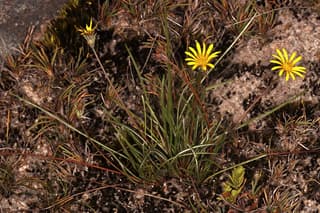
Treasure Flower
Gazania linearis
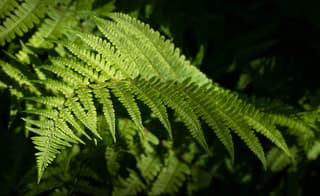
Lady Fern
Athyrium filix-femina
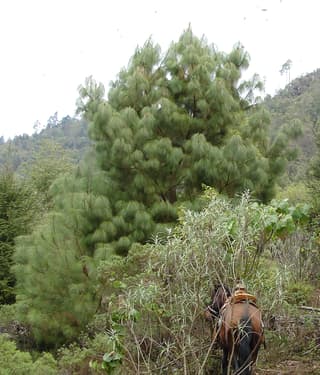
Smooth-bark Mexican Pine
Pinus pseudostrobus
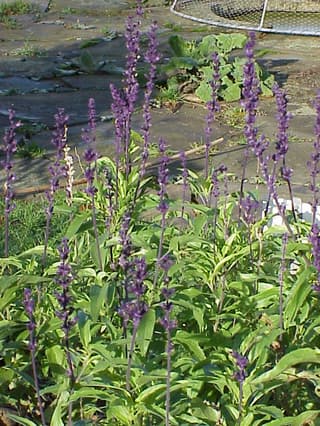
Mealycup Sage
Salvia farinacea
Ideal Pet Safe for Lancaster's Climate
Lancaster has an average temperature of 16.3°C and humidity of 50.7%, conditions that directly influence which pet safe best adapt to the local environment.
How to Grow Pet Safe in Lancaster
To successfully grow pet safe in Lancaster, consider that the average temperature of 16.3°C and humidity of 50.7% create a specific microclimate. Moderate humidity is favorable for most species in this category.
Advantages of Choosing Adapted Pet Safe
Pet Safe adapted to Lancaster's climate show greater resistance, healthy growth, and less need for interventions.