500 Best Pet Safe for Marquetalia | 2026 Guide - Page 4
The 500 best pet safe to grow in Marquetalia. Ideal climate: 18.7°C, 84.5% humidity.
500 Pet Safe for Marquetalia
Showing 109-144 of 500
Pyronema omphalodes
Pyronema omphalodes
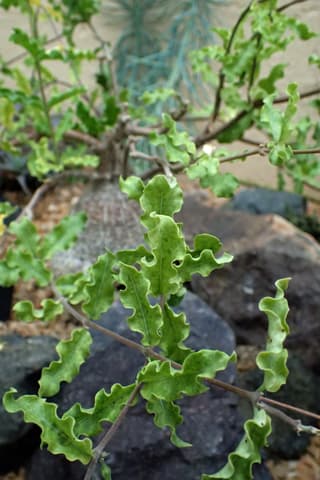
Hottentot Bread
Fockea edulis
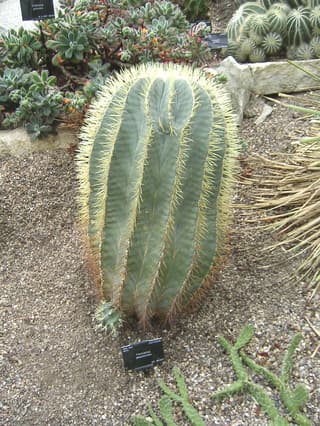
Blue Barrel Cactus
Ferocactus glaucescens
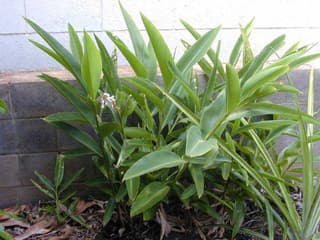
Shell Ginger
Alpinia zerumbet
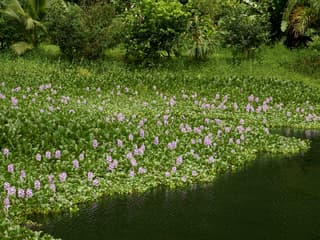
Water Hyacinth
Eichhornia crassipes
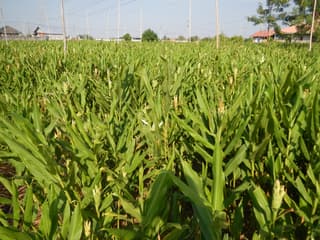
White Ginger Lily
Hedychium coronarium
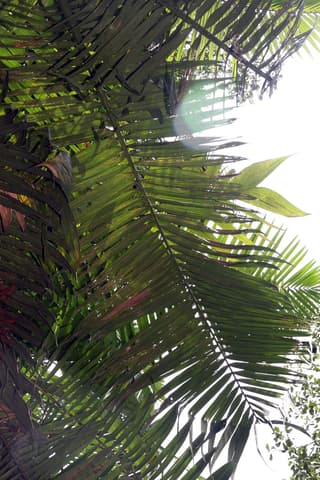
Breadnut
Brosimum alicastrum
Larch bolete
Suillus grevillei
Warty Knight
Melanoleuca verrucipes
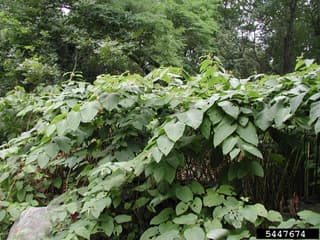
Giant Knotweed
Reynoutria sachalinensis
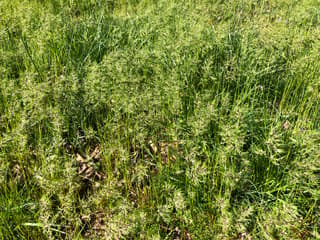
Lawn grass
Poaceae
Stinking Squid
Pseudocolus fusiformis
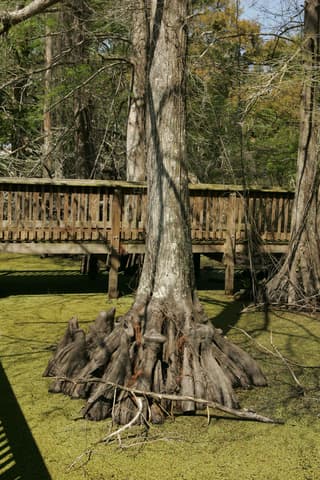
Bald Cypress
Taxodium distichum
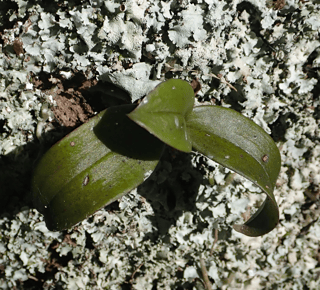
Green Fleshy Tree Orchid
Drymoanthus adversus
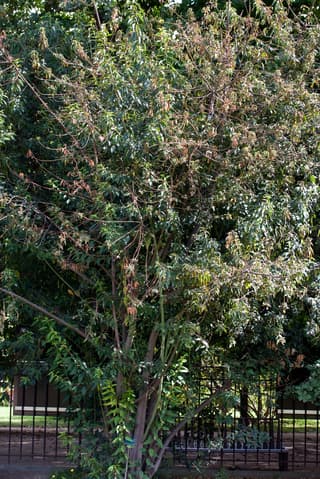
Maqui berry
Aristotelia chilensis
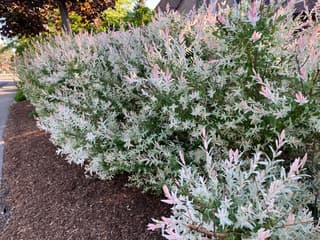
Dappled Willow 'Hakuro Nishiki'
Salix integra 'Hakuro Nishiki'
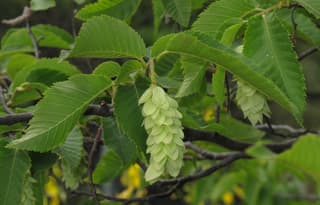
European hop-hornbeam
Ostrya carpinifolia
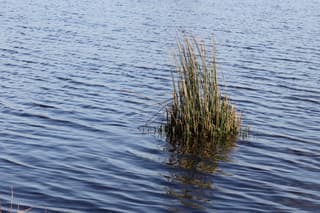
Soft Rush
Juncus effusus
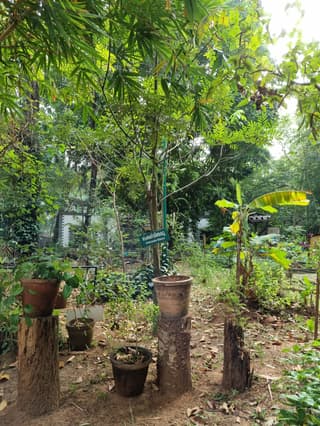
Bitterwood
Simarouba glauca
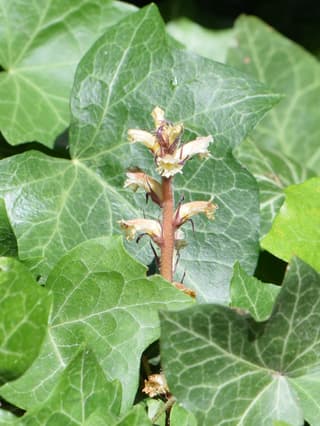
Ivy Broomrape
Orobanche hederae
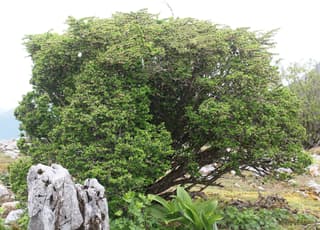
Japanese Barberry
Berberis thunbergii
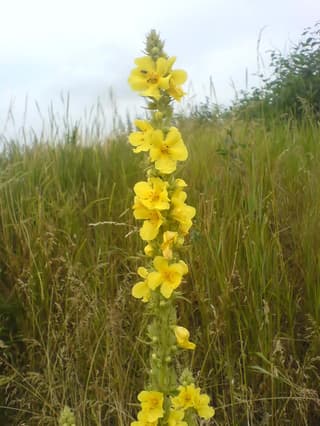
Denseflower Mullein
Verbascum densiflorum
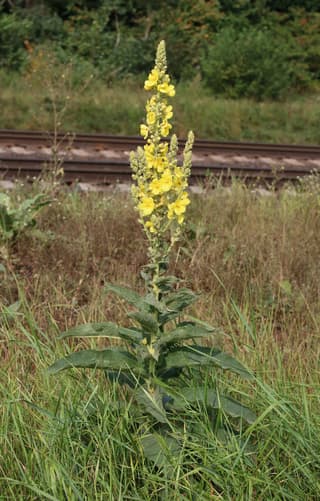
Orange Mullein
Verbascum phlomoides

Dove's-foot Crane's-bill
Geranium molle
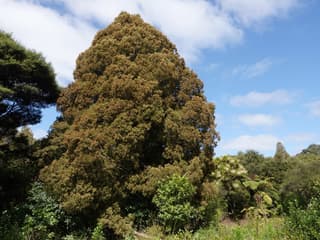
Kahikatea
Dacrycarpus dacrydioides
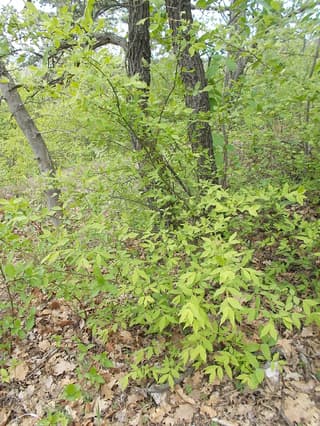
Common Dogwood
Cornus sanguinea
Maritime sunburst lichen
Xanthoria parietina
Pleated Inkcap
Parasola
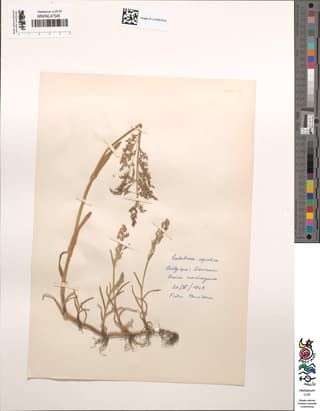
Water Whorlgrass
Catabrosa aquatica
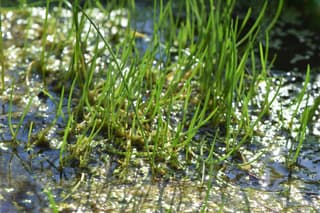
Shoreweed
Littorella uniflora
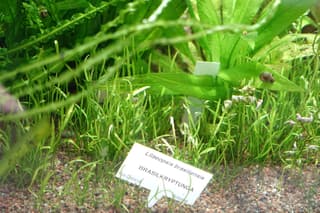
Micro Sword
Lilaeopsis brasiliensis
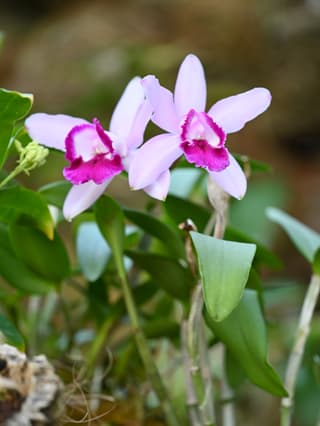
Easter Cattleya
Cattleya intermedia
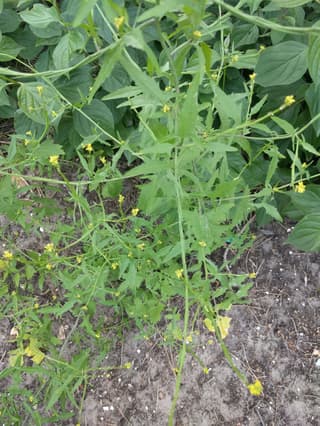
Hedge mustard
Sisymbrium
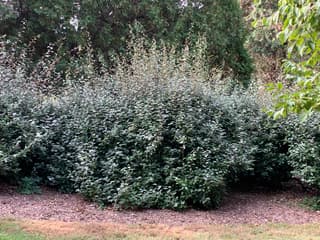
Ebbinge's Silverberry
Elaeagnus × submacrophylla
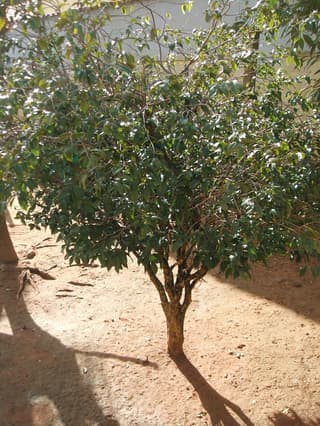
Jaboticaba
Plinia jaboticaba
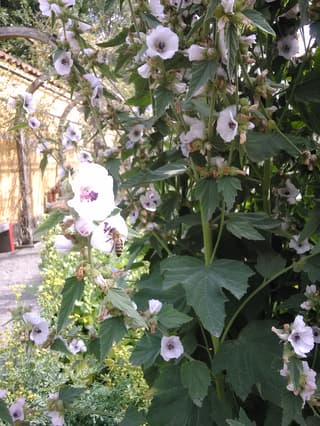
Marshmallow
Althaea officinalis
Ideal Pet Safe for Marquetalia's Climate
Marquetalia has an average temperature of 18.7°C and humidity of 84.5%, conditions that directly influence which pet safe best adapt to the local environment.
How to Grow Pet Safe in Marquetalia
To successfully grow pet safe in Marquetalia, consider that the average temperature of 18.7°C and humidity of 84.5% create a specific microclimate. High humidity favors tropical species, but requires attention to ventilation to prevent fungal issues.
Advantages of Choosing Adapted Pet Safe
Pet Safe adapted to Marquetalia's climate show greater resistance, healthy growth, and less need for interventions.