500 Best Plants for Milton Keynes | 2026 Guide - Page 9
Discover the 500 ideal plants for Milton Keynes's climate. Average temp: 11°C, Humidity: 80.9%.
Top 500 Plants for Milton Keynes
Showing 289-324 of 500
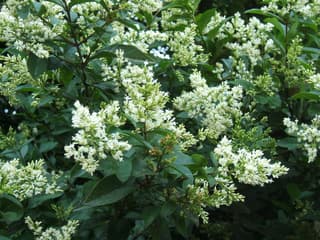
California Privet
Ligustrum ovalifolium
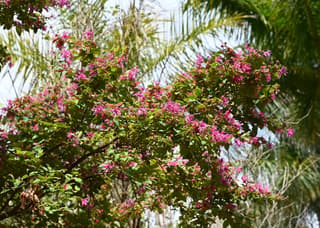
Chinese Fringe Flower
Loropetalum chinense
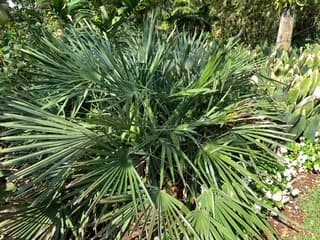
Needle Palm
Rhapidophyllum hystrix
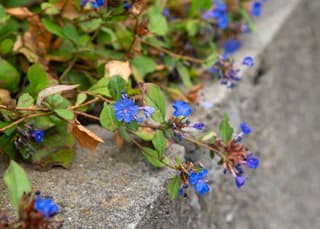
Hardy Plumbago
Ceratostigma plumbaginoides
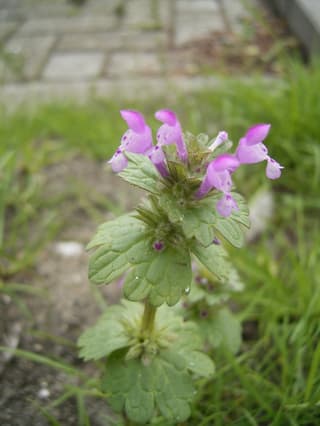
Henbit Dead-nettle
Lamium amplexicaule
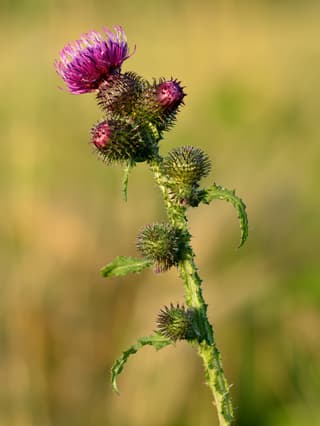
Thistle
Carduus
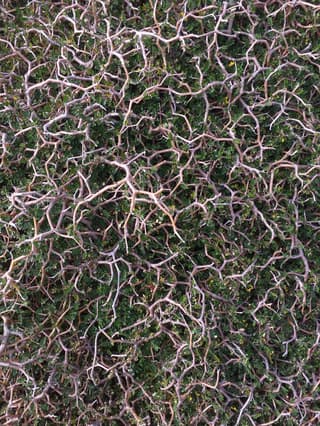
Dwarf Kowhai
Sophora prostrata
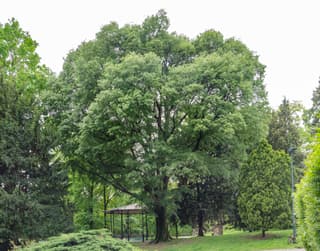
European Nettle Tree
Celtis australis
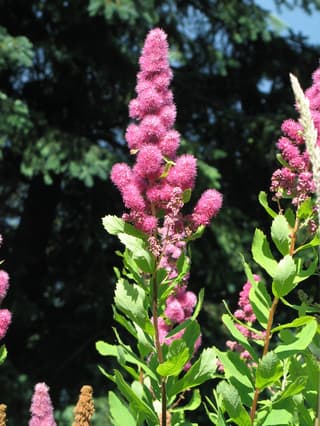
Douglas Spirea
Spiraea douglasii
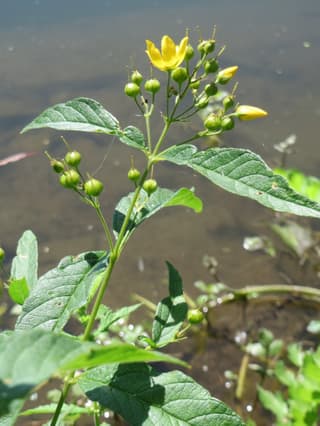
Loosestrife
Lysimachia
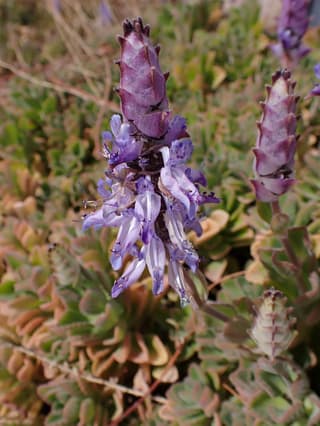
Scaredy Cat Plant
Coleus caninus
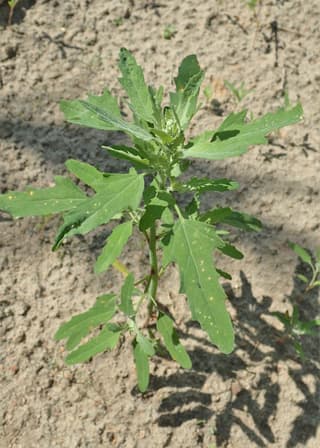
Fig-leaved Goosefoot
Chenopodium ficifolium
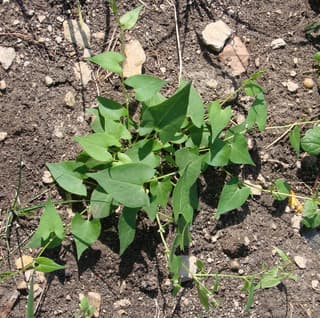
Black bindweed
Fallopia convolvulus
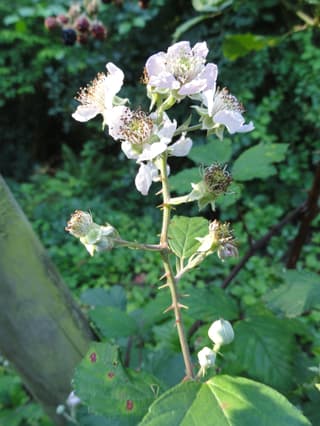
Himalayan Blackberry
Rubus bifrons
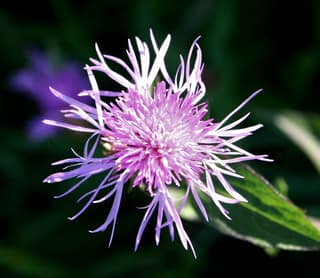
Tyrol Knapweed
Centaurea nigrescens
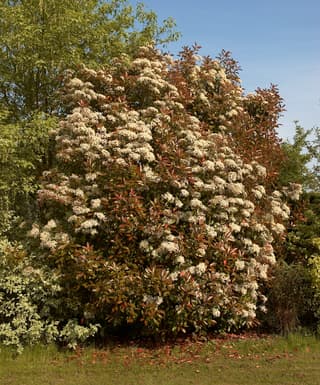
Red Tip Photinia
Photinia × fraseri
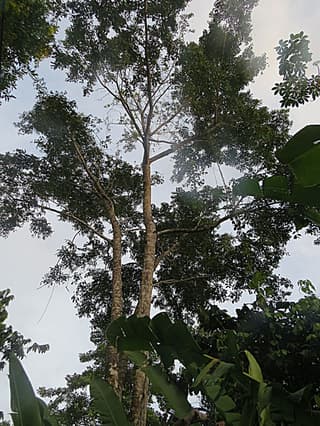
Yellow Mombin
Spondias mombin
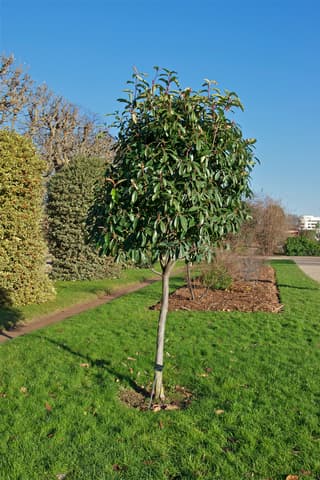
Chinese Photinia
Photinia serratifolia
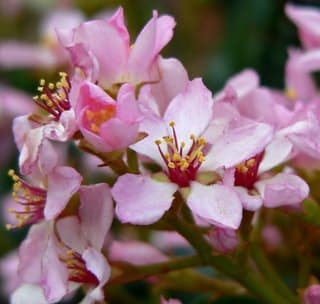
Indian Hawthorn
Rhaphiolepis

Field Maple
Acer campestre
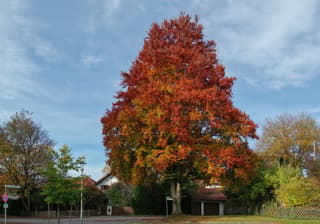
European Beech
Fagus sylvatica
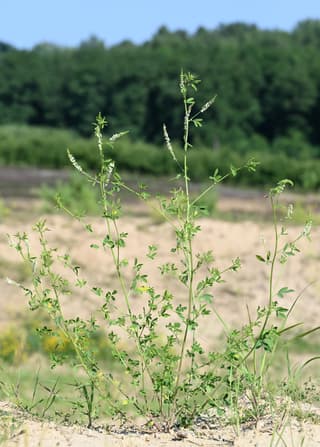
White sweet clover
Melilotus albus
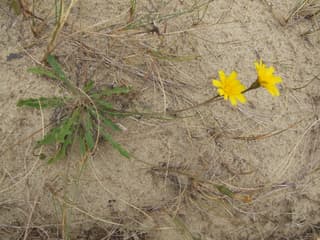
Lesser Hawkbit
Leontodon saxatilis
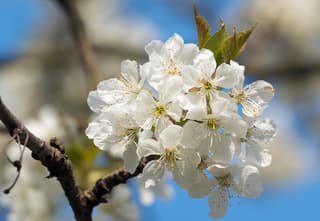
Sour Cherry
Prunus cerasus
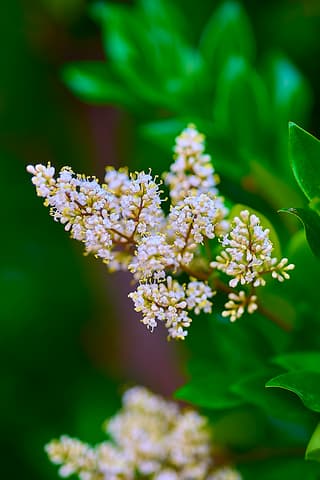
Privet
Ligustrum
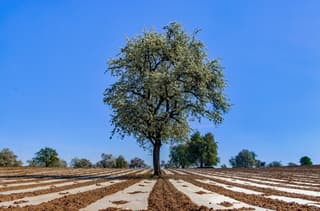
Pear
Pyrus
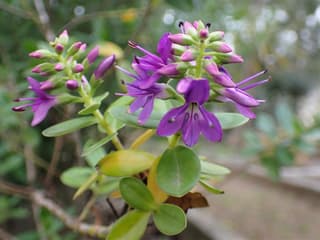
Franciscan Hebe
Veronica × franciscana
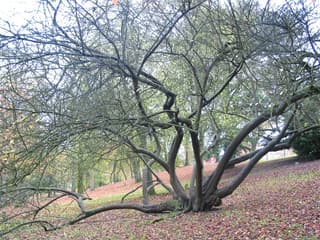
Cherry Plum
Prunus cerasifera
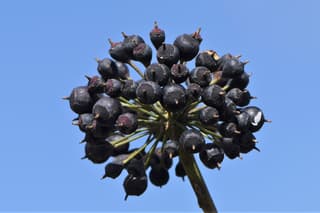
Atlantic Ivy
Hedera hibernica
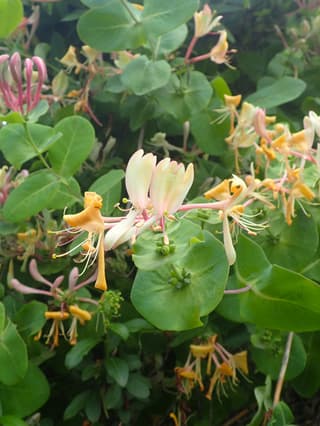
Italian Honeysuckle
Lonicera caprifolium
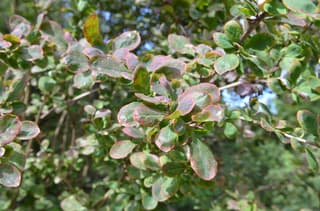
Ottawa Barberry
Berberis × ottawensis
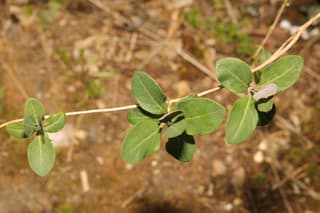
Honeysuckle
Lonicera
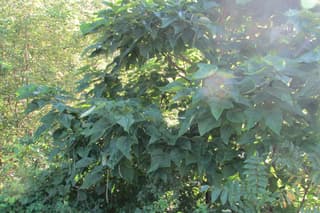
Northern Catalpa
Catalpa speciosa
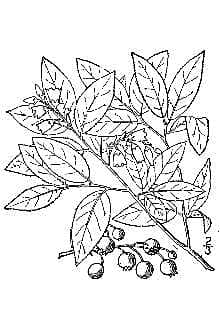
Hillside Blueberry
Vaccinium pallidum
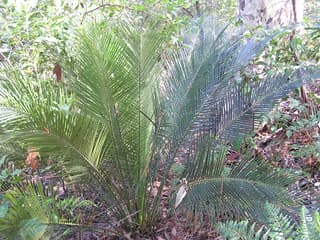
Burrawang
Macrozamia
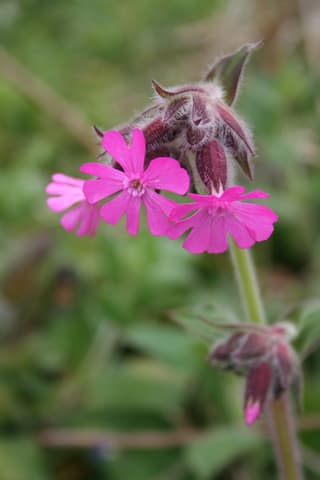
Campion
Silene
Milton Keynes Climate for Plant Growing
Milton Keynes has a climate with an average annual temperature of 11°C and average relative humidity of 80.9%. These climate conditions are ideal for various species of ornamental and fruit plants.
Tips for Growing Plants in Milton Keynes
To succeed in growing plants in Milton Keynes, consider the average temperature of 11°C when choosing your species. Protect cold-sensitive plants during winter. High humidity favors tropical plants, but watch for fungal issues.
Why Choose Plants Adapted to the Local Climate?
Plants adapted to Milton Keynes's climate require less care, consume less water, and are more likely to thrive. Our selection considers the compatibility between each species' needs and local climate conditions, including temperature (11°C) and humidity (80.9%).