500 Best Pet Safe for Municipio de Durango | 2026 Guide - Page 9
The 500 best pet safe to grow in Municipio de Durango. Ideal climate: 18.8°C, 44.5% humidity.
500 Pet Safe for Municipio de Durango
Showing 289-324 of 500
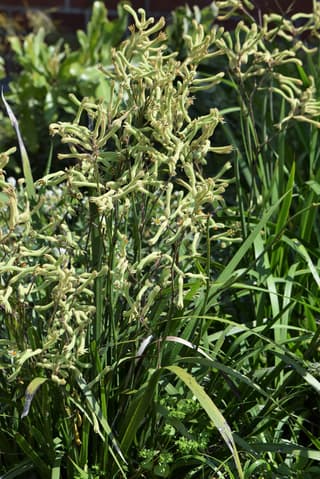
Tall Kangaroo Paw
Anigozanthos flavidus
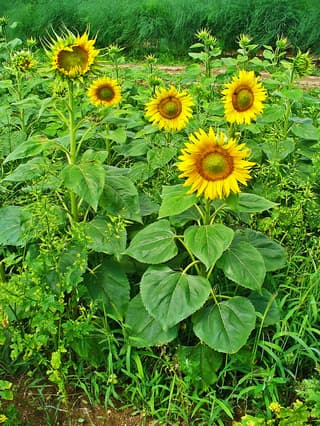
Sunflower
Helianthus
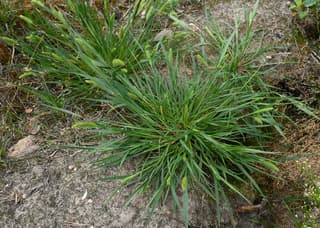
Green Foxtail
Setaria viridis
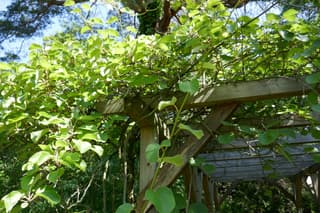
Golden Kiwifruit
Actinidia chinensis
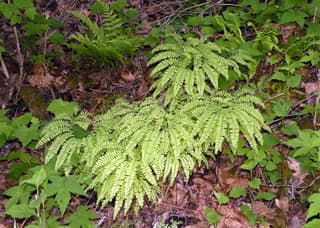
Northern Maidenhair Fern
Adiantum pedatum
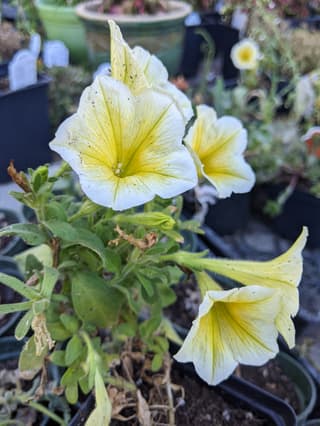
Garden Petunia
Petunia x hybrida
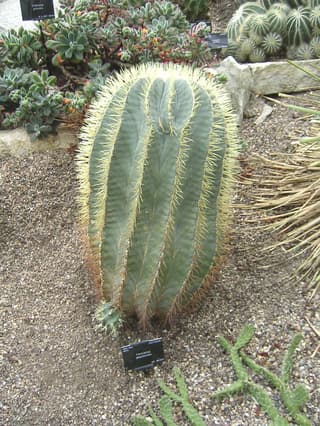
Blue Barrel Cactus
Ferocactus glaucescens
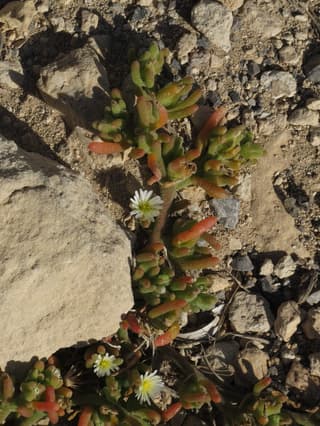
Slender Iceplant
Mesembryanthemum nodiflorum
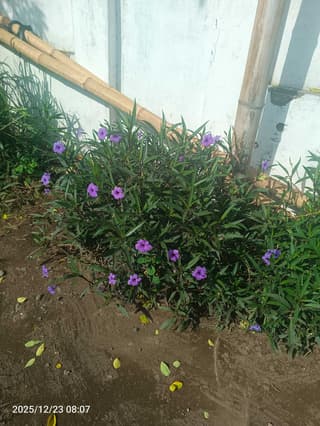
Wild Petunia
Ruellia
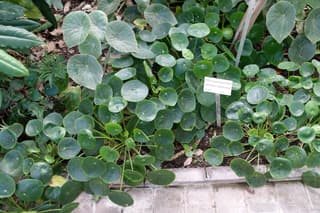
Chinese Money Plant
Pilea peperomioides
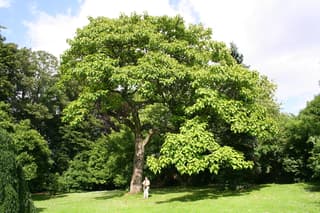
Empress Tree / Princess Tree (genus)
Paulownia
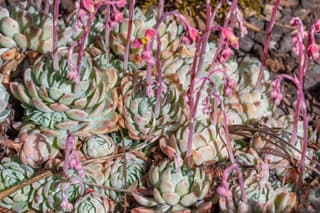
Mexican Gem
Echeveria elegans
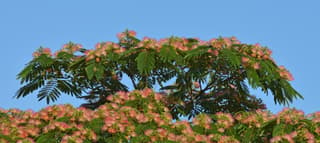
Silk Tree / Mimosa (genus)
Albizia
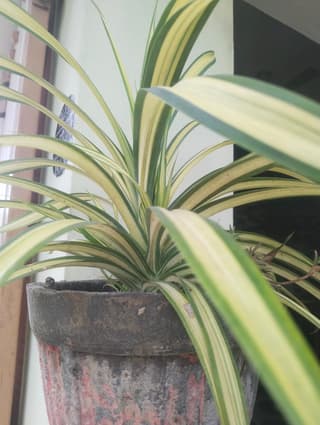
Spider Plant (genus)
Chlorophytum
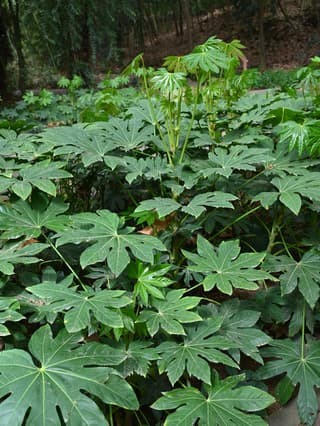
Japanese Aralia
Fatsia japonica
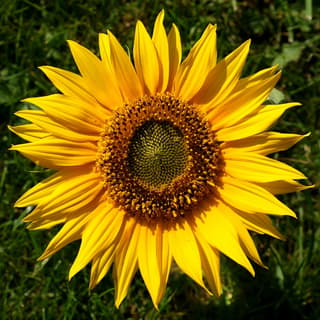
Sunflower
Helianthus annuus
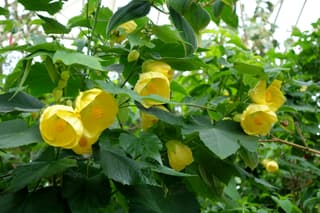
Flowering Maple
Abutilon hybridum
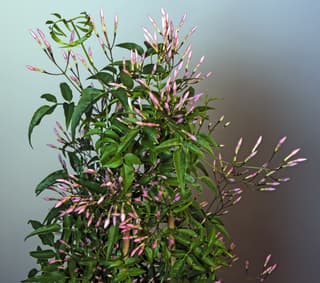
Pink Jasmine
Jasminum polyanthum
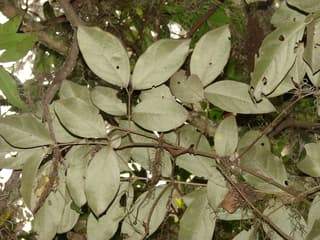
Peanut Butter Fruit Tree
Bunchosia argentea
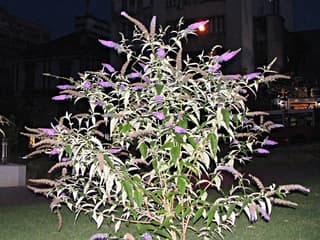
Butterfly Bush
Buddleja davidii
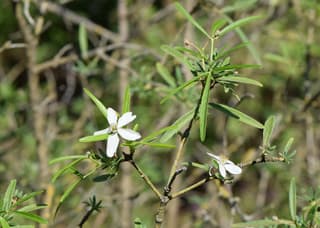
Mexican Orange Blossom (genus)
Choisya
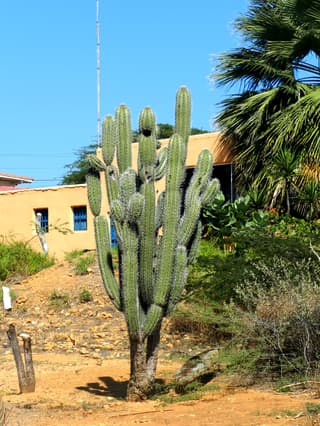
Peruvian Apple Cactus
Cereus repandus
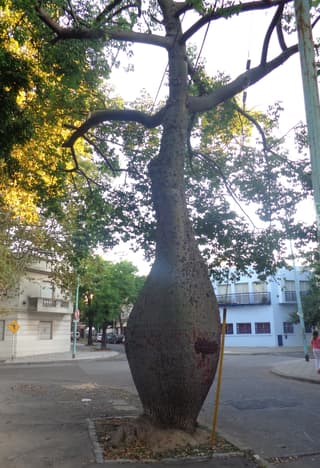
Silk Floss Tree
Ceiba speciosa
Whitemouth Dayflower
Commelina erecta
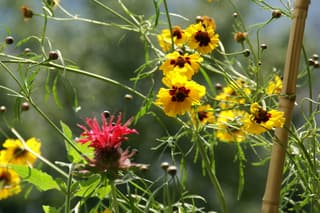
Plains Coreopsis
Coreopsis tinctoria
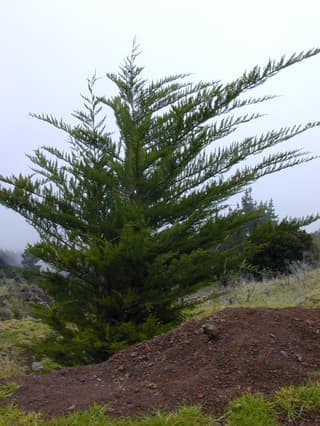
Monterey Cypress
Cupressus macrocarpa
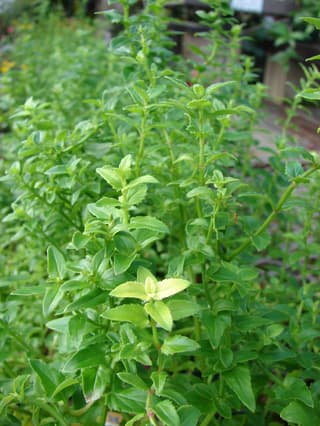
Twinspur
Diascia spp
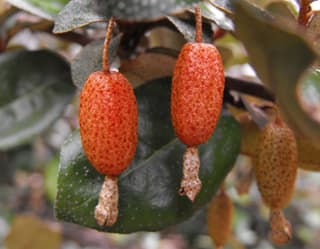
Thorny Olive
Elaeagnus pungens
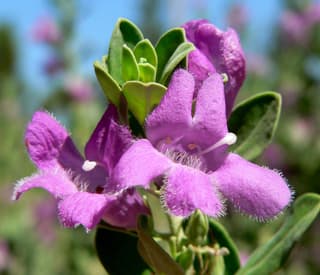
Texas Sage
Leucophyllum frutescens
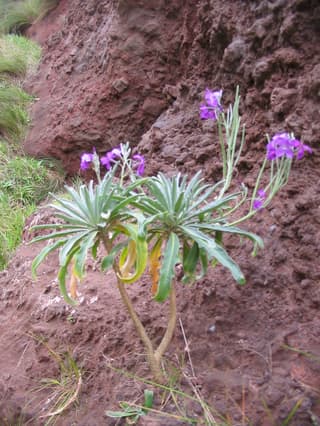
Stock Flower
Matthiola incana
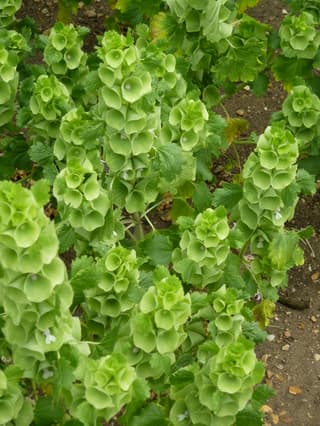
Bells of Ireland
Moluccella laevis
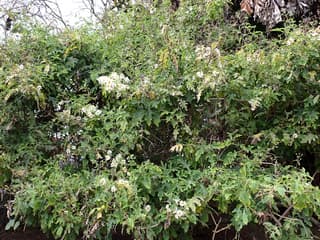
Mexican Daisy Bush
Montanoa bipinnatifida
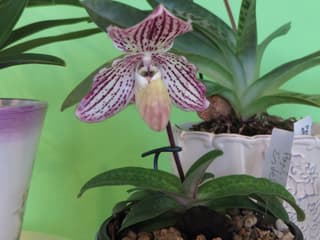
Lady Slipper Orchid
Paphiopedilum sp
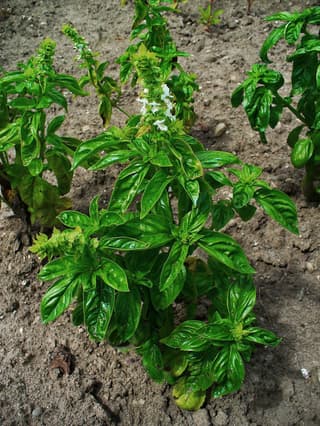
Sweet Basil
Ocimum basilicum

Field Maple
Acer campestre
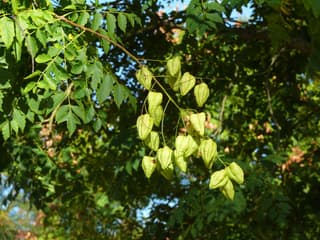
Golden Rain Tree
Koelreuteria paniculata
Ideal Pet Safe for Municipio de Durango's Climate
Municipio de Durango has an average temperature of 18.8°C and humidity of 44.5%, conditions that directly influence which pet safe best adapt to the local environment.
How to Grow Pet Safe in Municipio de Durango
To successfully grow pet safe in Municipio de Durango, consider that the average temperature of 18.8°C and humidity of 44.5% create a specific microclimate. Lower humidity requires more frequent watering and use of drip trays.
Advantages of Choosing Adapted Pet Safe
Pet Safe adapted to Municipio de Durango's climate show greater resistance, healthy growth, and less need for interventions.