500 Best Easy Care for New Hanover County | 2026 Guide - Page 10
The 500 best easy care to grow in New Hanover County. Ideal climate: 18.3°C, 76.4% humidity.
500 Easy Care for New Hanover County
Showing 325-360 of 500
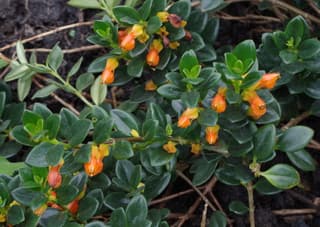
Goldfish Plant
Nematanthus gregarius
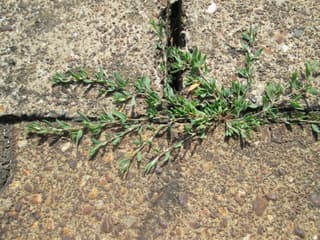
Oval-leaf Knotweed
Polygonum arenastrum
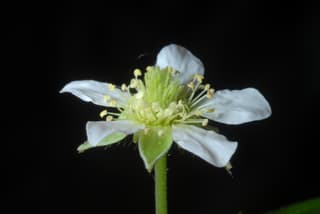
White Avens
Geum canadense
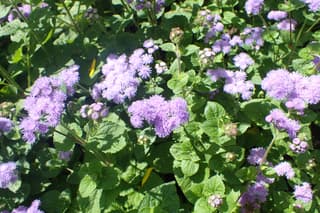
Floss Flower
Ageratum houstonianum
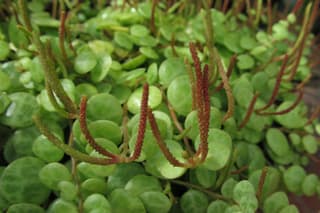
String of Turtles
Peperomia prostrata
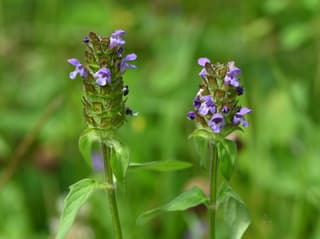
Self-Heal
Prunella vulgaris
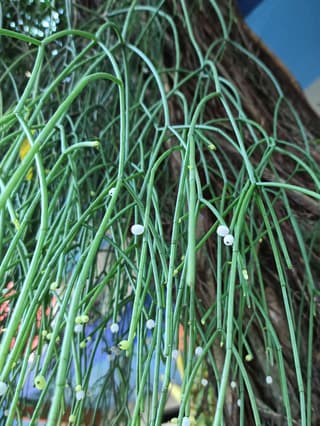
Mistletoe Cactus
Rhipsalis
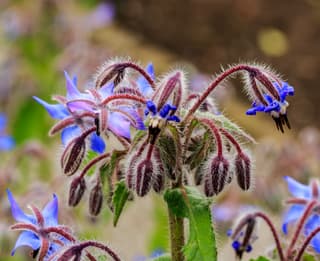
Borage
Borago officinalis
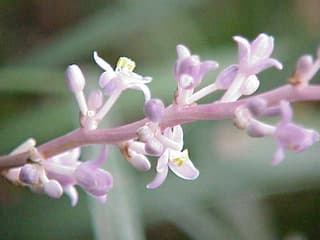
White Lilyturf
Ophiopogon jaburan
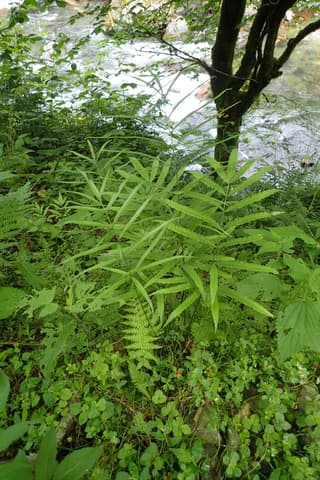
Brake Fern
Pteris
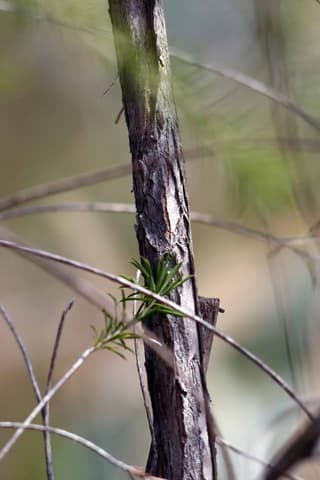
Bracelet Honey Myrtle
Melaleuca armillaris
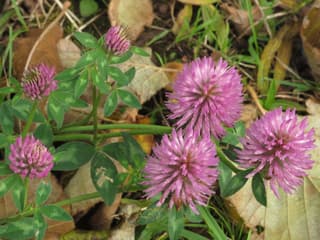
Red Clover
Trifolium pratense
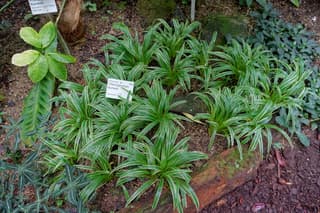
Zebra Grass Spider Plant
Chlorophytum laxum
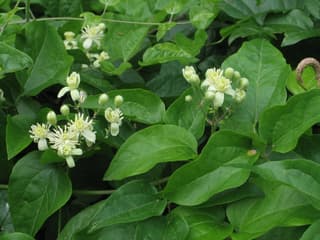
Traveller's Joy
Clematis vitalba
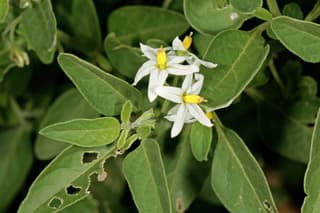
Tall nightshade
Solanum chenopodioides
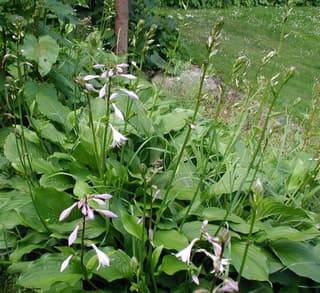
Fortune's Hosta
Hosta fortunei
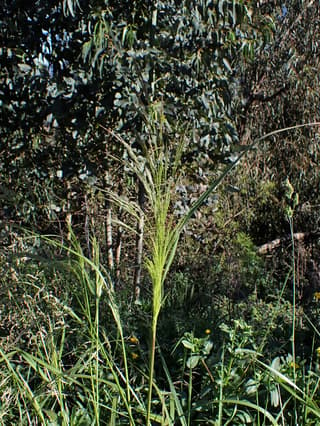
Johnson grass
Sorghum halepense
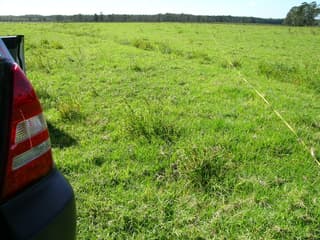
Kikuyu Grass
Cenchrus clandestinus
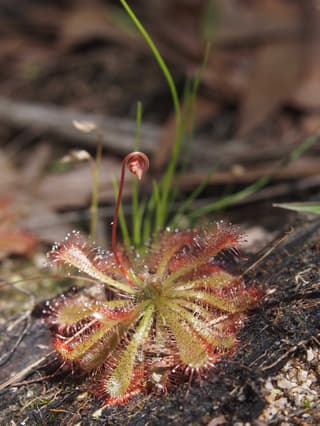
Spoon-leaved sundew
Drosera spatulata
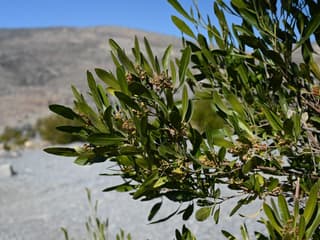
Hop bush
Dodonaea viscosa

Cape Leadwort
Plumbago auriculata
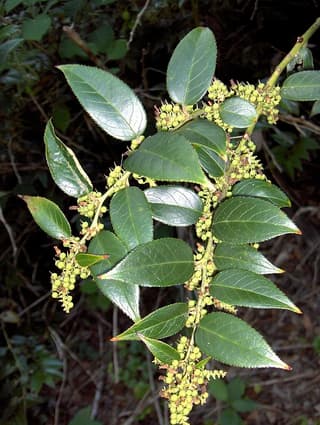
Fetterbush
Leucothoe fontanesiana
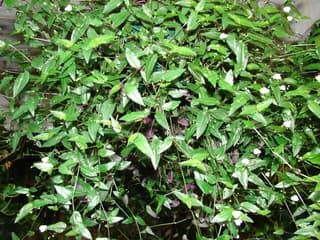
Tahitian Bridal Veil
Gibasis geniculata
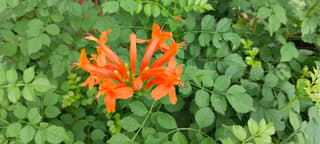
Cape Honeysuckle
Tecoma capensis
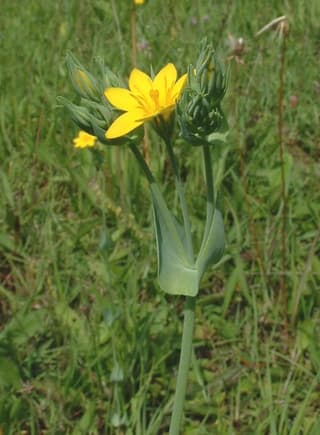
Yellow-wort
Blackstonia perfoliata
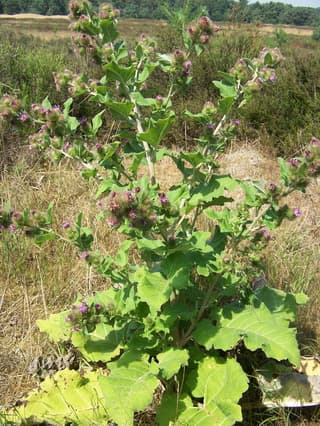
Wood Burdock
Arctium nemorosum

Thanksgiving Cactus
Schlumbergera truncata
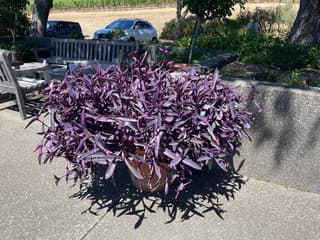
Inch Plant
Tradescantia zebrina
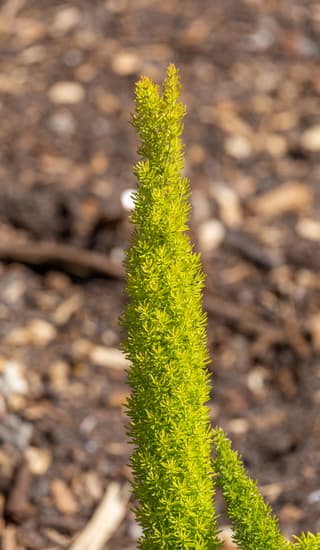
Asparagus Fern
Asparagus densiflorus
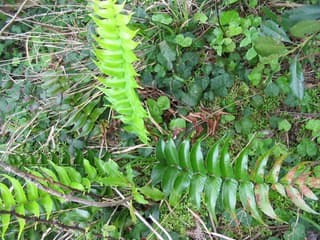
Japanese Holly Fern
Cyrtomium falcatum
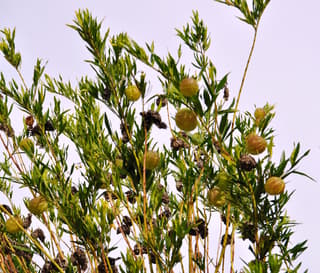
Balloon Plant
Asclepias physocarpa

Orchid Tree
Bauhinia variegata
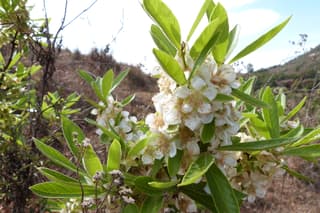
Guabiroba
Campomanesia pubescens
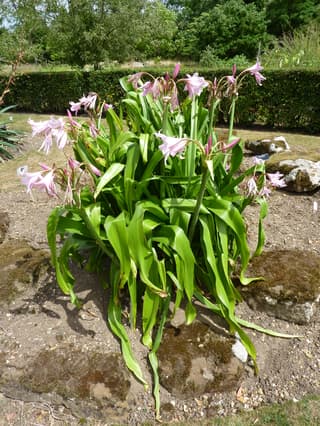
Powell's Crinum Lily
Crinum x powellii
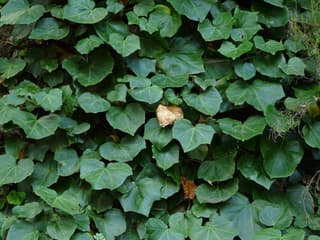
Algerian Ivy
Hedera canariensis
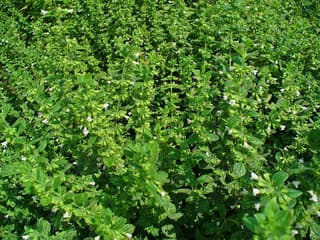
Lemon Balm
Melissa officinalis
Ideal Easy Care for New Hanover County's Climate
New Hanover County has an average temperature of 18.3°C and humidity of 76.4%, conditions that directly influence which easy care best adapt to the local environment.
How to Grow Easy Care in New Hanover County
To successfully grow easy care in New Hanover County, consider that the average temperature of 18.3°C and humidity of 76.4% create a specific microclimate. High humidity favors tropical species, but requires attention to ventilation to prevent fungal issues.
Advantages of Choosing Adapted Easy Care
Easy Care adapted to New Hanover County's climate show greater resistance, healthy growth, and less need for interventions.