500 Best Plants for Nuevo Casas Grandes | 2026 Guide - Page 3
Discover the 500 ideal plants for Nuevo Casas Grandes's climate. Average temp: 18.1°C, Humidity: 36.5%.
Top 500 Plants for Nuevo Casas Grandes
Showing 73-108 of 500
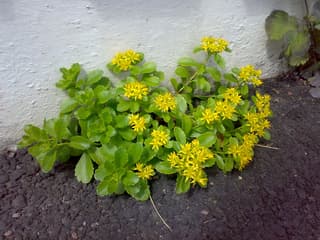
Siberian Stonecrop
Phedimus hybridus
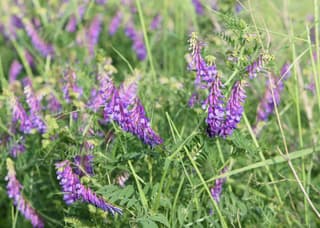
Vetch
Vicia
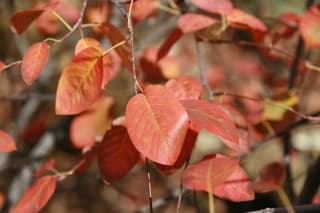
Serviceberry
Amelanchier canadensis
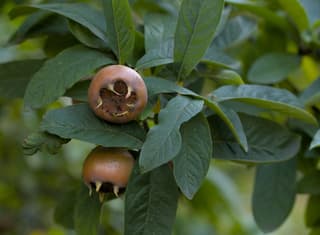
Medlar
Mespilus germanica
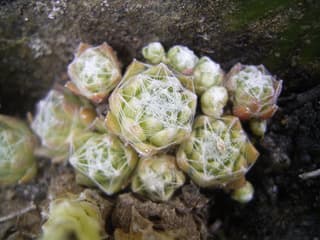
Cobweb Houseleek
Sempervivum arachnoideum
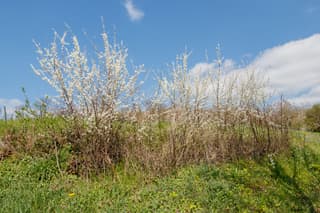
Blackthorn
Prunus spinosa
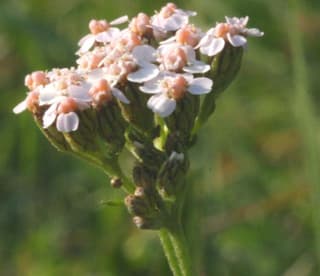
Pink Yarrow
Achillea × roseoalba
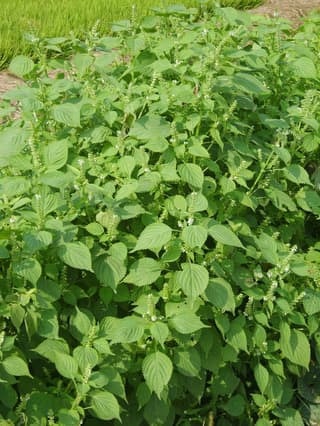
Shiso
Perilla frutescens
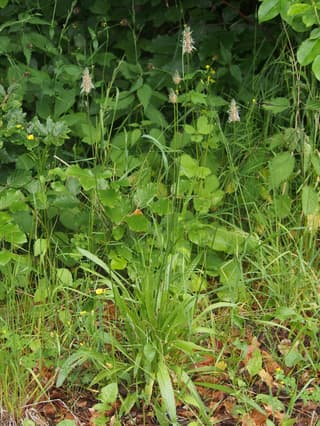
Ribwort Plantain
Plantago lanceolata
Brazilian Ironweed
Vernonanthura polyanthes
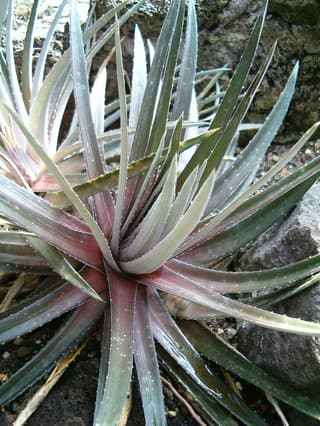
Dyckia
Dyckia

Peruvian peppertree
Schinus molle
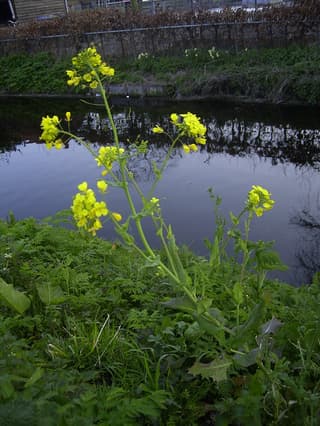
Turnip
Brassica rapa
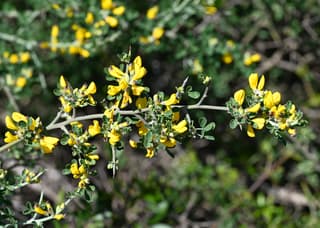
Hairy Thorny Broom
Calicotome villosa
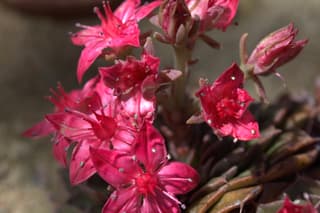
Chihuahua Flower
Graptopetalum bellum
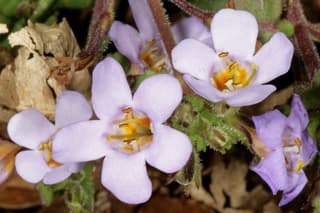
Bacopa
Chaenostoma cordatum
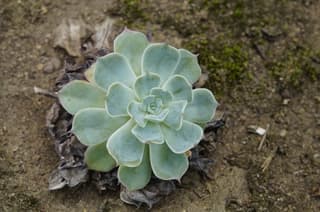
Blue Echeveria
Echeveria secunda
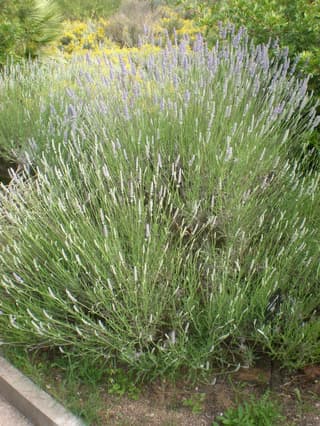
Lavandin
Lavandula x intermedia
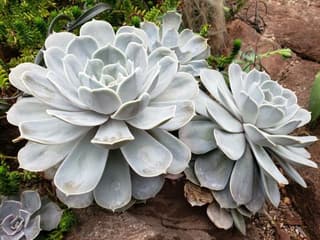
Ghost Echeveria
Echeveria lilacina
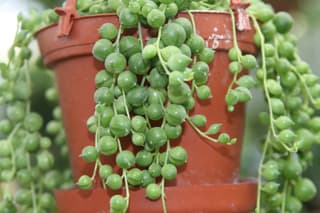
String of Watermelons
Curio herreanus
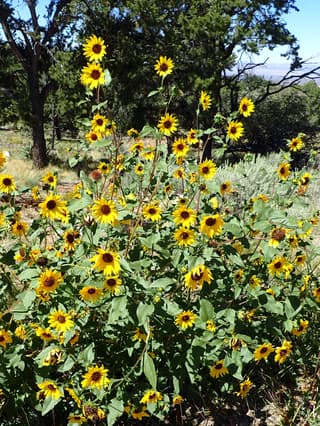
Prairie Sunflower
Helianthus petiolaris
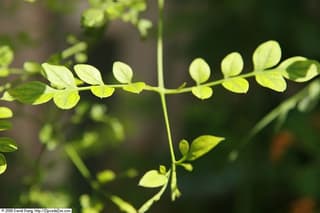
Common Jasmine
Jasminum officinale

Oak-Nymph-Leaved Primulina
Primulina dryas
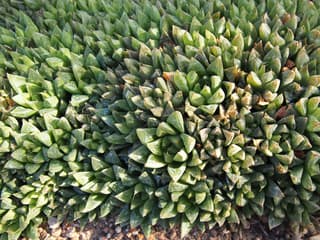
Cathedral Window Haworthia
Haworthia cymbiformis
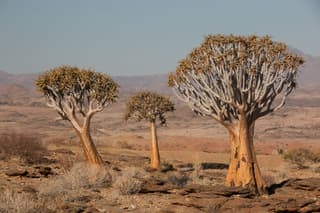
Tree Aloe
Aloidendron
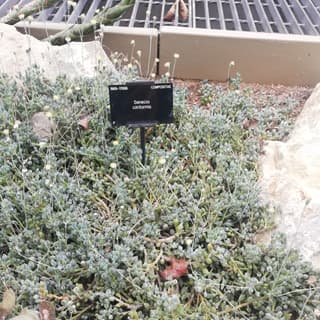
String of Tears
Curio citriformis
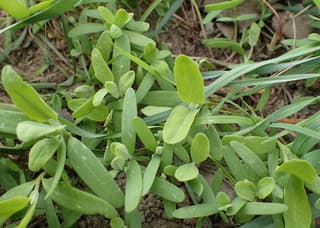
Common Orache
Atriplex patula
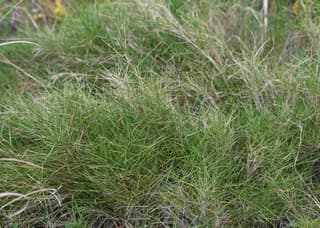
Mediterranean False Brome
Brachypodium retusum
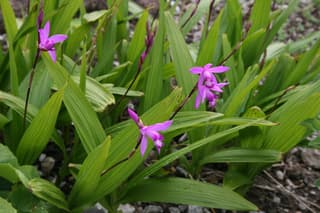
Chinese Ground Orchid
Bletilla striata
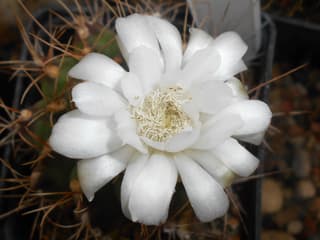
Chin Cactus
Gymnocalycium anisitsii
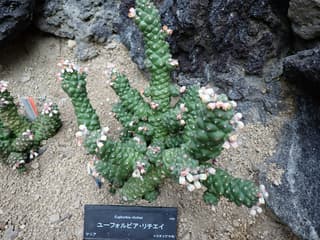
Ritchie's Euphorbia
Euphorbia ritchiei
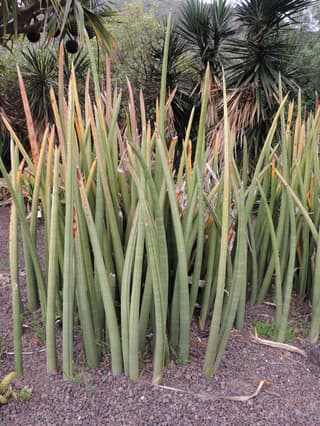
Elephant Tusk
Sansevieria stuckyi
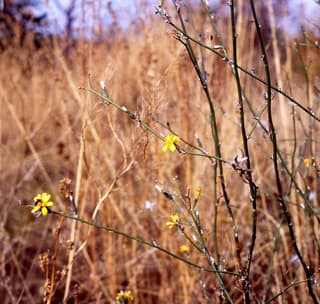
Rush skeletonweed
Chondrilla juncea
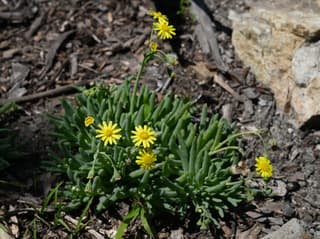
Little Pickles
Crassothonna capensis
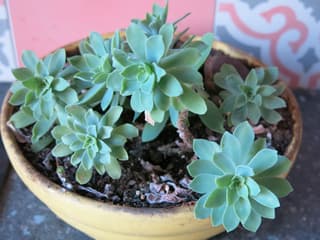
Aeonium
Aeonium
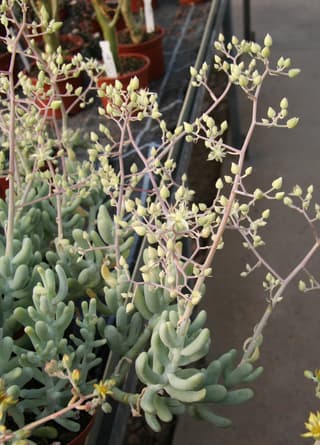
Ghost Sedum
Sedum allantoides
Nuevo Casas Grandes Climate for Plant Growing
Nuevo Casas Grandes has a climate with an average annual temperature of 18.1°C and average relative humidity of 36.5%. These climate conditions are ideal for various species of ornamental and fruit plants.
Tips for Growing Plants in Nuevo Casas Grandes
To succeed in growing plants in Nuevo Casas Grandes, consider the average temperature of 18.1°C when choosing your species. The temperate climate allows you to grow a wide variety of species. Water more frequently due to low humidity.
Why Choose Plants Adapted to the Local Climate?
Plants adapted to Nuevo Casas Grandes's climate require less care, consume less water, and are more likely to thrive. Our selection considers the compatibility between each species' needs and local climate conditions, including temperature (18.1°C) and humidity (36.5%).