500 Best Plants for Pittville No. 169 | 2026 Guide - Page 2
Discover the 500 ideal plants for Pittville No. 169's climate. Average temp: 6.6°C, Humidity: 66.3%.
Top 500 Plants for Pittville No. 169
Showing 37-72 of 500
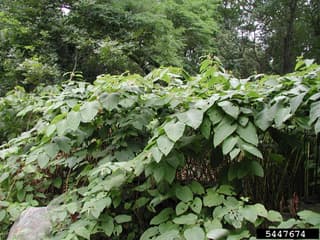
Giant Knotweed
Reynoutria sachalinensis
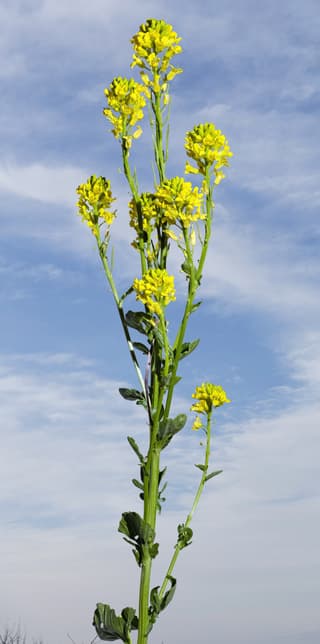
Wintercress
Barbarea vulgaris
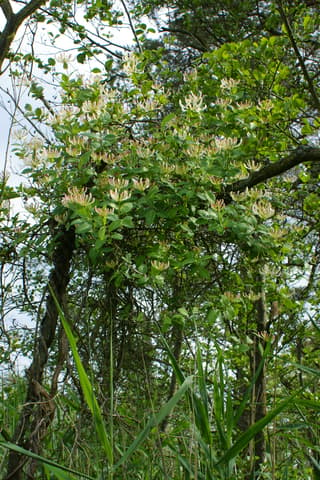
European Honeysuckle
Lonicera periclymenum
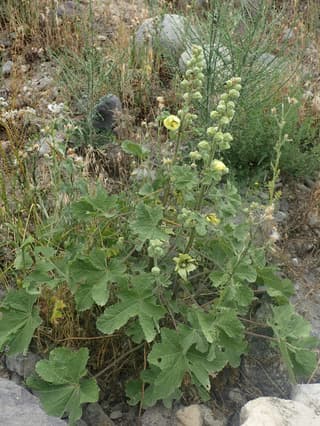
Russian Hollyhock
Alcea rugosa
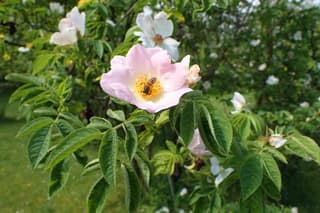
Corymb rose
Rosa corymbifera
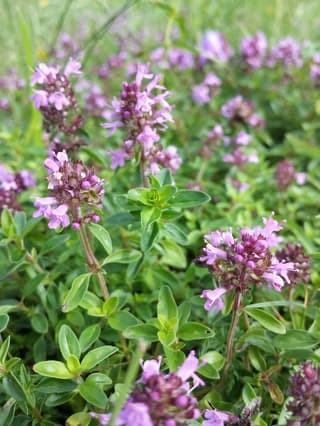
Broad-leaved Thyme
Thymus pulegioides
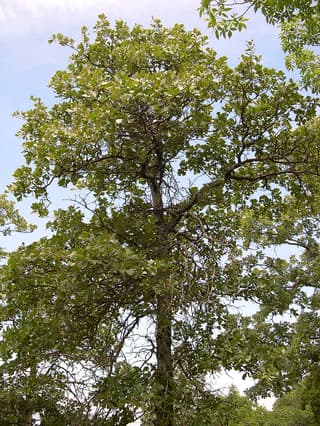
Blackjack Oak
Quercus marilandica
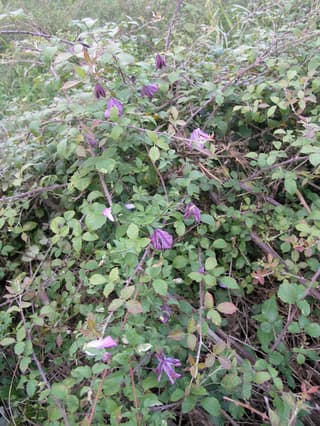
Italian Clematis
Clematis viticella
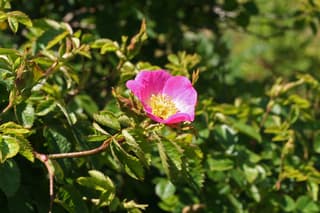
Sweet Briar
Rosa rubiginosa
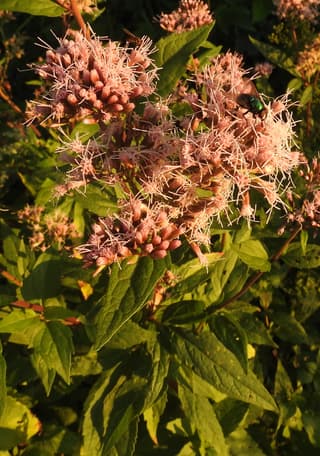
Boneset
Eupatorium
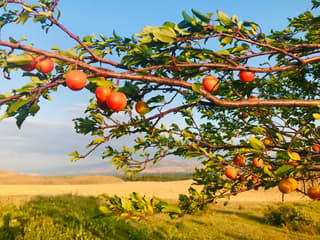
European Plum
Prunus domestica
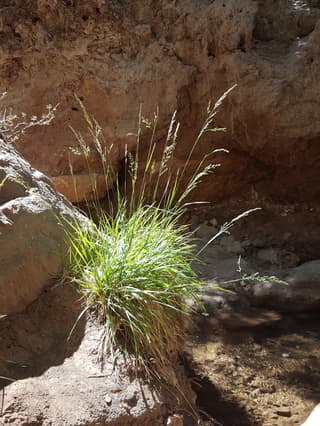
Tall Fescue
Lolium arundinaceum
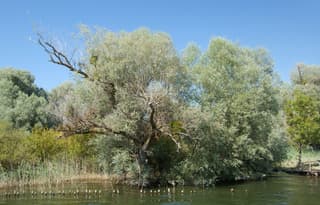
Willow
Salix
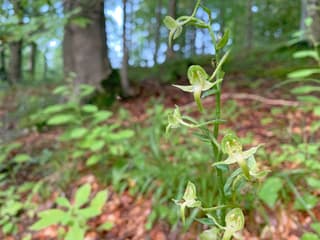
Greater Butterfly-orchid
Platanthera chlorantha
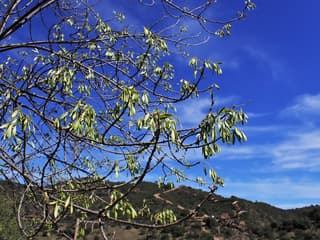
Narrow-leaved Ash
Fraxinus angustifolia
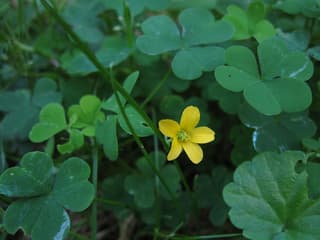
Common Yellow Woodsorrel
Oxalis stricta
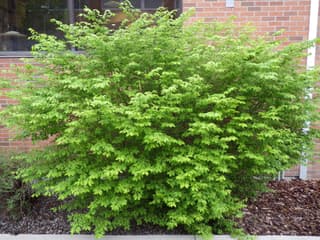
Burning Bush
Euonymus alatus
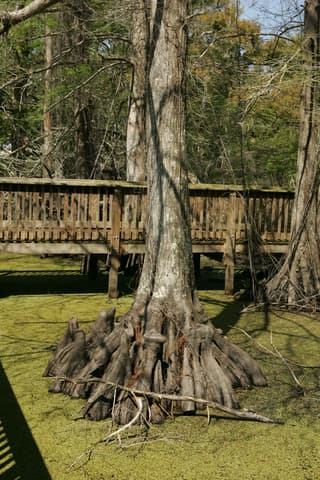
Bald Cypress
Taxodium distichum
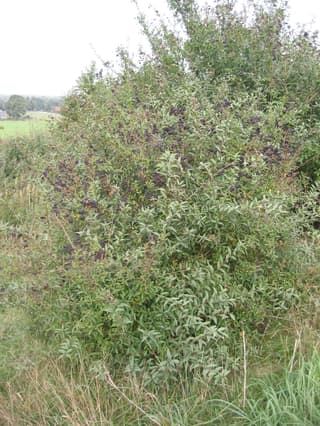
Common Privet
Ligustrum vulgare
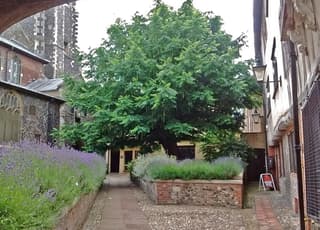
Caucasian Wingnut
Pterocarya fraxinifolia
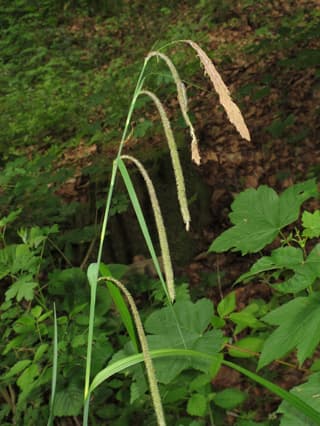
Pendulous Sedge
Carex pendula
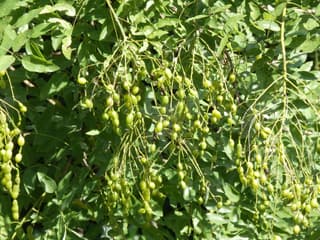
Japanese Pagoda Tree
Styphnolobium japonicum
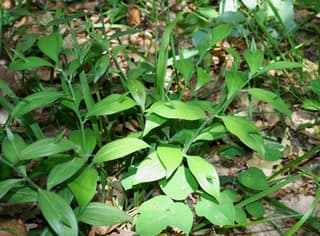
Spineless butcher's broom
Ruscus hypoglossum
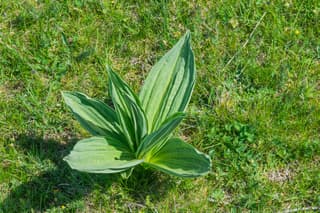
Gentian
Gentiana
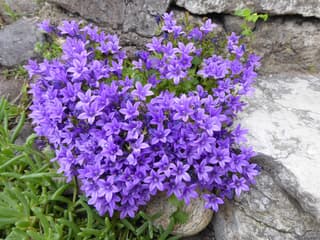
Dalmatian Bellflower
Campanula portenschlagiana
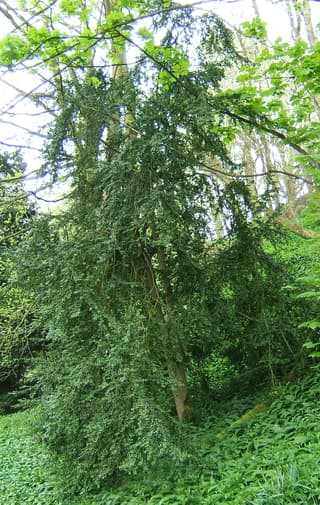
Common boxwood
Buxus sempervirens
Speedwell
Veronica
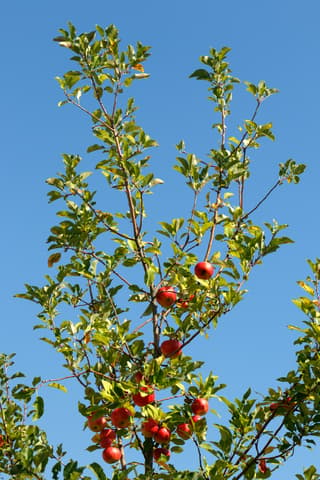
Apple Tree
Malus domestica
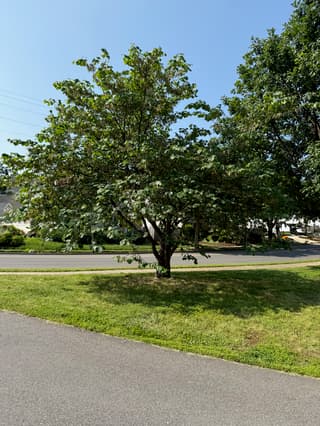
Eastern Redbud
Cercis canadensis
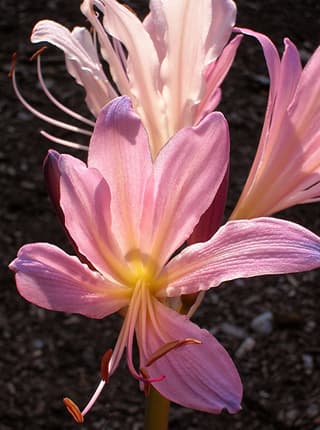
Resurrection lily
Lycoris squamigera
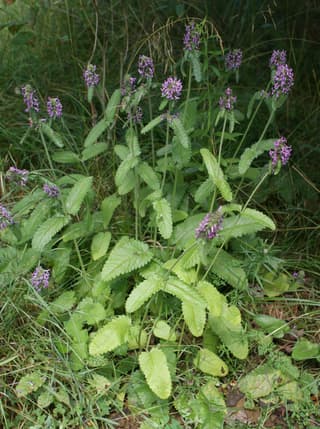
Wood Betony
Betonica officinalis
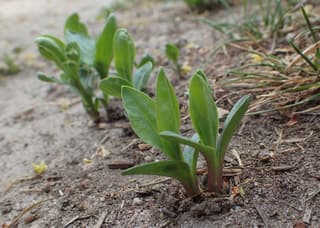
Soapwort
Saponaria officinalis
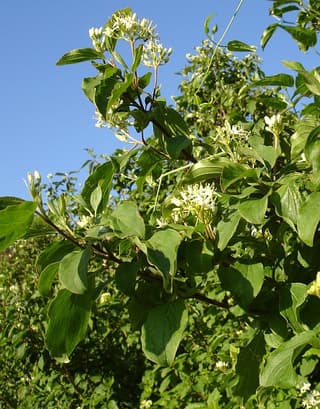
Dogwood
Cornus
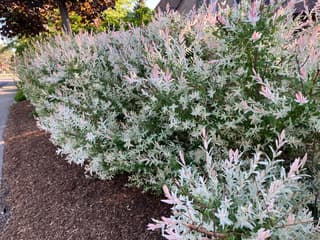
Dappled Willow 'Hakuro Nishiki'
Salix integra 'Hakuro Nishiki'
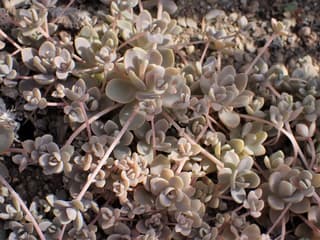
Green Dunce Cap
Orostachys malacophylla
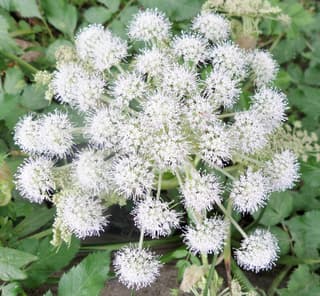
Wild Angelica
Angelica sylvestris
Pittville No. 169 Climate for Plant Growing
Pittville No. 169 has a climate with an average annual temperature of 6.6°C and average relative humidity of 66.3%. These climate conditions are ideal for various species of ornamental and fruit plants.
Tips for Growing Plants in Pittville No. 169
To succeed in growing plants in Pittville No. 169, consider the average temperature of 6.6°C when choosing your species. Protect cold-sensitive plants during winter. Moderate humidity is ideal for most plants.
Why Choose Plants Adapted to the Local Climate?
Plants adapted to Pittville No. 169's climate require less care, consume less water, and are more likely to thrive. Our selection considers the compatibility between each species' needs and local climate conditions, including temperature (6.6°C) and humidity (66.3%).