500 Best Easy Care for Rio das Ostras | 2026 Guide - Page 11
The 500 best easy care to grow in Rio das Ostras. Ideal climate: 24°C, 79% humidity.
500 Easy Care for Rio das Ostras
Showing 361-396 of 500
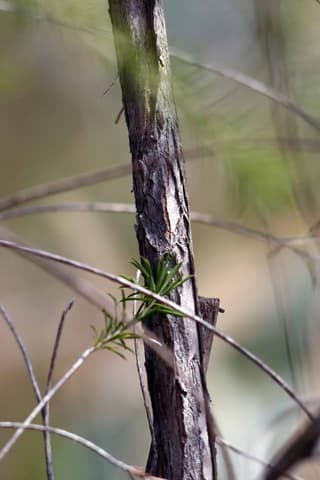
Bracelet Honey Myrtle
Melaleuca armillaris
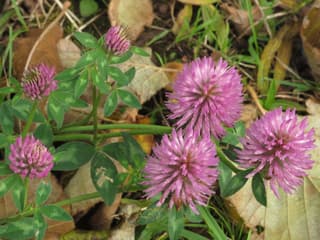
Red Clover
Trifolium pratense
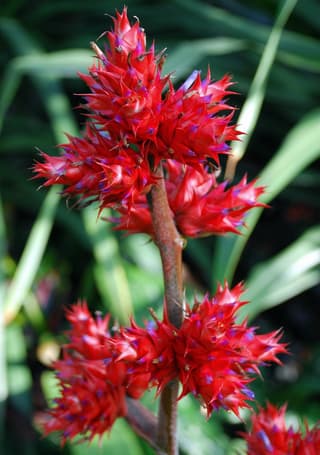
Hohenbergia
Hohenbergia
Pearls and Jade Pothos
Epipremnum aureum 'Pearls and Jade'
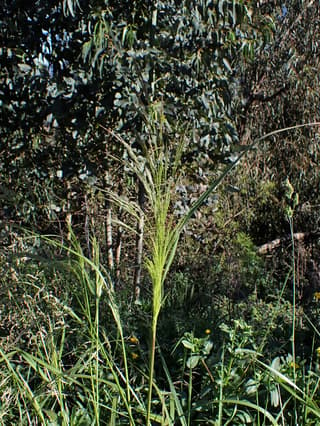
Johnson grass
Sorghum halepense
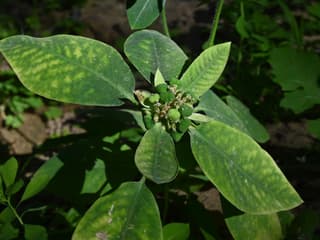
Mexican Fireplant
Euphorbia heterophylla
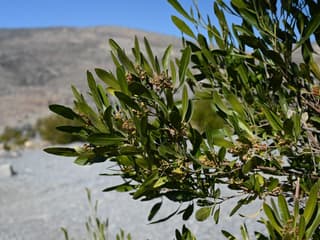
Hop bush
Dodonaea viscosa
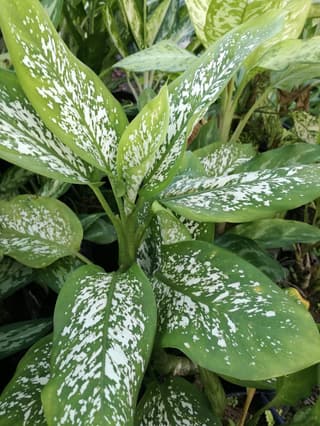
Spotted Dumb Cane
Dieffenbachia picta
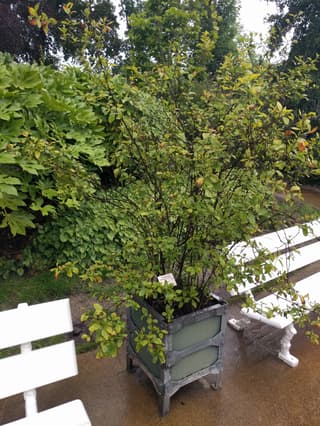
Cape Leadwort
Plumbago auriculata
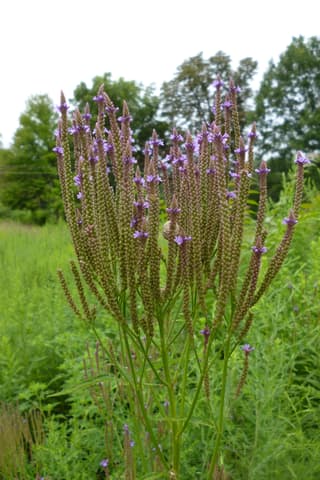
Blue Vervain
Verbena hastata
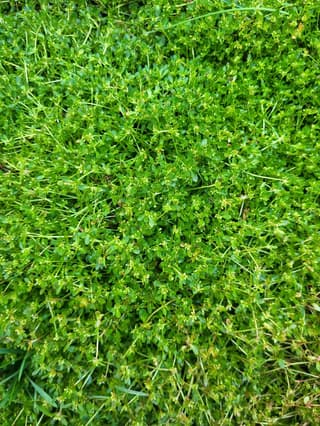
Koenigia (Iceland-Purslane)
Koenigia
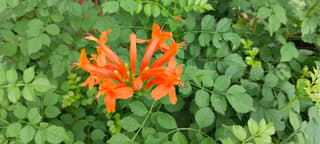
Cape Honeysuckle
Tecoma capensis
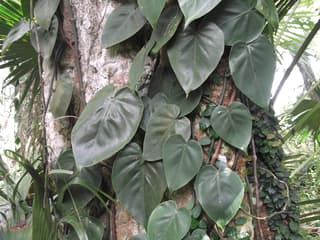
Heartleaf Philodendron
Philodendron hederaceum
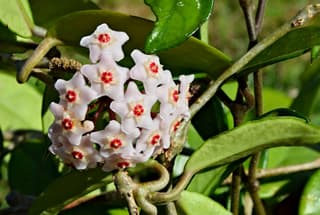
Wax Plant
Hoya carnosa
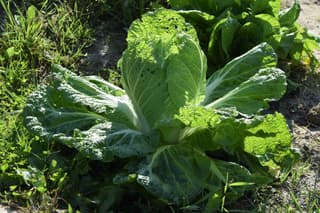
Chinese Cabbage
Brassica rapa pekinensis

Wax Begonia
Begonia semperflorens
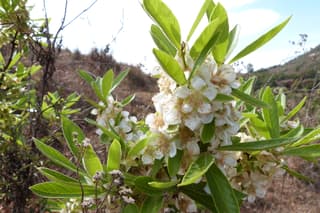
Guabiroba
Campomanesia pubescens
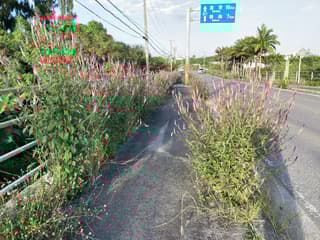
Cockscomb
Celosia argentea
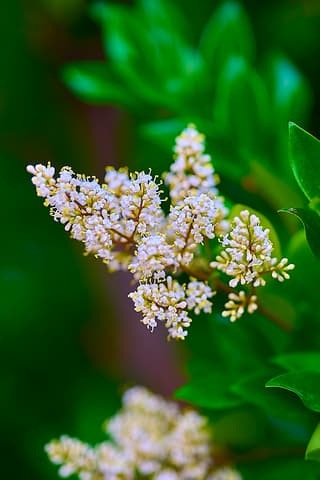
Privet
Ligustrum
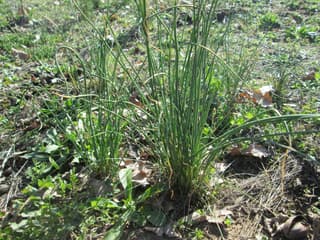
Wild Garlic
Allium vineale
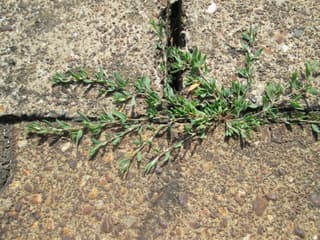
Oval-leaf Knotweed
Polygonum arenastrum
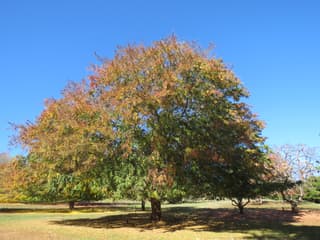
Chinese Elm
Ulmus parvifolia
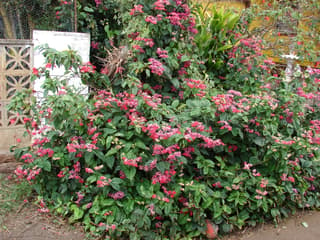
Red Bleeding Heart Vine
Clerodendrum × speciosum
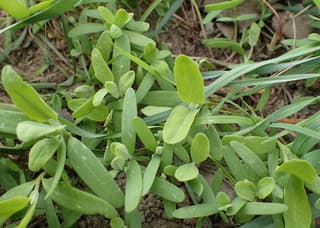
Common Orache
Atriplex patula
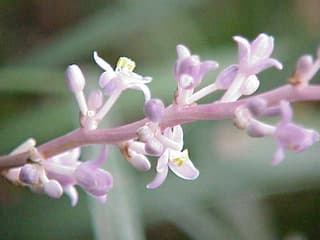
White Lilyturf
Ophiopogon jaburan
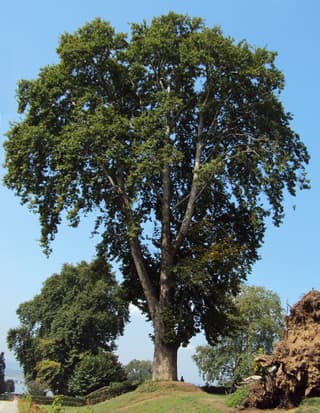
Plane Tree
Platanus
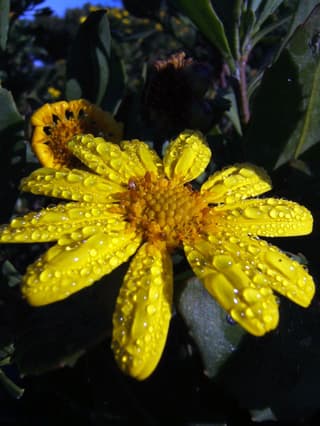
Bietou
Osteospermum moniliferum
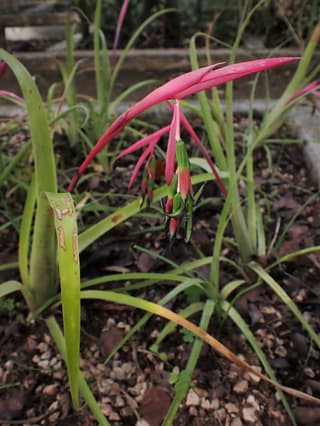
Queen's Tears
Billbergia nutans
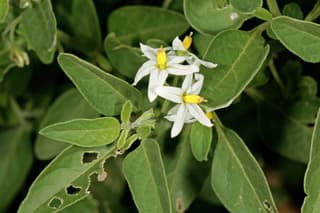
Tall nightshade
Solanum chenopodioides
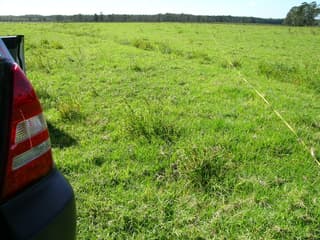
Kikuyu Grass
Cenchrus clandestinus
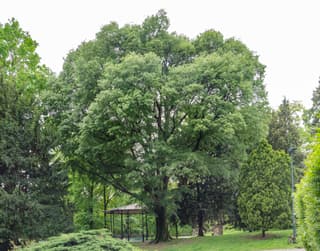
European Nettle Tree
Celtis australis
Stonebreaker
Phyllanthus amarus
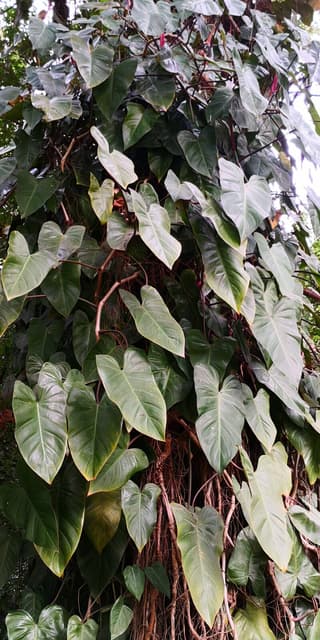
Imperial Green Philodendron
Philodendron 'Imperial Green'
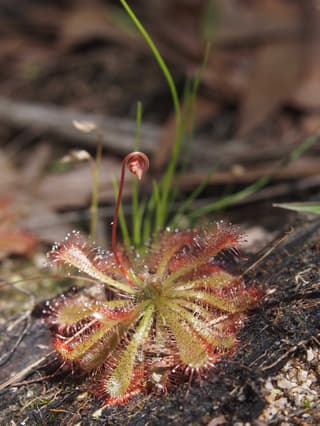
Spoon-leaved sundew
Drosera spatulata
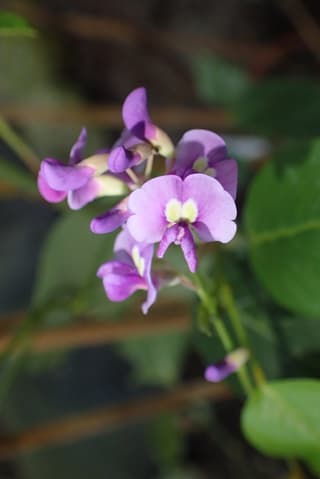
Purple Coral Pea
Hardenbergia violacea
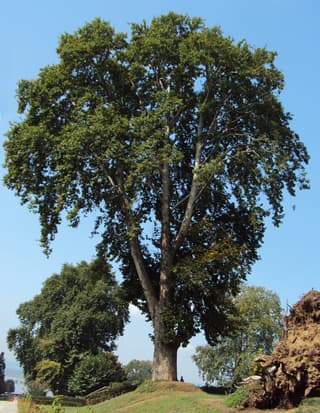
Oriental Plane
Platanus orientalis
Ideal Easy Care for Rio das Ostras's Climate
Rio das Ostras has an average temperature of 24°C and humidity of 79%, conditions that directly influence which easy care best adapt to the local environment.
How to Grow Easy Care in Rio das Ostras
To successfully grow easy care in Rio das Ostras, consider that the average temperature of 24°C and humidity of 79% create a specific microclimate. High humidity favors tropical species, but requires attention to ventilation to prevent fungal issues.
Advantages of Choosing Adapted Easy Care
Easy Care adapted to Rio das Ostras's climate show greater resistance, healthy growth, and less need for interventions.