500 Best Plants for Saint-Lin–Laurentides | 2026 Guide - Page 7
Discover the 500 ideal plants for Saint-Lin–Laurentides's climate. Average temp: 7.3°C, Humidity: 75.1%.
Top 500 Plants for Saint-Lin–Laurentides
Showing 217-252 of 500
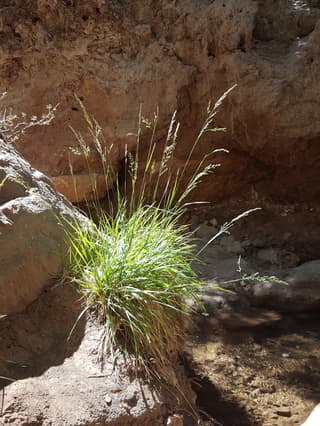
Tall Fescue
Lolium arundinaceum
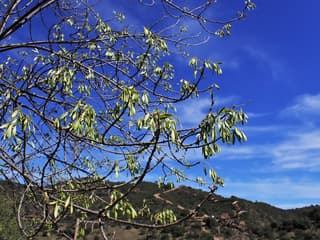
Narrow-leaved Ash
Fraxinus angustifolia
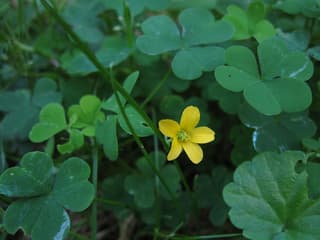
Common Yellow Woodsorrel
Oxalis stricta
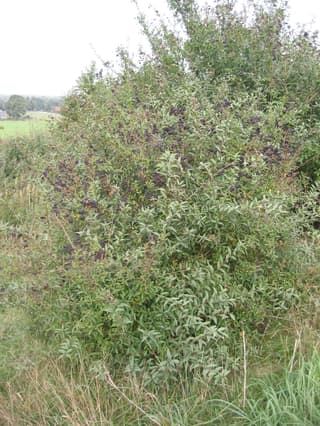
Common Privet
Ligustrum vulgare
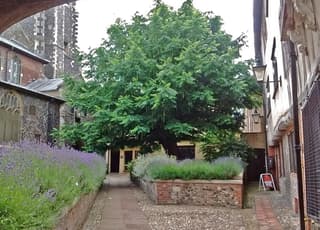
Caucasian Wingnut
Pterocarya fraxinifolia
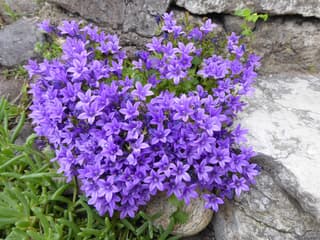
Dalmatian Bellflower
Campanula portenschlagiana
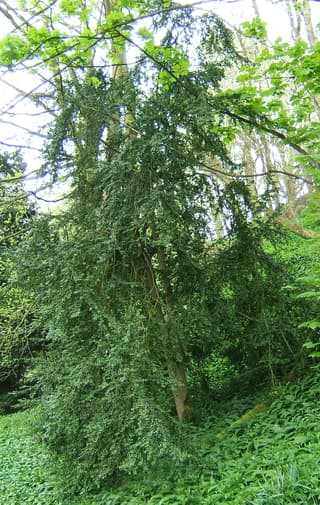
Common boxwood
Buxus sempervirens
Speedwell
Veronica
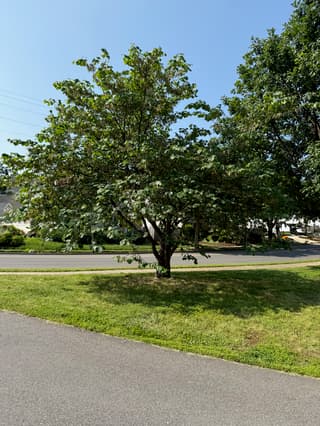
Eastern Redbud
Cercis canadensis
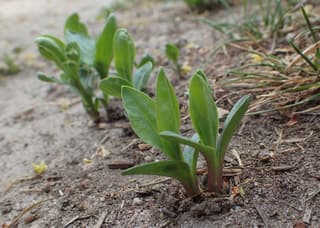
Soapwort
Saponaria officinalis
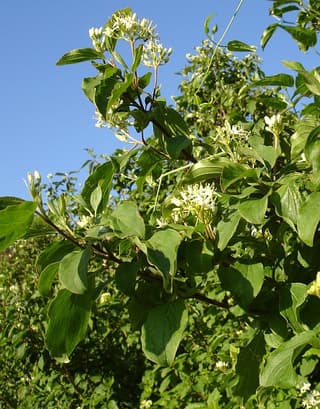
Dogwood
Cornus
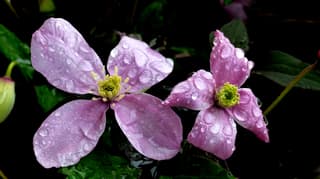
Anemone Clematis
Clematis montana

Common Water-plantain
Alisma plantago-aquatica
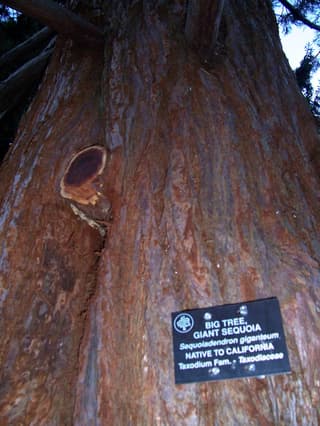
Giant Sequoia
Sequoiadendron giganteum
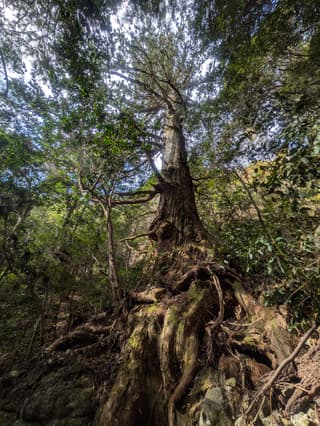
Japanese Cedar
Cryptomeria japonica
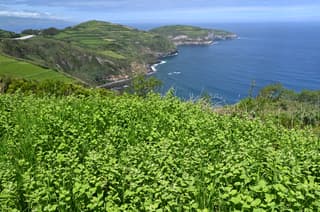
Pineapple Mint
Mentha suaveolens
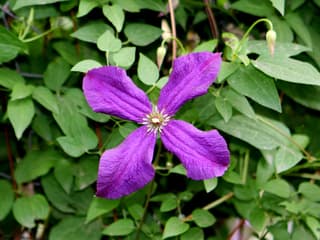
Clematis
Clematis

Red Bartsia
Odontites vernus
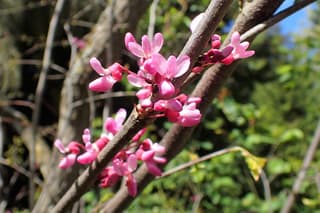
Chinese Redbud
Cercis chinensis
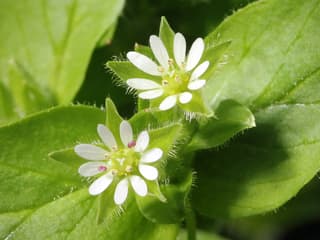
Chickweed
Stellaria media

Wild Lettuce
Lactuca virosa
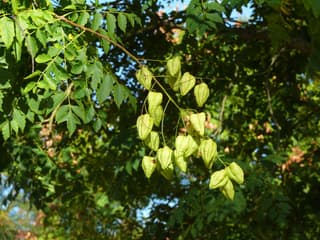
Golden Rain Tree
Koelreuteria paniculata
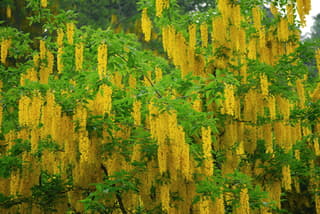
Scotch laburnum
Laburnum alpinum
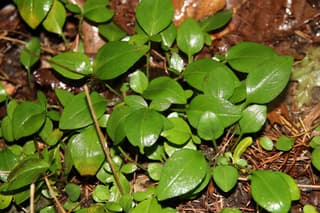
Shrubby St. John's Wort
Hypericum prolificum
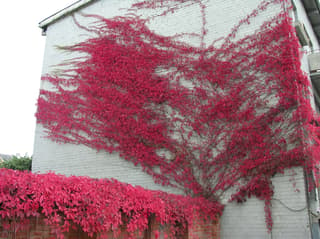
Woodbine
Parthenocissus
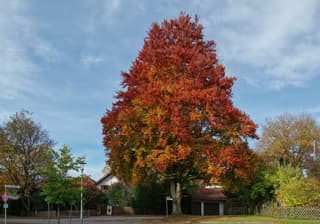
European Beech
Fagus sylvatica
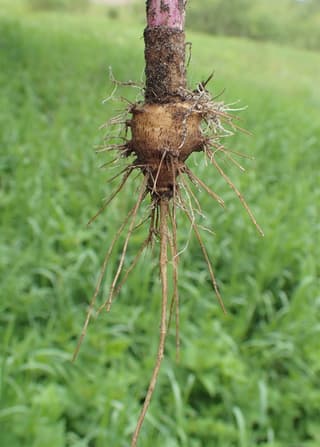
Bulbous Chervil
Chaerophyllum
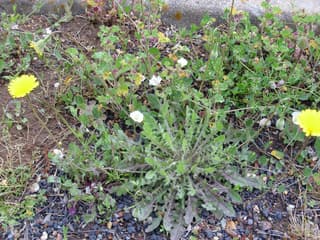
Rough Hawkbit
Leontodon hispidus
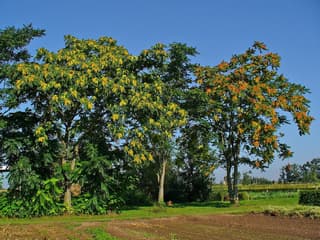
Tree of Heaven
Ailanthus
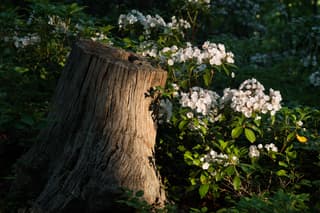
Mountain Laurel
Kalmia
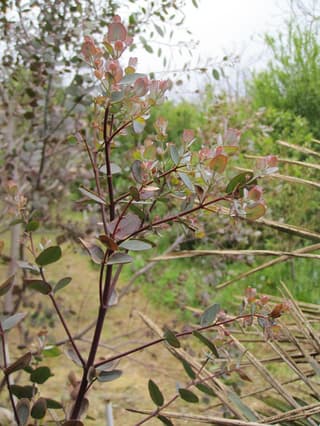
Cider Gum
Eucalyptus gunnii
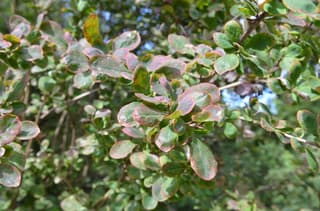
Ottawa Barberry
Berberis × ottawensis
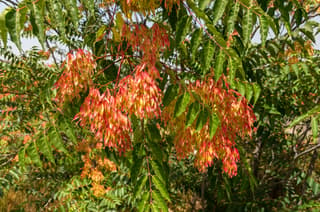
Tree of Heaven
Ailanthus altissima
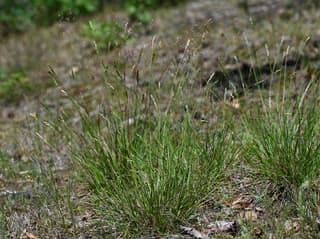
Heath-grass
Danthonia decumbens
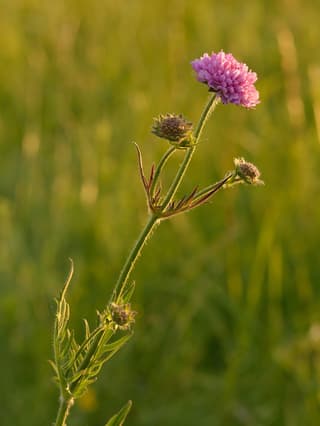
Field Scabious
Knautia arvensis
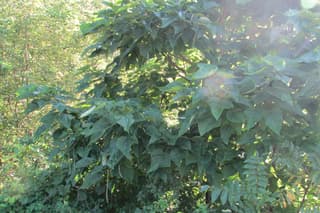
Northern Catalpa
Catalpa speciosa
Saint-Lin–Laurentides Climate for Plant Growing
Saint-Lin–Laurentides has a climate with an average annual temperature of 7.3°C and average relative humidity of 75.1%. These climate conditions are ideal for various species of ornamental and fruit plants.
Tips for Growing Plants in Saint-Lin–Laurentides
To succeed in growing plants in Saint-Lin–Laurentides, consider the average temperature of 7.3°C when choosing your species. Protect cold-sensitive plants during winter. High humidity favors tropical plants, but watch for fungal issues.
Why Choose Plants Adapted to the Local Climate?
Plants adapted to Saint-Lin–Laurentides's climate require less care, consume less water, and are more likely to thrive. Our selection considers the compatibility between each species' needs and local climate conditions, including temperature (7.3°C) and humidity (75.1%).