500 Best Plants for San Luis Potosí | 2026 Guide - Page 8
Discover the 500 ideal plants for San Luis Potosí's climate. Average temp: 18.4°C, Humidity: 56.3%.
Top 500 Plants for San Luis Potosí
Showing 253-288 of 500
Black Felt Lichen
Placynthium nigrum
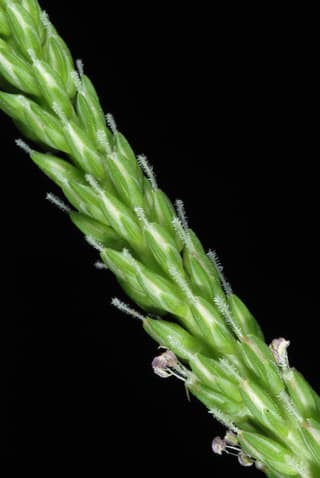
Blackseed Plantain
Plantago rugelii
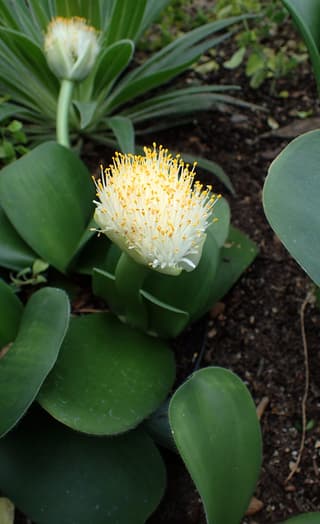
Blood Lily
Haemanthus
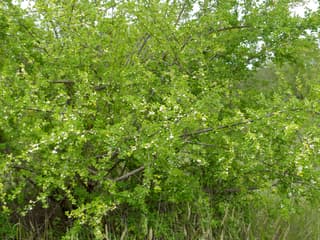
White-Berry Bush
Flueggea virosa
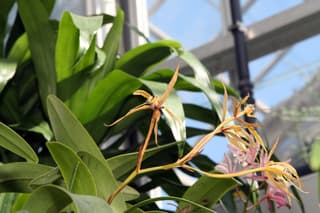
Fringed Star Orchid
Epidendrum ciliare
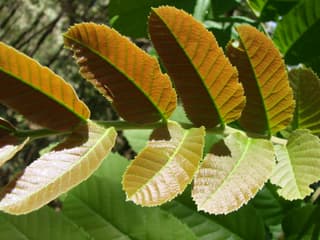
Camboata Tree
Cupania
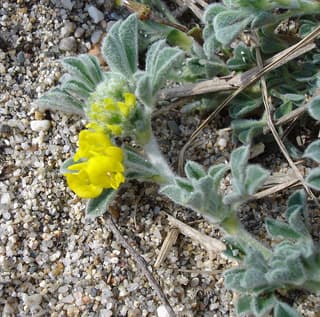
Medick
Medicago
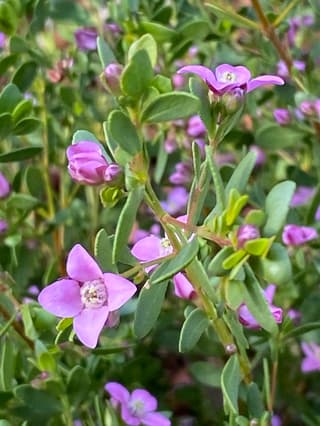
Aniseed Boronia
Boronia crenulata
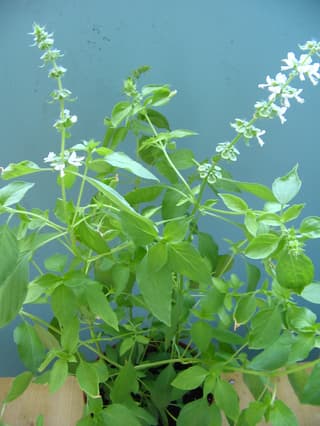
Lemon Basil
Ocimum × citriodorum
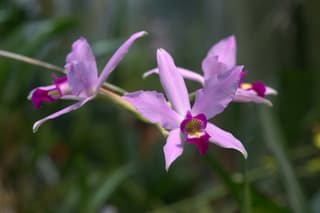
Two-edged Laelia
Laelia anceps
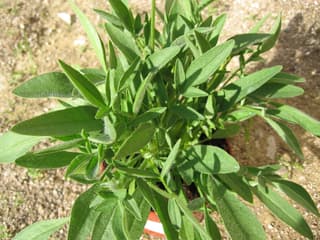
Large-flowered Tickseed
Coreopsis grandiflora
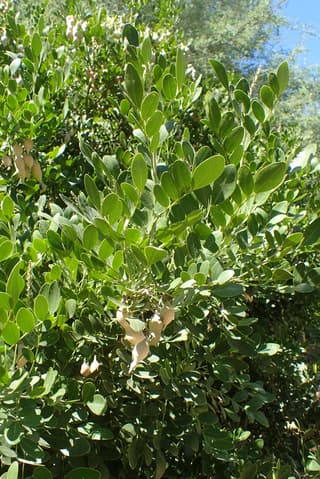
Texas mountain laurel
Dermatophyllum secundiflorum
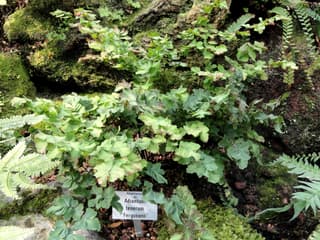
Fan Maidenhair Fern
Adiantum tenerum
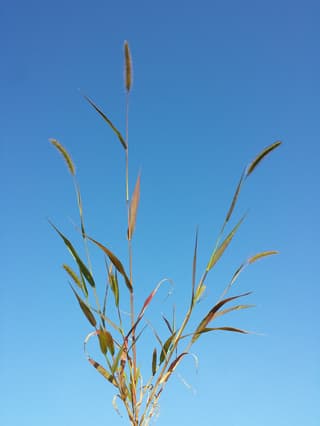
Foxtail Grass
Setaria
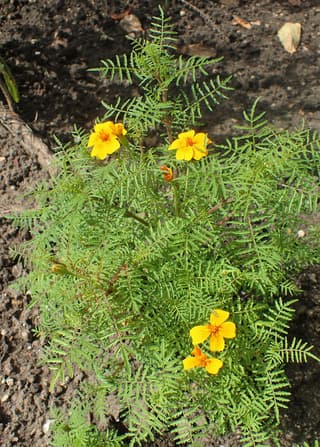
Signet Marigold
Tagetes tenuifolia
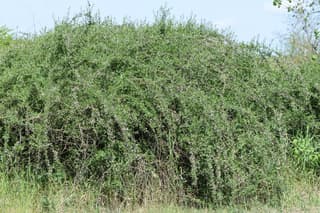
Goji Berry
Lycium barbarum
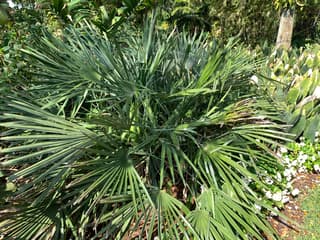
Needle Palm
Rhapidophyllum hystrix
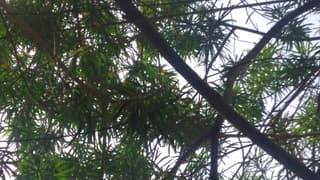
Yellow Oleander
Cascabela thevetia
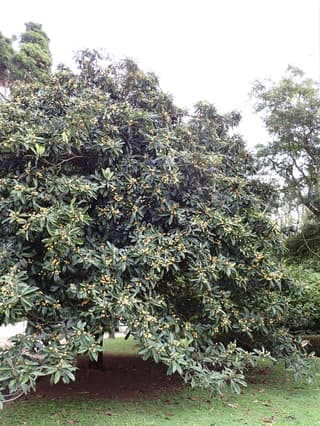
Loquat
Rhaphiolepis bibas
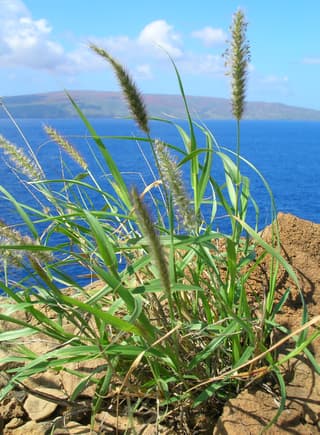
Sandbur
Cenchrus
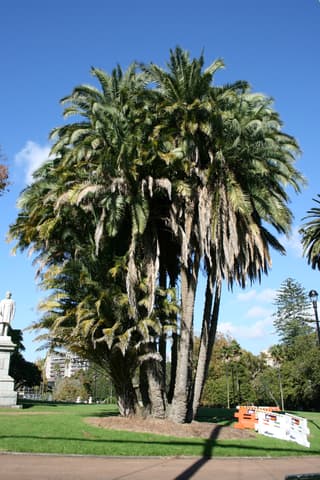
Senegal Date Palm
Phoenix reclinata
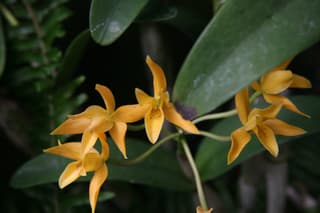
Orange Cattleya
Guarianthe aurantiaca
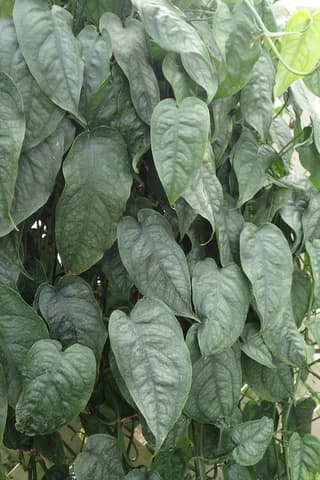
Silver Monstera
Monstera siltepecana
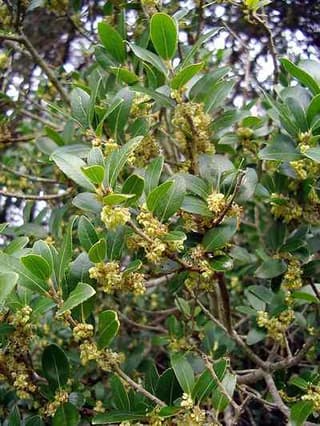
Green Olive Tree
Phillyrea latifolia
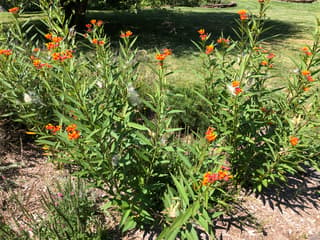
Tropical Milkweed
Asclepias curassavica
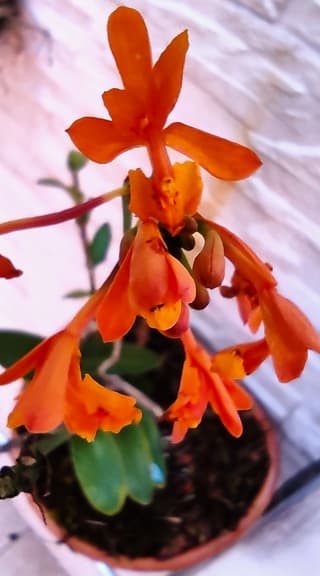
Beach Crucifix Orchid
Epidendrum fulgens
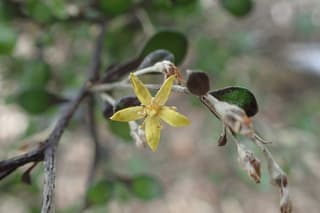
Wire-netting Bush
Corokia cotoneaster
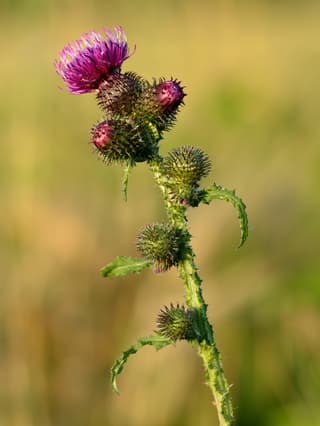
Thistle
Carduus
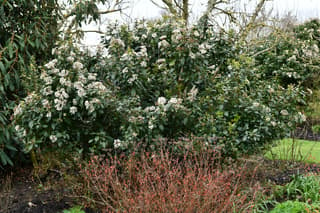
Laurustinus
Viburnum tinus
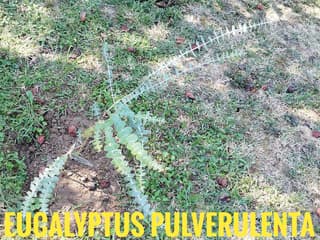
Silver-leaved Mountain Gum
Eucalyptus pulverulenta
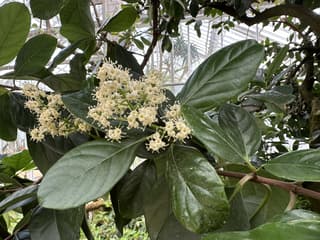
Sweet Viburnum
Viburnum odoratissimum
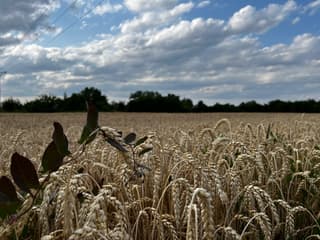
Field Bindweed
Convolvulus arvensis
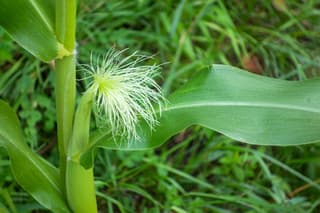
Corn / Maize
Zea
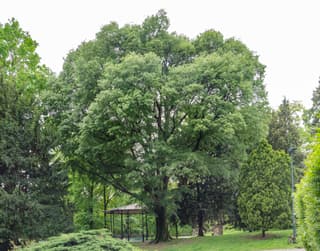
European Nettle Tree
Celtis australis
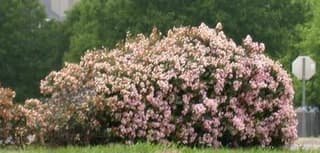
Indian Hawthorn
Rhaphiolepis indica
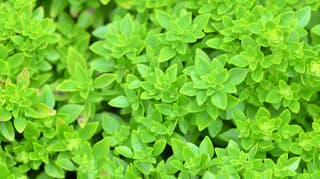
Greek Basil
Ocimum basilicum var. minimum
San Luis Potosí Climate for Plant Growing
San Luis Potosí has a climate with an average annual temperature of 18.4°C and average relative humidity of 56.3%. These climate conditions are ideal for various species of ornamental and fruit plants.
Tips for Growing Plants in San Luis Potosí
To succeed in growing plants in San Luis Potosí, consider the average temperature of 18.4°C when choosing your species. The temperate climate allows you to grow a wide variety of species. Moderate humidity is ideal for most plants.
Why Choose Plants Adapted to the Local Climate?
Plants adapted to San Luis Potosí's climate require less care, consume less water, and are more likely to thrive. Our selection considers the compatibility between each species' needs and local climate conditions, including temperature (18.4°C) and humidity (56.3%).