500 Best Easy Care for São Bento do Sapucaí | 2026 Guide - Page 11
The 500 best easy care to grow in São Bento do Sapucaí. Ideal climate: 19.9°C, 79.8% humidity.
500 Easy Care for São Bento do Sapucaí
Showing 361-396 of 500
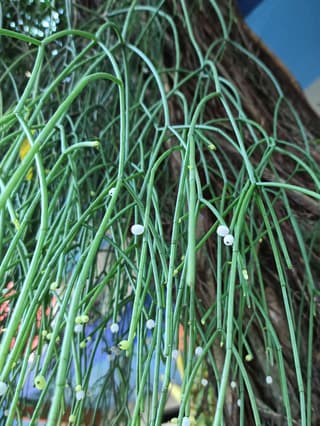
Mistletoe Cactus
Rhipsalis

Rougeplant
Rivina humilis
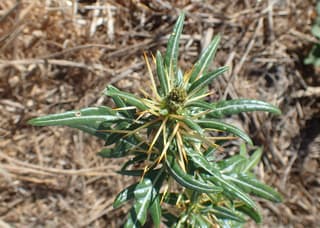
Spiny Cocklebur
Xanthium spinosum
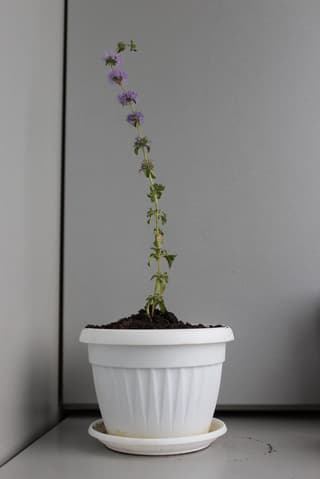
Pennyroyal
Mentha pulegium
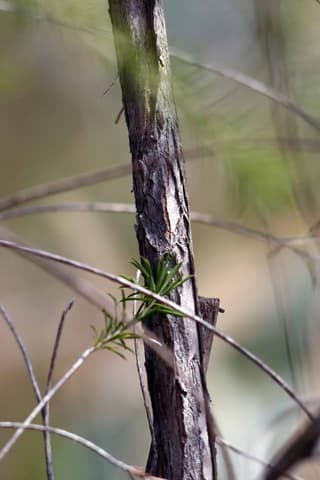
Bracelet Honey Myrtle
Melaleuca armillaris
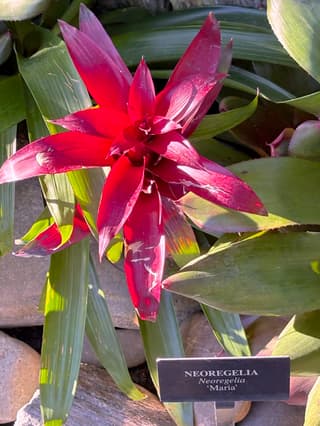
Blushing Bromeliad
Neoregelia
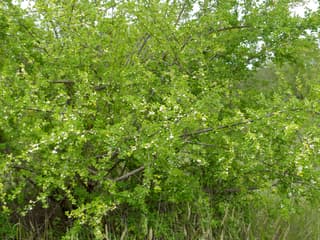
White-Berry Bush
Flueggea virosa
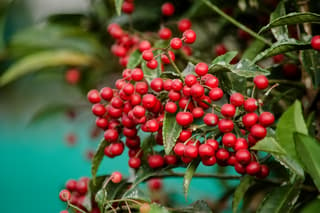
Coral Berry
Ardisia crenata
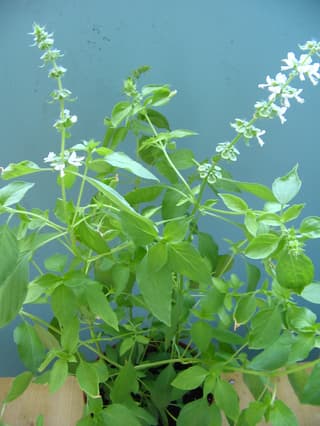
Lemon Basil
Ocimum × citriodorum
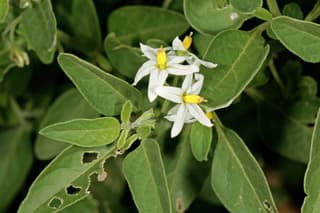
Tall nightshade
Solanum chenopodioides
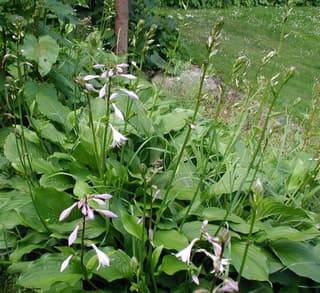
Fortune's Hosta
Hosta fortunei
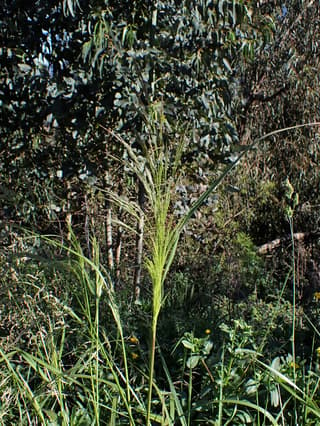
Johnson grass
Sorghum halepense
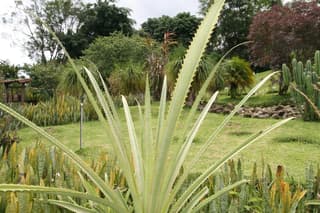
Wild Pineapple
Bromelia pinguin
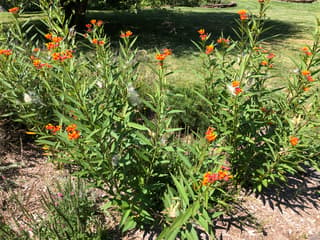
Tropical Milkweed
Asclepias curassavica
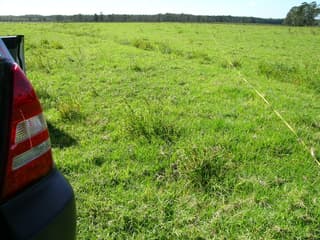
Kikuyu Grass
Cenchrus clandestinus
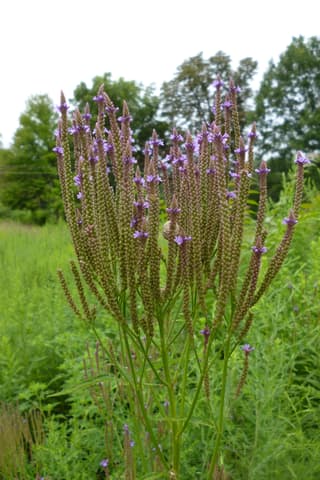
Blue Vervain
Verbena hastata
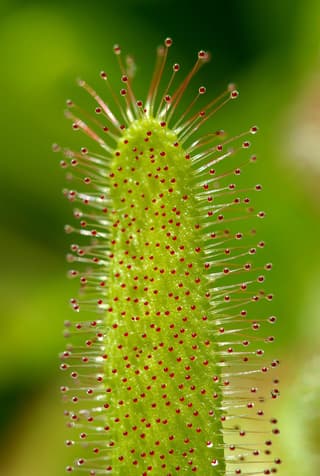
Cape Sundew
Drosera capensis
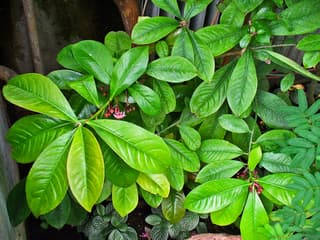
Coralberry
Ardisia
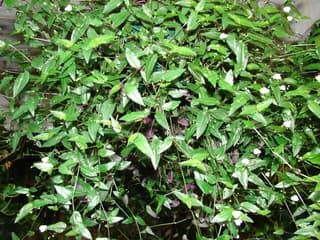
Tahitian Bridal Veil
Gibasis geniculata
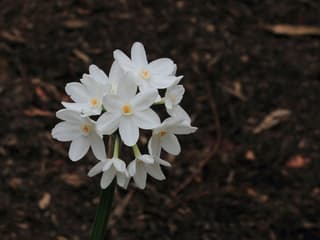
Paperwhite
Narcissus papyraceus
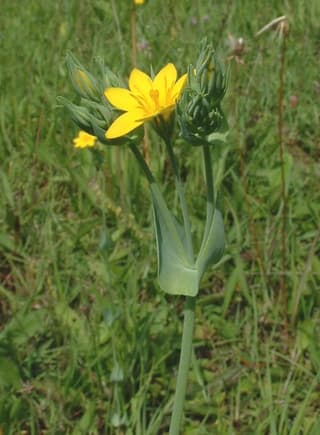
Yellow-wort
Blackstonia perfoliata
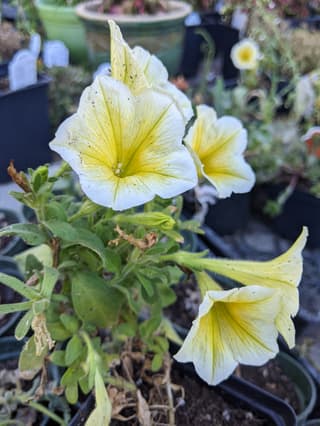
Garden Petunia
Petunia x hybrida
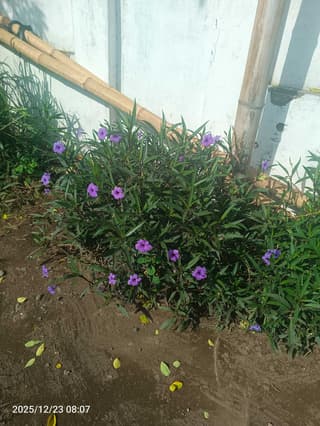
Wild Petunia
Ruellia
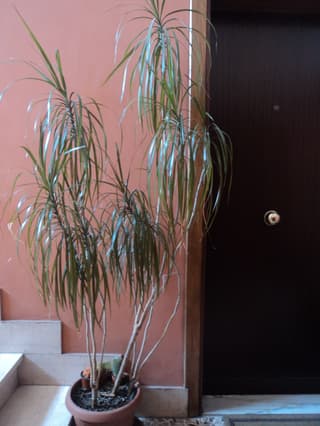
Dragon Tree
Dracaena marginata
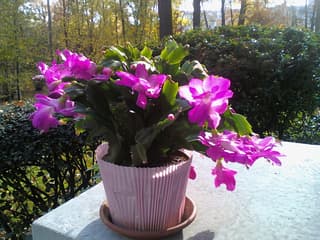
Thanksgiving Cactus
Schlumbergera truncata
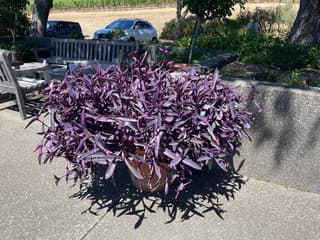
Inch Plant
Tradescantia zebrina
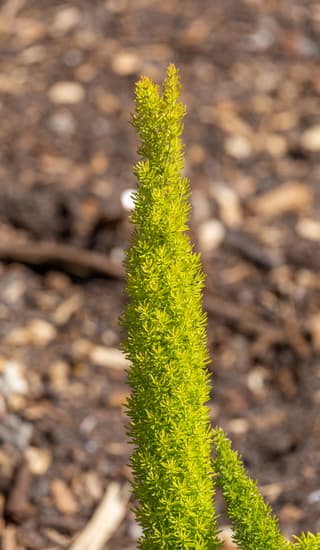
Asparagus Fern
Asparagus densiflorus
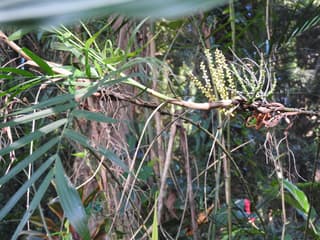
Bamboo Palm
Chamaedorea seifrizii
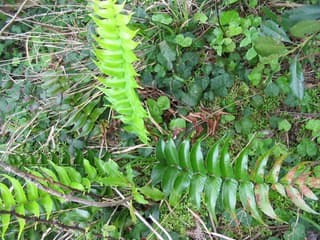
Japanese Holly Fern
Cyrtomium falcatum
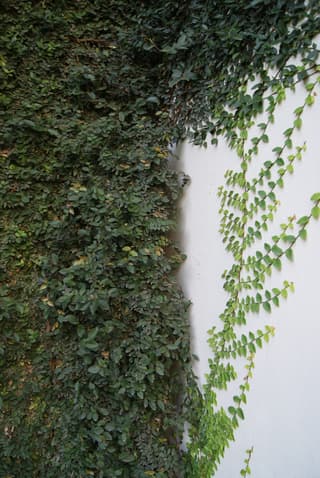
Creeping Fig
Ficus pumila
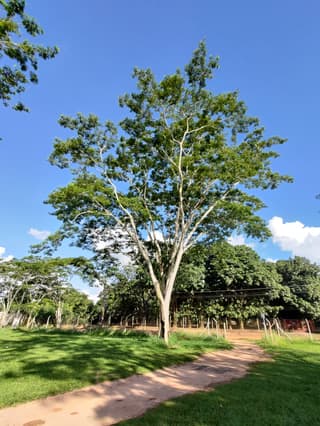
White Silk Tree
Albizia niopoides
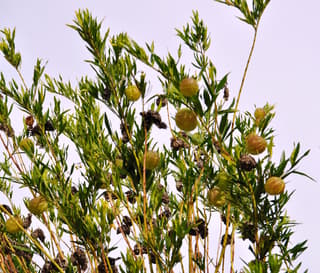
Balloon Plant
Asclepias physocarpa
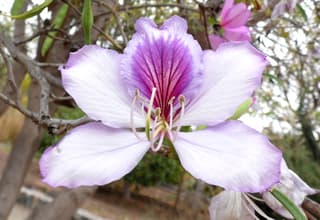
Orchid Tree
Bauhinia variegata
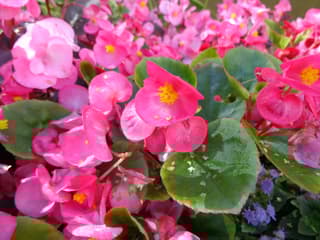
Wax Begonia
Begonia semperflorens
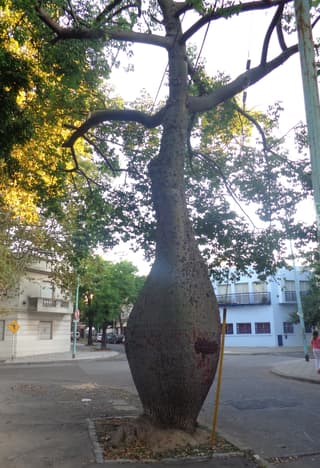
Silk Floss Tree
Ceiba speciosa
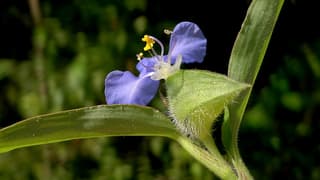
Whitemouth Dayflower
Commelina erecta
Ideal Easy Care for São Bento do Sapucaí's Climate
São Bento do Sapucaí has an average temperature of 19.9°C and humidity of 79.8%, conditions that directly influence which easy care best adapt to the local environment.
How to Grow Easy Care in São Bento do Sapucaí
To successfully grow easy care in São Bento do Sapucaí, consider that the average temperature of 19.9°C and humidity of 79.8% create a specific microclimate. High humidity favors tropical species, but requires attention to ventilation to prevent fungal issues.
Advantages of Choosing Adapted Easy Care
Easy Care adapted to São Bento do Sapucaí's climate show greater resistance, healthy growth, and less need for interventions.