500 Best Easy Care for São Bento do Sul | 2026 Guide - Page 6
The 500 best easy care to grow in São Bento do Sul. Ideal climate: 17.3°C, 85.9% humidity.
500 Easy Care for São Bento do Sul
Showing 181-216 of 500
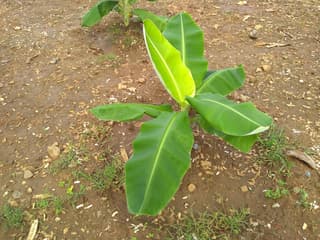
Banana
Musa
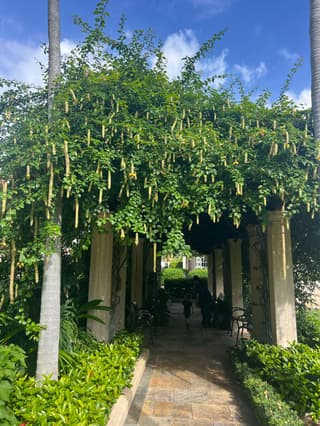
Parrot's Beak
Gmelina philippensis
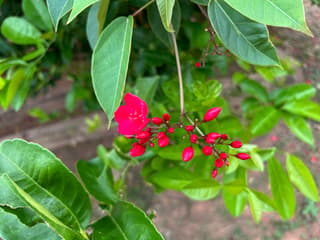
Peregrina
Jatropha integerrima
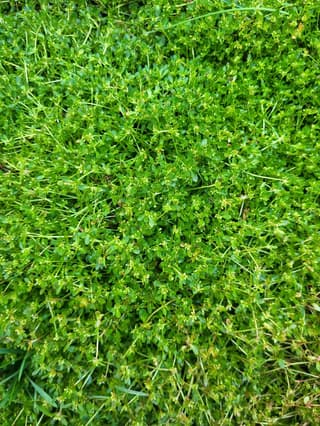
Koenigia (Iceland-Purslane)
Koenigia
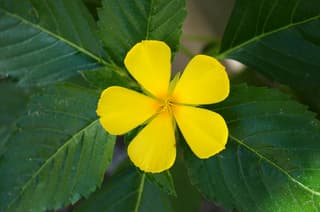
Yellow Alder
Turnera ulmifolia
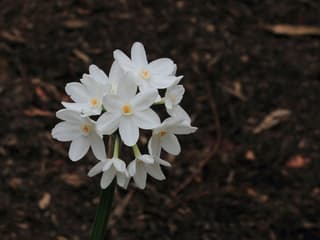
Paperwhite
Narcissus papyraceus
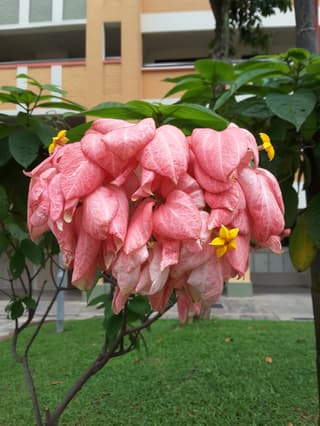
Dona Alicia Mussaenda
Mussaenda alicia
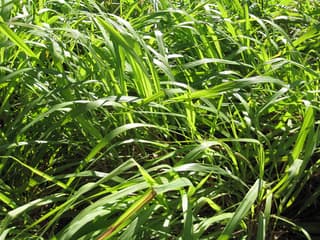
Java Citronella
Cymbopogon winterianus
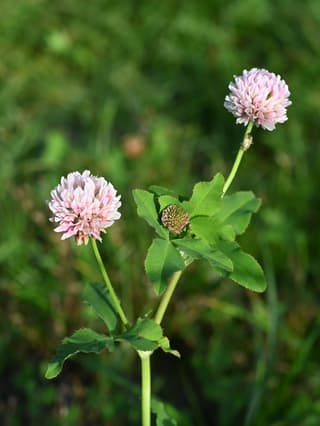
Alsike Clover
Trifolium hybridum
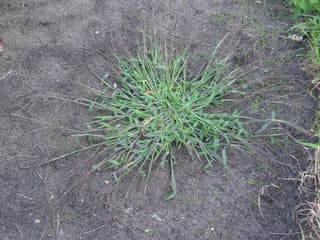
hairy crabgrass
Digitaria sanguinalis
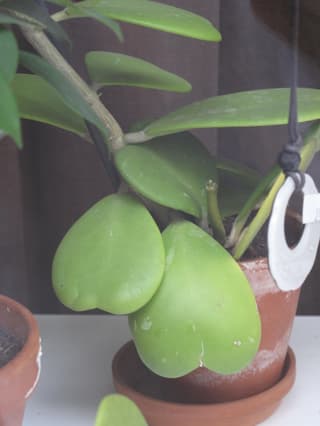
Sweetheart Hoya
Hoya kerrii
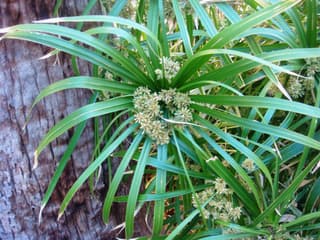
Umbrella Plant
Cyperus involucratus
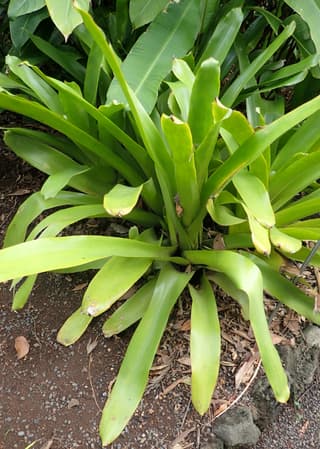
Orange Bromeliad
Aechmea blanchetiana
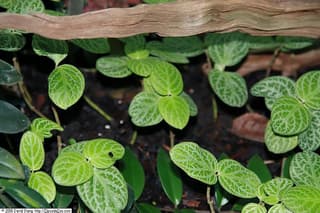
Veined Chamaeranthemum
Chamaeranthemum venosum
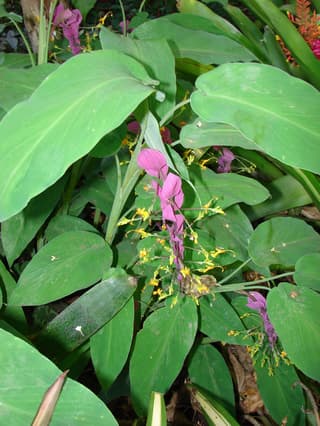
Dancing Lady Ginger
Globba winitii
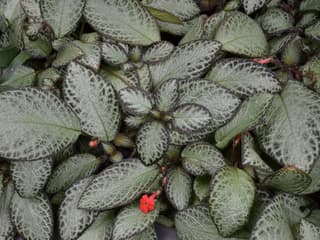
Flame Violet
Episcia reptans
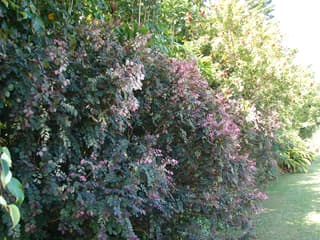
Snowbush
Breynia disticha
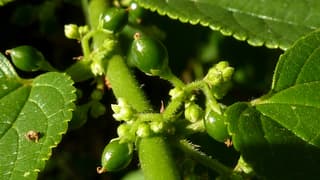
Jamaican Nettle Tree
Trema micrantha
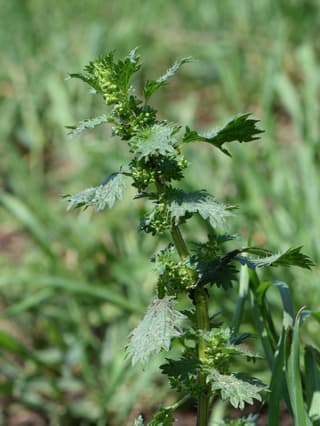
Small Nettle
Urtica urens
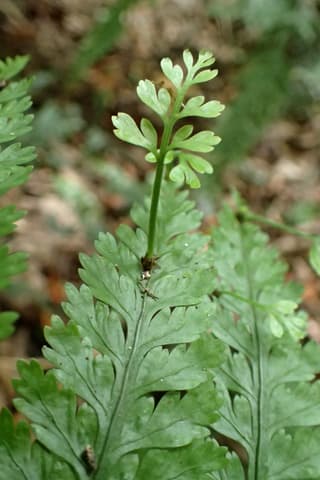
Hen and Chickens Fern
Asplenium bulbiferum
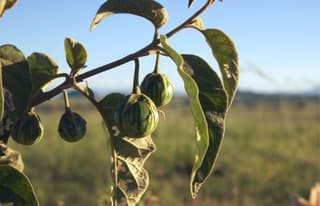
Ethiopian Eggplant
Solanum aethiopicum
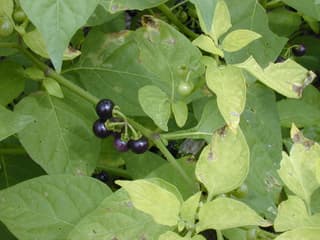
American Black Nightshade
Solanum americanum
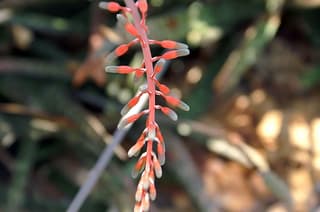
Ox tongue
Gasteria bicolor
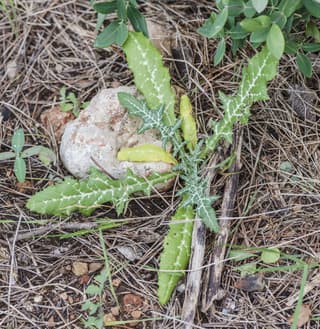
Common Sowthistle
Sonchus oleraceus
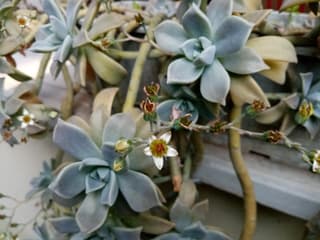
Ghost Plant
Graptopetalum
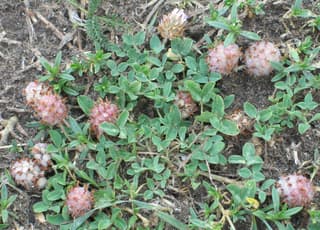
Strawberry Clover
Trifolium fragiferum
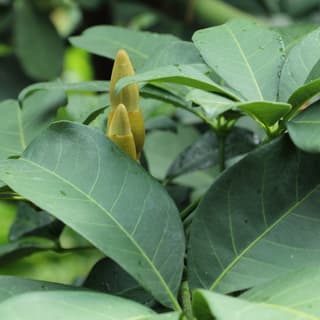
Money Tree
Pachira aquatica
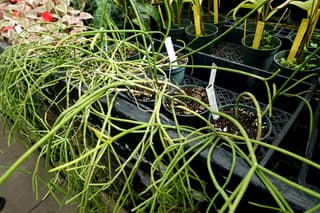
Mistletoe cactus
Rhipsalis baccifera
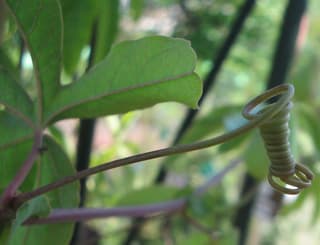
Blue Passion Flower
Passiflora caerulea
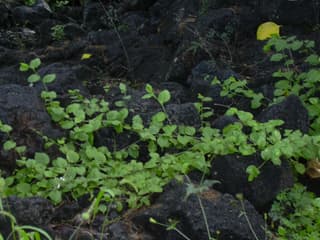
Chinese Violet
Asystasia gangetica
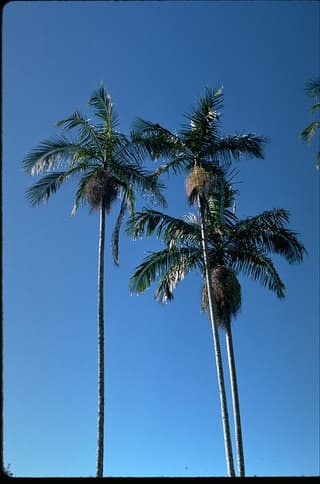
Bangalow Palm
Archontophoenix cunninghamiana
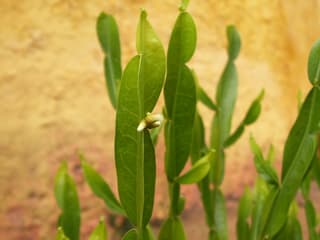
Carqueja
Baccharis trimera
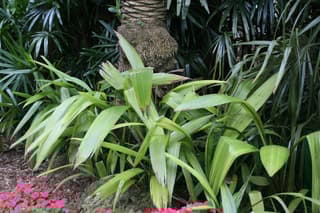
Palm Grass
Curculigo capitulata
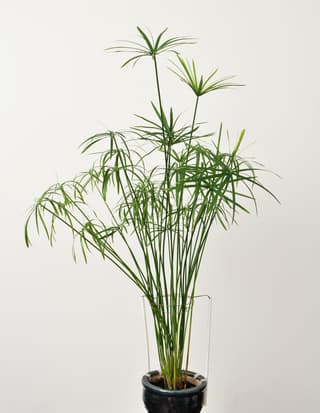
Umbrella Papyrus
Cyperus alternifolius
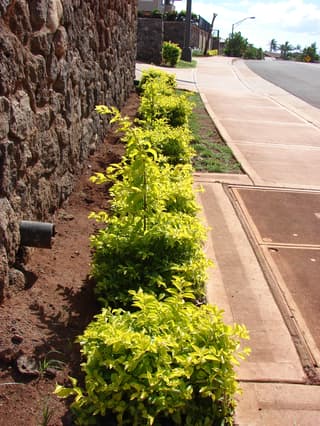
Golden Dewdrop
Duranta erecta
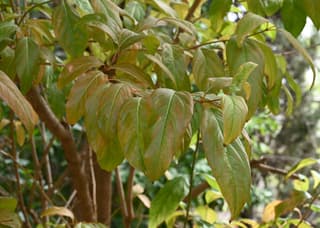
Fiddlewood
Citharexylum spinosum
Ideal Easy Care for São Bento do Sul's Climate
São Bento do Sul has an average temperature of 17.3°C and humidity of 85.9%, conditions that directly influence which easy care best adapt to the local environment.
How to Grow Easy Care in São Bento do Sul
To successfully grow easy care in São Bento do Sul, consider that the average temperature of 17.3°C and humidity of 85.9% create a specific microclimate. High humidity favors tropical species, but requires attention to ventilation to prevent fungal issues.
Advantages of Choosing Adapted Easy Care
Easy Care adapted to São Bento do Sul's climate show greater resistance, healthy growth, and less need for interventions.