500 Best Pet Safe for São Mateus do Sul | 2026 Guide - Page 12
The 500 best pet safe to grow in São Mateus do Sul. Ideal climate: 18.1°C, 81.8% humidity.
500 Pet Safe for São Mateus do Sul
Showing 397-432 of 500
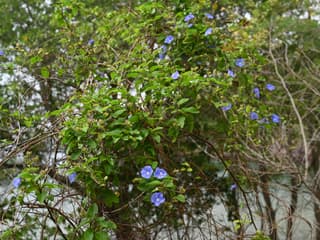
Skyblue Clustervine
Jacquemontia pentanthos
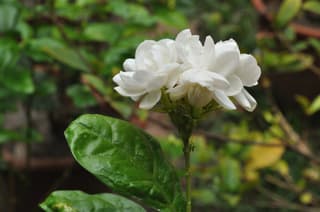
Arabian Jasmine
Jasminum sambac
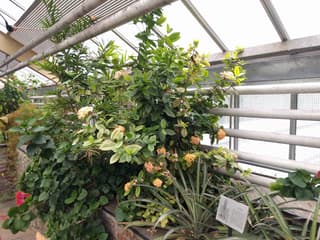
Chinese Ixora
Ixora chinensis
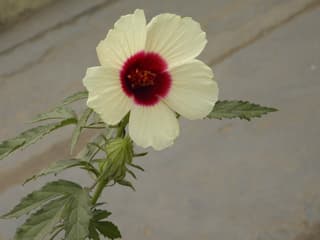
Kenaf
Hibiscus cannabinus
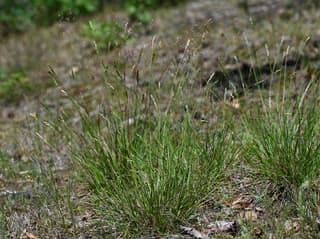
Heath-grass
Danthonia decumbens
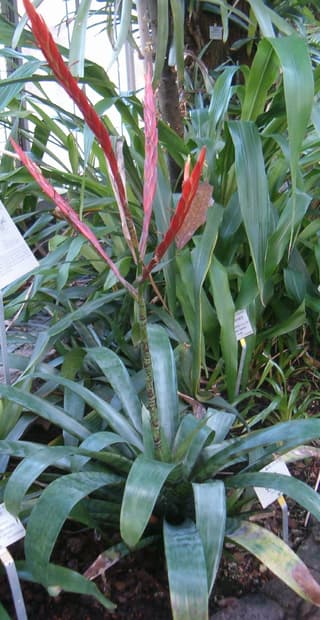
Flaming Sword Bromeliad
Lutheria
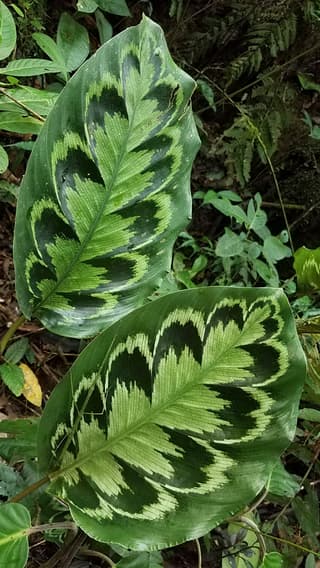
Medallion Calathea
Goeppertia veitchiana
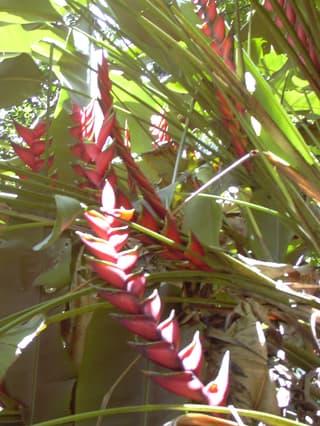
Lobster Claw
Heliconia bihai
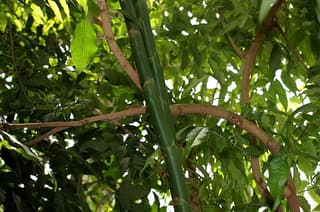
Arabian Spiral Ginger
Costus arabicus
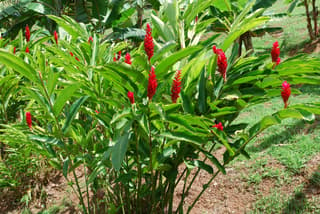
Red Ginger
Alpinia purpurata
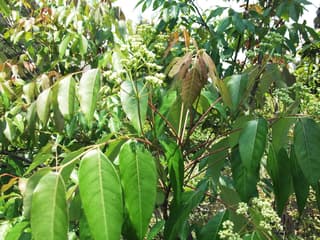
Catuaba
Trichilia
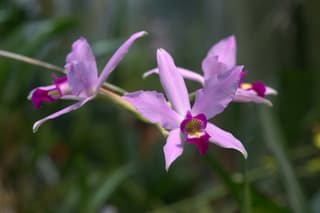
Two-edged Laelia
Laelia anceps
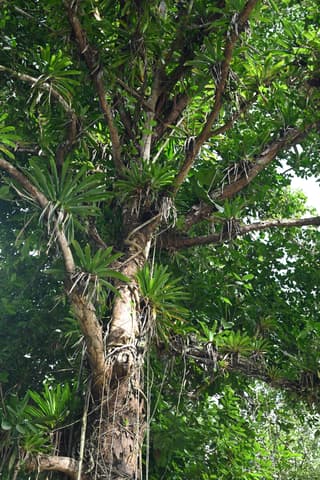
Guzmania
Guzmania
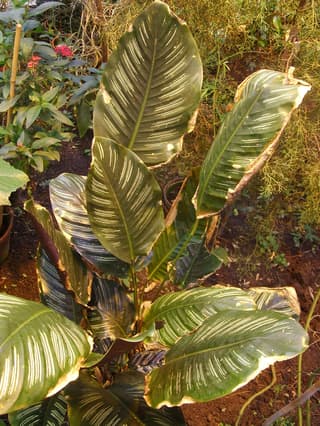
White Star Calathea
Goeppertia majestica
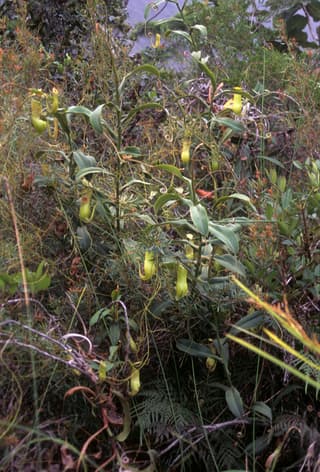
New Caledonia Pitcher Plant
Nepenthes vieillardii
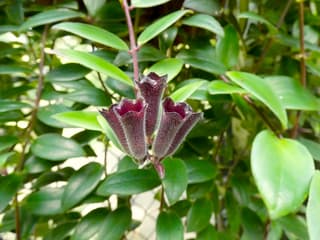
Lipstick Plant
Aeschynanthus
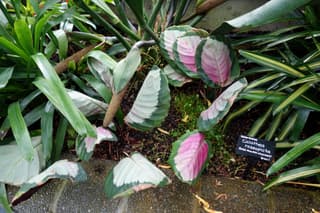
Rose Painted Calathea
Calathea roseopicta
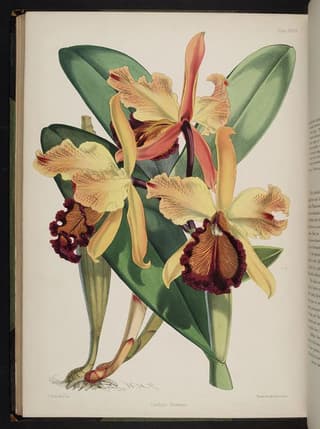
Crimson Cattleya
Cattleya labiata
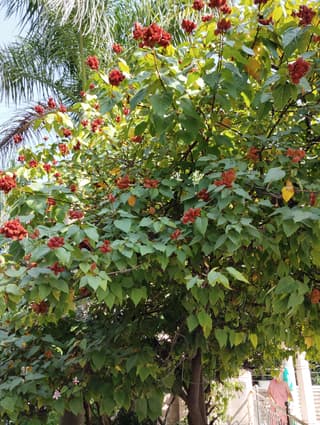
Annatto
Bixa orellana
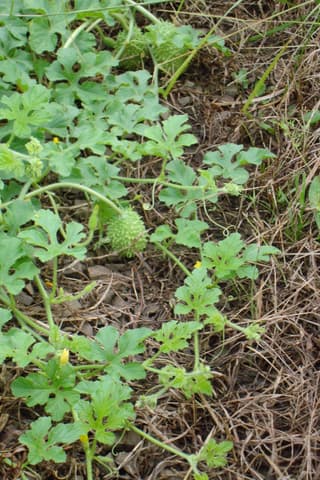
West Indian Gherkin
Cucumis anguria
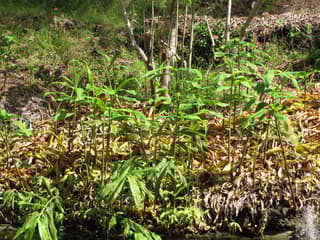
Yellow Marsh Ginger Lily
Hedychium chrysoleucum
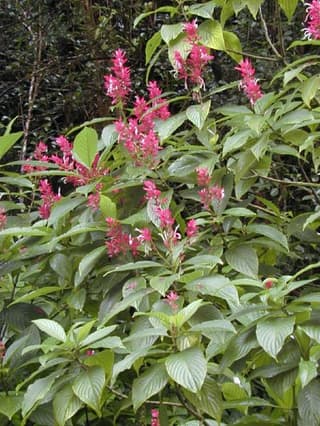
Brazilian Red Cloak
Megaskepasma erythrochlamys
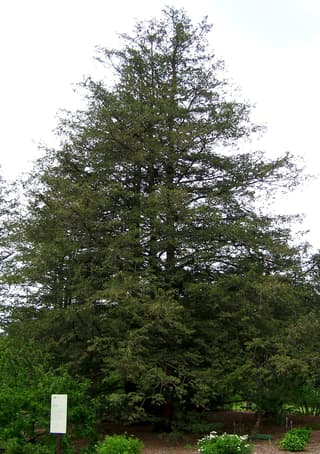
Sawara cypress
Chamaecyparis pisifera
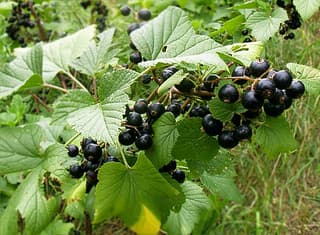
Blackcurrant
Ribes nigrum
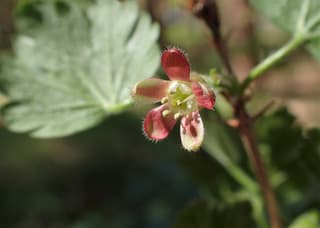
Gooseberry
Ribes uva-crispa
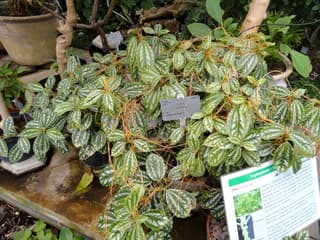
Aluminum Plant
Pilea cadierei
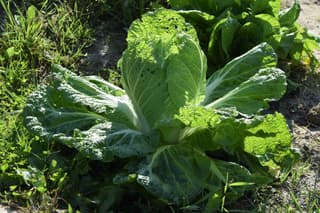
Chinese Cabbage
Brassica rapa pekinensis
Laurel Clockvine
Thunbergia laurifolia
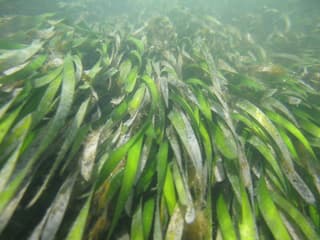
Turtle grass
Thalassia testudinum
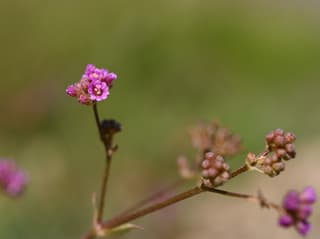
Red Spiderling
Boerhavia diffusa
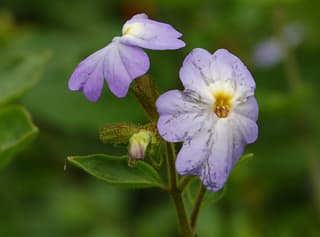
Jamaican Forget-Me-Not
Browallia americana

Cape Primrose
Streptocarpus
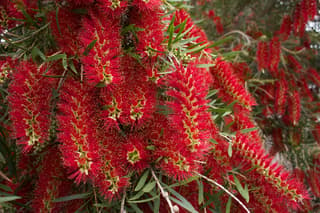
Weeping Bottlebrush
Melaleuca viminalis
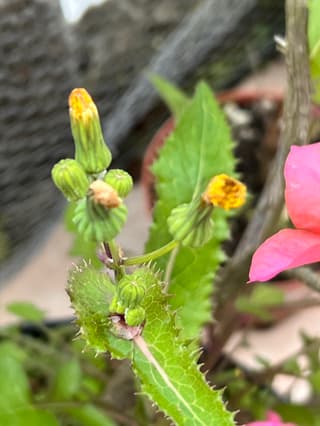
Sow Thistle
Sonchus
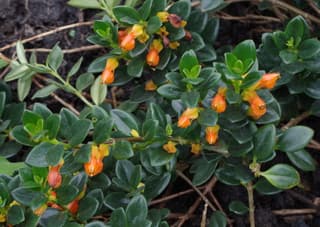
Goldfish Plant
Nematanthus gregarius
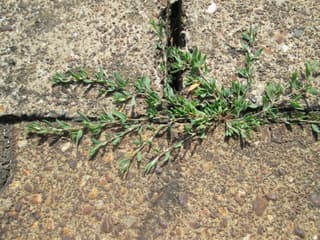
Oval-leaf Knotweed
Polygonum arenastrum
Ideal Pet Safe for São Mateus do Sul's Climate
São Mateus do Sul has an average temperature of 18.1°C and humidity of 81.8%, conditions that directly influence which pet safe best adapt to the local environment.
How to Grow Pet Safe in São Mateus do Sul
To successfully grow pet safe in São Mateus do Sul, consider that the average temperature of 18.1°C and humidity of 81.8% create a specific microclimate. High humidity favors tropical species, but requires attention to ventilation to prevent fungal issues.
Advantages of Choosing Adapted Pet Safe
Pet Safe adapted to São Mateus do Sul's climate show greater resistance, healthy growth, and less need for interventions.