500 Best Easy Care for Sombrio | 2026 Guide - Page 6
The 500 best easy care to grow in Sombrio. Ideal climate: 20°C, 82.9% humidity.
500 Easy Care for Sombrio
Showing 181-216 of 500
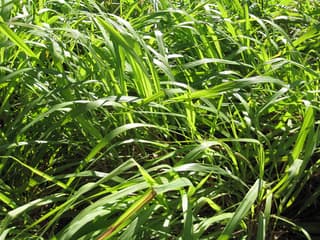
Java Citronella
Cymbopogon winterianus
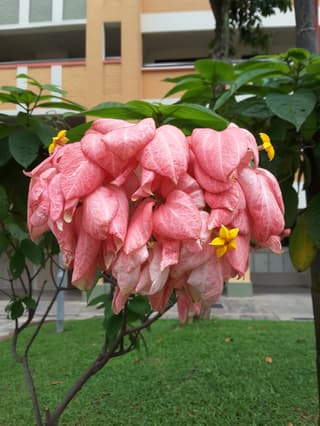
Dona Alicia Mussaenda
Mussaenda alicia
Jamaican Nettle Tree
Trema micrantha
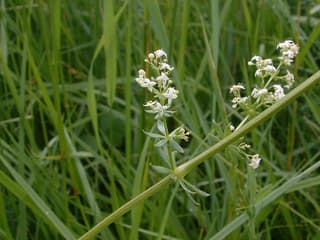
Hedge Bedstraw
Galium mollugo
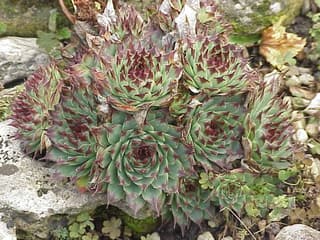
Limestone Houseleek
Sempervivum calcareum

Common Water-plantain
Alisma plantago-aquatica
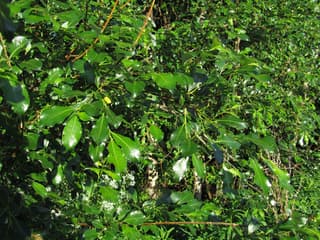
Tea-leaved Willow
Salix phylicifolia
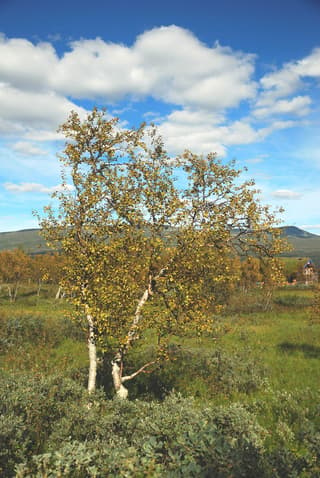
Downy Birch
Betula pubescens
Sand rose
Anacampseros rufescens
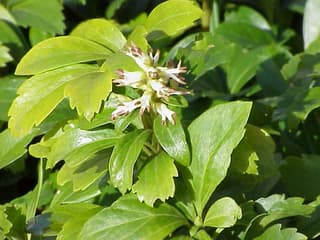
Japanese spurge
Pachysandra terminalis
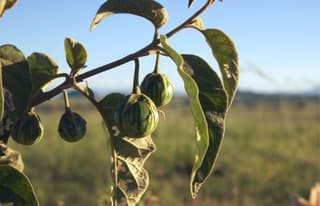
Ethiopian Eggplant
Solanum aethiopicum
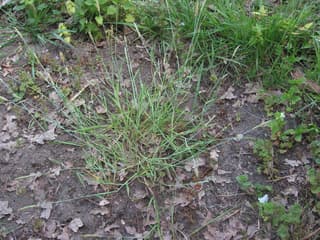
Water Foxtail
Alopecurus geniculatus
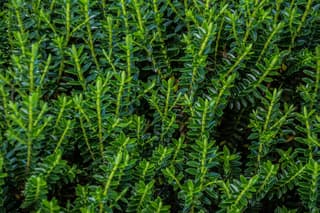
Fragrant Hebe
Hebe odora
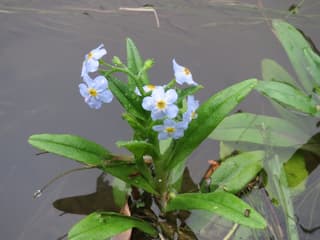
Water Forget-me-not
Myosotis scorpioides

Chinese Violet
Asystasia gangetica
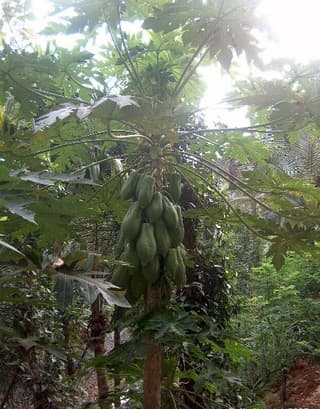
Papaya
Carica papaya

Laurel Clockvine
Thunbergia laurifolia
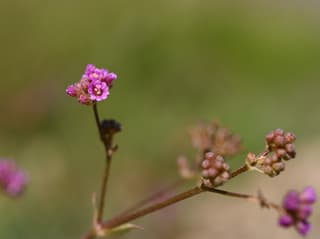
Red Spiderling
Boerhavia diffusa
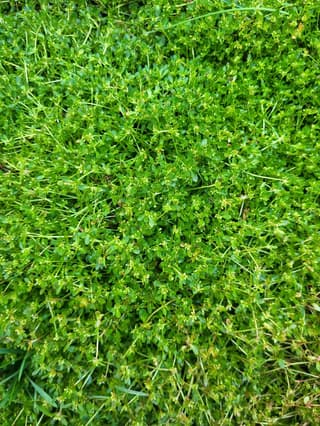
Koenigia (Iceland-Purslane)
Koenigia
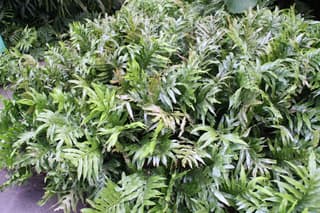
Wart Fern
Phymatosorus scolopendria
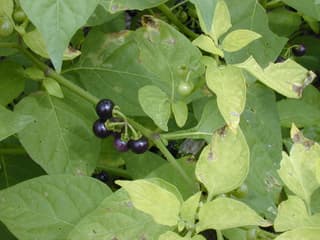
American Black Nightshade
Solanum americanum
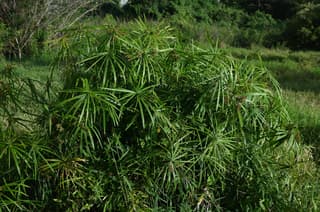
Umbrella Sedge
Cyperus
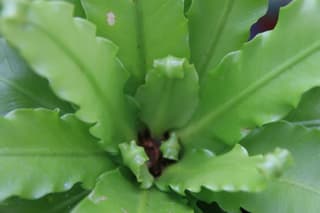
Japanese Bird's Nest Fern
Asplenium antiquum
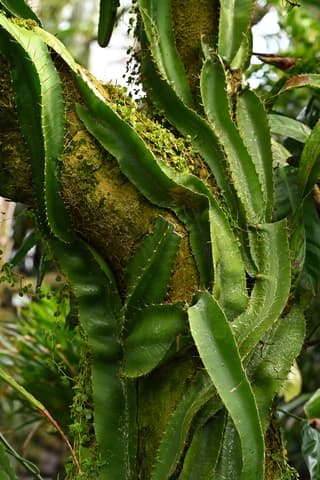
Climbing Cactus
Epiphyllum phyllanthus
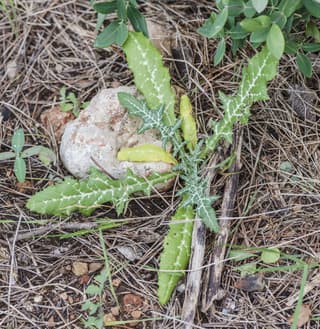
Common Sowthistle
Sonchus oleraceus
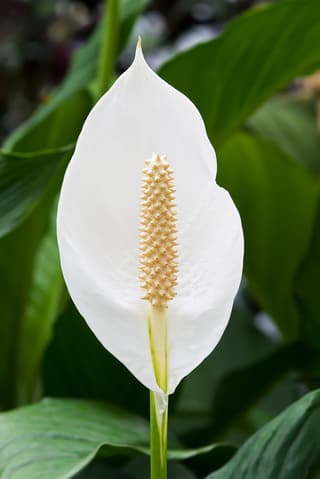
Peace Lily
Spathiphyllum wallisii

Sky Plant
Tillandsia ionantha
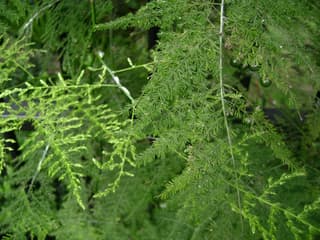
Lace Fern
Asparagus setaceus
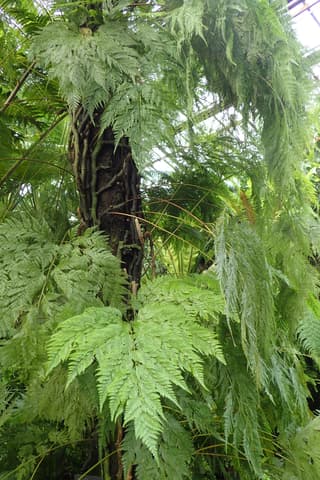
Rabbit's Foot Fern
Davallia fejeensis
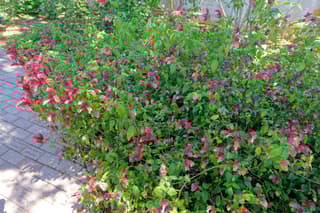
Shrimp Plant
Justicia brandegeeana

Bangalow Palm
Archontophoenix cunninghamiana
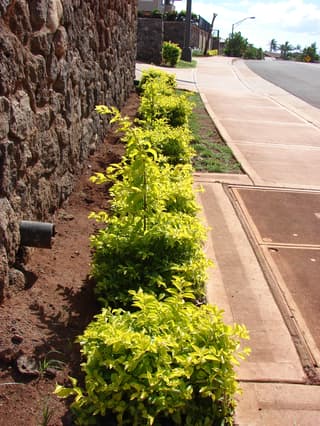
Golden Dewdrop
Duranta erecta
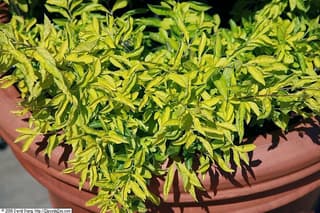
Golden Dewdrop
Duranta erecta aurea

New Guinea Impatiens
Impatiens hawkeri
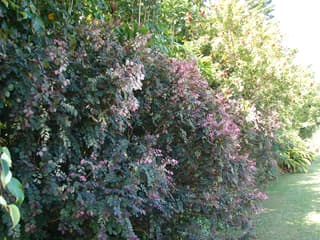
Snowbush
Breynia disticha
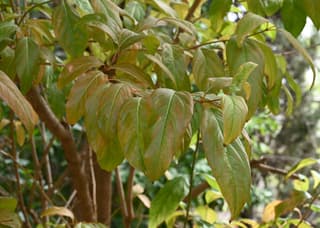
Fiddlewood
Citharexylum spinosum
Ideal Easy Care for Sombrio's Climate
Sombrio has an average temperature of 20°C and humidity of 82.9%, conditions that directly influence which easy care best adapt to the local environment.
How to Grow Easy Care in Sombrio
To successfully grow easy care in Sombrio, consider that the average temperature of 20°C and humidity of 82.9% create a specific microclimate. High humidity favors tropical species, but requires attention to ventilation to prevent fungal issues.
Advantages of Choosing Adapted Easy Care
Easy Care adapted to Sombrio's climate show greater resistance, healthy growth, and less need for interventions.