500 Best Pet Safe for Tangará da Serra | 2026 Guide - Page 12
The 500 best pet safe to grow in Tangará da Serra. Ideal climate: 25.5°C, 71.2% humidity.
500 Pet Safe for Tangará da Serra
Showing 397-432 of 500
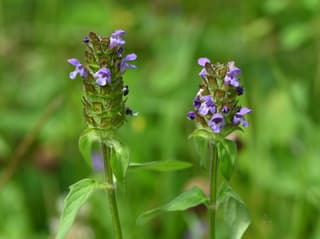
Self-Heal
Prunella vulgaris
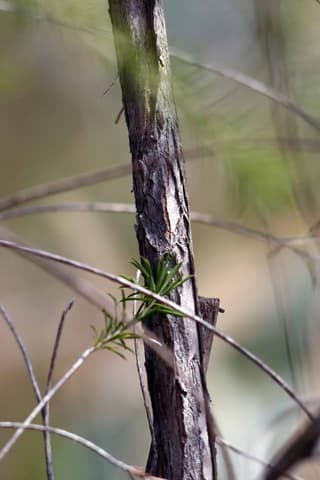
Bracelet Honey Myrtle
Melaleuca armillaris
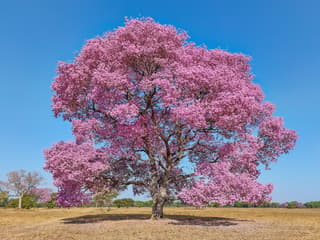
Trumpet Tree
Handroanthus
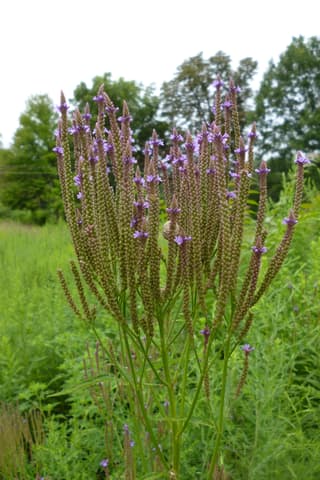
Blue Vervain
Verbena hastata
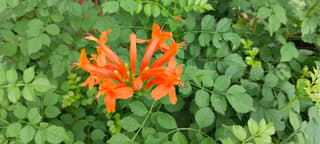
Cape Honeysuckle
Tecoma capensis
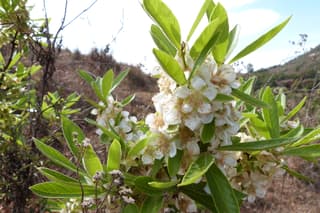
Guabiroba
Campomanesia pubescens
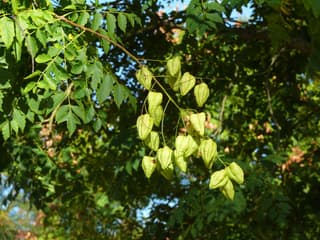
Golden Rain Tree
Koelreuteria paniculata
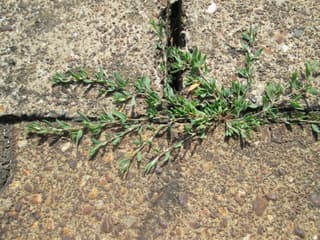
Oval-leaf Knotweed
Polygonum arenastrum
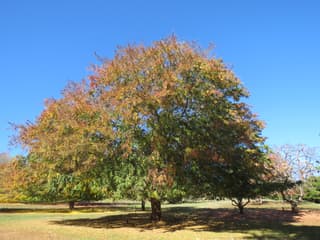
Chinese Elm
Ulmus parvifolia

Areca palm
Chrysalidocarpus lutescens
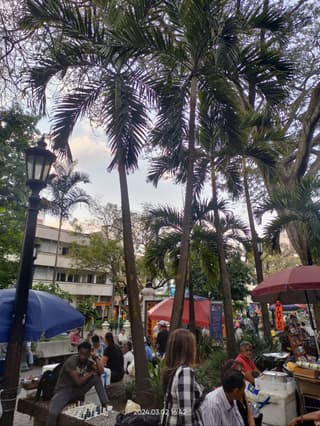
Dypsis Palm
Dypsis
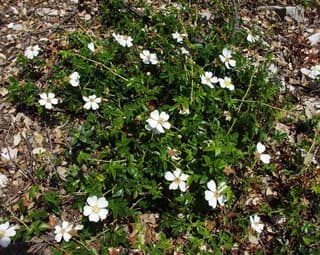
Evergreen Rose
Rosa sempervirens
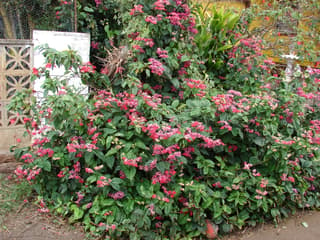
Red Bleeding Heart Vine
Clerodendrum × speciosum
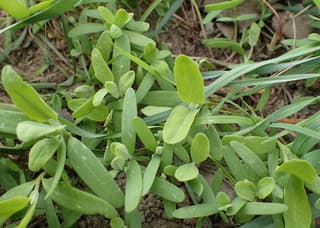
Common Orache
Atriplex patula
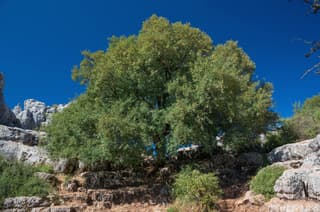
Montpellier maple
Acer monspessulanum
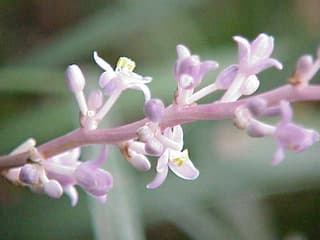
White Lilyturf
Ophiopogon jaburan
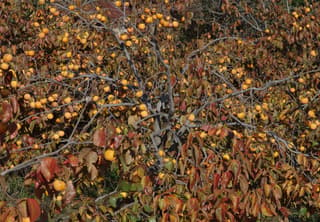
Japanese Persimmon
Diospyros kaki
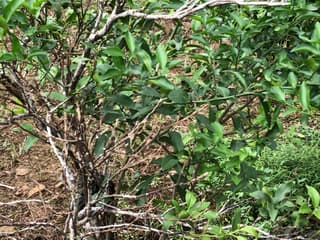
Kumquat
Citrus japonica
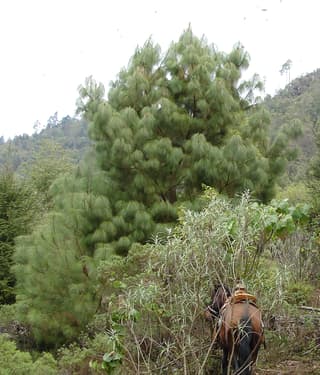
Smooth-bark Mexican Pine
Pinus pseudostrobus
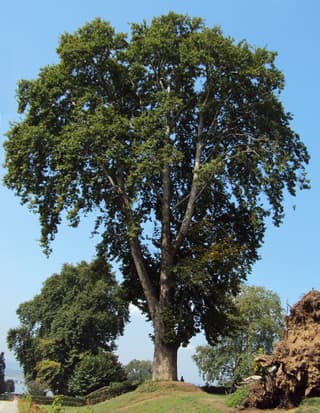
Plane Tree
Platanus
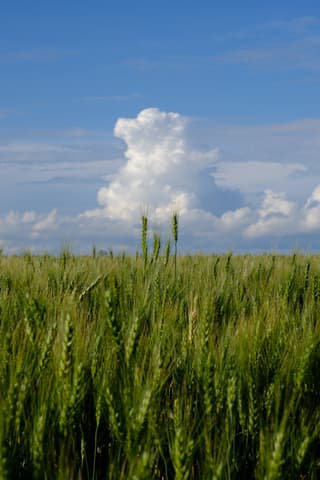
Common wheat
Triticum aestivum
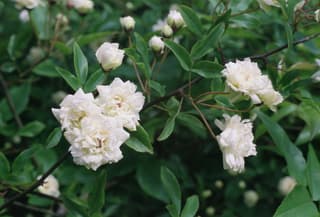
Lady Banks' Rose
Rosa banksiae
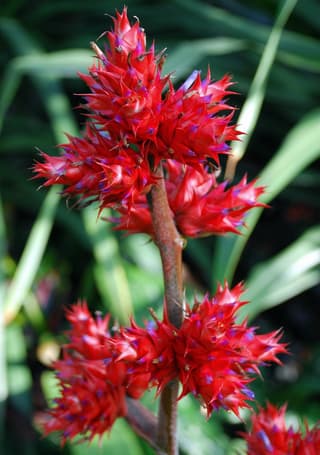
Hohenbergia
Hohenbergia
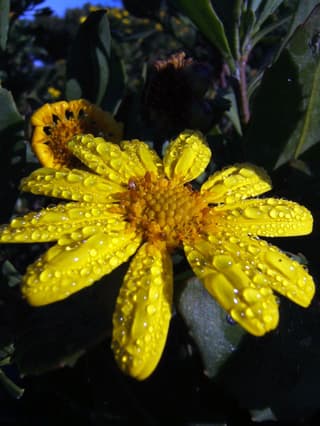
Bietou
Osteospermum moniliferum
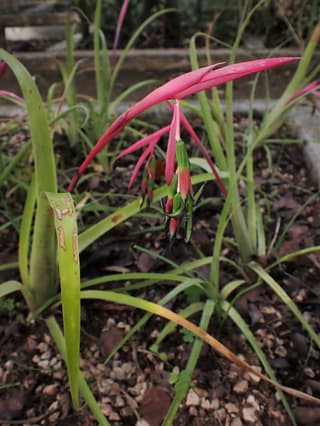
Queen's Tears
Billbergia nutans
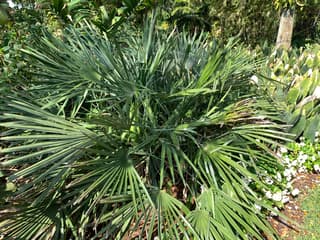
Needle Palm
Rhapidophyllum hystrix
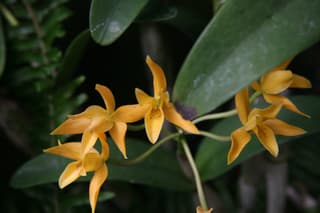
Orange Cattleya
Guarianthe aurantiaca
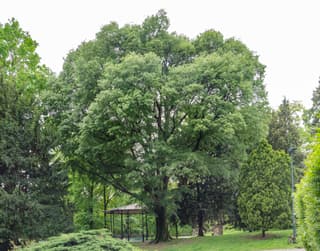
European Nettle Tree
Celtis australis
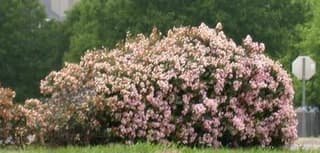
Indian Hawthorn
Rhaphiolepis indica
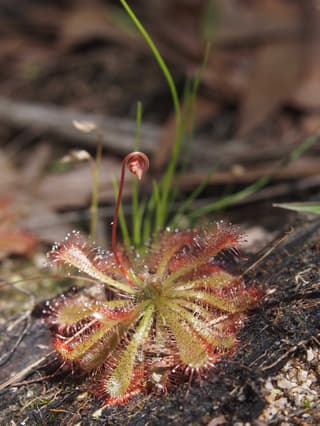
Spoon-leaved sundew
Drosera spatulata
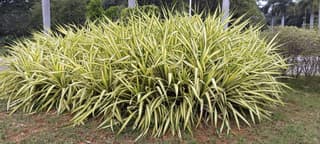
Screw Pine
Pandanus
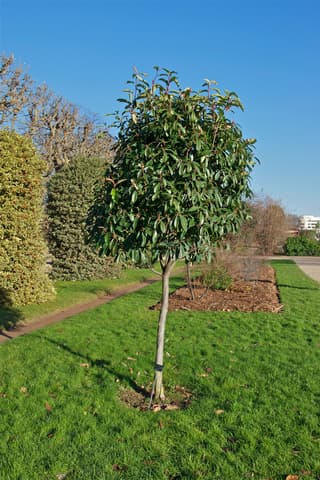
Chinese Photinia
Photinia serratifolia
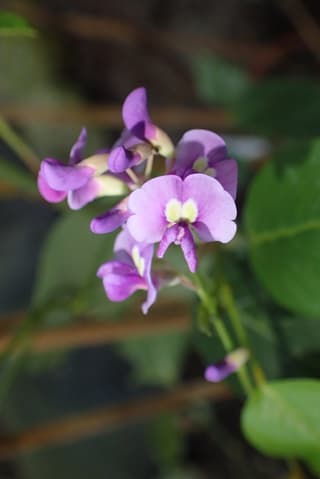
Purple Coral Pea
Hardenbergia violacea
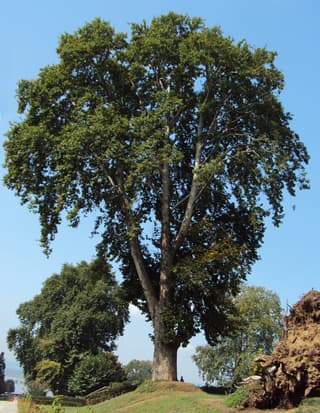
Oriental Plane
Platanus orientalis
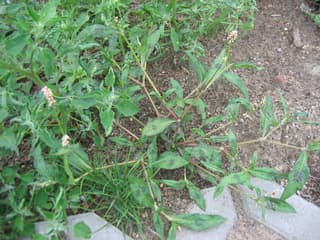
Lady's Thumb
Persicaria maculosa
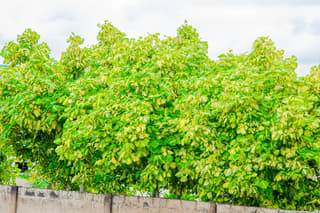
Southern Catalpa
Catalpa bignonioides
Ideal Pet Safe for Tangará da Serra's Climate
Tangará da Serra has an average temperature of 25.5°C and humidity of 71.2%, conditions that directly influence which pet safe best adapt to the local environment.
How to Grow Pet Safe in Tangará da Serra
To successfully grow pet safe in Tangará da Serra, consider that the average temperature of 25.5°C and humidity of 71.2% create a specific microclimate. High humidity favors tropical species, but requires attention to ventilation to prevent fungal issues.
Advantages of Choosing Adapted Pet Safe
Pet Safe adapted to Tangará da Serra's climate show greater resistance, healthy growth, and less need for interventions.