500 Best Easy Care for Cellole | 2026 Guide - Page 14
The 500 best easy care to grow in Cellole. Ideal climate: 16.7°C, 76.2% humidity.
500 Easy Care for Cellole
Showing 469-500 of 500

Red Leea
Leea guineensis
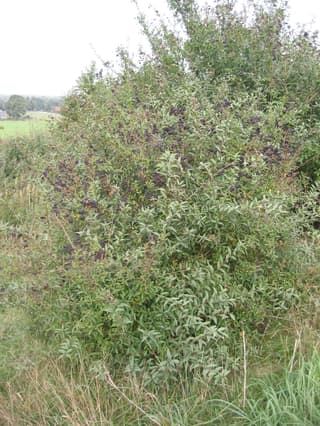
Common Privet
Ligustrum vulgare
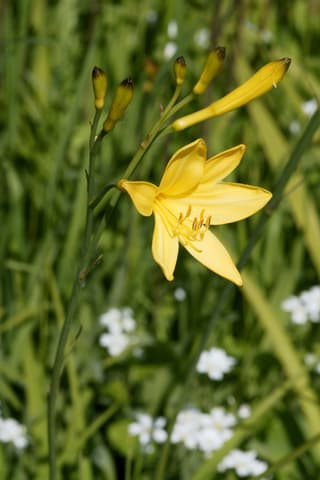
Orange daylily
Hemerocallis fulva
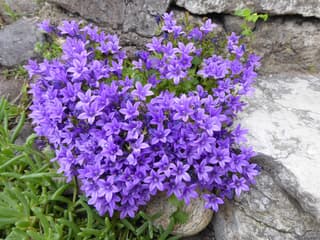
Dalmatian Bellflower
Campanula portenschlagiana

Common boxwood
Buxus sempervirens
Speedwell
Veronica
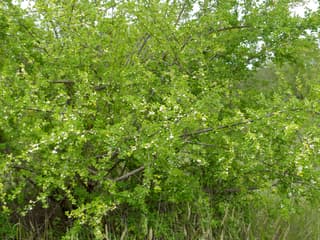
White-Berry Bush
Flueggea virosa
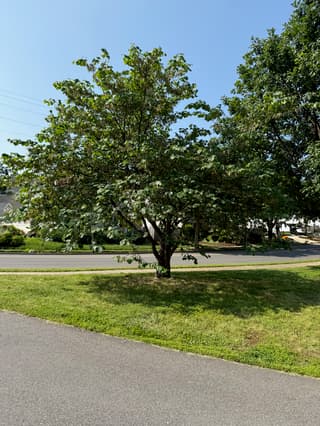
Eastern Redbud
Cercis canadensis
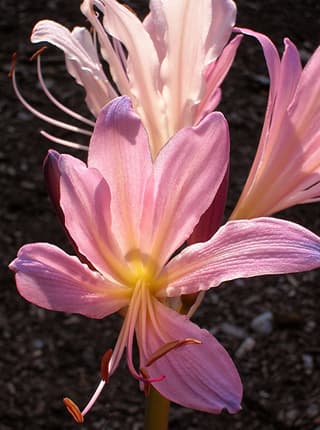
Resurrection lily
Lycoris squamigera
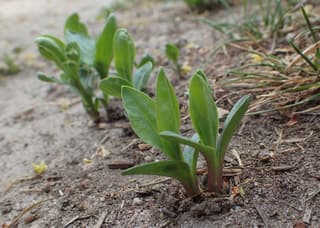
Soapwort
Saponaria officinalis
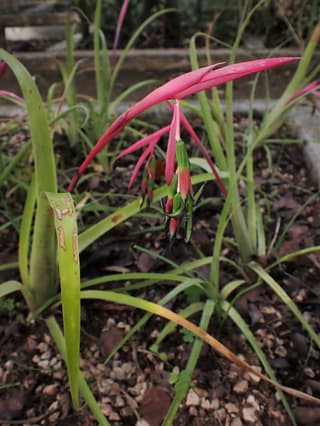
Queen's Tears
Billbergia nutans
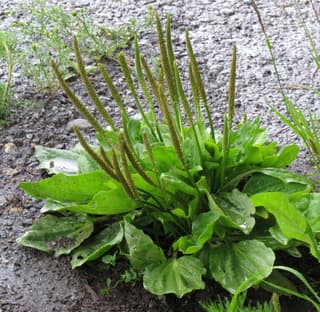
Broadleaf Plantain
Plantago major
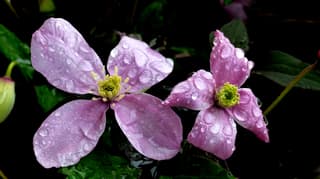
Anemone Clematis
Clematis montana
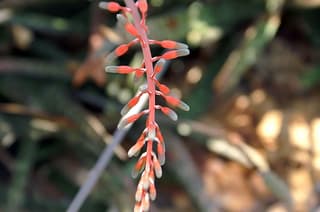
Ox tongue
Gasteria bicolor
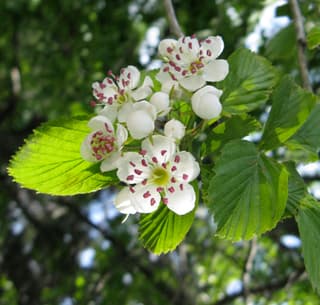
Dotted Hawthorn
Crataegus punctata
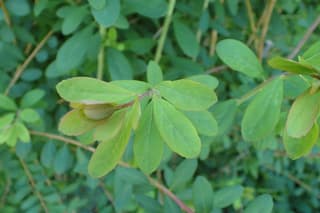
Japanese Spiraea
Spiraea japonica
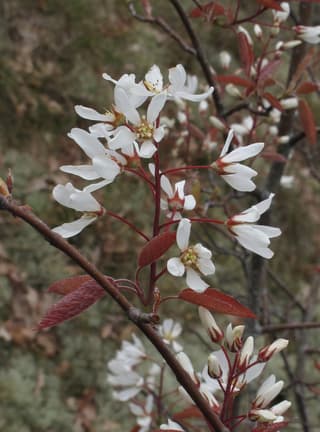
Serviceberry
Amelanchier

Sycamore Maple
Acer pseudoplatanus
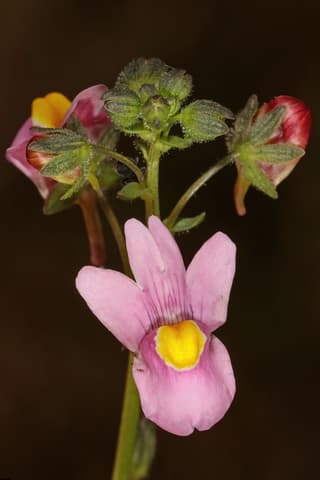
Mauve Nemesia
Nemesia fruticans

European Hornbeam
Carpinus betulus
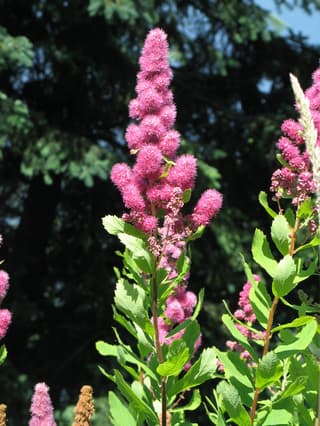
Douglas Spirea
Spiraea douglasii

Chocolate Vine
Akebia quinata
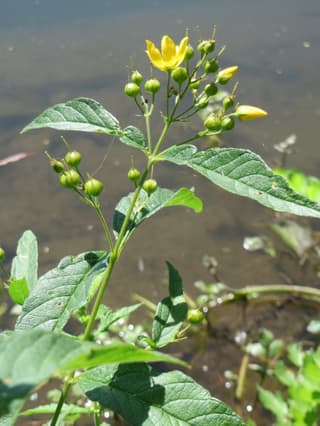
Loosestrife
Lysimachia

White Oak
Quercus alba
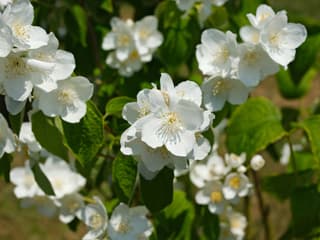
Scentless Mock Orange
Philadelphus inodorus
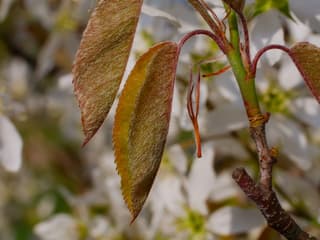
Juneberry
Amelanchier × lamarckii

Pineapple Mint
Mentha suaveolens
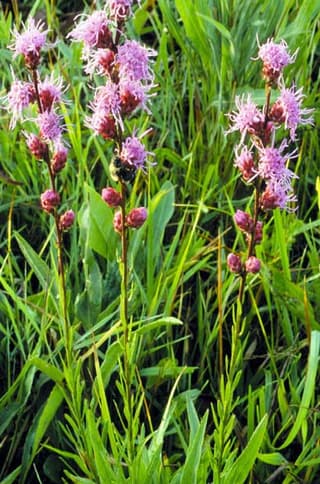
Rough Blazing Star
Liatris aspera
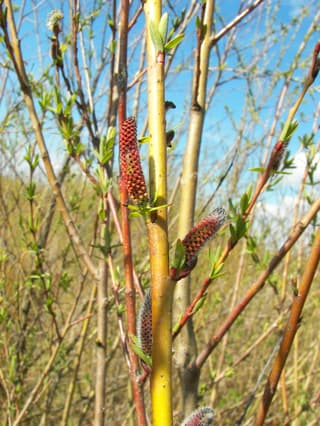
Purple Willow
Salix purpurea

Siberian Elm
Ulmus pumila
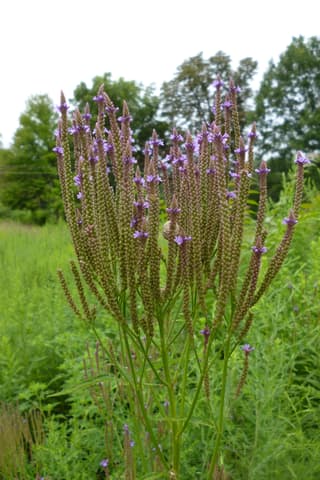
Blue Vervain
Verbena hastata
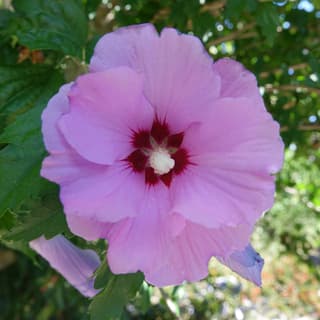
Rose of Sharon
Hibiscus syriacus
Ideal Easy Care for Cellole's Climate
Cellole has an average temperature of 16.7°C and humidity of 76.2%, conditions that directly influence which easy care best adapt to the local environment.
How to Grow Easy Care in Cellole
To successfully grow easy care in Cellole, consider that the average temperature of 16.7°C and humidity of 76.2% create a specific microclimate. High humidity favors tropical species, but requires attention to ventilation to prevent fungal issues.
Advantages of Choosing Adapted Easy Care
Easy Care adapted to Cellole's climate show greater resistance, healthy growth, and less need for interventions.