500 Best Plants for Congonhas | 2026 Guide - Page 4
Discover the 500 ideal plants for Congonhas's climate. Average temp: 20.6°C, Humidity: 75.4%.
Top 500 Plants for Congonhas
Showing 109-144 of 500
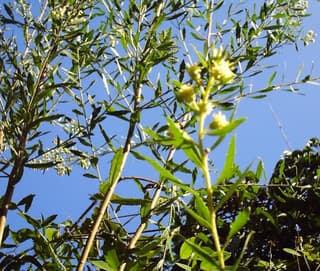
Field Rosemary
Baccharis dracunculifolia
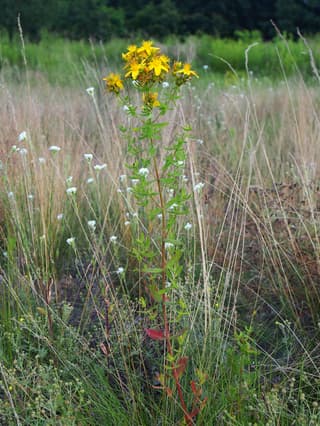
St. John's Wort
Hypericum
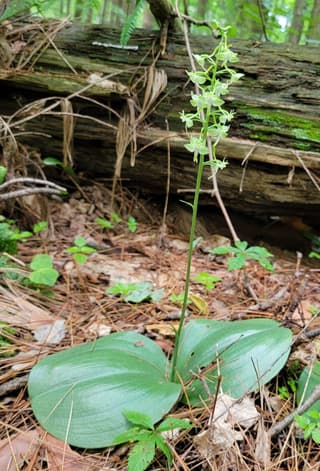
Large Round-leaved Orchid
Platanthera orbiculata
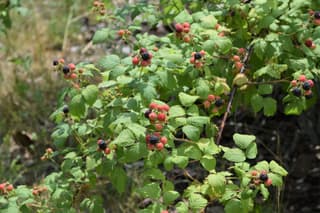
Black Raspberry
Rubus occidentalis
Pleated Inkcap
Parasola
Lattice Stinkhorn
Clathrus crispatus
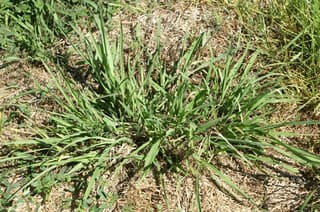
Dallisgrass
Paspalum dilatatum
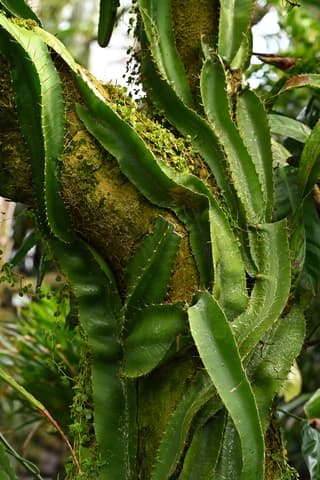
Climbing Cactus
Epiphyllum phyllanthus
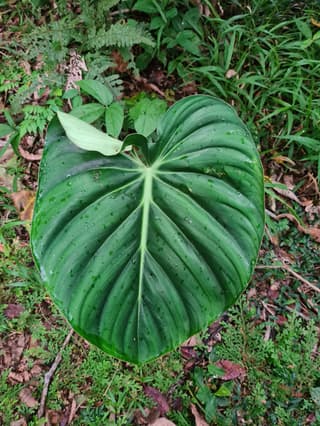
Philodendron Pastazanum
Philodendron pastazanum
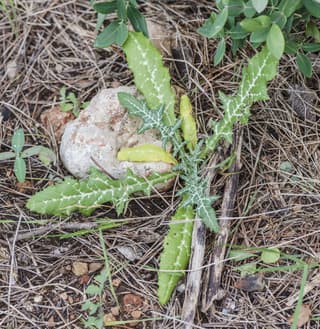
Common Sowthistle
Sonchus oleraceus
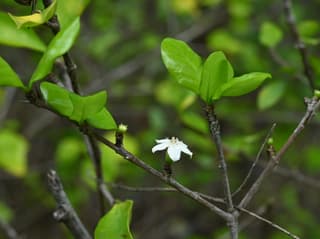
White Indigoberry
Randia aculeata
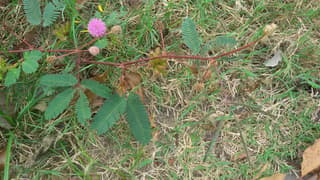
Sensitive Plant
Mimosa pudica
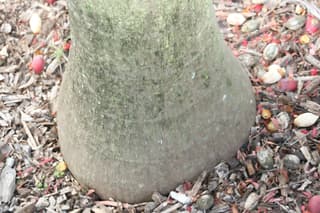
Montgomery Palm
Veitchia arecina
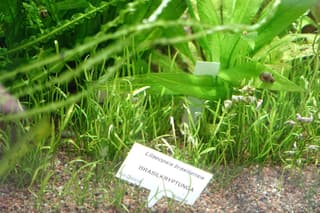
Micro Sword
Lilaeopsis brasiliensis
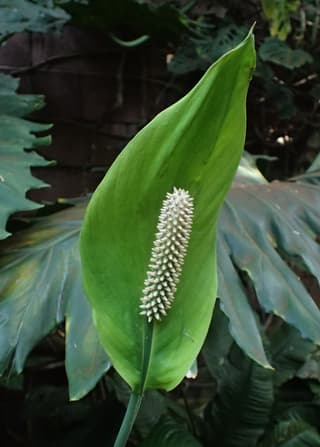
Peace Lily
Spathiphyllum blandum
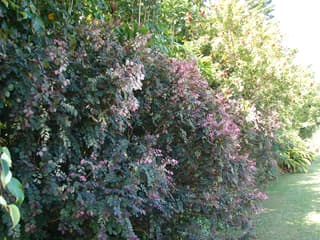
Snowbush
Breynia disticha
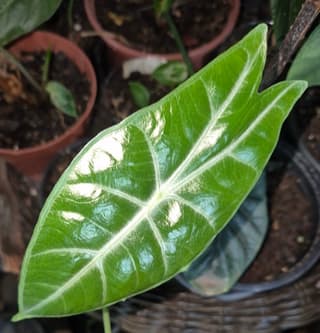
Dragon Scale Alocasia
Alocasia longiloba
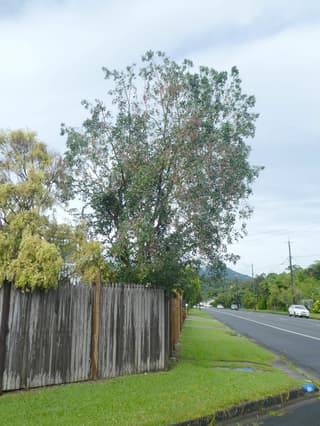
Brush Cherry
Eugenia myrtifolia
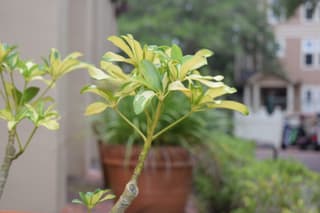
Umbrella Tree
Heptapleurum
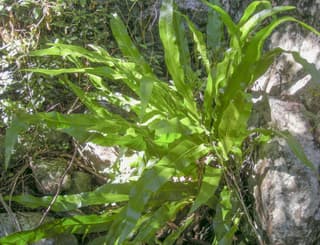
Fishtail Fern
Microsorum punctatum
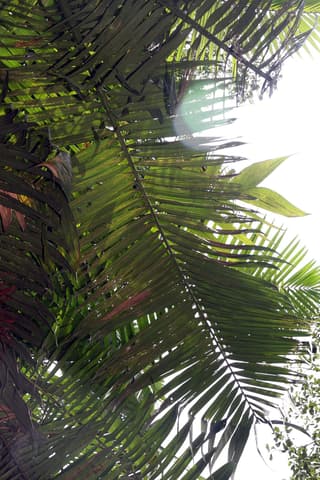
Breadnut
Brosimum alicastrum
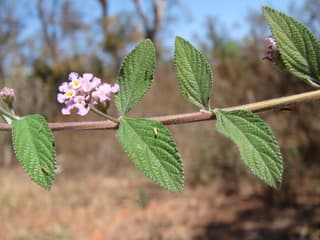
Bushy Lippia
Lippia alba
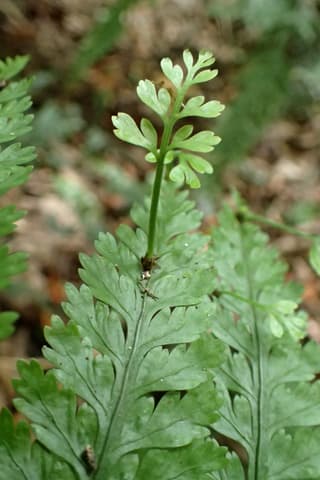
Hen and Chickens Fern
Asplenium bulbiferum
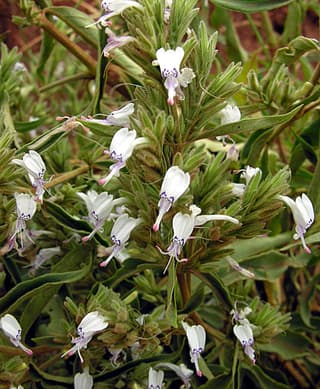
White Ribbon Bush
Hypoestes forskaolii
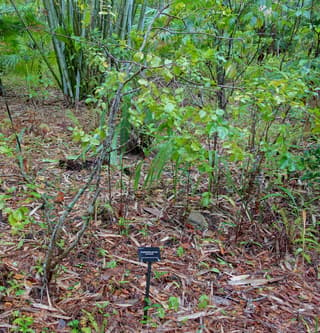
Black Ironwood
Krugiodendron ferreum
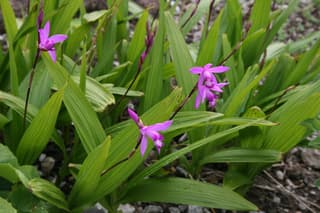
Chinese Ground Orchid
Bletilla striata
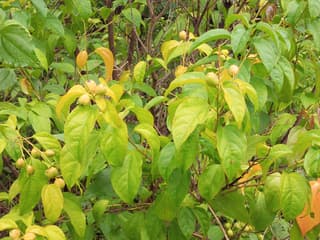
Croton
Croton
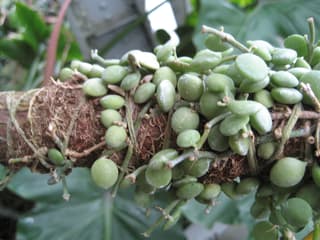
String of Nickels
Dischidia nummularia
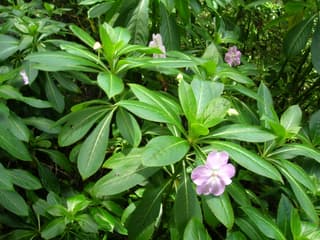
Poor Man's Rhododendron
Impatiens sodenii
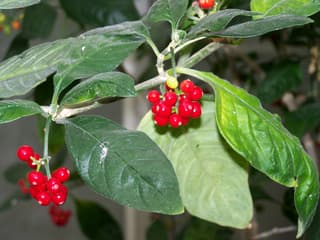
Wild Coffee
Psychotria
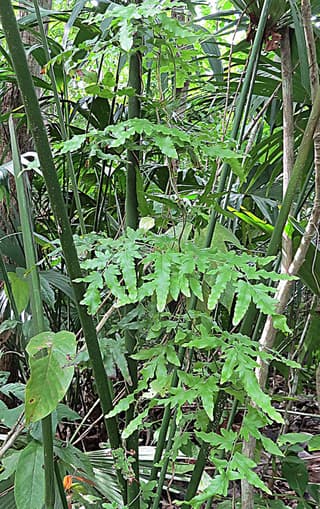
Climbing Fern
Lygodium venustum
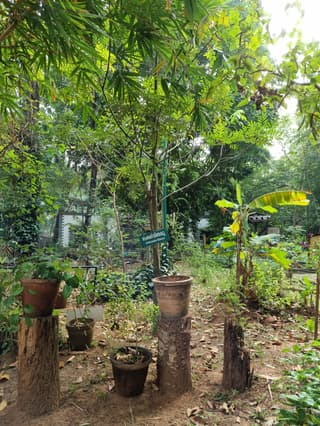
Bitterwood
Simarouba glauca
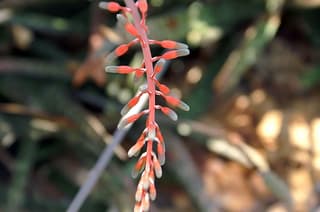
Ox tongue
Gasteria bicolor
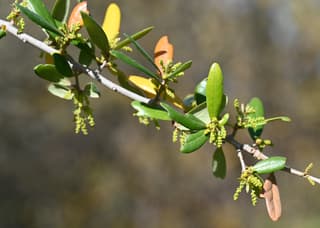
Southern Live Oak
Quercus virginiana
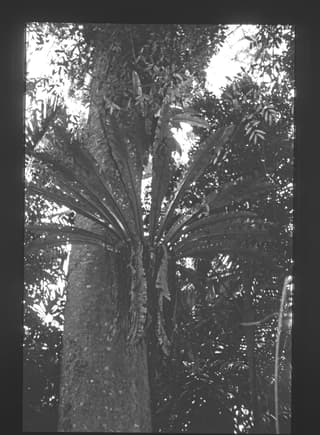
Birds Nest Fern
Asplenium australasicum
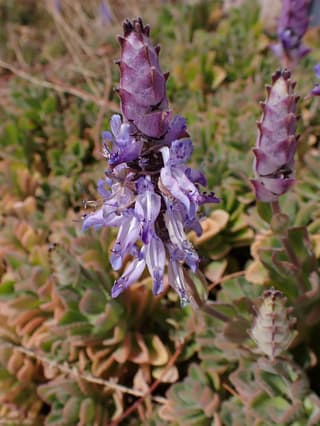
Scaredy Cat Plant
Coleus caninus
Congonhas Climate for Plant Growing
Congonhas has a climate with an average annual temperature of 20.6°C and average relative humidity of 75.4%. These climate conditions are ideal for various species of ornamental and fruit plants.
Tips for Growing Plants in Congonhas
To succeed in growing plants in Congonhas, consider the average temperature of 20.6°C when choosing your species. The temperate climate allows you to grow a wide variety of species. High humidity favors tropical plants, but watch for fungal issues.
Why Choose Plants Adapted to the Local Climate?
Plants adapted to Congonhas's climate require less care, consume less water, and are more likely to thrive. Our selection considers the compatibility between each species' needs and local climate conditions, including temperature (20.6°C) and humidity (75.4%).