117 Best Orchids for Cranston | 2026 Guide - Page 3
The 117 best orchids to grow in Cranston. Ideal climate: 11.8°C, 72.4% humidity.
117 Orchids for Cranston
Showing 73-108 of 117
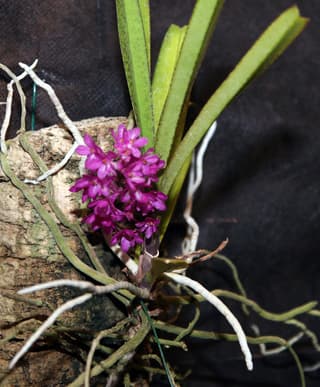
Ascocentrum orchid
Ascocentrum
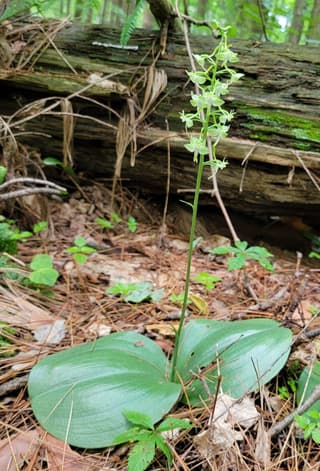
Large Round-leaved Orchid
Platanthera orbiculata
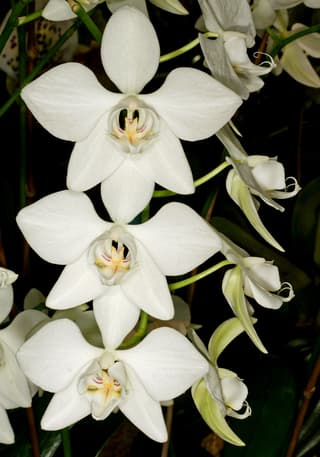
Moth Orchid
Phalaenopsis aphrodite
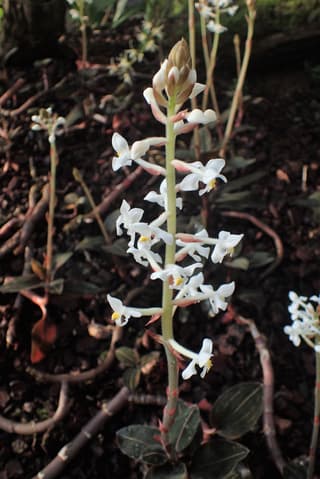
Jewel Orchid
Ludisia discolor
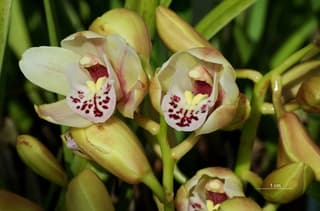
Cymbidium orchid
Cymbidium
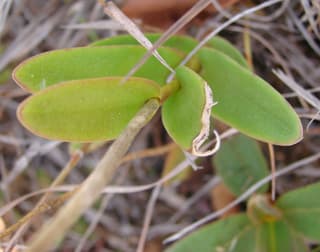
Crucifix Orchid
Epidendrum secundum
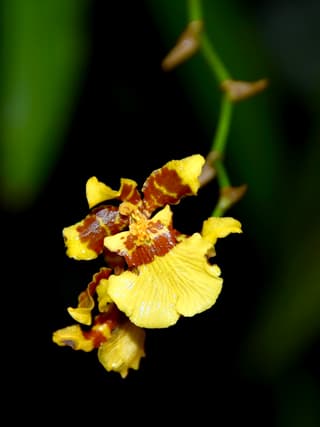
Golden Shower Orchid
Oncidium sphacelatum
Miltassia orchid
Bratonia Charles M. Fitch
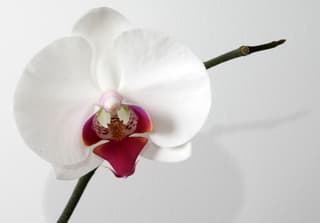
Orchid
Orchidaceae
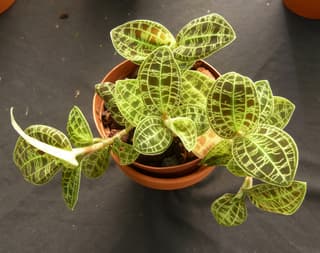
Jewel Orchid
Macodes petola
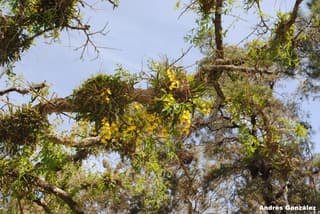
Dancing-lady orchid
Gomesa bifolia
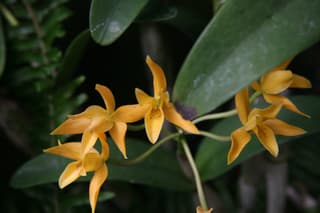
Orange Cattleya
Guarianthe aurantiaca
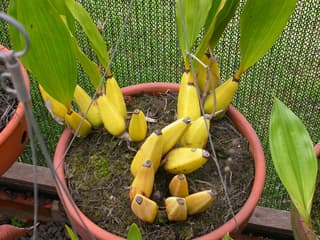
Harrison's Bifrenaria
Bifrenaria harrisoniae
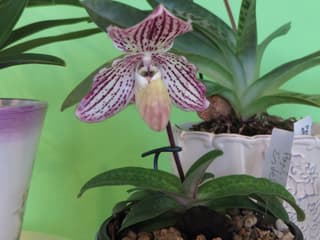
Lady Slipper Orchid
Paphiopedilum sp
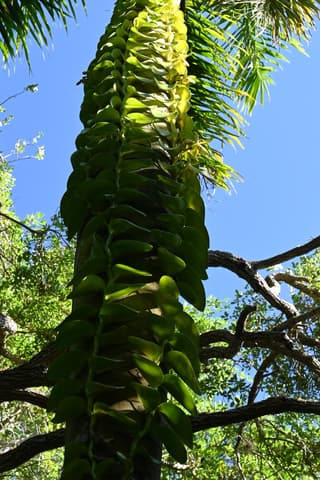
Vanilla Orchid
Vanilla planifolia
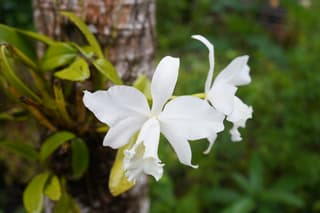
Corsage Orchid
Cattleya
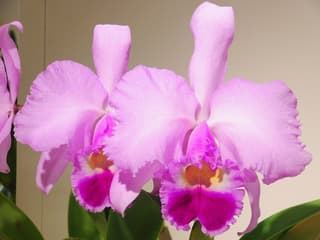
Christmas Orchid
Cattleya trianae
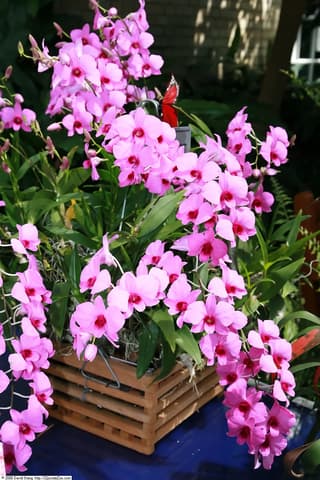
Cooktown Orchid
Dendrobium bigibbum
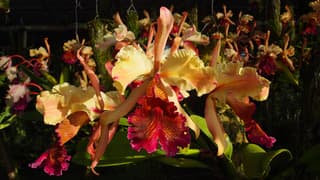
Jiminy Cricket Cattleya Orchid
Rhyncovola Jiminy Cricket x Cattleya dowiana
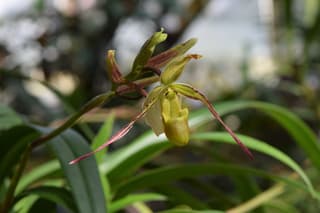
South American Slipper Orchid
Phragmipedium
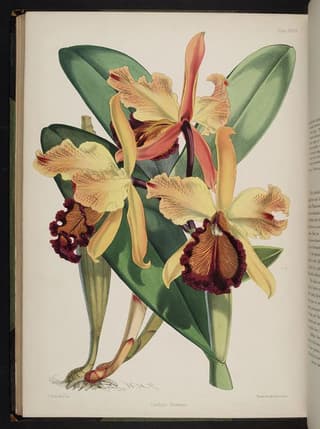
Crimson Cattleya
Cattleya labiata
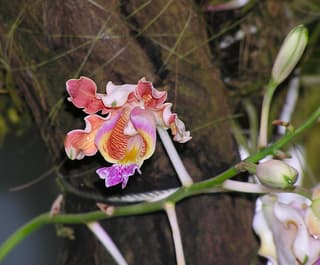
Cow Horn Orchid
Myrmecophila tibicinis
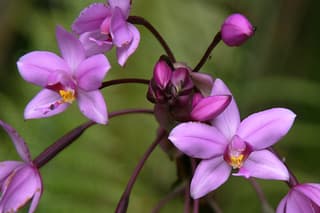
Philippine Ground Orchid
Spathoglottis plicata
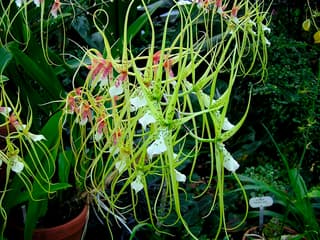
Spider Orchid
Brassia

Palm Vanilla Orchid
Vanilla palmarum
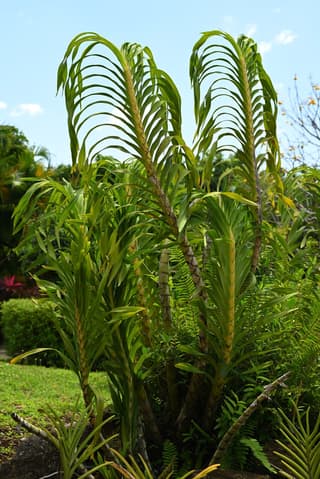
Giant orchid (Grammatophyllum)
Grammatophyllum
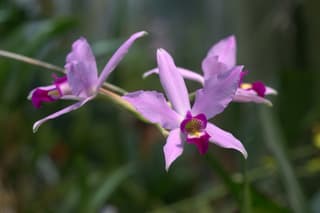
Laelia Orchid
Laelia
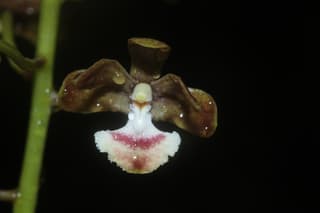
Virot's Dendrobium
Dendrobium virotii
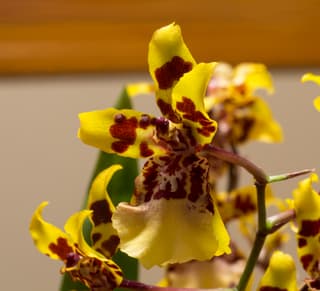
Dancing Lady Orchid (genus)
Oncidium
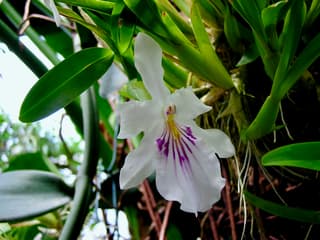
Miltonia Orchid (genus)
Miltonia
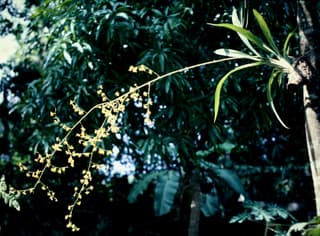
Bauer's Dancing Lady Orchid
Oncidium baueri
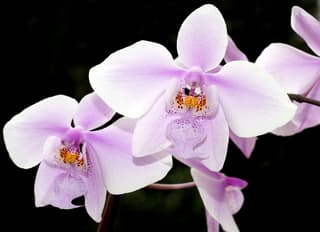
Schiller's Moth Orchid
Phalaenopsis schilleriana
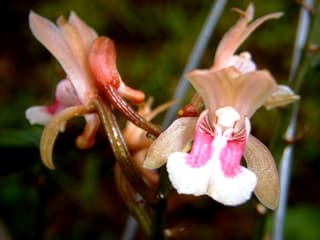
Monk Orchid
Oeceoclades maculata
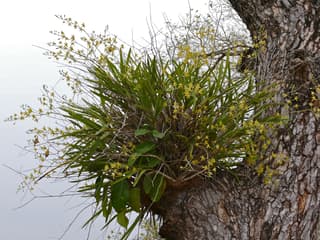
Leopard Orchid
Ansellia africana
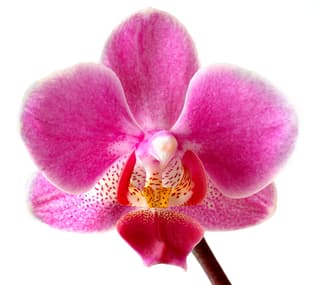
Moth Orchid
Phalaenopsis
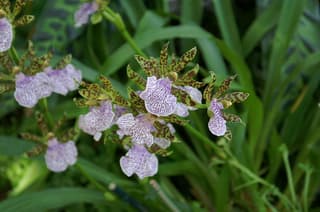
Zygopetalum Orchid (genus)
Zygopetalum
Ideal Orchids for Cranston's Climate
Cranston has an average temperature of 11.8°C and humidity of 72.4%, conditions that directly influence which orchids best adapt to the local environment.
How to Grow Orchids in Cranston
To successfully grow orchids in Cranston, consider that the average temperature of 11.8°C and humidity of 72.4% create a specific microclimate. High humidity favors tropical species, but requires attention to ventilation to prevent fungal issues.
Advantages of Choosing Adapted Orchids
Orchids adapted to Cranston's climate show greater resistance, healthy growth, and less need for interventions.