393 Best Succulents for Ginosa | 2026 Guide - Page 4
The 393 best succulents to grow in Ginosa. Ideal climate: 17.4°C, 68.8% humidity.
393 Succulents for Ginosa
Showing 109-144 of 393
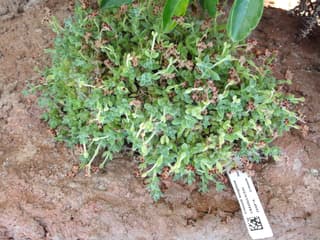
Woolly Crassula
Crassula lanuginosa
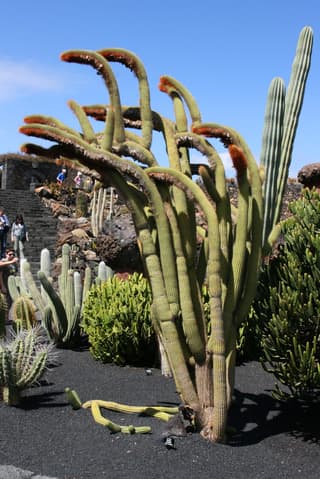
Espostoa guentheri
Espostoa guentheri
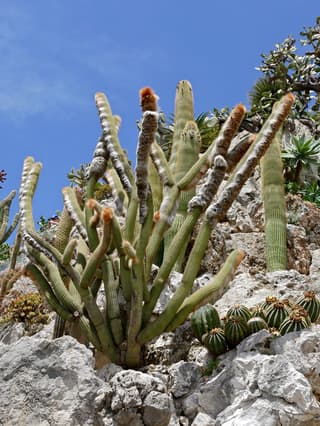
Red Fox Tail Cactus
Vatricania guentheri
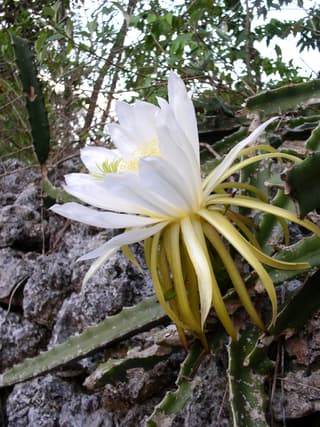
Strawberry Pear
Selenicereus triangularis
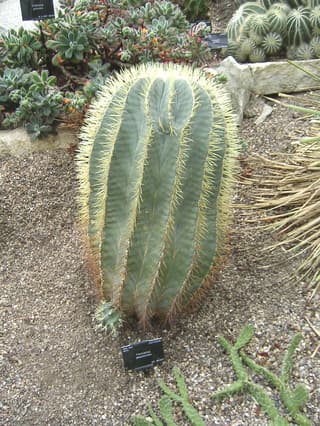
Blue Barrel Cactus
Ferocactus glaucescens
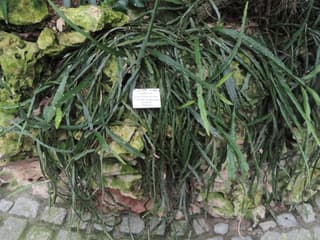
Lepismium cruciforme
Lepismium cruciforme

Beach Apple Cactus
Cereus fernambucensis
Guatemalan Dragon Fruit
Hylocereus guatemalensis
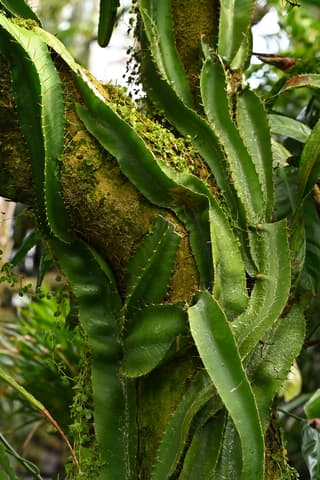
Climbing Cactus
Epiphyllum phyllanthus

Bride Cactus
Rhipsalis elliptica

Two-row Stonecrop
Sedum spurium
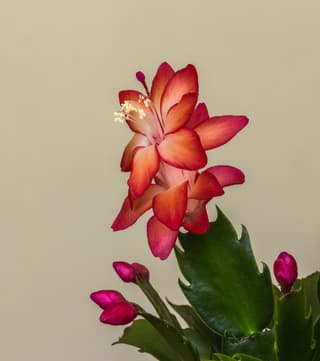
Christmas Cactus
Schlumbergera
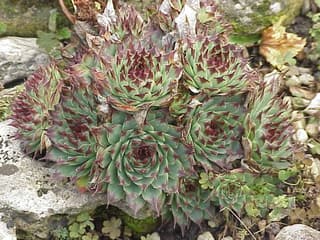
Limestone Houseleek
Sempervivum calcareum
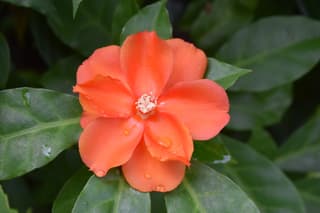
Leaf Cactus
Leuenbergeria
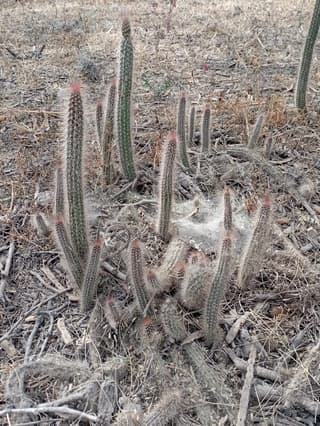
Snake Cactus, Junco, Queen of the Night
Nyctocereus serpentinus
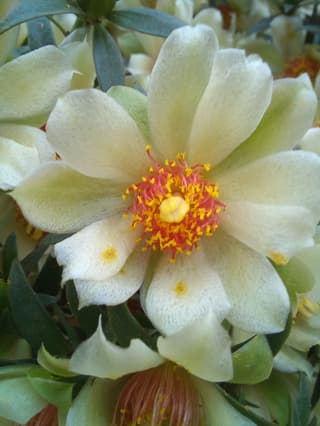
Ora-pro-nobis
Pereskia aculeata
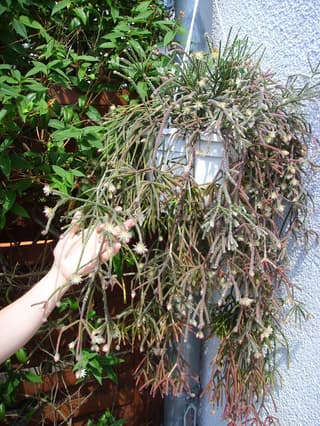
Hairy-stemmed Rhipsalis
Rhipsalis pilocarpa
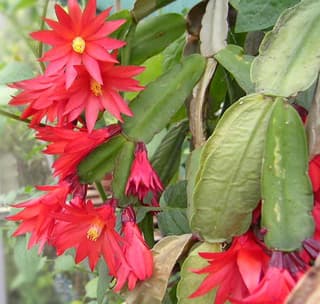
Easter Cactus
Hatiora gaertneri
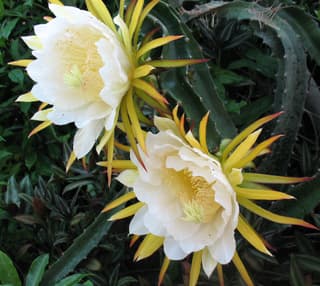
Red Pitaya
Hylocereus costaricensis
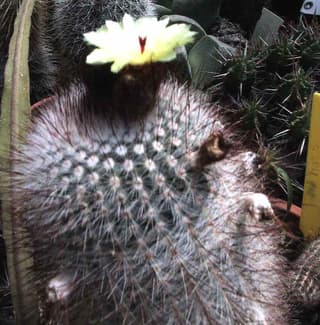
Silver Ball Cactus
Parodia scopa
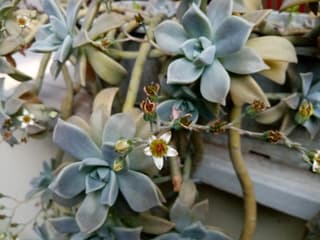
Ghost Plant
Graptopetalum
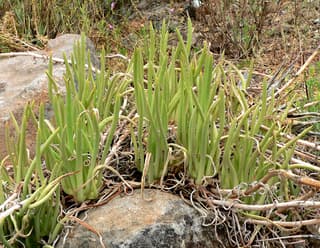
Fingertips
Dudleya edulis
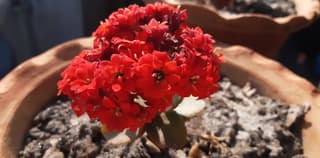
Flaming Katy
Kalanchoe blossfeldiana
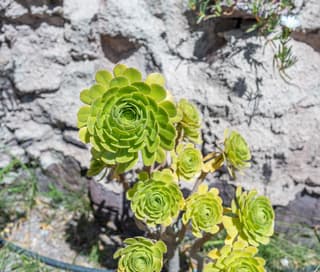
Stalked Aeonium
Aeonium undulatum
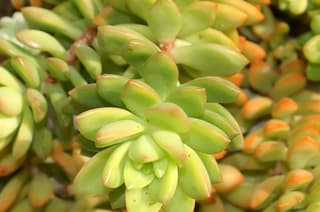
Golden Sedum
Sedum adolphi
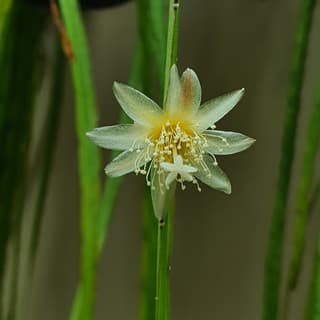
Bolivian Forest Cactus
Pfeiffera boliviana
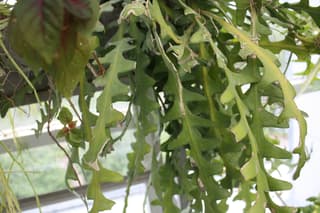
Ric Rac Cactus
Selenicereus anthonyanus
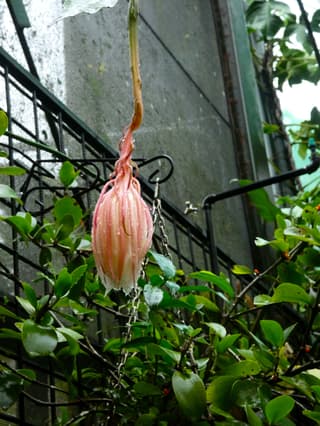
Orchid Cactus
Epiphyllum
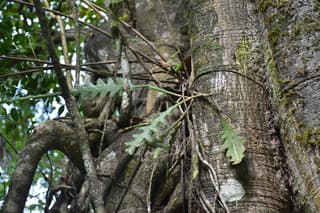
Fishbone Cactus
Disocactus anguliger
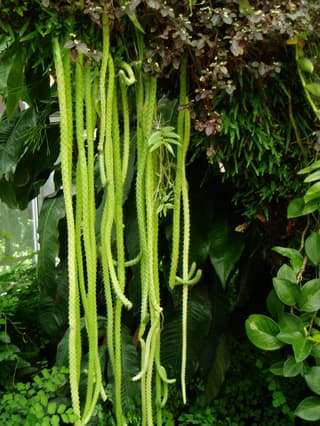
Rat Tail Cactus
Disocactus flagelliformis
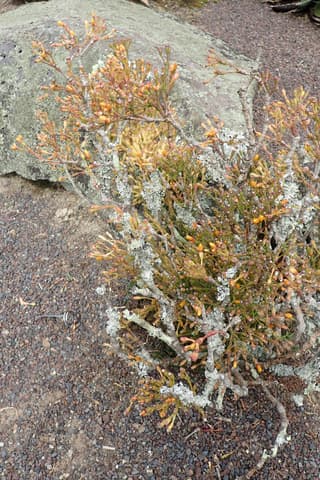
Dancing bones cactus
Hatiora salicornioides
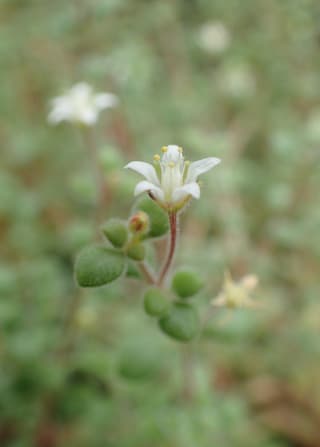
Fragile Crassula
Crassula expansa subsp. fragilis

Night-blooming Cereus
Selenicereus
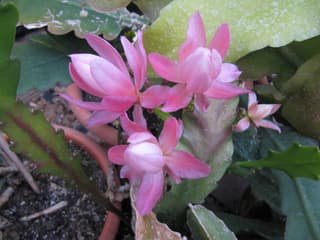
German Empress
Disocactus phyllanthoides
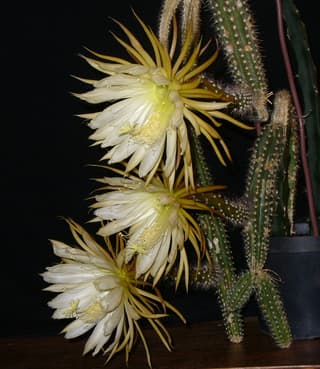
Moonlight Cactus
Selenicereus validus
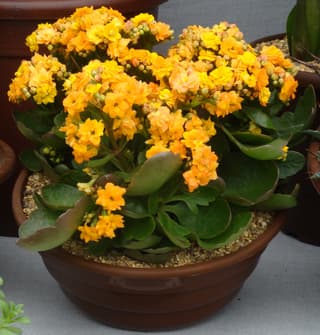
Calandiva
Kalanchoe calandiva
Ideal Succulents for Ginosa's Climate
Ginosa has an average temperature of 17.4°C and humidity of 68.8%, conditions that directly influence which succulents best adapt to the local environment.
How to Grow Succulents in Ginosa
To successfully grow succulents in Ginosa, consider that the average temperature of 17.4°C and humidity of 68.8% create a specific microclimate. Moderate humidity is favorable for most species in this category.
Advantages of Choosing Adapted Succulents
Succulents adapted to Ginosa's climate show greater resistance, healthy growth, and less need for interventions.