500 Best Plants for Grad Rijeka | 2026 Guide - Page 13
Discover the 500 ideal plants for Grad Rijeka's climate. Average temp: 14.6°C, Humidity: 73.5%.
Top 500 Plants for Grad Rijeka
Showing 433-468 of 500
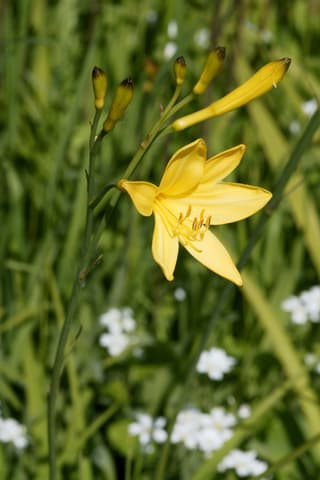
Orange daylily
Hemerocallis fulva
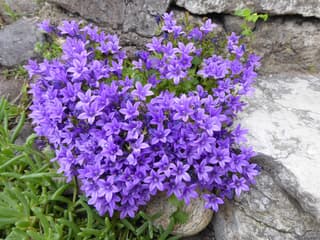
Dalmatian Bellflower
Campanula portenschlagiana
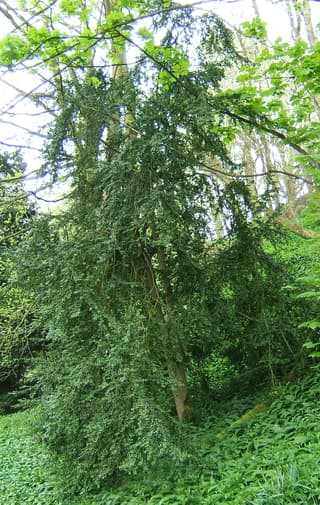
Common boxwood
Buxus sempervirens
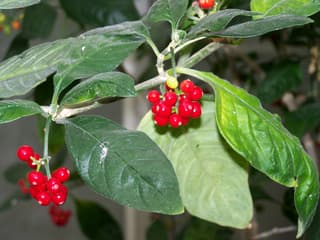
Wild Coffee
Psychotria
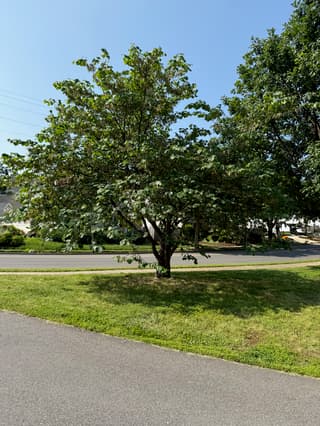
Eastern Redbud
Cercis canadensis
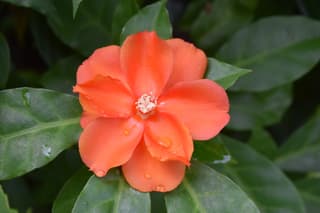
Leaf Cactus
Leuenbergeria
Lantern Stinkhorn
Lysurus mokusin
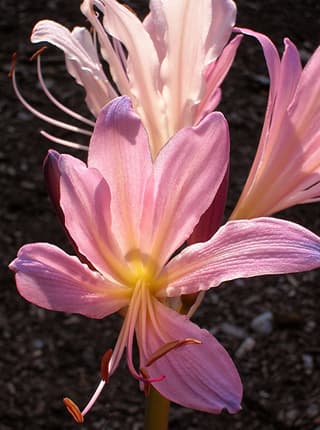
Resurrection lily
Lycoris squamigera
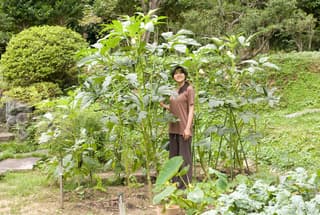
Okra
Abelmoschus esculentus
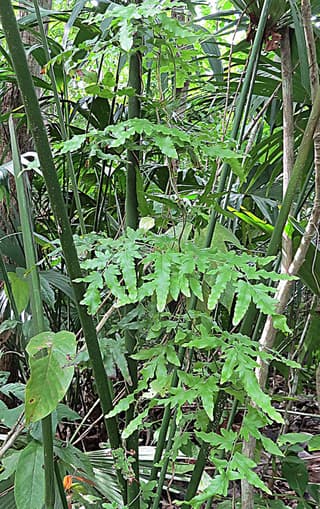
Climbing Fern
Lygodium venustum
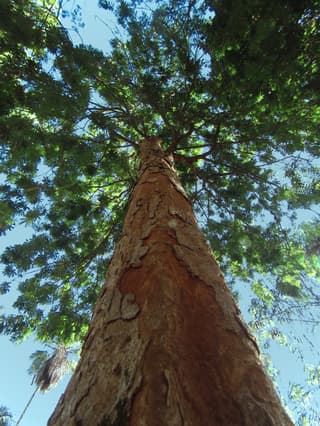
Brazilwood
Paubrasilia echinata
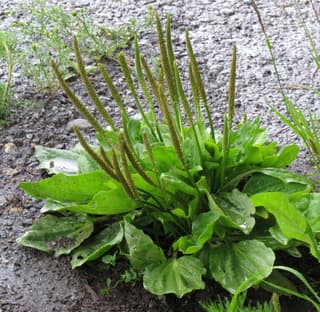
Broadleaf Plantain
Plantago major
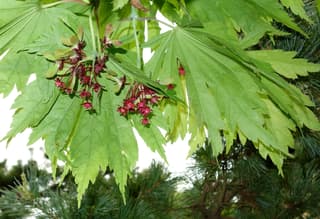
Fullmoon Maple
Acer japonicum
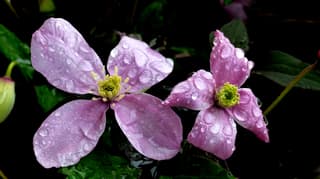
Anemone Clematis
Clematis montana
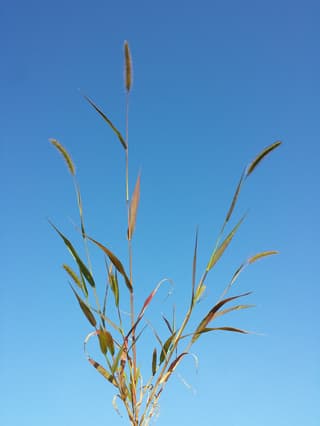
Foxtail Grass
Setaria
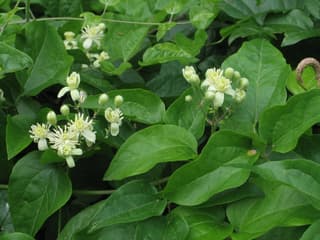
Traveller's Joy
Clematis vitalba
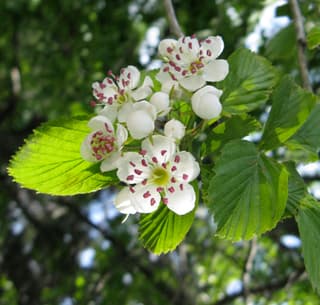
Dotted Hawthorn
Crataegus punctata
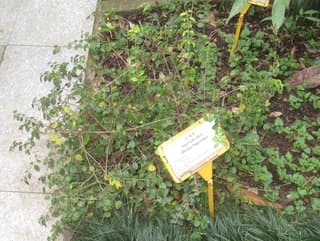
Sweet Plum
Sageretia theezans
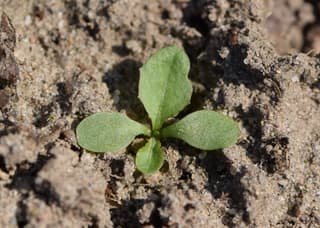
Autumn Hawkbit
Scorzoneroides autumnalis
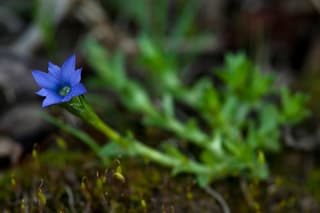
Pygmy Gentian
Gentiana prostrata
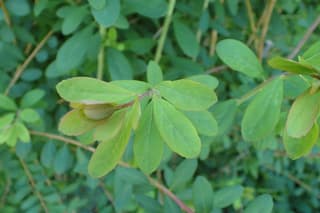
Japanese Spiraea
Spiraea japonica
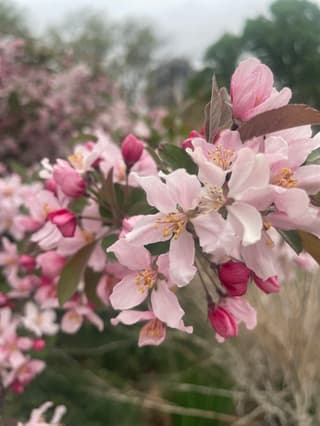
Japanese Flowering Crabapple
Malus × floribunda
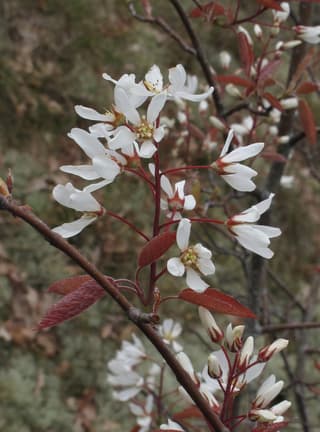
Serviceberry
Amelanchier
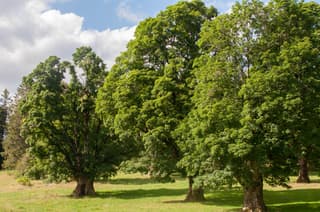
Sycamore Maple
Acer pseudoplatanus
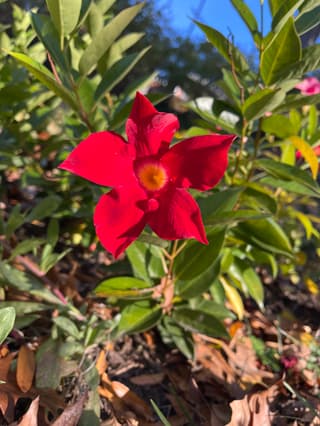
Mandevilla
Mandevilla
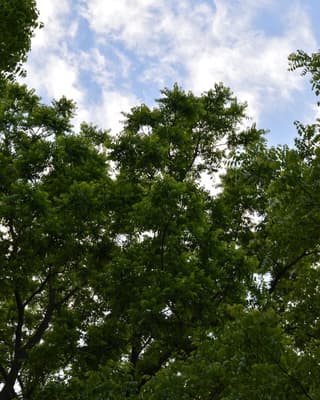
Eastern Black Walnut
Juglans nigra
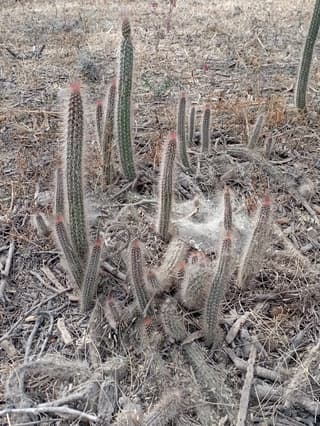
Snake Cactus, Junco, Queen of the Night
Nyctocereus serpentinus
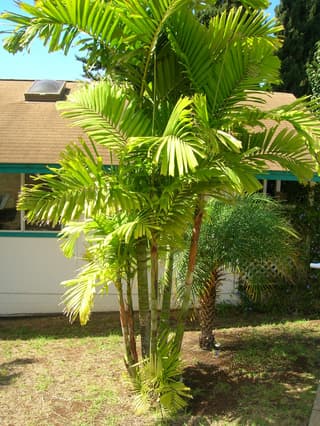
Macarthur Palm
Ptychosperma macarthurii
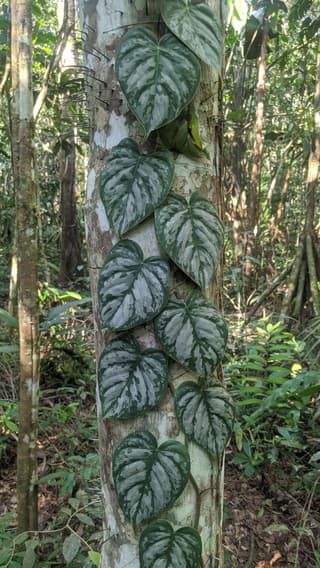
Silver Leaf Philodendron
Philodendron brandtianum
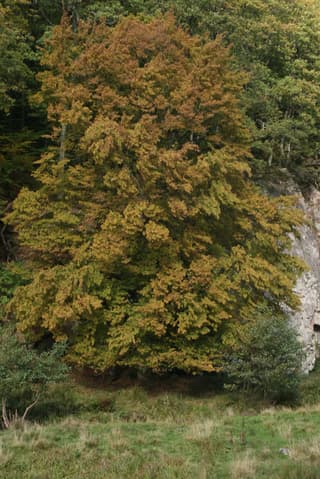
European Hornbeam
Carpinus betulus
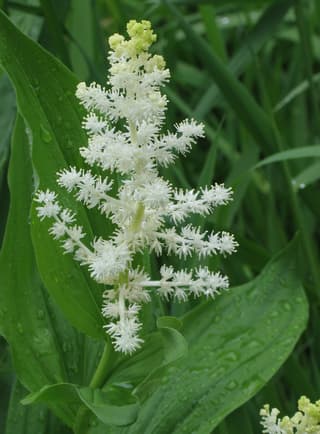
False Lily of the Valley
Maianthemum
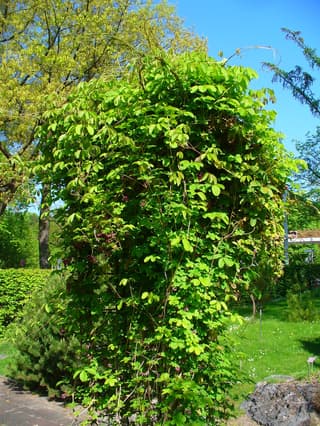
Chocolate Vine
Akebia quinata
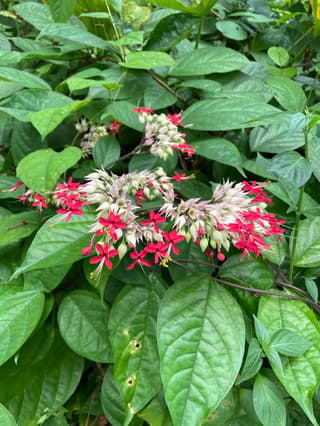
Glorybower (genus)
Clerodendrum
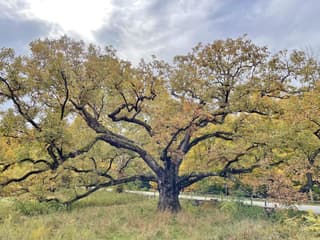
White Oak
Quercus alba
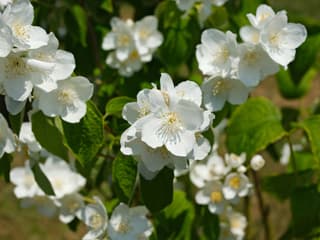
Scentless Mock Orange
Philadelphus inodorus
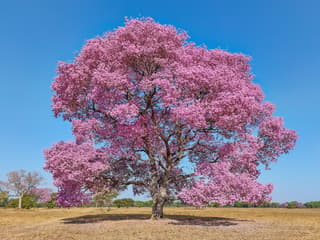
Trumpet Tree
Handroanthus
Grad Rijeka Climate for Plant Growing
Grad Rijeka has a climate with an average annual temperature of 14.6°C and average relative humidity of 73.5%. These climate conditions are ideal for various species of ornamental and fruit plants.
Tips for Growing Plants in Grad Rijeka
To succeed in growing plants in Grad Rijeka, consider the average temperature of 14.6°C when choosing your species. Protect cold-sensitive plants during winter. High humidity favors tropical plants, but watch for fungal issues.
Why Choose Plants Adapted to the Local Climate?
Plants adapted to Grad Rijeka's climate require less care, consume less water, and are more likely to thrive. Our selection considers the compatibility between each species' needs and local climate conditions, including temperature (14.6°C) and humidity (73.5%).