500 Best Plants for Grad Sisak | 2026 Guide - Page 12
Discover the 500 ideal plants for Grad Sisak's climate. Average temp: 13.2°C, Humidity: 76.4%.
Top 500 Plants for Grad Sisak
Showing 397-432 of 500
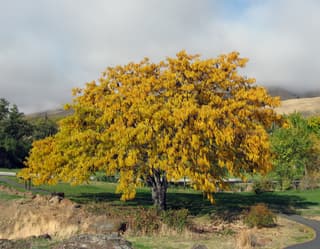
Honey Locust
Gleditsia triacanthos
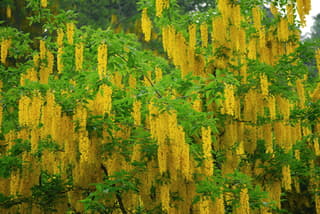
Scotch laburnum
Laburnum alpinum
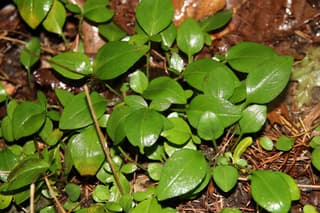
Shrubby St. John's Wort
Hypericum prolificum
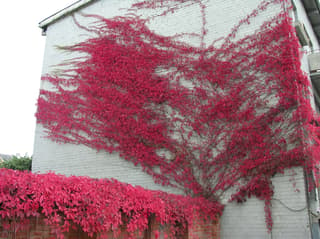
Woodbine
Parthenocissus
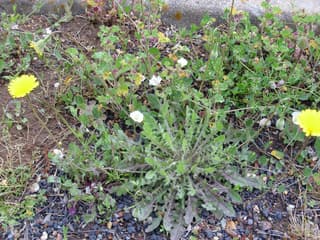
Rough Hawkbit
Leontodon hispidus
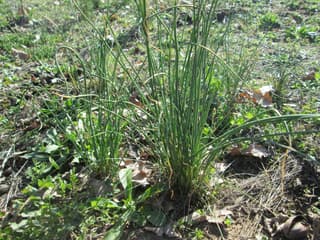
Wild Garlic
Allium vineale
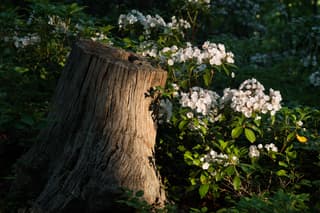
Mountain Laurel
Kalmia
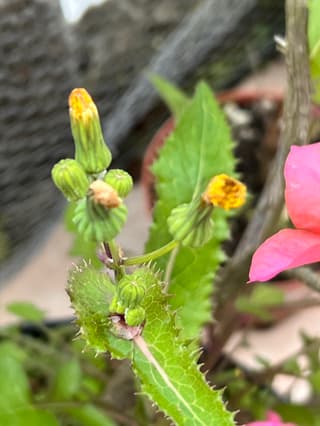
Sow Thistle
Sonchus
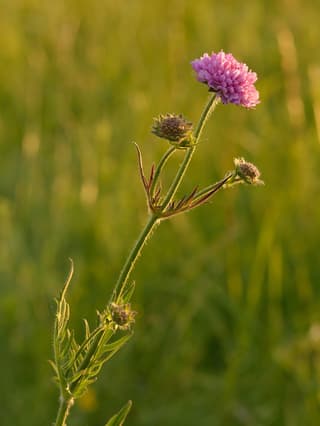
Field Scabious
Knautia arvensis
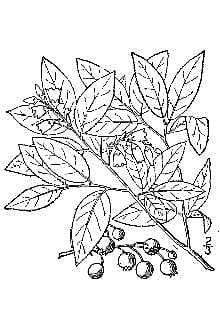
Hillside Blueberry
Vaccinium pallidum
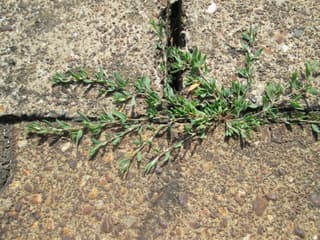
Oval-leaf Knotweed
Polygonum arenastrum
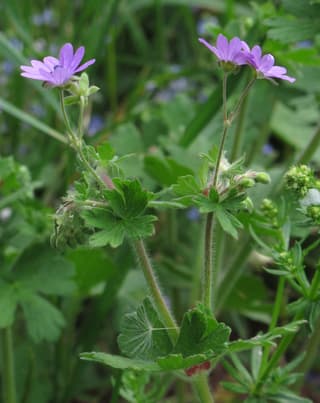
Hedgerow Cranesbill
Geranium pyrenaicum
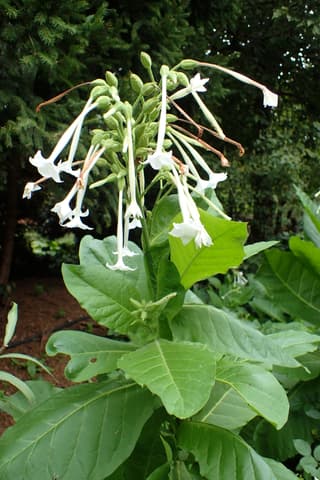
Woodland Tobacco
Nicotiana sylvestris
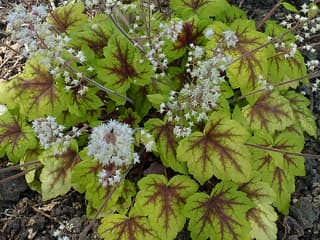
Foamy Bells
Heucherella
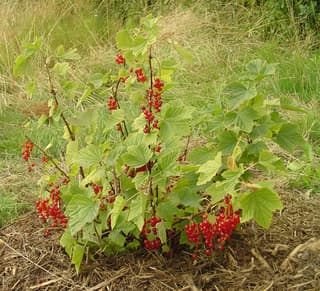
Redcurrant
Ribes rubrum
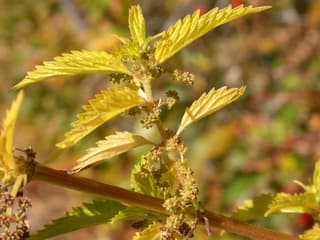
Slender Stinging Nettle
Urtica gracilis
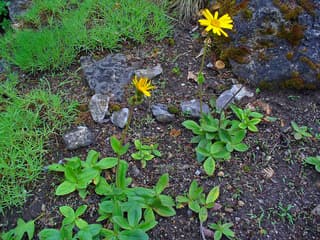
Arnica
Arnica montana
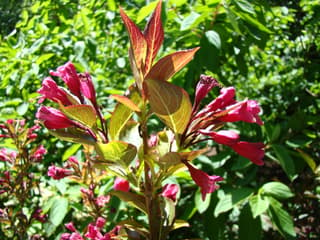
Old Fashioned Weigela
Weigela florida
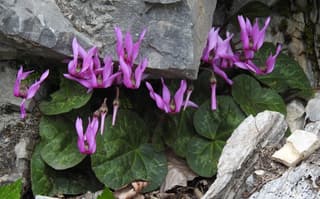
European Cyclamen
Cyclamen purpurascens
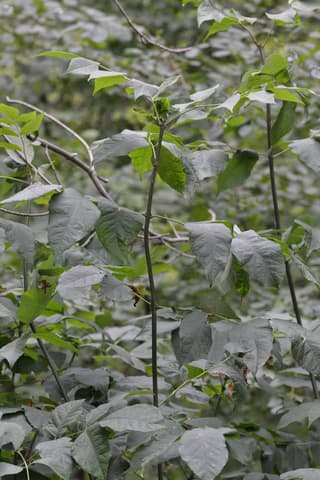
Green Ash
Fraxinus pennsylvanica
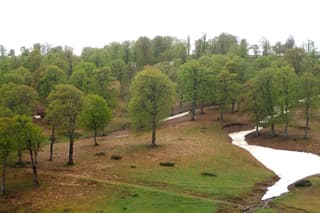
Oriental Beech
Fagus orientalis
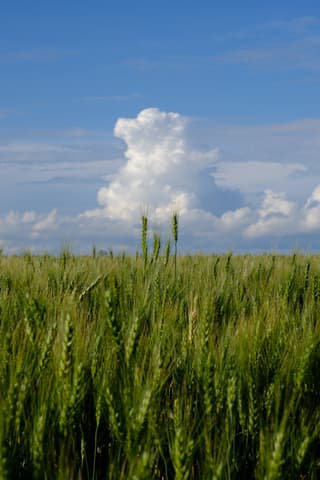
Common wheat
Triticum aestivum
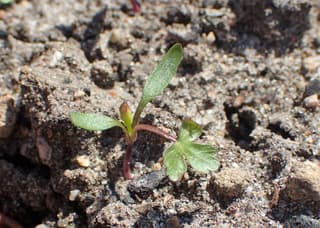
Fool's Parsley
Aethusa cynapium
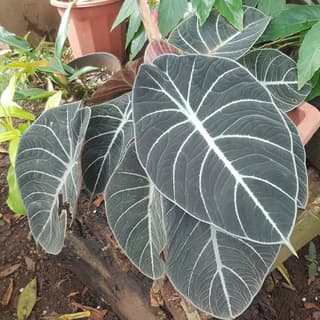
Black Velvet Alocasia
Alocasia reginula
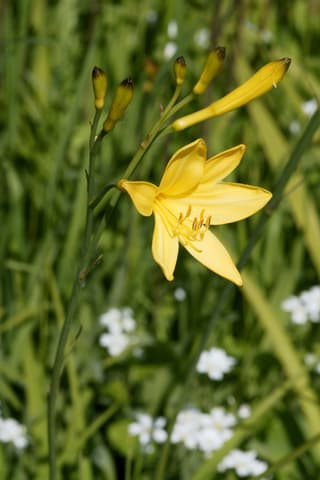
Orange daylily
Hemerocallis fulva
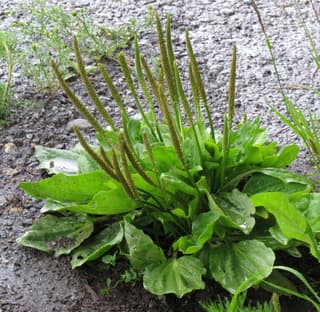
Broadleaf Plantain
Plantago major
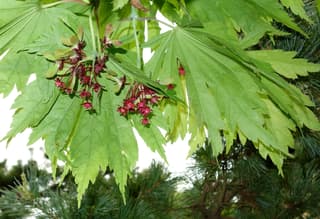
Fullmoon Maple
Acer japonicum
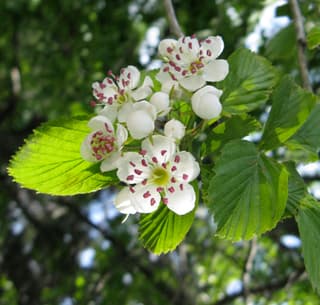
Dotted Hawthorn
Crataegus punctata
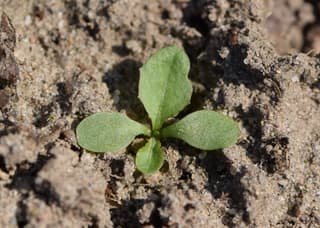
Autumn Hawkbit
Scorzoneroides autumnalis
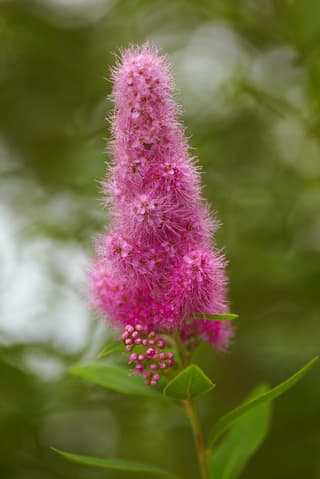
Billard Spiraea
Spiraea billardii
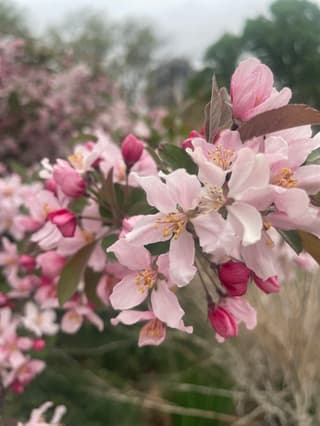
Japanese Flowering Crabapple
Malus × floribunda
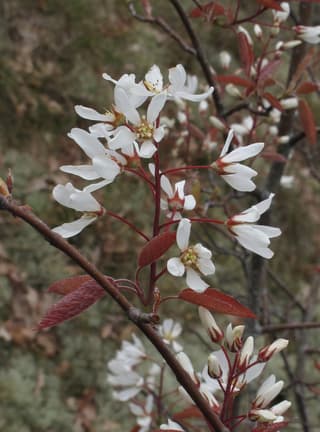
Serviceberry
Amelanchier
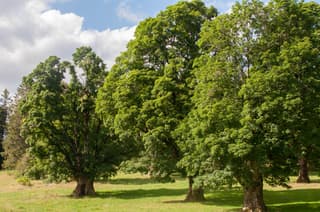
Sycamore Maple
Acer pseudoplatanus
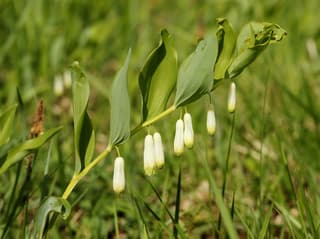
Fragrant Solomon's Seal
Polygonatum odoratum
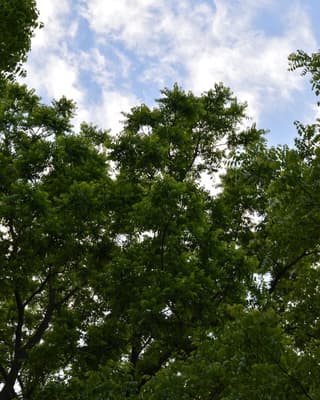
Eastern Black Walnut
Juglans nigra
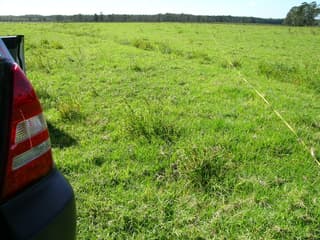
Kikuyu Grass
Cenchrus clandestinus
Grad Sisak Climate for Plant Growing
Grad Sisak has a climate with an average annual temperature of 13.2°C and average relative humidity of 76.4%. These climate conditions are ideal for various species of ornamental and fruit plants.
Tips for Growing Plants in Grad Sisak
To succeed in growing plants in Grad Sisak, consider the average temperature of 13.2°C when choosing your species. Protect cold-sensitive plants during winter. High humidity favors tropical plants, but watch for fungal issues.
Why Choose Plants Adapted to the Local Climate?
Plants adapted to Grad Sisak's climate require less care, consume less water, and are more likely to thrive. Our selection considers the compatibility between each species' needs and local climate conditions, including temperature (13.2°C) and humidity (76.4%).